 listicle
7 Signs of Poor Roof Workmanship (2026 Guide)
Table of Contents
- Why Workmanship Quality Matters More Than Shingles
- 1. Uneven or Wavy Shingle Lines
- 2. Exposed Nails and Improper Fastening
- 3. Flashing Failures Around Roof Penetrations
- 4. Poor Ventilation and Airflow Issues
- 5. Sagging Rooflines and Structural Red Flags
- 6. Blistering, Curling, and Granule Loss
- 7. Water Stains and Interior Leaks
- Understanding Your Recourse for Poor Roof Workmanship
- When to Call a Professional Roofer
- Frequently Asked Questions
Last Updated: September 9, 2026
A new roof is one of the most expensive home investments you will make, yet the quality of the installation often determines whether that investment lasts 15 years or 30. Poor roof workmanship is rarely visible from the street, and many homeowners only discover shoddy installation after water stains appear on their ceilings. In this guide from Leitch Roofing, we break down the seven most common signs of poor roof workmanship so you can catch problems early, document them for warranty claims, and protect your home from costly water intrusion.
The challenge is that most defects hide in plain sight. Uneven shingle lines, exposed fasteners, and flashing failures are all identifiable with a basic roof inspection checklist, but they require knowing what to look for. Below, we will show you exactly how to spot these red flags, what they mean for your roof's lifespan, and when to call a professional before minor issues become major leaks.
Why Workmanship Quality Matters More Than Shingles
The shingle brand you choose matters far less than the crew that installs it. Even premium architectural shingles will fail prematurely when they are nailed incorrectly, flashed improperly, or installed over a poorly prepared deck. Manufacturer specifications exist for a reason, and when a rushed job ignores those specifications, the material warranty often becomes void.
Most roofing contractors follow the same basic building codes and manufacturer guidelines, but the difference between a quality installation and poor roof workmanship comes down to execution details. Nail placement, flashing overlap, ventilation balance, and underlayment application all determine whether your roof sheds water effectively for decades or begins leaking within the first few years.
1. Uneven or Wavy Shingle Lines
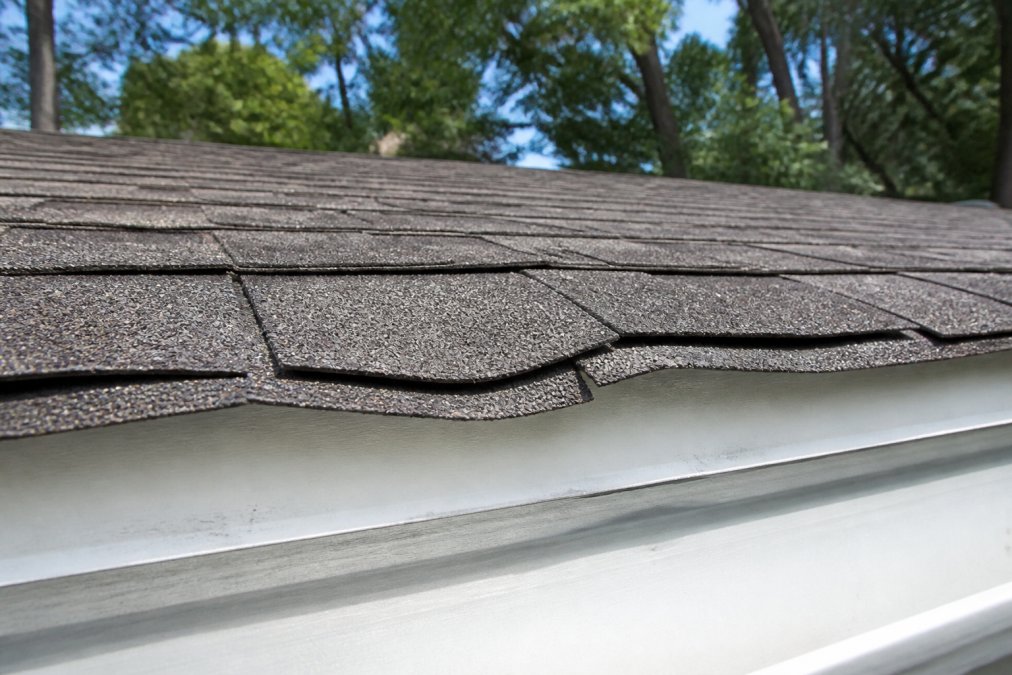
Step back from your house and look at the rooflines from the street. A professionally installed roof should have straight, clean horizontal lines where each course of shingles meets the one below it. If you notice wavy, sagging, or uneven shingle lines, this is often the first visible sign of poor roof workmanship.
Wavy lines typically indicate that the roof deck underneath is not smooth, that shingles were installed over an old layer, or that the crew did not properly align each course. This issue is not purely cosmetic. When shingles do not lie flat, wind can catch the edges and lift them, allowing water to seep beneath the protective layer. Over time, this accelerates granule loss and leads to premature failure.
2. Exposed Nails and Improper Fastening
Walk around your property and inspect the roof surface where possible, particularly along the ridge cap and the edges of each shingle course. Nail pops, exposed fasteners, and nail heads that are visibly sticking up are clear indicators of improper nailing. Shingles should be fastened with nails driven flush with the surface, then covered by the next course of shingles so they are never exposed to the elements.
Exposed nails create direct entry points for water intrusion. When moisture reaches the nail head, it travels down the fastener into the roof deck, causing rot, mold, and eventual structural damage. According to the National Roofing Contractors Association's installation guidelines, proper nail placement follows a specific pattern that keeps fasteners hidden beneath the overlapping shingle course above.
Another fastening issue involves nail length and type. Roofing nails must be long enough to penetrate the roof deck, typically at least 1.25 inches. If the crew used staples or short nails that fail to bite into the deck, the shingles will not hold during high winds.
3. Flashing Failures Around Roof Penetrations
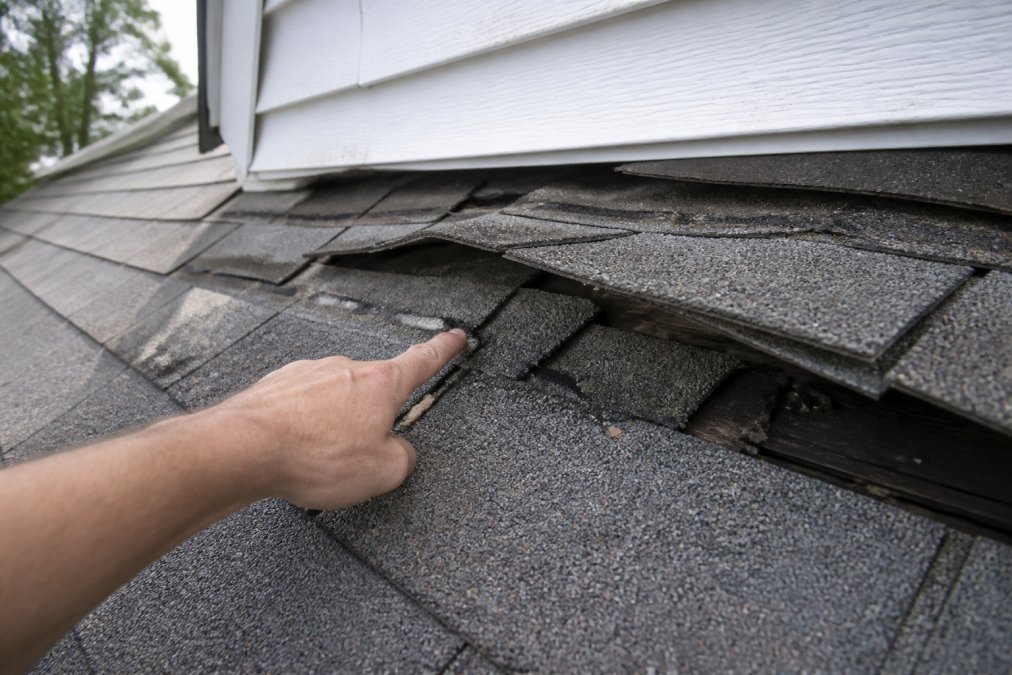
Flashing is the metal material installed around chimneys, skylights, vents, and valleys where the roof meets vertical surfaces. These roof penetrations are the most vulnerable points on any roof, and flashing failures rank among the most common signs of poor roof workmanship.
Proper flashing installation involves layering metal pieces so that water flows over each seam, directing moisture away from the penetration. The metal should be secured with roofing cement or sealant and integrated with the shingle courses above it. When you see rusted, loose, or missing flashing, or when caulking has cracked and pulled away, water will eventually find its way into your home.
The drip edge is equally important. This metal strip runs along the eaves and gable edges, guiding water into the gutter system. A missing drip edge allows water to wick back under the shingles and rot the roof deck. Both flashing and drip edge issues are common on rushed jobs where crews skip steps to save time.
4. Poor Ventilation and Airflow Issues
Roof ventilation is a system, not a single component. Proper airflow requires intake vents at the soffit or eaves and exhaust vents at the ridge or gable, working together to move hot, humid air out of the attic space. When a roofing crew fails to install adequate ridge vent or blocks existing soffit vents, the entire system fails.
Signs of poor ventilation include excessive heat buildup in the attic, condensation on roof sheathing, and premature shingle aging. According to guidance from the U.S. Department of Energy on attic ventilation, balanced intake and exhaust ventilation helps regulate temperature and moisture, extending the life of both the roof and the insulation below.
Poor roof workmanship often shows up here because ventilation is invisible after installation. A crew that covers existing vents, fails to cut a proper ridge vent opening, or installs inadequate intake at the soffit creates a problem that manifests as curling shingles and blistering within a few years. These symptoms appear first in summer, when attic temperatures spike.
5. Sagging Rooflines and Structural Red Flags
A sagging roof deck or roofline is the most serious structural red flag on this list. Step back and examine the ridge line running along the peak of your roof. It should be straight and level. If you notice a dip, curve, or visible sag, the roof deck beneath the shingles is compromised.
Sagging can result from several underlying issues. Water damage from previous leaks may have rotted the plywood sheathing. Improper nailing during installation may have failed to secure the deck to the rafters. Or the crew may have installed heavy materials over a deck not designed to support the load. Structural sagging also appears around valleys and areas where snow and debris accumulate.
This condition requires immediate professional assessment. A sagging roof deck will not repair itself, and delaying action risks progressive structural failure. If you suspect structural issues, do not wait for visible interior damage before calling a roofing contractor for an inspection.
6. Blistering, Curling, and Granule Loss
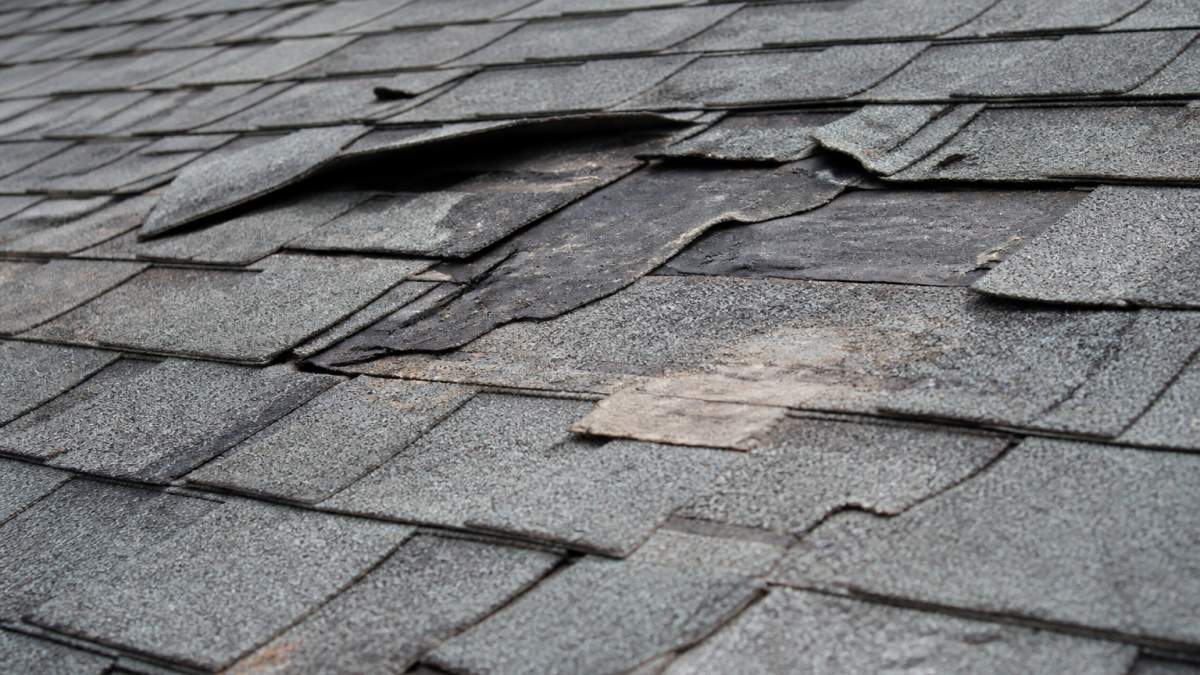
Shingle appearance changes over time, but certain patterns point directly to poor roof workmanship rather than normal aging. Blistering appears as small bubbles or pockmarks on the shingle surface, caused by trapped moisture expanding when heated. Curling occurs when shingle edges lift and turn upward, often the result of inadequate ventilation or improper nailing.
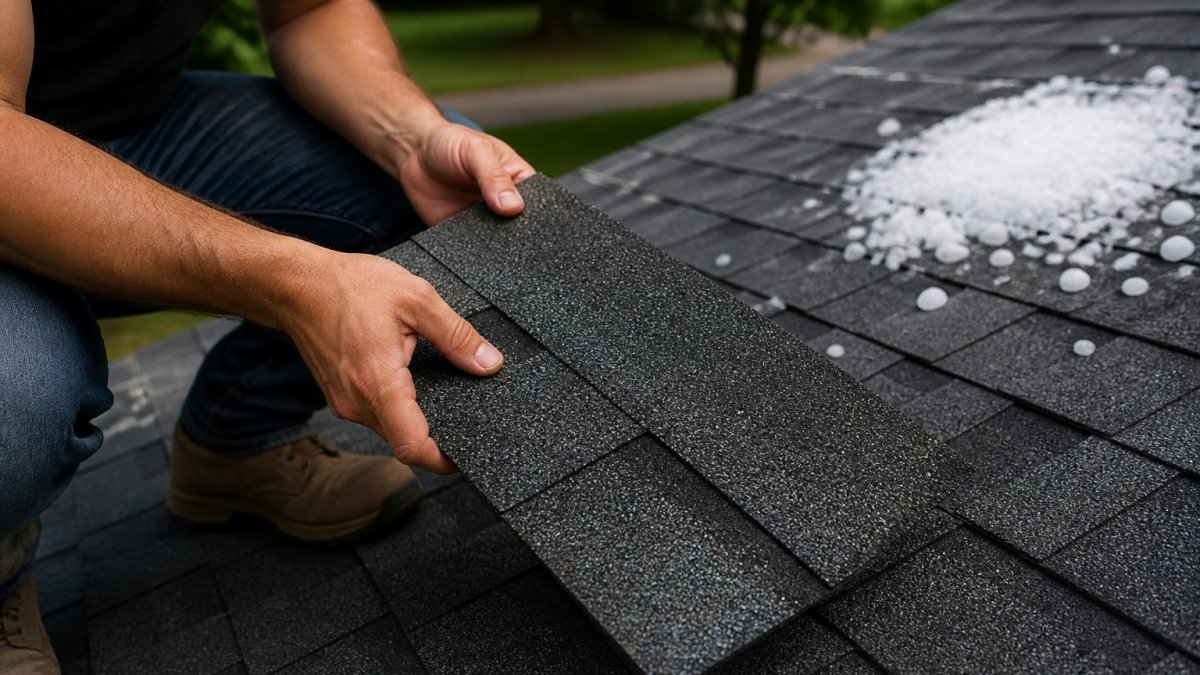
Granule loss is another telltale sign. Asphalt shingles are coated with ceramic granules that protect them from UV radiation and provide fire resistance. When you find excessive granules in your gutters or on the ground near downspouts, the shingles are deteriorating faster than they should. A small amount of granule loss during the first year is normal as loose granules shake free, but heavy, ongoing loss signals a problem.
manufacturer specifications from the Asphalt Roofing Manufacturers Association require proper ventilation and nailing to prevent premature granule loss. When installation defects cause shingles to fail within a few years, the material warranty may not cover the damage because the issue stems from workmanship, not manufacturing.
7. Water Stains and Interior Leaks
Water stains on ceilings and walls are the most obvious signs of roof failure, but they often appear only after damage has been occurring for months. Brown or yellow rings on ceilings, peeling paint, and musty odors in the attic all indicate active water intrusion that traces back to installation errors.
Leak detection is challenging because water travels along roof decking and framing before dripping into living spaces. The visible stain may be several feet away from the actual entry point. Common workmanship-related leak sources include improperly flashed valleys, exposed nails, missing underlayment, and inadequate ice and water shield in vulnerable areas.
If you notice interior leaks, document the stains with photos and dates before attempting any repair. This documentation becomes critical when filing a roofing insurance claim or pursuing a workmanship warranty claim against the original contractor.
DIY vs. Professional Inspection Checklist
Some roof inspection tasks are safe for homeowners, while others require professional equipment and expertise.
| Inspection Task | DIY or Professional | When to Do It |
|---|---|---|
| Visual check from the ground | DIY | After every major storm |
| Gutter granule inspection | DIY | Twice per year |
| Attic ventilation and moisture check | DIY | Seasonal temperature changes |
| Close-up shingle and flashing exam | Professional | Annually or after storm damage |
| Roof deck structural assessment | Professional | When sagging is suspected |
| Full documentation for claims | Professional | Before filing an insurance claim |
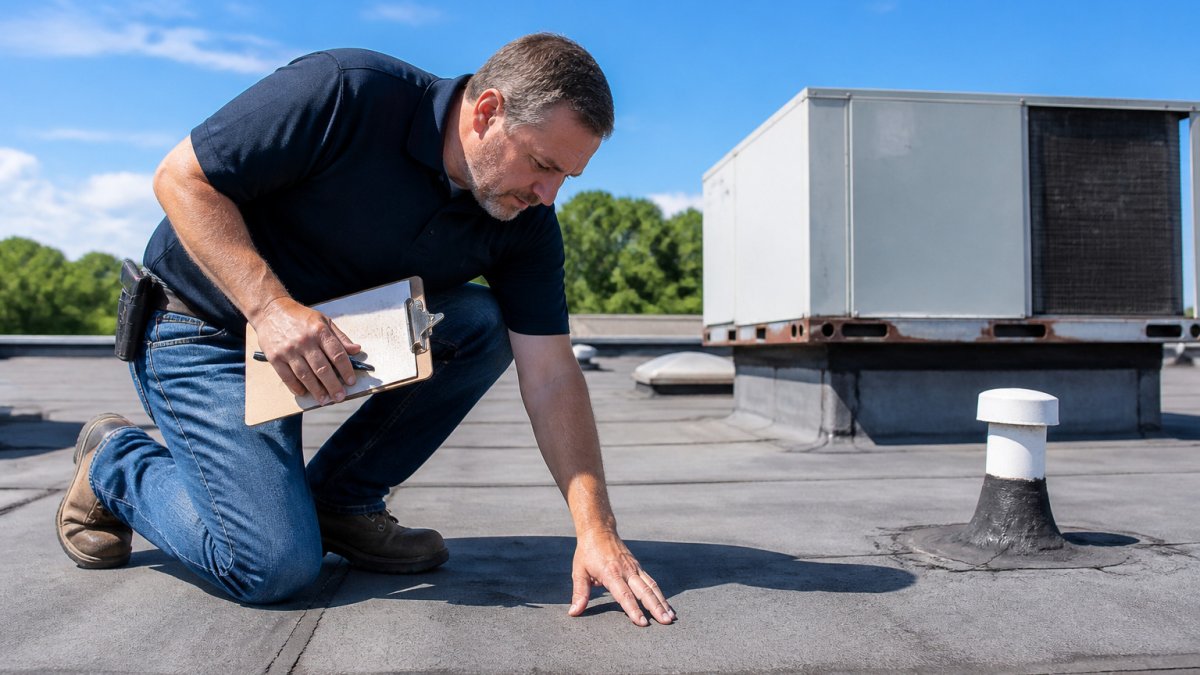
Ground-level inspections are safe and worthwhile. Anything requiring you to walk on the roof should be left to professionals with proper safety equipment and training. A professional roof inspection checklist covers flashing integrity, nail exposure, ventilation performance, and structural soundness, providing the documentation needed for insurance and warranty purposes.
Understanding Your Recourse for Poor Roof Workmanship
When poor roof workmanship is confirmed, homeowners have several paths forward. The first step is reviewing your contract and warranty documents. Most reputable contractors offer a workmanship warranty that covers installation defects for a specified period, typically five to ten years. This warranty exists separately from the shingle manufacturer's material warranty.
If the original contractor refuses to address documented defects, your options include filing a complaint with your state's contractor licensing board and pursuing legal action for breach of contract. Building codes in most jurisdictions establish minimum installation standards, and a roof that fails to meet those standards may also violate local permitting requirements.
Documentation is everything in these disputes. Photograph every visible sign of poor roof workmanship, keep copies of your contract and warranty, and save all communication with the contractor. This paper trail becomes essential whether you pursue a warranty claim, an insurance claim, or legal recourse.
When to Call a Professional Roofer
If you have identified any signs of poor roof workmanship, prompt action prevents further damage. Minor issues like exposed nails and cracked caulking can be corrected quickly, but structural problems and flashing failures require professional repair or replacement.
At Leitch Roofing, we provide expert residential and commercial roofing services using quality materials and skilled crews. Our team conducts thorough inspections to identify existing damage and provides free estimates, so you understand the full scope of any problem before committing to repairs. We also offer specialized insurance claim assistance, helping property owners navigate the complex process of documenting storm damage and securing coverage for needed work.
Frequently Asked Questions
Can you sue a roofer for poor workmanship?
Yes. Poor roof workmanship often breaches the contract's implied warranty of workmanlike quality. Your first step is filing a claim under the roofer's workmanship warranty. If the contractor refuses to fix the defects, you may have grounds for a lawsuit. Document all issues with photos and keep copies of your contract and correspondence. Many states also hold roofing contractors to specific licensing and building code standards.
What are some examples of a bad roofing job?
Common examples include exposed or improperly driven nails, wavy shingle lines, missing or damaged flashing around chimneys and vents, and inadequate underlayment. Other red flags are a lack of proper ventilation, sagging rooflines, and shingles that curl or blister shortly after installation. A rushed job often shows these errors, which compromise the roof's ability to shed water and can void your manufacturer's warranty.
How do I know if my roof was installed improperly?
Start with a visual inspection from the ground using binoculars. Look for uneven shingle lines, visible nail heads, or missing flashing. Inside your attic, check for daylight coming through the roof deck, water stains, or poor ventilation. If you notice any of these signs, schedule a professional roof inspection. A certified contractor can determine if the issues stem from installation errors rather than normal wear and tear.
Poor roof workmanship is a problem no homeowner should face alone. Identifying the seven signs covered here gives you the knowledge to spot installation defects early, but correcting them requires a contractor who stands behind their work. Get a free estimate from Leitch Roofing today and let our skilled crews assess your roof, document any workmanship issues, and provide durable repair or replacement solutions that protect your home for years to come.