 listicle
Are Impact-Resistant Shingles Worth the Extra Cost?
Last Updated: October 29, 2026
Quick Summary
Impact-resistant shingles are asphalt shingles with a reinforced base and tougher surface, so they resist cracking from hail and flying debris better than standard shingles. Whether they are worth the extra cost depends on your storm exposure, how long you plan to stay in the home, and whether your insurer offers a discount for them.
- They use a reinforced fiberglass mat and a thicker, more flexible asphalt layer.
- Class 4 is the highest impact rating under the UL 2218 standard, tested with steel balls on shingle samples.
- A Class 4 rating is a lab benchmark and does not guarantee a roof will survive every hailstorm.
- Compare written bids for the same roof scope, then subtract the standard cost from the impact-resistant cost.
- Insurance discounts depend on the carrier, and the product must appear on the insurer's approved list.
Table of Contents
- What Impact-Resistant Shingles Are and How They Hold Up to Hail
- Class 4 Impact Ratings: What the Test Measures and What It Does Not
- Key Benefits of Installing Impact-Resistant Shingles
- Impact-Resistant Shingles Pros and Cons
- Impact-Resistant Shingles Cost: Upfront Price and Long-Term Math
- Impact-Resistant Shingles Insurance Discount: Eligibility and Verification
- How to Tell If a Roof Is Impact Resistant
- Scheduling a Roof Inspection and Free Estimate With Leitch Roofing
- Frequently Asked Questions
What Impact-Resistant Shingles Are and How They Hold Up to Hail
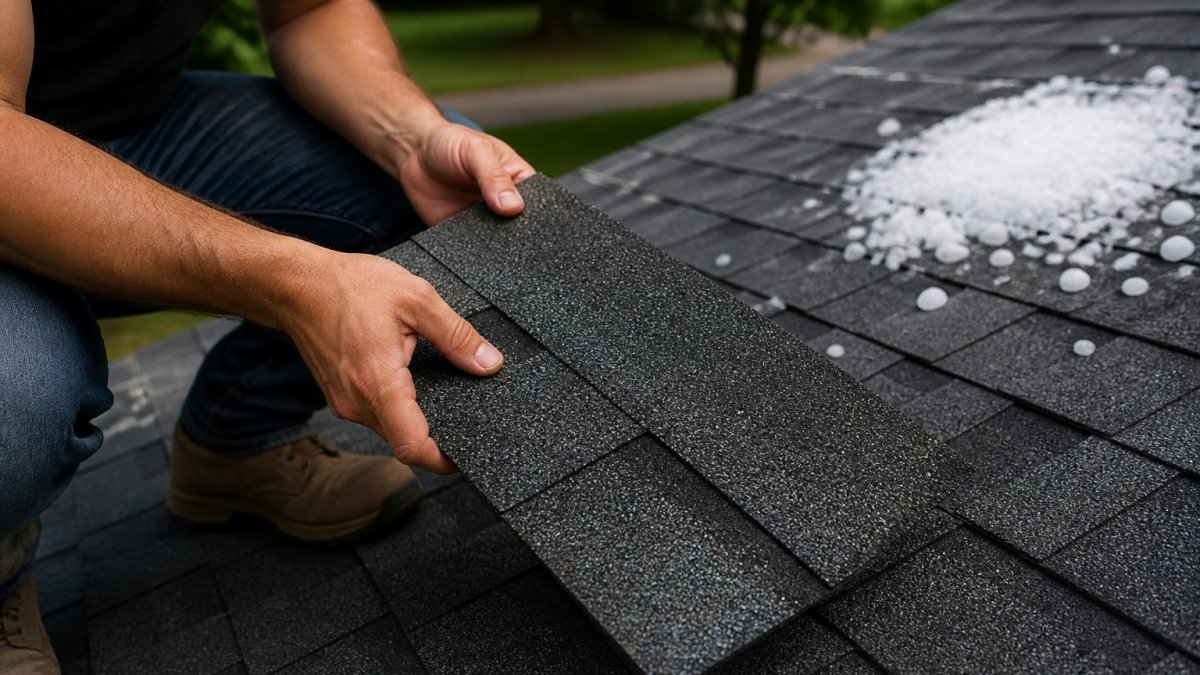
Impact-resistant shingles are asphalt roofing shingles built with a stronger base and a tougher surface layer, so they can take hits from hail and flying debris without cracking or tearing as easily as standard shingles.
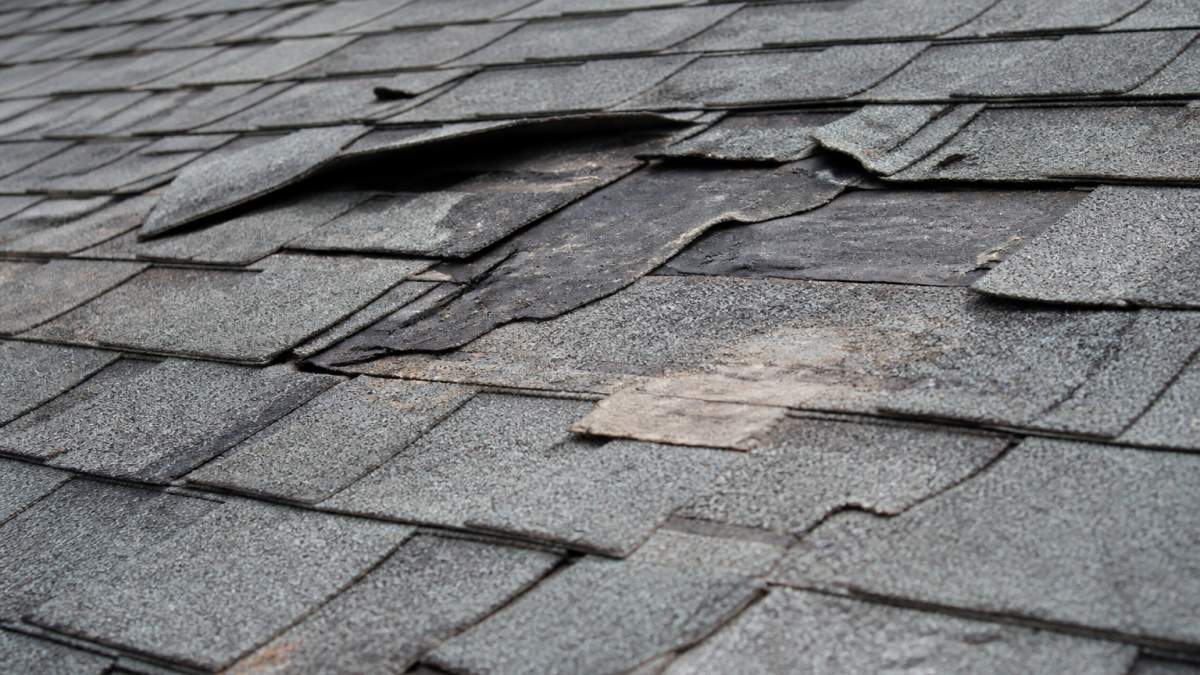
Most impact-resistant products use a reinforced fiberglass mat and a thicker, more flexible asphalt layer. Standard shingles often crack or lose granules when hit by hail, while impact-resistant versions tend to absorb the energy and keep their shape. Insurance Institute for Business & Home Safety roofing research
Class 4 Impact Ratings: What the Test Measures and What It Does Not
Class 4 is the highest impact rating under the UL 2218 standard, which uses steel balls dropped onto shingle samples from set heights.
The rating does not promise a roof will survive any hailstorm, and it does not mean the shingle will never need replacement. Installation quality, the age of the roof, and the size and speed of the hail all affect real-world results.
Key Benefits of Installing Impact-Resistant Shingles
The main benefit is fewer hail-related repairs over the life of the roof. Impact-resistant shingles are less likely to crack, break, or shed granules after a storm, which means less exposure for the underlayment and less water getting into your home.
Other benefits include:
- Improved durability: The reinforced mat helps the shingle hold its shape under stress.
- Potential longer lifespan: Many manufacturers rate these products for longer service than standard shingles, though actual results vary by climate and installation.
- Possible insurance discounts: Some insurers offer premium reductions for impact-rated roofs, a point we cover below.
Our residential roofing services cover repair and replacement, and we can discuss your options for your home.
Impact-Resistant Shingles Pros and Cons
Pros
- Better hail and debris resistance than standard asphalt shingles
- Potential insurance premium discounts in some areas
- Often carry longer manufacturer warranties
Cons
- Higher upfront cost than standard shingles
- Discounts depend on your insurer and policy, so savings are not guaranteed
- Impact ratings do not make a roof hail-proof
Best for: homeowners in hail-prone areas who plan to stay in the home long enough to recover the added cost. Skip if: you live in a low-storm area and your insurer offers no discount, since standard shingles may be enough.
Impact-Resistant Shingles Cost: Upfront Price and Long-Term Math
Impact-resistant shingles generally cost more to buy and install than standard asphalt shingles, and pricing depends on roof size, pitch, complexity, and the product line selected. The premium varies with roof size, pitch, complexity, local labor rates, and the specific product line, so any single national figure is a rough guide at best. The useful question is not the sticker price alone but the total cost of ownership: installed cost plus expected repair exposure minus any insurance credit, weighed against how long you plan to own the home.
What drives the upfront premium
The added cost comes from three places: the shingle itself (reinforced mat and modified asphalt cost more to manufacture), the accessories that often accompany a Class 4 system (enhanced underlayment, upgraded fasteners, and sometimes starter and hip-and-ridge components), and labor (heavier or stiffer products can take longer to install).
A transparent example framework
Use the framework below with your own quotes. The numbers are illustrative placeholders, not a quote for your home, replace them with figures from your contractor and your insurer.
- Installed cost, standard roof: obtain a written bid for a standard architectural shingle roof.
- Installed cost, impact-resistant roof: obtain a written bid for the Class 4 product on the same roof, same scope, same accessories.
- Upfront premium: subtract line 1 from line 2. This is the extra capital you are committing.
- Annual insurance credit: ask your carrier for the credit in dollars per year, not just a percentage. Multiply by the years you expect to own the home.
- Expected repair exposure avoided: estimate how often your area sees hail large enough to damage a standard roof, and what a typical repair (partial replacement, underlayment repair, interior water damage) costs. Multiply by the number of events you expect over your ownership period, then apply a conservative discount for uncertainty.
- Replacement timing: if the impact-resistant product is expected to last longer, the annualized cost of the roof falls even if the upfront price is higher. Use manufacturer warranty terms as a ceiling, not a promise.
- Net position: upfront premium minus insurance credits minus expected repair exposure avoided, adjusted for replacement timing. If the result is positive over your ownership horizon, the upgrade is financially defensible; if it is negative, the standard roof may be the better fit.
The ownership-horizon test
The upgrade tends to make the most sense for homeowners who plan to stay long enough for insurance credits and avoided repairs to accumulate, and for those in areas with meaningful hail exposure.
For a current figure tied to your home, contact Leitch Roofing for a free estimate. , and reviewing Customer reviews of Leitch Roofing can help you gauge how we handle projects from start to finish.
The table below lists the cost-framework steps the article walks through so you can compare them at a glance.
| Step | What to do | Note |
|---|---|---|
| 1. Standard roof cost | Get a written bid for a standard shingle roof | Baseline price |
| 2. Impact-resistant cost | Get a written bid for the same scope with Class 4 product | Same scope and accessories |
| 3. Upfront premium | Subtract line 1 from line 2 | Extra capital committed |
| 4. Annual insurance credit | Ask carrier for the credit in dollars per year | Not just a percentage |
| 5. Repair exposure avoided | Estimate hail frequency and typical repair cost | Apply a conservative discount |
| 6. Replacement timing | Use manufacturer warranty terms as a ceiling | Not a promise |
| 7. Net position | Premium minus credits minus avoided exposure | Positive means defensible |
Impact-Resistant Shingles Insurance Discount: Eligibility and Verification
Many insurers offer a premium credit for roofs that meet an impact-resistance standard, but the discount is not automatic and it is not uniform. Eligibility depends on the carrier, the state, the policy form, and, critically, whether the specific product installed appears on that insurer's approved list. A roof can be Class 4 rated and still fail an insurer's eligibility test if the product is not on the approved schedule or if the installation cannot be documented.
Step 1: Confirm the product is approved, not just rated
Ask your insurer for its current list of approved impact-resistant products before you buy shingles. Carriers typically maintain a schedule of manufacturers and product lines that qualify, and the list can change. A Class 4 rating under UL 2218 is a starting point, but the insurer's approved-product schedule is the document that actually controls eligibility. If your preferred shingle is not on the list, ask whether a comparable approved product exists before you commit.
Step 2: Gather the documentation the insurer will ask for
A common pattern is for carriers to request some combination of the following. Confirm the exact list with your carrier in writing, because requirements vary:
- Manufacturer documentation showing the product name, model, and impact rating (often a UL 2218 Class 4 listing or the manufacturer's compliance certificate).
- The installation invoice or contract identifying the product installed and the address.
- A completed insurer form or roof certification, which some carriers require in place of or in addition to product paperwork.
Keep digital and paper copies of everything. If you sell the home, the next owner will need the same file to keep the credit.
Step 3: Ask whether an inspection is required
Some insurers accept self-submitted documentation; others require a licensed inspector, contractor, or adjuster to confirm the installation before the credit applies. Ask specifically:
- Does the carrier require a third-party inspection, and who is authorized to perform it?
- Is there a fee for the inspection, and who pays it?
- Does the credit begin at the policy renewal or immediately upon approval?
Step 4: Pin down the size and structure of the discount
Discounts are usually expressed as a percentage of the wind or hail portion of the premium, not the entire policy premium, so the dollar savings can be smaller than homeowners expect. Ask the carrier to state the credit in dollars on your declarations page or in a written quote. Also ask whether the credit applies to the whole roof or only to the impact-rated components, and whether it phases out as the roof ages.
Step 5: Re-verify at renewal
Approved-product lists, discount percentages, and inspection rules change. Re-confirm eligibility at each renewal and keep the current documentation on file. If you switch carriers, assume the new insurer will require fresh proof, do not assume the prior credit carries over.
Insurance Institute for Business & Home Safety roofing research
How to Tell If a Roof Is Impact Resistant
To check whether an existing roof is impact resistant, look for the product's impact rating on the shingle packaging, the manufacturer's documentation, or the installation invoice.
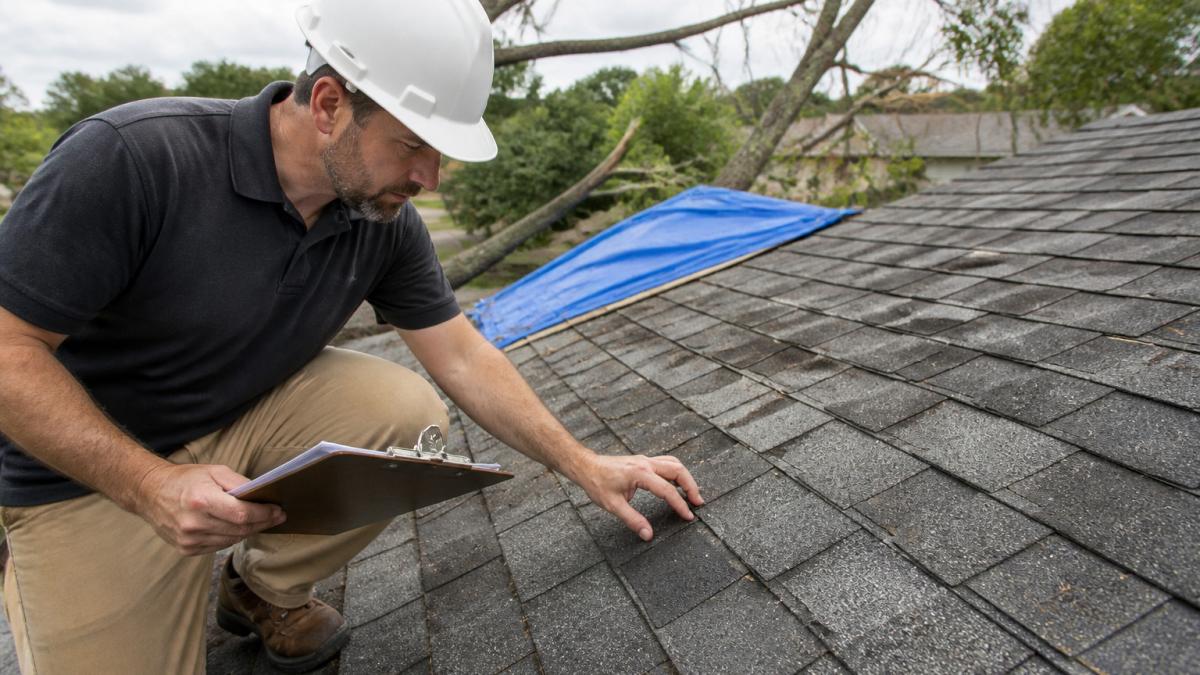
Visual inspection alone cannot confirm a Class 4 rating. If you need proof for an insurance claim or a home sale, ask a licensed roofer to document the shingle type and condition in writing.
Scheduling a Roof Inspection and Free Estimate With Leitch Roofing
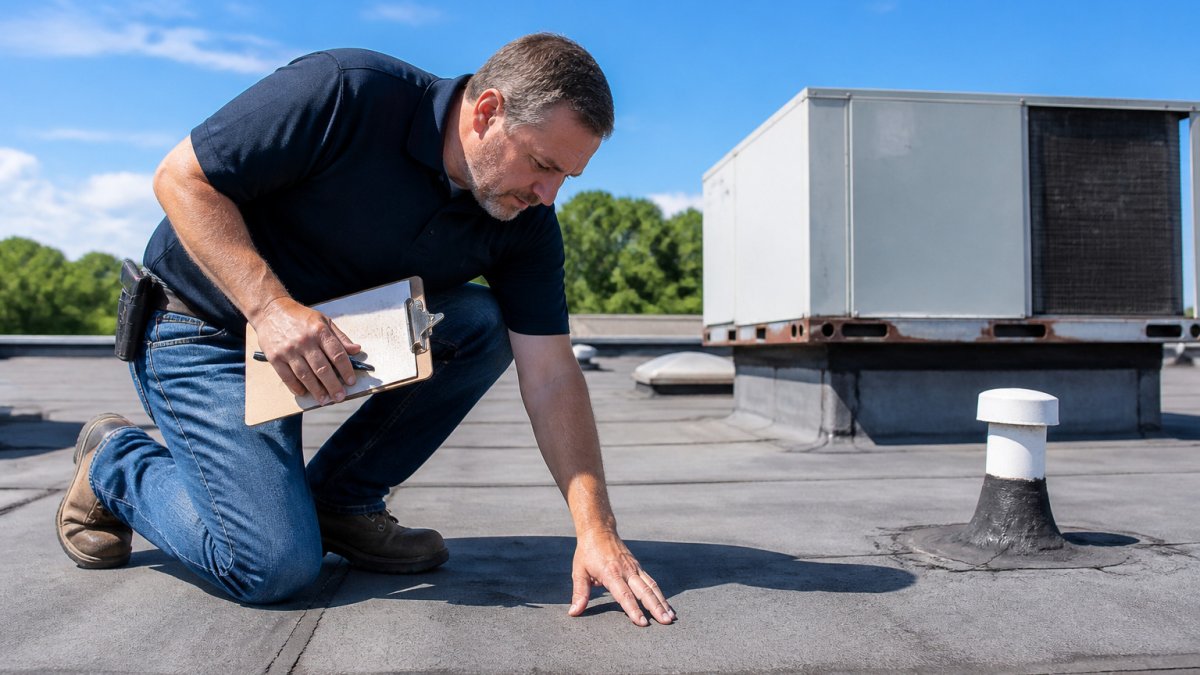
If you are weighing impact-resistant shingles, the next step is an inspection. Leitch Roofing serves homeowners and commercial property owners in West Tennessee and Decatur County with roofing repair and replacement.
To get started, request a free estimate or contact our team to book an inspection. We are glad to answer questions about cost, insurance documentation, and timing before you commit.
Frequently Asked Questions
How can you tell if your roof is impact resistant?
Check the shingle packaging and wrapper for an impact rating, typically labeled UL 2218 Class 3 or Class 4, and look for the same marking on the product spec sheet. If the roof is already installed, a roofing contractor can often identify the shingle line from the manufacturer's markings or from a sample. Records from the original installation, such as the permit or invoice, may also list the product. Verify the rating with the manufacturer before relying on it for an insurance claim.
Do impact-resistant shingles lower homeowners insurance premiums?
Some insurers offer a discount for roofs rated as impact resistant, but the discount is not guaranteed and varies by company and state. Ask your insurer whether it recognizes impact-resistant shingles and what documentation it requires, which often includes the product name, rating and proof of installation. Get the discount in writing before you pay for the roof, since insurers set their own eligibility rules.
Are Class 4 impact-resistant shingles worth the cost?
Class 4 is the highest rating under UL 2218, based on steel balls dropped onto the shingle from set heights. It indicates strong resistance to hail impact, but it does not mean the roof is hail-proof or that it will never need repairs. The upfront cost is usually higher than standard shingles, so the value depends on your hail exposure, how long you plan to stay in the home, and whether your insurer offers a credit.
Can impact-resistant shingles prevent all storm damage?
No. Impact-resistant shingles reduce the chance of cracking or granule loss from hail and flying debris, but they cannot stop damage from very large hail, falling trees, or wind that lifts the shingles at the edges. Flashing, vents, gutters and the decking underneath can still be damaged. Regular inspections after severe weather remain important.