 listicle
7 Benefits of Commercial Roof Preventative Maintenance Plans
Last Updated: November 1, 2026
Quick Summary
A preventative maintenance plans approach for a commercial roof schedules inspections, cleaning and minor repairs so small problems are caught before they turn into costly leaks and replacements. Regular upkeep catches issues early, makes costs predictable, and helps the roof reach the full service life.
- Preventative maintenance catches small leaks, loose flashing and clogged drains before water reaches insulation and structure.
- Most commercial roofs benefit from inspection at least twice a year, typically in spring and fall.
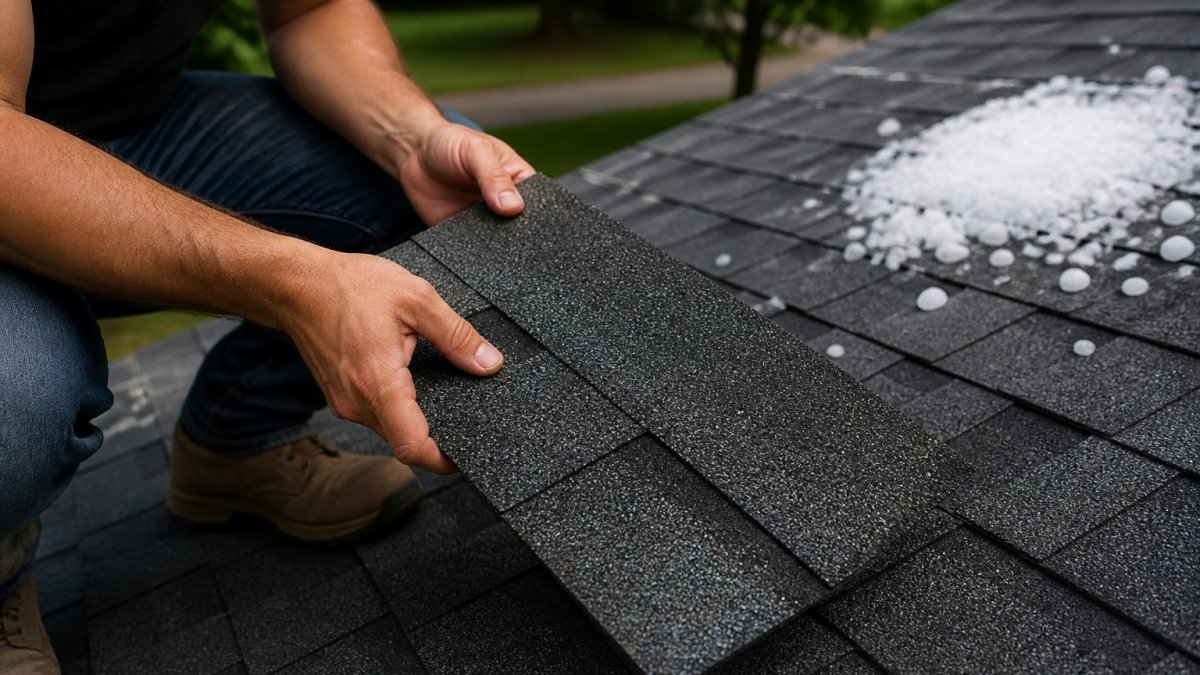
- Add inspections after severe storms, hail or heavy snowfall, since storm damage often shows up after the first heavy rain.
- Build your return-on-investment case from your own plan fee, routine repairs, emergency spend and replacement timing.
- Ask providers for a sample report and insist on dated photos, locations, severity ratings and prioritized recommendations.
Table of Contents
- What a Commercial Roof Preventative Maintenance Plan Includes
- Benefit 1 and 2: Early Detection of Leaks and Minor Damage
- Benefit 3 and 4: Extending Roof Lifespan and Avoiding Premature Replacement
- Commercial Roof Inspection Frequency: How Often Is Enough?
- Commercial Roof Maintenance Cost and the Return on Investment
- A Practical Commercial Roof Inspection Checklist and Measurable Indicators
- Choosing a Maintenance Provider and Scheduling Your First Inspection
- Frequently Asked Questions
Commercial roofs rarely fail overnight. Small leaks, loose flashing and clogged drains build up quietly, and by the time a building manager sees a water stain on a ceiling tile, the repair bill has usually grown.
Preventative maintenance means scheduled, planned work on a roof before a problem forces an emergency call. A plan typically combines routine inspections, minor repairs, drainage checks and written condition reports. Reactive maintenance, by contrast, waits for a failure. The difference matters for budgeting. A planned visit costs the same month to month, while an unplanned leak can cost several times more and disrupt operations.
What a Commercial Roof Preventative Maintenance Plan Includes
A maintenance plan is not a single visit. Most plans include recurring inspections, cleaning of debris and drains, sealing of small openings, and a written report that tracks the roof's condition over time. Plans differ in how often visits happen and how much repair work is included, so comparing what each provider actually covers is important before signing anything.
Plan scope and service levels compared
Ask each provider to put in writing what is included, how many visits per year, and how emergency calls are handled. You can check whether a provider serves your city on our Service Areas page, which lists the West Tennessee communities we cover. Pricing depends on roof size, roof type, building use and the level of service, so request a written quote from Leitch Roofing on our website or by contacting us rather than relying on general estimates.
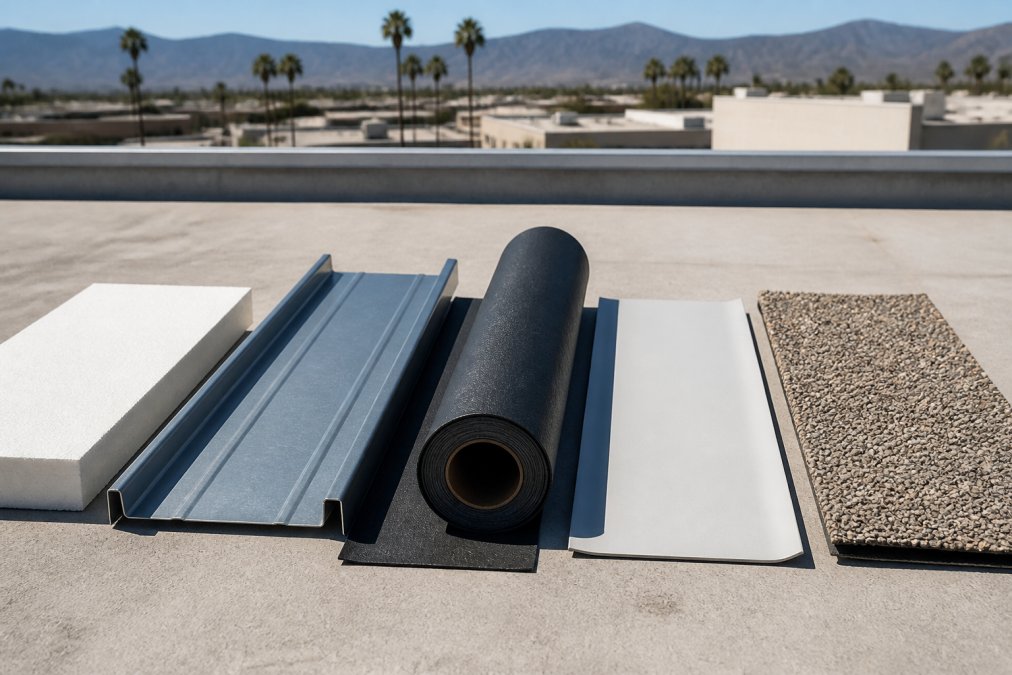
Roof-system-specific maintenance tasks
Maintenance is not the same for every roof, so a good plan matches tasks to the roof system actually installed on your building.
Benefit 1 and 2: Early Detection of Leaks and Minor Damage
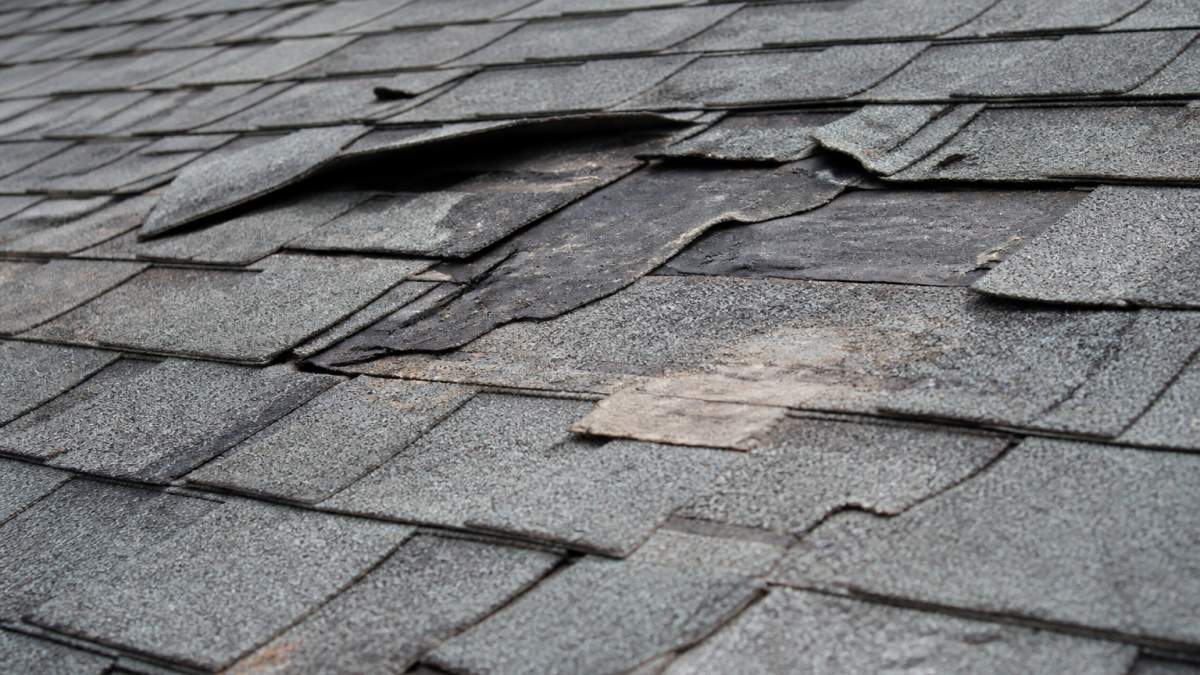
The first two benefits are closely linked. Regular inspections find small problems, such as a cracked seam, a lifted edge or a clogged scupper, before water gets into the insulation and structure below. Catching a problem at this stage usually means a simple repair rather than a section replacement.
Water inside a roof system is hard to see (Moisture detection in roofing by nondestructive Means -- A state of the art survey). Wet insulation can hold moisture for months, quietly reducing its thermal value and adding weight to the structure.
Early detection also protects the building's contents, since tenants, inventory and equipment are all at risk when water reaches an interior ceiling.
Benefit 3 and 4: Extending Roof Lifespan and Avoiding Premature Replacement
Every commercial roof has a service life, and maintenance is one of the main factors that determines whether it reaches the upper end of that range.
Premature replacement is expensive. A full roof replacement is among the largest capital expenses a building owner faces, and many owners who replace early could have extended the roof's life through modest, regular upkeep.
Maintenance records can also matter for warranties, so check the specific warranty terms on your roof before assuming a plan satisfies them.
Commercial Roof Inspection Frequency: How Often Is Enough?
Most commercial roofs benefit from inspection at least twice a year, typically in spring and fall, which covers the two seasons that stress roofing most. Additional checks after severe storms, hail or heavy snowfall are a good idea, because storm damage often shows up only after the first heavy rain.
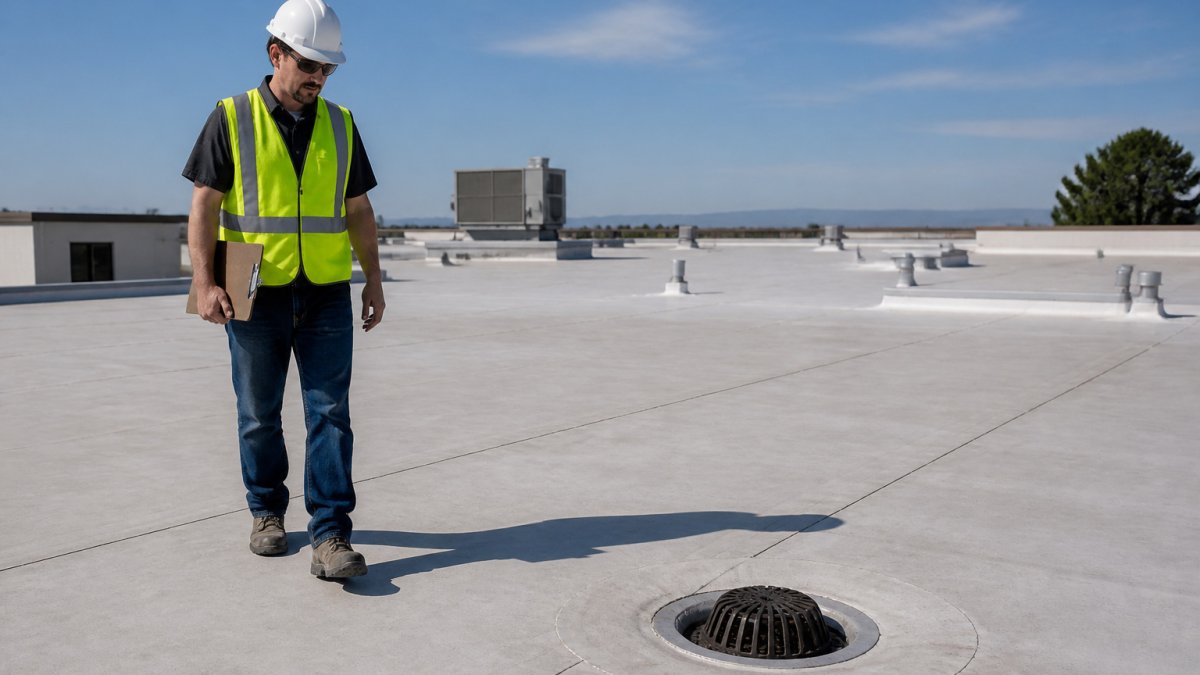
The right frequency depends on the roof's age, its material, the surrounding environment (trees, rooftop equipment and foot traffic all add wear) and how the building is used. A roof with a history of leaks may need more frequent visits than a newer roof in good condition.
Commercial Roof Maintenance Cost and the Return on Investment
Rather than accept a single number, build a simple return-on-investment model from four cost inputs you can actually collect:
- Plan fee, the quoted annual cost of the service level you are considering.
- Routine repair spend, what you have paid over the last two to three years for small, planned fixes (seam resealing, flashing repair, drain clearing).
- Emergency repair spend, after-hours callouts, water mitigation, interior damage and tenant accommodation costs from the same period.
- Replacement timing, the current age of the roof, its expected service life and the quoted cost to replace it.
A transparent sample calculation
Assume a hypothetical 20,000-square-foot membrane roof with a quoted replacement cost of $12 per square foot, or $240,000. Suppose the owner has averaged $6,000 per year in emergency leak repairs and interior damage over the last three years, and a full-service plan is quoted at $4,500 per year. If the plan prevents even one emergency event per year and defers replacement by two years, the avoided emergency spend alone ($6,000) exceeds the plan fee ($4,500), and the deferred capital outlay keeps $240,000 working in the business for two additional years.
The cost categories competitors leave out
The line-item comparison most owners miss is the fully loaded cost of a reactive repair. An emergency call typically carries after-hours labor premiums, expedited material charges, water mitigation and drying, interior finish repair, and lost tenant productivity. A planned repair on the same defect usually avoids every one of those add-ons. When you compare a plan fee against the loaded cost of the emergencies it prevents, the break-even point arrives sooner than a simple repair-versus-fee comparison suggests.
Budget predictability as a financial mechanism
A fixed maintenance line item converts a volatile, unbudgetable expense into a known monthly or annual cost. That predictability matters for capital planning: it lets you reserve replacement funds on a schedule instead of drawing on a line of credit after a failure. Track plan fee, routine repair spend, emergency spend and remaining service life side by side each year, the trend line, not any single year, is what justifies renewing the plan.
A Practical Commercial Roof Inspection Checklist and Measurable Indicators
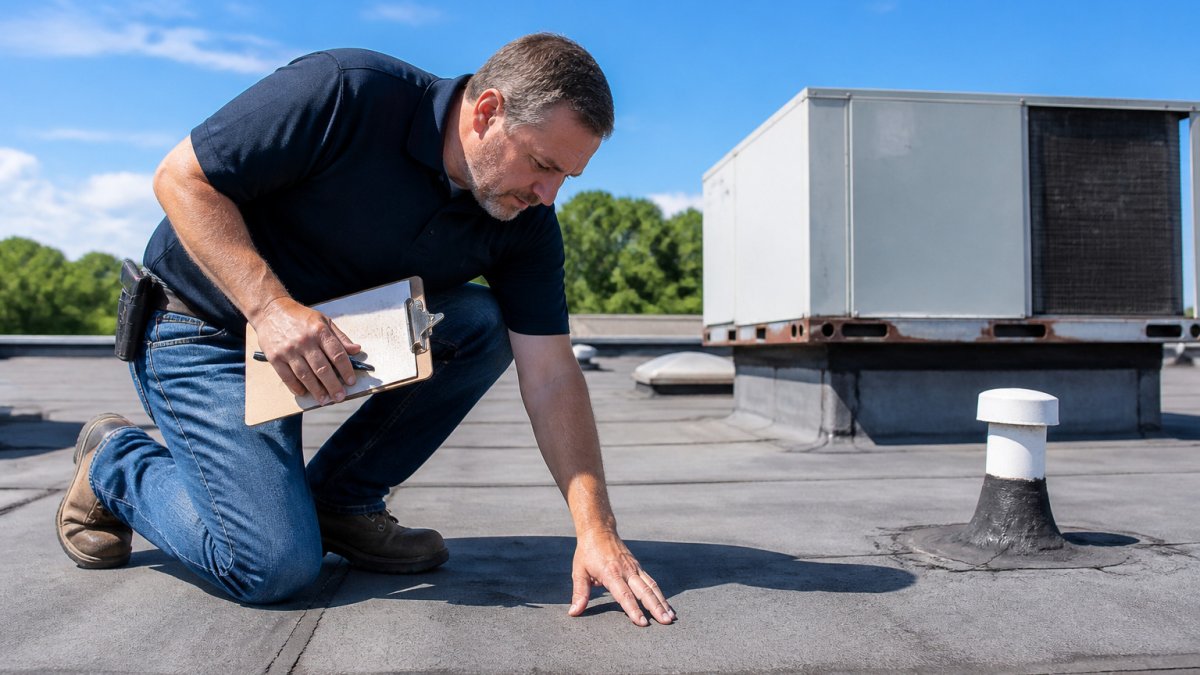
A useful inspection is more than a walk-around. Below is what a professional visit should cover, what the written report should contain, and which numbers to track so plan value becomes visible over time.
What a professional visit checks
- Membrane surface: blisters, splits, punctures, scuffs and areas of accelerated wear, especially around traffic paths and equipment.
- Seams and laps: lifting, separation, failed sealant and heat-related shrinkage at terminations.
- Flashing and terminations: wall, curb and penetration flashing; counterflashing; pitch pans; and edge metal for loose or corroded fasteners.
- Drainage: drains, scuppers, gutters and downspouts cleared of debris; standing water depth and how long it persists after rain.
- Rooftop equipment: mounts, curbs, walkway pads and sealed penetrations for HVAC, skylights and vents.
- Structural indicators: soft spots, deflection, ponding and evidence of moisture in the deck or insulation.
- Interior verification: ceiling stains, moisture readings and evidence of water tracking below the roof area.
What a useful report contains
Ask for a sample report before you sign. A report worth paying for typically includes dated photos of every defect, a location reference (grid, zone or unit number), a severity rating, a recommended action with a priority, and a clear distinction between work included in the plan and work quoted separately. Photo documentation matters for warranty claims and for showing a prospective buyer or lender that the roof has been maintained.
Measurable indicators to track
Define these measures up front and review them at each renewal:
- Defect closure time, days from identification to completed repair.
- Leak incidents per year, interior leak reports, not just roof-level findings.
- Repair spend split, planned versus emergency dollars.
- Open items carried forward, how many recommendations from the last visit remain unresolved.
- Ponding duration, hours standing water remains after rain.
- Remaining service life, the provider's estimate at each inspection, tracked over time.
A provider who reports against these measures makes the plan's value auditable rather than anecdotal. If the numbers trend the wrong way, rising emergency spend, lengthening closure times, shrinking remaining service life, that is your signal to revisit scope, frequency or the provider itself.
The article lists what a professional visit checks; the table below summarises those inspection areas and what each one catches.
| Inspection area | What to look for | Why it matters |
|---|---|---|
| Membrane surface | Blisters, splits, punctures, scuffs | Shows accelerated wear early |
| Seams and laps | Lifting, separation, failed sealant | Prevents water entry at joints |
| Flashing and terminations | Loose or corroded fasteners | Protects walls, curbs and penetrations |
| Drainage | Debris in drains, scuppers and gutters | Limits standing water |
| Rooftop equipment | Mounts, curbs, sealed penetrations | Keeps equipment connections watertight |
| Structural indicators | Soft spots, deflection, ponding | Flags moisture in deck or insulation |
| Interior verification | Ceiling stains, moisture readings | Confirms whether water has reached the building |
Choosing a Maintenance Provider and Scheduling Your First Inspection
When comparing providers, look for clear written scope, named roof systems they work on, a sample condition report, and a plain explanation of how emergency calls are handled.
Leitch Roofing provides commercial roofing services for West Tennessee businesses, including repairs and replacements. You can review the services we offer on our commercial roofing services page. To start, contact Leitch Roofing or request a free estimate for your building.
Scheduling your first inspection is the best way to learn your roof's current condition. A baseline report gives you something to measure against, and it turns maintenance from a guess into a plan.
Frequently Asked Questions
Why is a commercial roof maintenance plan important?
A maintenance plan schedules regular inspections and small repairs so problems are found while they are still inexpensive to fix. Without one, owners often wait for a leak to appear inside the building, by which point water may have damaged insulation, decking, ceiling finishes and stored inventory. A plan also creates maintenance records that help with warranty compliance and give building owners a clearer picture of the roof's condition over time.
How often should a commercial roof be inspected and maintained?
Most commercial roofs benefit from inspections at least twice a year, usually in spring and fall, so each season's weather impact is checked. Additional inspections after severe storms, heavy snow, or hail are also advisable. Maintenance tasks such as clearing debris from drains, checking flashings and resealing penetrations are typically performed alongside those scheduled inspections. The exact frequency depends on roof type, age, climate and surrounding trees or rooftop equipment.
How much does commercial roof maintenance cost?
Pricing depends on roof size, roof system, building access, the number of visits and the scope of the plan, so there is no single figure that applies to every property. Some maintenance providers quote plans on a per-square-foot basis, but costs can vary widely. For a current price for your building, contact Leitch Roofing for a free estimate and compare the scope of what is included, not just the monthly or annual figure.
Is a commercial roof maintenance plan worth the investment?
A plan is generally worth considering when it reduces the chance of emergency repairs, unplanned interior damage and premature replacement. The return depends on how much the building and its contents would cost if a leak went unnoticed, and on whether the plan includes timely repairs. Owners can estimate the value by comparing the plan's annual cost with the cost of one significant leak repair and any resulting damage.