 ultimate-guide
Roofing Inspection Cost in 2026: What to Expect
Table of Contents
- What Determines Roofing Inspection Cost in 2026
- What's Included in a Professional Roof Inspection
- How to Identify Storm Damage on Roof: A Homeowner's Guide
- Roof Inspection Checklist: What Pros Look For
- Average Roof Repair Cost 2026: What to Expect After Inspection
- Free Inspections vs. Paid: Insurance and Real Estate Scenarios
- How to Choose a Qualified Roofing Inspector
- Frequently Asked Questions
Last Updated: September 16, 2026
What Determines Roofing Inspection Cost in 2026
Roofing inspection cost in 2026 depends on three variables: the type of inspection, the size and pitch of your roof, and how easily an inspector can access it. Most homeowners pay a service call fee for a basic visual assessment, while specialty inspections using drones or infrared thermography cost more because they require licensed equipment and a higher level of training.
At Leitch Roofing, we quote inspections the same way we quote repairs: after we understand what you actually need. A maintenance check on a single-story ranch is a different job than a pre-purchase certification on a steep, three-story home with multiple chimneys.

Types of Inspections and Their Price Ranges
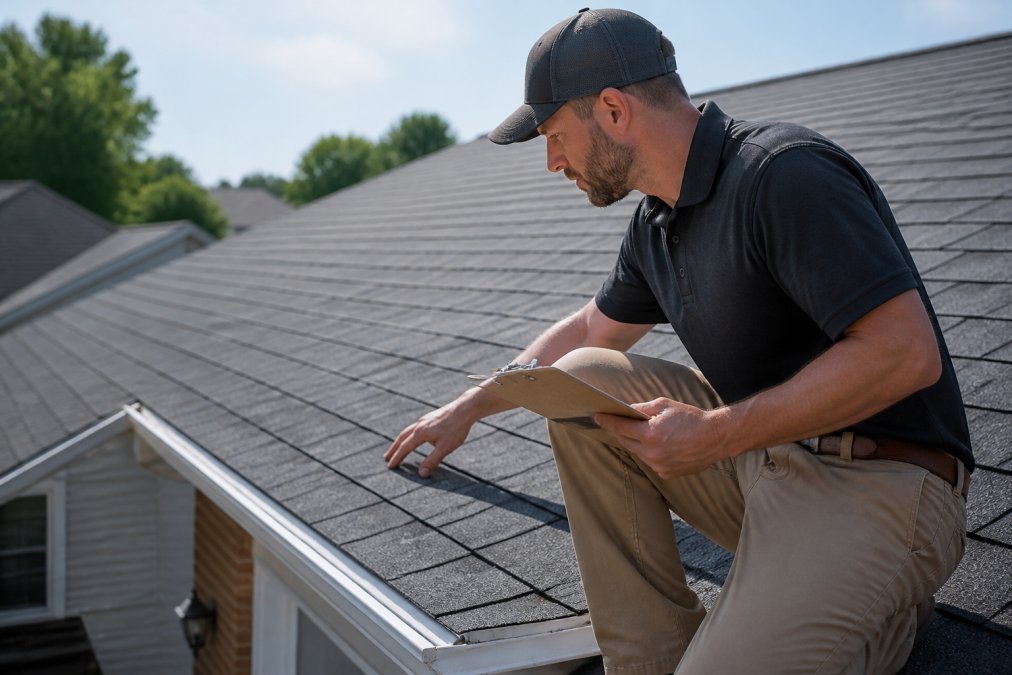
A visual inspection is the baseline. The inspector walks the roof, checks shingle condition, flashing, and the gutter system, then documents findings with photos. This is the least expensive option because it needs no special equipment beyond fall protection.
A drone survey costs more. It requires a licensed pilot, and it's the right call when the roof pitch is too steep to walk safely or when you need close-up imagery for an insurance claim.
Infrared thermography is the most specialized. It detects temperature differences that reveal trapped moisture and hidden leak detection issues under the underlayment. Expect to pay more because the equipment and the interpretation skill are both specialized.
Home Size, Roof Pitch, and Accessibility
Square footage and roof pitch drive labor time more than anything else. A steep roof requires harnesses, anchors, and slower movement. Accessibility matters too: a home surrounded by landscaping, solar panels, or a steep drop-off takes longer to inspect safely. Chimney inspection and skylight sealing checks add time on homes that have them.
What's Included in a Professional Roof Inspection
A professional roof inspection covers the full roof system, not just the shingles you can see from the driveway. A qualified inspector documents the roof surface, flashing, underlayment, attic ventilation, and the gutter system, then delivers a written maintenance report with photos.
Here's what a thorough inspection should include:
- Shingle condition: granule loss, cracking, curling, and missing tabs
- Flashing and seals: around chimneys, vents, and skylights
- Attic and ventilation: daylight through the decking, moisture staining, and airflow
- Gutter system: debris buildup and improper drainage
- Structural integrity: sagging decking or soft spots
If an inspector only glances at the roof from the ground and hands you a one-page summary, that's not a professional assessment. It's a sales visit.
Documentation and Report Samples
The maintenance report is the deliverable that matters most, especially for a real estate transaction or an insurance claim. A useful report includes dated photos, a description of each issue, and a clear recommendation: repair now, monitor, or replace.
Ask for a sample report before you book. A report that shows roof certification language, photo evidence, and a cost estimate for any recommended work tells you the inspector takes documentation seriously.
How to Identify Storm Damage on Roof: A Homeowner's Guide
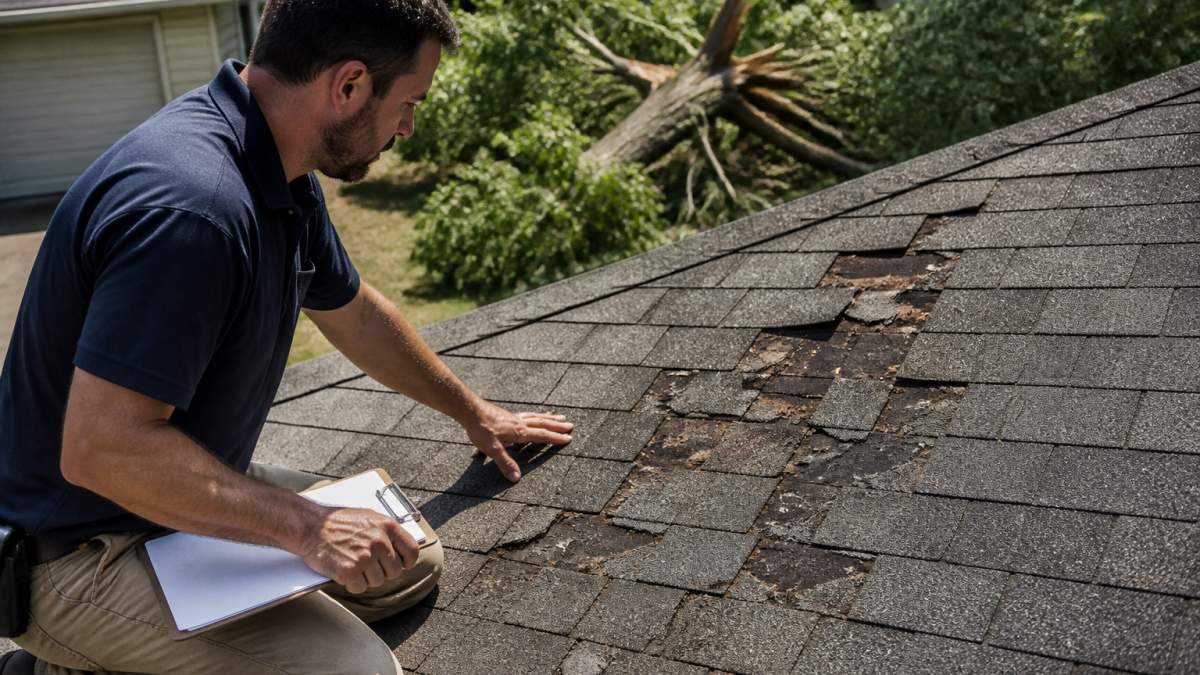
Learning how to identify storm damage on roof starts with three checks: look for missing or lifted shingles, inspect gutters for granules, and check the attic for new water stains. Hail and wind leave distinct signatures, and catching them early keeps a small repair from becoming a structural problem.
Walk your yard after a storm and note:
- Shingle tabs scattered in the grass
- Dented gutters, downspouts, or vent caps
- Granules collecting at downspout outlets
- Bruised or soft spots on shingles (hail impact)
Document everything with dated photos before you call anyone.
Post-Storm Inspection Protocols
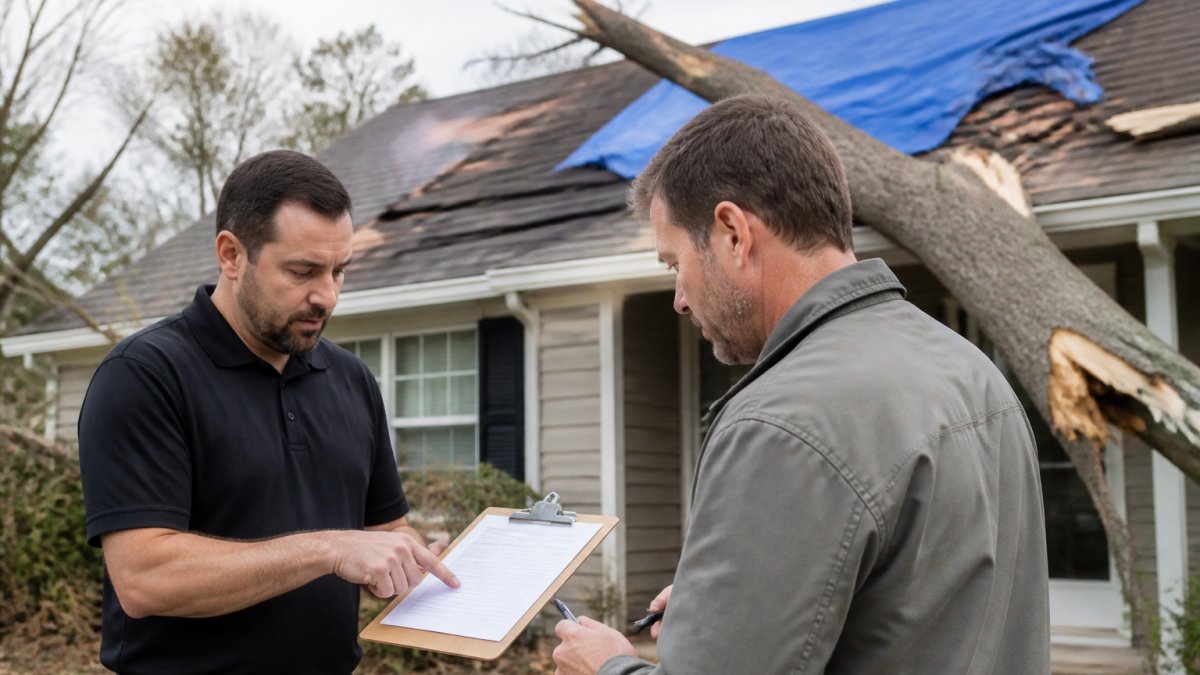
After a major storm, a professional damage assessment follows a set order: ground-level survey first, then attic inspection, then a roof-level check if it's safe to walk. Inspectors photograph each hit point and map it to a grid so the insurance adjuster can verify the claim.
Roof Inspection Checklist: What Pros Look For
A roof inspection checklist keeps the assessment consistent and makes the report easier to compare against a contractor's repair quote.
| Checkpoint | What the Inspector Looks For | Why It Matters |
|---|---|---|
| Shingle condition | Cracking, curling, granule loss | Signals remaining roof lifespan |
| Flashing | Rust, gaps, failed sealant | Leading cause of leaks |
| Attic ventilation | Blocked soffits, moisture staining | Prevents rot and heat damage |
| Gutter system | Debris, sagging, poor drainage | Protects fascia and foundation |
| Structural integrity | Soft decking, sagging lines | Flags urgent safety issues |
Average Roof Repair Cost 2026: What to Expect After Inspection
The average roof repair cost 2026 depends on the damage scope, the roofing materials involved, and whether the repair is covered by insurance. A handful of replaced shingles costs far less than decking replacement or chimney flashing rebuilds, so the inspection report is what determines your real number.
Most repairs fall into a few categories: patching isolated damage, replacing flashing, sealing penetrations, or restoring a section of shingles after a storm. Each has a different labor profile, and labor is usually the larger share of the bill.
Rather than quote a number over the phone, a reputable contractor prices the job from the inspection findings. That's how you avoid the classic problem of a low estimate that balloons once the crew is on the roof.
Free Inspections vs. Paid: Insurance and Real Estate Scenarios
Free inspections exist, but they usually come with a catch: the company offering the free look wants the repair work. That's not automatically bad, but it means the inspection isn't independent.
Paid inspections make more sense in two situations. First, an insurance claim, where you need documentation that stands on its own. Second, a real estate transaction, where a pre-purchase roof certification protects the buyer and satisfies the lender. In both cases, a report from a company with no stake in the repair carries more weight.
For insurance-specific requirements, check what your policy actually asks for. The National Association of Insurance Commissioners consumer resources explain how claim documentation and adjuster disputes typically work, and knowing the process helps when an adjuster calls storm damage "wear and tear."
How to Choose a Qualified Roofing Inspector
Choose an inspector with verifiable credentials, a documented process, and a written report you can keep. The strongest signal is certification: a HAAG-certified inspector has trained specifically in storm damage assessment, which matters when you're disputing an adjuster's findings.
Ask these questions before you book:
- Are you HAAG-certified or similarly credentialed?
- Will I receive a written report with dated photos?
- Do you perform repairs, or only inspections?
- How soon can you get out here?
- Do you assist with insurance claims?
The Federal Trade Commission guidance on home improvement scams is worth reading before you sign anything, especially if a contractor pressures you for a same-day decision.
Frequently Asked Questions
How much should I pay for a roof inspection?
Roof inspection cost varies based on roof size, pitch, accessibility, and inspection type. Basic visual inspections may be free or low-cost as part of a repair estimate, while drone surveys or infrared thermography typically cost more. For accurate pricing, request a quote from a local roofing contractor who can assess your specific roof.
Does a roof inspection cost more for commercial properties?
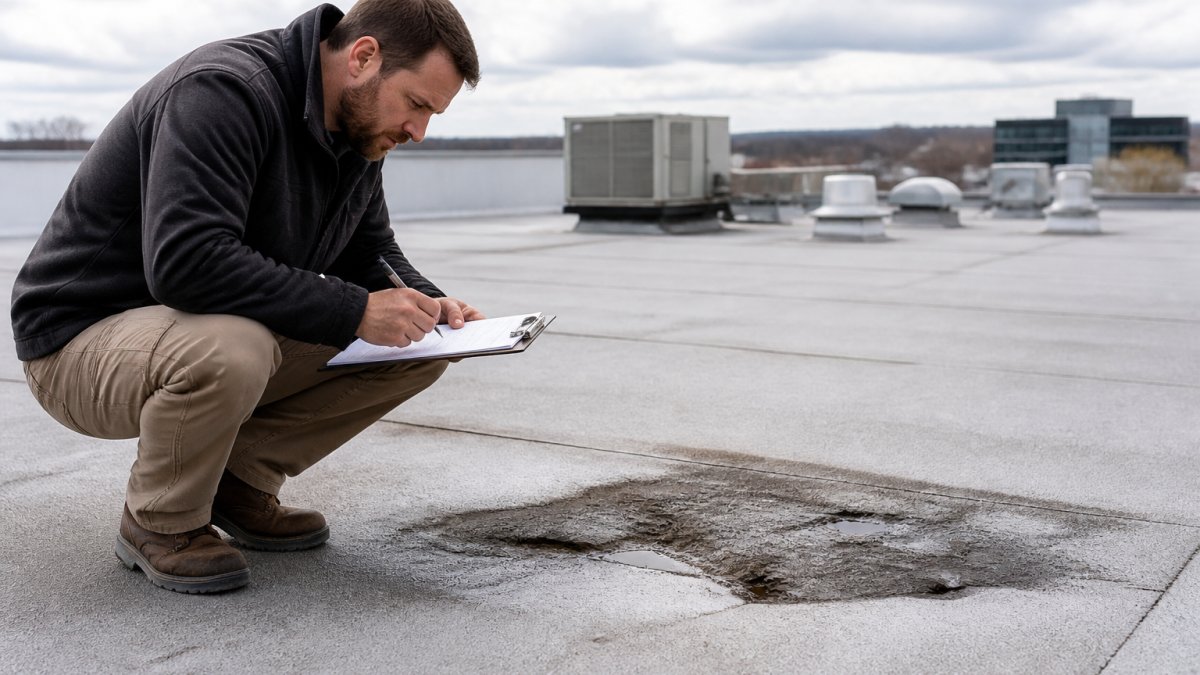
Yes, commercial roof inspections often cost more due to larger square footage, complex roof systems, and safety requirements. Commercial buildings may require specialized equipment and more detailed reports for maintenance planning or insurance purposes. A roofing contractor experienced with commercial properties can provide a tailored estimate.
What factors influence the total cost of a roof inspection?
Key factors include roof size, pitch, number of stories, accessibility, and the type of inspection (visual, drone, infrared). Additional services like chimney inspection or skylight sealing may add cost. Location and local labor rates also play a role. Always ask for a detailed breakdown before scheduling.
Are there free roof inspection options available?
Many roofing contractors offer free inspections as part of a repair or replacement estimate. However, these may be less comprehensive than paid inspections, especially for real estate transactions or insurance claims. For a thorough assessment with a written report, expect to pay a fee that reflects the inspector's time and expertise.
Roof problems rarely announce themselves until water is already inside. Leitch Roofing provides professional repair and replacement services for residential and commercial properties, uses quality materials and skilled crews, and offers specialized insurance claim assistance to simplify a process most homeowners find frustrating. We'll give you a free estimate and a straight answer about what your roof actually needs. Get started with Leitch Roofing and get a free estimate today.