 blog
Roofclaim vs Elevated Roofing: How to Compare Roof Estimates
Table of Contents
- Roofclaim vs Elevated Roofing: How to Compare Roof Estimates
- Why the Lowest Bid Often Costs the Most
- How to Compare Roof Estimates Like a Pro
- Roof Insurance Claim Process Steps You Should Know
- Residential Roof Replacement Cost Guide: What Drives the Price
- Contractor Credentials: Licensing, Insurance, and Workmanship Warranty
- The Vetting Framework: 5 Questions to Ask Before You Sign
- Get a Free Estimate and a Straight Answer
- Frequently Asked Questions
Last Updated: September 8, 2026
Roofclaim vs Elevated Roofing: How to Compare Roof Estimates
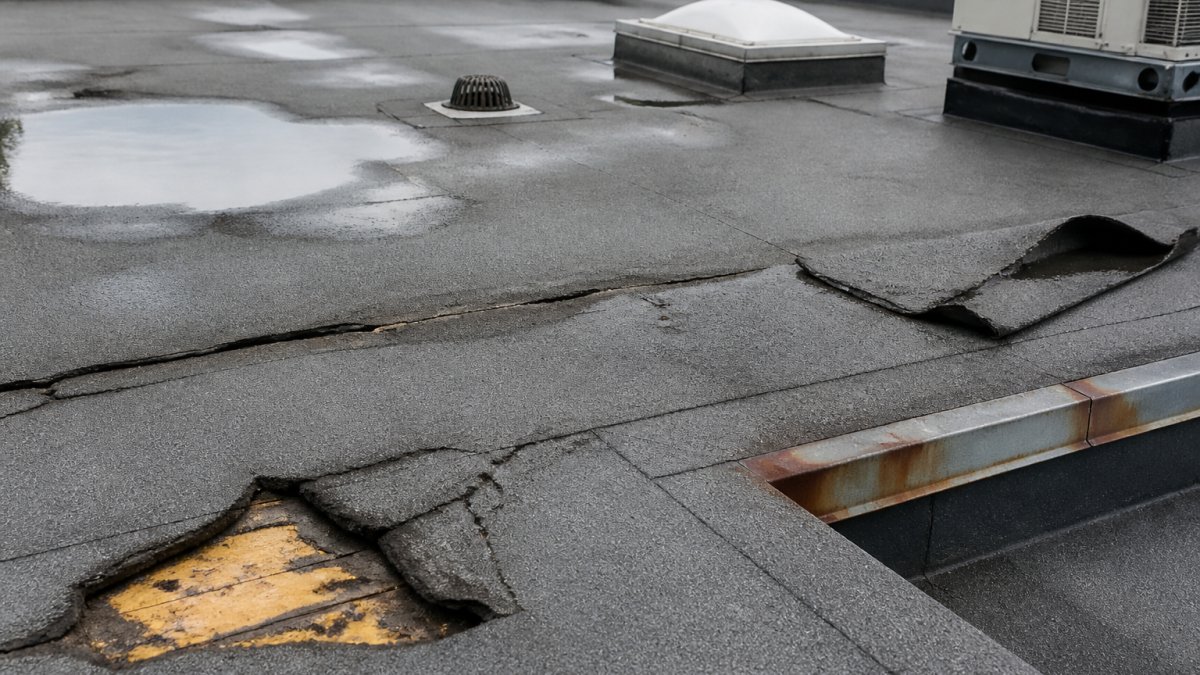
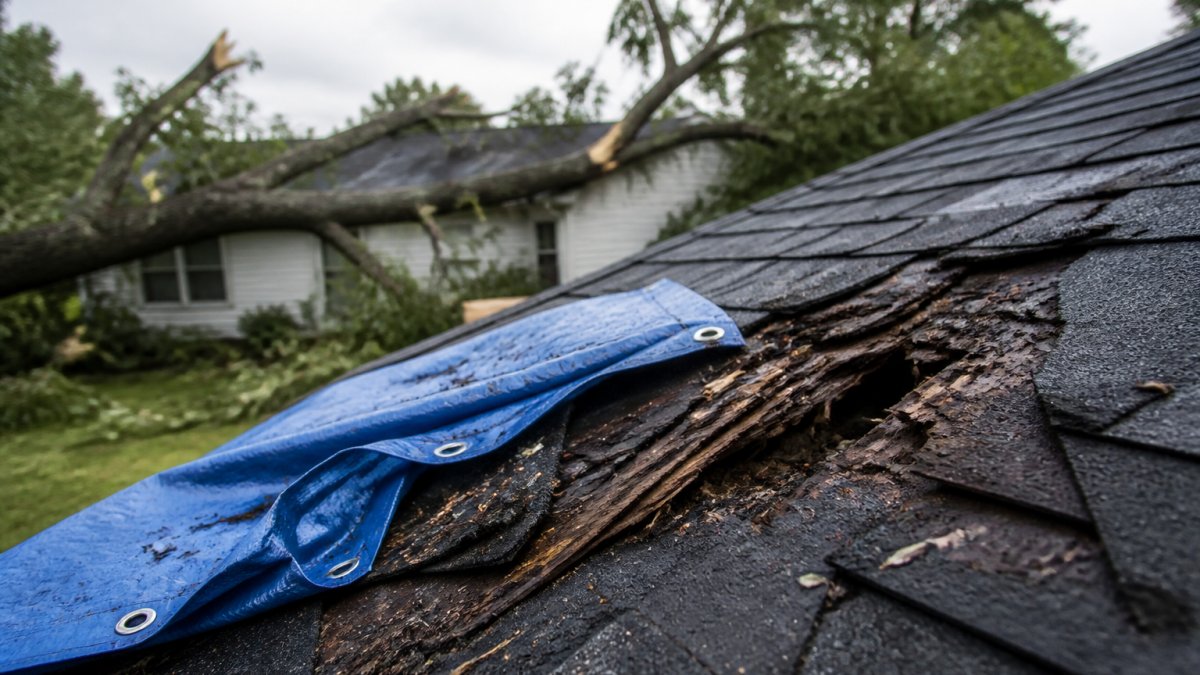
When storm damage sends you hunting for a new roof, you will likely collect bids from several contractors, and the differences between them can be confusing. Learning how to compare roof estimates properly is the difference between a 20-year roof and a decade of constant repairs. We have seen homeowners sign contracts based on price alone, only to discover the estimate omitted critical components like new underlayment or proper ventilation.
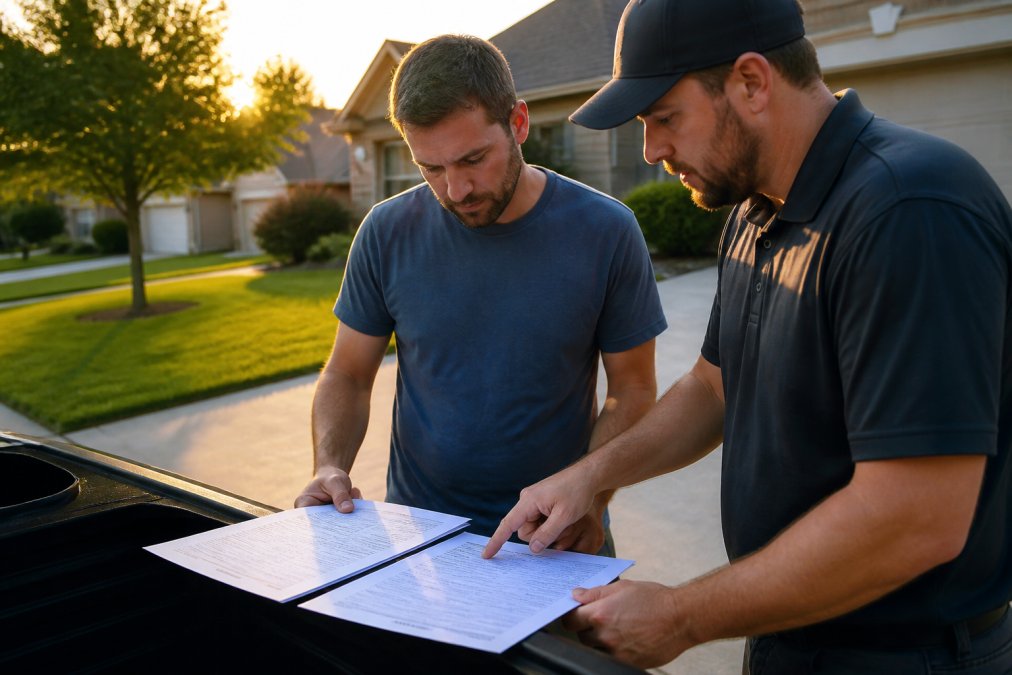
The roof replacement cost is often the deciding factor, but the cheapest number on paper rarely stays the cheapest after the work begins. Below, we break down exactly what to look for, what questions to ask, and how to ensure you are comparing identical scopes of work.
Why the Lowest Bid Often Costs the Most
The lowest bid wins the job, but it often loses the homeowner money within the first few years. Many contractors submit lean estimates that exclude critical line items, counting on change orders later to recover their margin.
Roofing estimates can vary wildly for the same house, and the gap usually comes down to project scope rather than greed (the FTC). One contractor might include new pipe boots, ice and water shield, and proper deck inspection, while another assumes the existing deck is sound without ever climbing into the attic. When you compare roof estimates, verify that each bid covers the same materials, disposal costs, and warranty terms.
How to Compare Roof Estimates Like a Pro
Comparing roofing quotes requires a line-by-line review, not just a glance at the bottom-line total. Start by confirming that each estimate names the specific shingle brand and product line, since architectural shingles vary in quality and wind rating. Check whether the bid includes new synthetic underlayment, ice and water shield in the valleys and eaves, and replacement of all flashing, pipe boots, and vent collars.
- Confirm the project timeline and crew size in writing
- Verify that tear-off and debris disposal costs are itemized
- Check for ventilation upgrades, ridge vents, and intake baffles
- Ask whether the estimate includes a full deck inspection and any necessary deck repairs
A professional contractor will welcome these questions and provide clear answers. Vague line items like "miscellaneous materials" or "roofing supplies" should raise a red flag, as should pressure to sign before you have reviewed the full document.
Roof Insurance Claim Process Steps You Should Know
Filing a roof insurance claim can feel overwhelming, but understanding the process keeps you in control. The first step is documenting the damage thoroughly with photos from the ground and, if safe, from a ladder. Next, contact your insurance company to file a claim and schedule an adjuster visit, and ask whether they require a roofing contractor to be present during the inspection.
The adjuster assesses the damage and determines what the policy covers, which often leads to disagreements about storm damage versus normal wear and tear. Many homeowners accept the first settlement offer without realizing they can request a reinspection or provide additional evidence. A contractor experienced with the claims process can advocate on your behalf, documenting hail impacts and wind damage in a way that satisfies the adjuster. According to the National Association of Insurance Commissioners' guide on property claims, policyholders should read their policy carefully and ask their insurer to explain any denial in writing.
The Hidden Variable: How Your Contractor's Business Model Affects Your Claim
The way a roofing company is structured directly influences how aggressively and effectively they will fight for your claim's full value.
National Aggregators and the Call-Center Model
A national aggregator typically operates with a centralized call center and a network of subcontractors. When you file a claim, your initial point of contact is often a sales representative whose primary metric is closing a contract, not maximizing your insurance settlement.
- Supplement Handling: When the adjuster's initial estimate comes in low, which happens frequently, the aggregator's local subcontractor may be less incentivized to file a supplement. Supplements are additional requests for payment to cover damage the adjuster missed, such as a second layer of shingles, decking replacement, or upgraded underlayment required by local building codes. A subcontractor paid a flat rate per roof may see a supplement as extra work without extra pay, so they might skip it to move to the next job.
- Claim Advocacy: Your advocate is often a project manager who juggles dozens of jobs across a wide region. They may not have a deep, personal relationship with the local adjusters who handle claims in your specific county. This can lead to a more adversarial and slower negotiation process.
Local Contractors and the Direct-Advocacy Model
A local contractor, on the other hand, has a reputation to protect in a specific community. Their business depends on referrals and their standing with local insurance carriers.
- Supplement Handling: A local contractor's profit margin is often tied to the final scope of work. They are more likely to have a dedicated claims specialist on staff whose sole job is to document every missing line item and file a comprehensive supplement. They know that a properly supplemented claim is the difference between a break-even job and a profitable one, and they have the local knowledge to know what adjusters in your area typically miss.
- Claim Advocacy: The local contractor's claims specialist often knows the adjusters by name and has a history of working with them. This doesn't mean they get special favors, but it means they speak the same language. They can present evidence, like photos of hail strikes on a specific roof slope or documentation of wind-lifted shingles, in a format the adjuster is used to seeing, which speeds up approval.
This distinction is not about good versus bad companies. It is about understanding the mechanics of each business model. A national aggregator might have more resources to fight a denial, but a local contractor is often more nimble and more motivated to secure a full supplement.
Residential Roof Replacement Cost Guide: What Drives the Price
A residential roof replacement cost depends on several factors, and understanding them helps you evaluate whether an estimate is fair. The size and pitch of your roof drive the material and labor calculations, with steeper pitches requiring more safety equipment and time. The choice of shingle grade creates the widest price gap between bids.
Labor costs in your region, the complexity of valleys and chimneys, and the number of penetrations like skylights and vents all add to the final number. Underlayment quality, ice and water shield coverage, and upgraded ventilation systems increase the price but extend the roof's lifespan.
Contractor Credentials: Licensing, Insurance, and Workmanship Warranty
Verifying contractor credentials protects you from liability and shoddy workmanship. A licensed contractor has met state requirements for knowledge and financial responsibility, while a general liability policy covers damage to your property during the project. Workers' compensation insurance is equally critical, because it protects you from being sued if a worker is injured on your roof.
The workmanship warranty is the contractor's promise to fix installation errors, and it matters as much as the manufacturer's shingle warranty. Many contractors offer a one-year workmanship warranty. When you compare roof estimates, ask each contractor to explain their warranty in writing and confirm what it covers, such as leaks caused by improper flashing or nail placement. The Federal Trade Commission's guidance on hiring home improvement contractors recommends getting multiple written bids and checking references before signing a contract.
The Warranty Trap: Who Actually Backs Your Roof in Year 10?
The most overlooked difference between a national aggregator and a local contractor is not the length of the workmanship warranty, it is the entity that stands behind it.
The Aggregator's Warranty: A Promise from a Middleman
When you hire a national aggregator, the workmanship warranty is often issued by the aggregator itself, not the subcontractor who actually installs your roof.
- The Subcontractor is the Installer: The crew that nails your shingles is a separate business. If they go out of business or are dropped from the aggregator's network, their liability ends. Your warranty is then with the aggregator, who must find another subcontractor to fix the original crew's mistakes.
- The Dispute Process: If a leak appears in year three, you call the aggregator's call center. They dispatch a different subcontractor to diagnose the issue. That subcontractor has no financial incentive to find fault with the previous crew's work, they are only paid for the repair, not for a forensic analysis. This can lead to a frustrating loop where the aggregator blames the manufacturer, the manufacturer blames the installer, and you are left with a leak.
- The Fine Print: Many aggregator warranties are "non-transferable" and require annual inspections by an approved vendor to remain valid. If you miss an inspection, your warranty is void. This is a common pattern in the industry, and it shifts the burden of proof onto the homeowner.
The Local Contractor's Warranty: A Promise from the Installer
A local contractor's workmanship warranty is typically backed by the same entity that installed the roof. This creates a direct line of accountability:
- The Installer is the Warrantor: The company that signed the contract is the company that must fix the problem. There is no middleman to blame. If they want to stay in business in your community, they have to honor their warranty.
- The Dispute Process: You call the same number you called for the estimate. The owner or a senior project manager, who likely knows your roof because they bid on it, comes out to look. They have a direct financial interest in resolving the issue quickly because a bad review or a complaint to the state licensing board can cost them future business.
- The Manufacturer's Warranty Connection: A local contractor who is a certified installer for a major manufacturer like GAF or Owens Corning can offer a system warranty that covers both materials and workmanship. This is a single, comprehensive warranty backed by a multi-billion-dollar manufacturer. Aggregators can also offer these, but the certification is tied to the installer, not the aggregator. If the aggregator sends a non-certified crew, the manufacturer warranty is void.
This is not to say that all national aggregators are bad actors. But the structure of their business model creates a separation between the seller and the installer that can complicate warranty claims years down the road. A local contractor has no such separation.
The Vetting Framework: 5 Questions to Ask Before You Sign
Before you commit to any contractor, use this vetting framework to separate professionals from salespeople.
- Can you provide proof of licensing, general liability insurance, and workers' compensation?
- Will you itemize the estimate so I can see material brands, labor costs, and disposal fees separately?
- What does your workmanship warranty cover, and is it transferable if I sell my home?
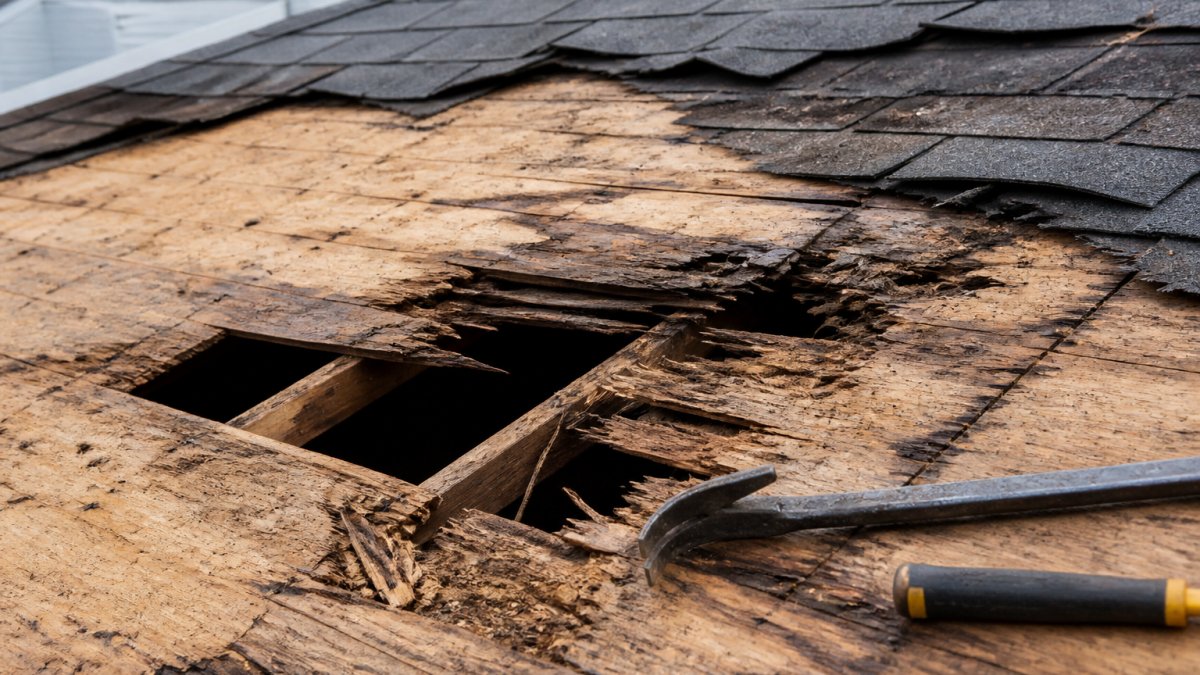
- How do you handle unexpected deck rot or structural issues discovered during tear-off?
- Will you walk me through the insurance claim process and communicate with the adjuster directly?
Contractors who hesitate or deflect on these questions are signaling that they lack the credentials or experience to handle your project properly. A reputable company will provide certificates of insurance, explain their warranty terms clearly, and put everything in writing before work begins.
Get a Free Estimate and a Straight Answer
Choosing between roofing contractors comes down to trust, transparency, and a willingness to stand behind the work. The company that offers the clearest estimate, the strongest workmanship warranty, and the most honest communication about the claims process is usually the right choice. Leitch Roofing provides professional repair and replacement services for both residential and commercial properties, using quality materials and skilled crews to deliver durable results.
Contact Leitch Roofing today to get a free estimate and a straight answer about your roof. We will walk you through the condition of your roof, explain your options clearly, and help you compare roof estimates so you can make an informed decision. Get started with Leitch Roofing and protect your home with a roof built to last.
Frequently Asked Questions
What should I look for when comparing roofing company estimates?
Compare the project scope line by line, not just the bottom line. Check that each estimate specifies the same roofing materials, underlayment, flashing, and ventilation. Verify the workmanship warranty terms and confirm the contractor's licensing and insurance. A lower bid that omits critical components like new flashing or proper deck preparation will cost more later. Ask each company to explain any line item that differs from the others.
How does insurance claim assistance work with professional roofers?
A roofer with insurance claim expertise documents the storm damage, prepares a detailed scope of work, and meets with the adjuster on site. This helps ensure the claim covers the full replacement, not just a repair. The contractor should explain the claims process steps upfront, including timelines and what the insurance company pays versus your deductible. Ask whether they will advocate for you if the adjuster initially denies or undervalues the claim.
Is it better to hire a national roofing network or a local contractor?
A local contractor is accountable to your community and responds faster when problems appear after the job. National networks often subcontract the work, so the crew on your roof may not be directly employed by the company you signed with. Verify who actually performs the installation, who backs the workmanship warranty, and whether the company has a local office you can visit if an issue arises.
What are the signs that I need a full roof replacement versus a repair?
Full replacement is usually needed when shingles are curling or buckling, granules are collecting in gutters, or the roof is nearing the end of its material lifespan. Missing or broken shingles in one small area may only need a repair. A professional inspection determines whether storm damage compromised the underlayment or decking. If the damage is widespread or the roof has been patched before, replacement is often more cost-effective than repeated repairs.