 blog
6 Common Commercial Roof Problems to Watch For
Table of Contents
- Why Commercial Roof Problems Matter
- 1. Roof Leaks and Water Intrusion
- 2. Ponding Water and Poor Drainage
- 3. Flashing Failure and Roof Penetration Damage
- 4. Membrane Damage: Punctures, Tears, and Blistering
- Commercial Roof Storm Damage Signs to Recognize
- Creating a Commercial Roof Inspection Checklist
- Developing a Commercial Roof Maintenance Plan
- Frequently Asked Questions
Last Updated: October 20, 2026
Why Commercial Roof Problems Matter
A leaking commercial roof can cost thousands in water damage, mold remediation, and business interruption, and most facility managers don't spot it until damage shows inside the building.
By then, structural damage compounds, insurance claims get complicated, and repair costs skyrocket.
Catching an issue early can prevent a minor repair from escalating into a major replacement.
This guide covers the most common commercial roof problems we see, what causes them, and how to spot them early.
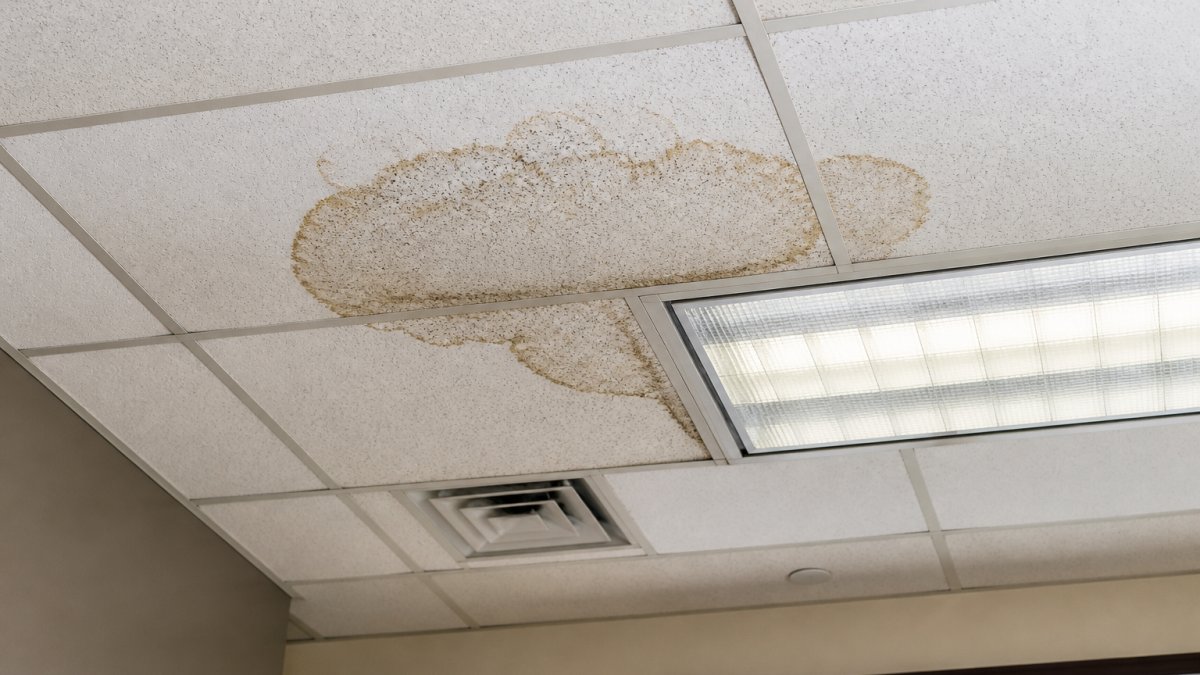
1. Roof Leaks and Water Intrusion
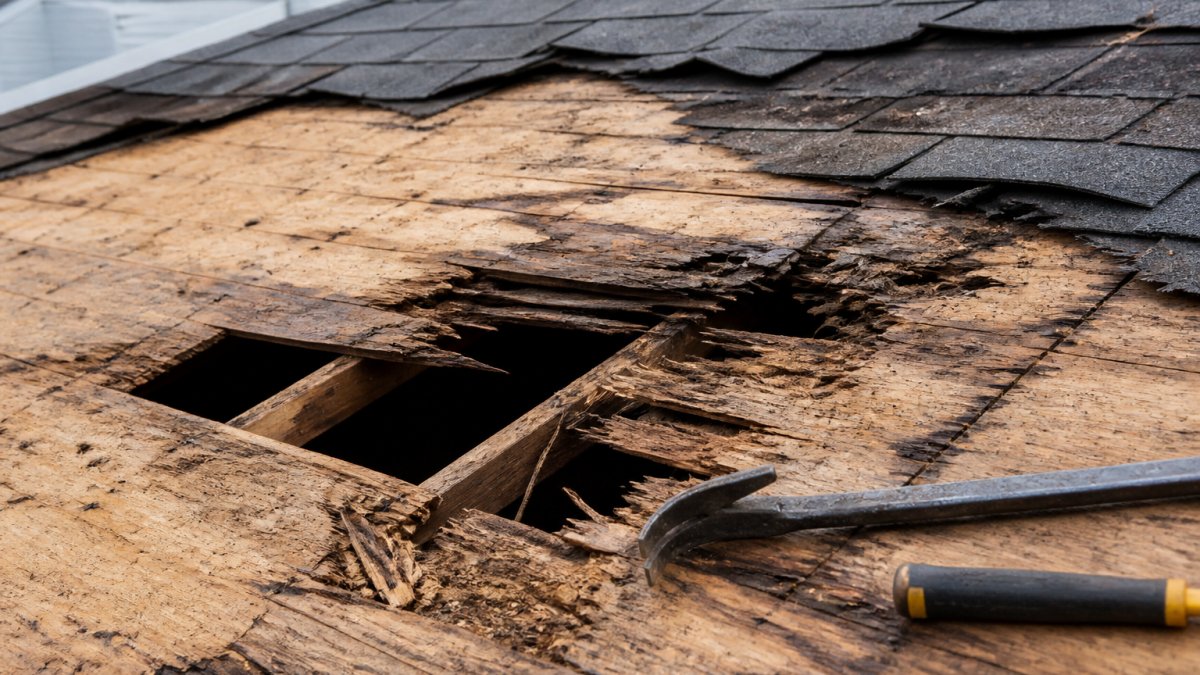
A roof leak is the most obvious sign that something is wrong.
Water intrusion starts small, a membrane crack, a flashing gap, a missing seal around a pipe penetration, then spreads across the roof deck and drips through to the interior.
The damage compounds:
- Wet insulation loses its effectiveness
- Metal decking begins to rust
- Wood framing rots
What to look for:
- Water stains on ceiling tiles or walls
- Discoloration in attic spaces
- Soft spots in drywall
A roof leak needs professional inspection within days, not weeks, because water damage accelerates once it starts.
2. Ponding Water and Poor Drainage
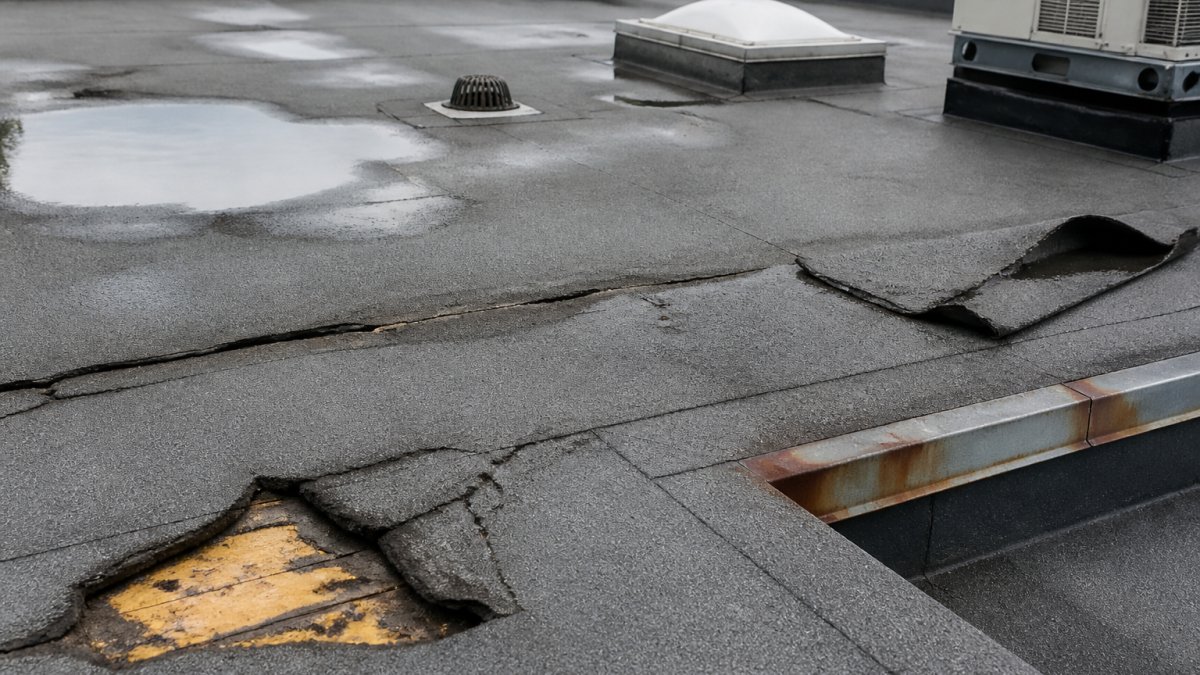
Standing water on a flat commercial roof is one of the most common problems we encounter. It looks minor but is a major red flag.
Flat roofs are designed to drain. When water pools, the drainage system isn't working, and ponding adds weight to the structure, accelerates membrane deterioration, and breeds algae and mold.
Poor drainage usually stems from one of these causes:
- Clogged roof drains or gutters
- Sagging roof sections that create low spots
- Debris blocking water flow
How to spot ponding water:
- Standing water visible from ground level or drone inspection
- Water that doesn't drain within 48 hours of rain
- Algae or mold growth on roof surface
The fix depends on the cause, clearing gutters and drains, adjusting the roof structure, or upgrading drainage. A professional roof inspection identifies exactly what's causing it.
3. Flashing Failure and Roof Penetration Damage
Flashing is the metal trim that seals gaps where the roof meets walls, pipes, vents, and other structures.
Flashing fails when:
- Seals dry out and crack
- Metal corrodes or rusts
- Installation was poor from the start
When flashing fails, water travels along the gap rather than leaking through one spot, potentially affecting large areas of the roof and interior.
Common penetration problems:
- HVAC units and their ductwork
- Plumbing vents
- Electrical conduits
Warning signs of flashing failure:
- Visible gaps or separation between flashing and roof
- Rust stains on the roof surface
- Caulk that's cracked, dried out, or missing
This is where professional inspection pays off: small flashing issues are easy to fix, but once water travels behind the flashing, damage spreads fast.
4. Membrane Damage: Punctures, Tears, and Blistering
The roof membrane is the waterproof layer protecting everything beneath it. Commercial roofs typically use EPDM rubber, TPO, or PVC membranes (Making the cut - what is the best roof membrane and why).
Punctures and tears happen from:
- Foot traffic during maintenance
- Dropped tools or equipment
- Branches or debris from storms
Blistering occurs when moisture trapped between the membrane and insulation is heated by the sun, creating a bubble that eventually cracks and lets water in.
What to look for:
- Visible punctures or tears in the membrane
- Blisters or bubbles on the roof surface
- Cracks radiating from damaged areas
Small punctures can be patched, but widespread blistering or multiple tears usually means the membrane is failing and replacement is the better option, depending on damage extent and roof age.
Commercial Roof Storm Damage Signs to Recognize
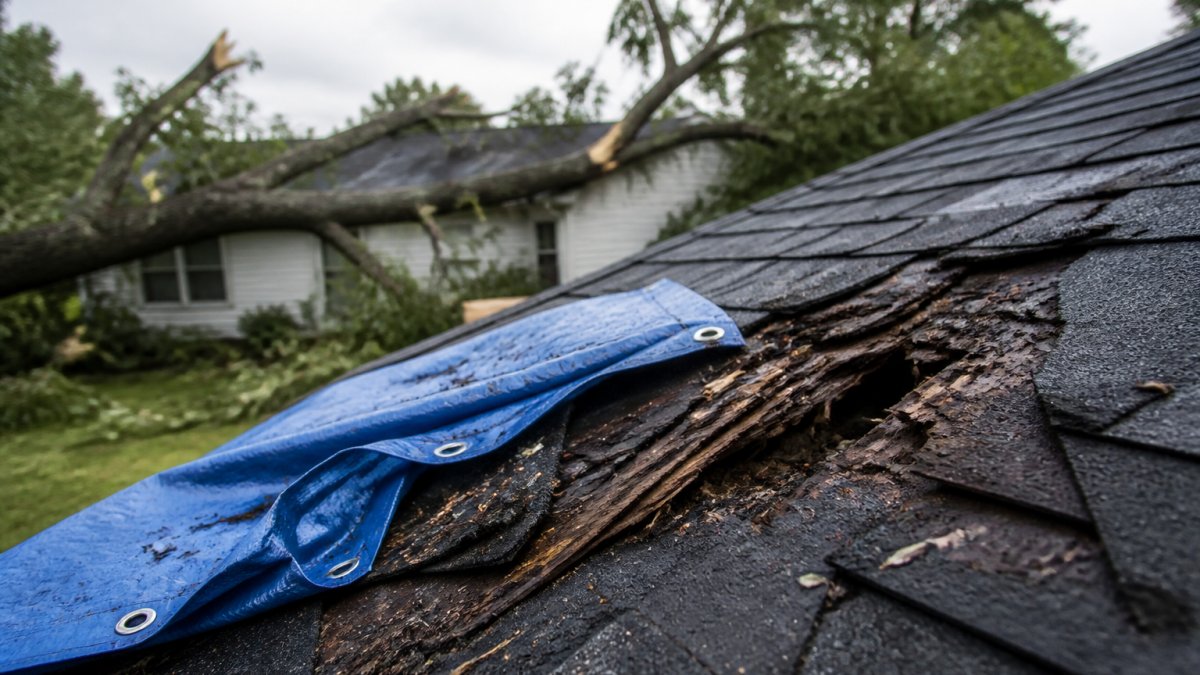
Storms stress commercial roofs in ways routine wear does not, and damage often hides in seams, edges, and penetrations rather than obvious holes. Wind, hail, and heavy rain each attack different parts of the assembly, so inspections should follow the storm type.
Wind damage signs:
- Membrane lifted, tented, or peeled back at edges and corners
- Loose, backed-out, or missing fasteners along perimeter and termination bars
- New wrinkles or ridges that run parallel to the wind direction
Hail damage indicators:
- Dimples, dents, or circular bruises in the membrane, especially on the windward side
- Cracks radiating from impact points
- Granule loss or surface erosion on granule-surfaced membranes
Heavy rain damage:
- Water pooling in new locations or backing up at drains
- Leaks appearing within hours of rain, which usually points to an active entry path
- Gutters and scuppers overflowing despite being clear
Match the inspection to the roofing system
Storm damage looks different across commercial roof types, so the checklist should reflect what is actually installed:
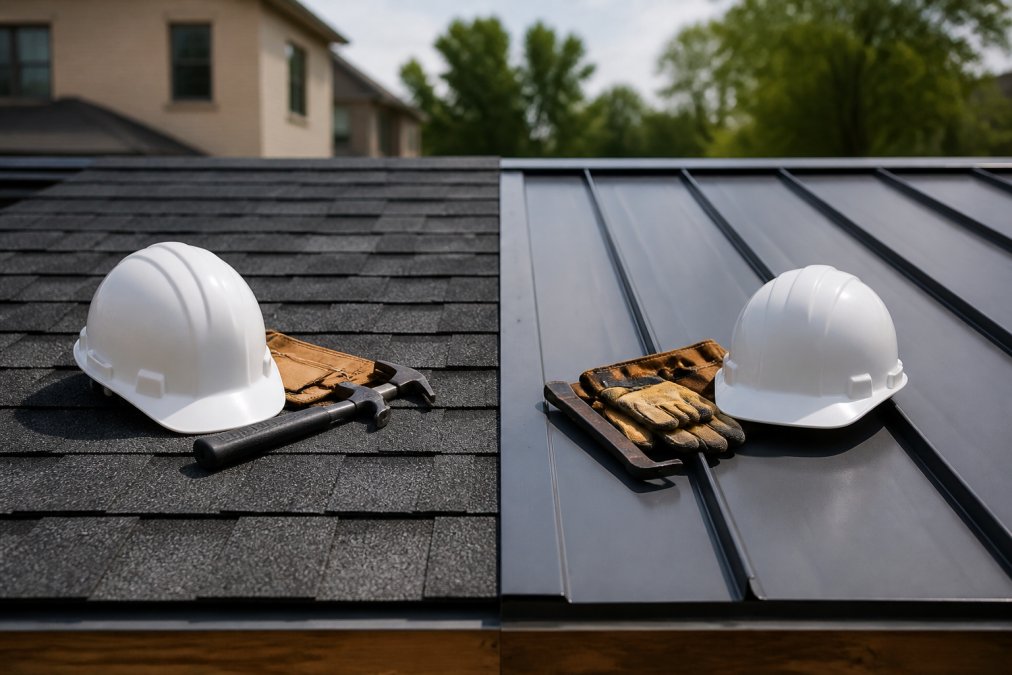
- Single-ply membranes (EPDM, TPO, PVC): focus on seam separation, punctures, membrane shrinkage at edges, and lifted terminations. Wind often opens seams before it tears the field of the membrane.
- Built-up roofing (BUR) and modified bitumen: look for surfacing loss, blisters, alligator cracking, and open laps. Hail tends to bruise these surfaces in ways that are easy to miss from the ground.
- Metal roofs: check for dented panels, loosened or missing fasteners, backed-out screws at endlaps, bent ridge caps, and sealant failure at penetrations. Wind can lift panels at the eave before any interior leak appears.
Urgency tiers after a storm
Not every storm finding requires the same response:
- Immediate professional attention: active leaks, membrane peeled back at edges, displaced flashing, standing water that does not drain, or any sign of structural movement. These can worsen with the next rain and should be documented and addressed right away.
- Schedule within days: punctures, seam separation, dented or displaced metal, and granule loss that exposes the membrane. These are stable in dry weather but will fail under the next storm.
- Monitor and document: minor scuffs, isolated dents without cracking, and cosmetic surfacing wear. Photograph, log, and recheck at the next inspection.
Storm damage often looks minor on the surface but can compromise the roof's integrity significantly. After any severe weather event, have a professional inspection done. Insurance carriers commonly ask for dated photos, a written damage assessment, and a record of the storm event, so document conditions before any temporary repairs are made.
Storm damage and the repair-versus-replacement decision
Storm findings feed directly into the repair-versus-replacement question. Isolated, well-defined damage on a roof with remaining service life is a repair candidate, while widespread seam failure, multiple punctures, or damage combined with an aging membrane points toward replacement.
Creating a Commercial Roof Inspection Checklist
Most commercial roof problems are caught by routine inspection, not luck. What most guides miss is the order to check things in, how often to look, and what to record. Here is a prioritized checklist facility managers can run.
Inspect in priority order
Start with the items most likely to cause interior damage or structural problems, then work toward cosmetic findings:
- Active leaks and interior signs. Check ceilings, walls, insulation, and upper-floor spaces for water stains, soft drywall, musty odors, and peeling paint. Interior evidence tells you the roof is already failing somewhere.
- Drainage. Confirm drains, scuppers, and gutters are clear and that water drains within 48 hours of rain. Standing water is the leading driver of membrane deterioration and added structural load.
- Flashing and penetrations. Inspect all flashing at walls, curbs, pipes, vents, skylights, and HVAC units for gaps, rust, cracked sealant, or separation.
- Membrane surface. Look for punctures, tears, blisters, cracks, seam separation, and wrinkles.
- Edges and perimeter. Check termination bars, edge metal, and counterflashing for lifting or displacement.
- Structural indicators. Note sagging, uneven areas, or deflection that suggests deck or framing issues.
- Housekeeping. Remove debris, branches, and foreign objects that trap moisture or block drainage.
How often to inspect
- Quarterly: visual walk-through, drain clearing, debris removal, and a quick interior check. This cadence catches seasonal changes before they compound.
- Annually: a comprehensive professional inspection covering membrane, flashing, drainage, and interior conditions, with a written report and recommendations.
- After every significant storm: a documented inspection focused on the storm-specific signs covered earlier in this guide.
What to document
Documentation turns an inspection into a maintenance record that supports warranty and insurance discussions. For each finding, record:
- Date, time, and weather conditions
- Location on the roof (use a roof plan or grid reference)
- Description and extent of the issue
Keep a single maintenance log that tracks roof age, inspection dates, repairs, and warranty terms. A consistent record makes it easier to show a pattern of care if a warranty or insurance question arises, and it helps a contractor diagnose recurring problems faster.
Interior inspection checklist
- Water stains on ceilings, walls, or around penetrations
- Soft or discolored drywall
- Wet or compressed insulation
Exterior inspection checklist
- Membrane punctures, tears, blisters, or cracks
- Seam separation and lifted terminations
- Flashing gaps, rust, or cracked sealant
Professional inspections are worth the investment: a trained eye catches problems a facility manager might miss, and the written report gives you a baseline for future comparisons. Annual plus post-storm inspections give the best protection against costly surprises.
Developing a Commercial Roof Maintenance Plan
Preventive maintenance is the best investment you can make in your roof's lifespan, catching problems early and extending roof life by years.
Quarterly maintenance tasks:
- Visual inspection from ground level
- Clear gutters and drains of debris
- Remove leaves and branches from roof
- Check for visible damage or changes
Annual professional inspection:
- Comprehensive roof inspection by a qualified contractor
- Membrane and flashing assessment
- Drainage system evaluation
- Interior inspection for signs of leaks
As-needed repairs:
- Address flashing problems immediately
- Patch small punctures or tears
- Clear standing water
- Repair or replace damaged insulation
Documentation and records:
- Keep a maintenance log
- Record all inspections and repairs
- Save receipts and warranty information
- Track roof age and condition trends
When you're ready to address roof problems or schedule a professional inspection, Leitch Roofing provides comprehensive commercial roofing services: expert roof inspections, detailed damage assessments, and professional repair solutions backed by quality materials and skilled crews. We also handle insurance claim documentation to simplify the process.
Frequently Asked Questions
What are the most common problems with commercial roofs?
The six most common commercial roof problems are roof leaks and water intrusion, ponding water from poor drainage, flashing failure at roof penetrations, membrane damage including punctures and tears, blistering and bubbling in the membrane, and poor installation or workmanship. Each stems from different causes, weather exposure, design flaws, material fatigue, or construction defects, and requires different repair approaches. Early detection through regular inspections prevents costly water damage and extends roof lifespan significantly.
How often should a commercial roof be inspected?
Industry best practice recommends inspecting commercial roofs twice yearly: once in spring after winter weather and once in fall before harsh conditions return. After severe storms, inspect immediately for wind damage, hail impact, or debris. Properties in areas with extreme weather should increase inspection frequency. A formal inspection checklist should document membrane condition, flashing integrity, drainage performance, and any signs of water intrusion. Regular inspections catch small problems before they become expensive repairs.
When should a commercial roof be repaired versus replaced?
Repair is typically cost-effective if damage affects less than 20% of the roof surface and the system is less than 15-20 years old. Replace the entire roof if damage exceeds 20%, if the membrane shows widespread deterioration, if repairs would be needed repeatedly within 2-3 years, or if the roof has reached the end of its manufacturer lifespan. Consider replacement if interior water damage is extensive or if the existing system cannot accommodate modern drainage improvements. A professional assessment determines the most economical path forward.
What causes water to pond on a commercial roof?
Ponding water results from poor roof slope, clogged roof drains or gutters, or structural sagging that creates low spots. Flat commercial roofs require adequate slope (typically 1/4 inch per foot) to direct water toward drains. When debris clogs drains or gutters, water accumulates instead of flowing away. Over time, standing water adds weight, stresses the membrane, accelerates deterioration, and increases leak risk. A commercial roof maintenance plan should include quarterly drain and gutter cleaning to prevent ponding and the costly damage it causes.
Roof problems don't resolve themselves. They worsen, spread, and eventually cost far more to repair. A proactive inspection and maintenance plan protects your building, your budget, and your business operations. Get a free estimate from Leitch Roofing today and let our team assess your roof's condition and recommend the right solutions for your property.