 comparison
Roofclaim Alternatives for Storm Damage
Table of Contents
- Why Homeowners Seek Roofclaim Alternatives
- Local vs National Roofing Companies for Storm Damage
- How to File a Roof Insurance Claim
- Roof Replacement Insurance Claim Timeline
- Signs of Storm Damage and When to Act
- Vetting Contractors vs. Lead Generation Services
- What Home Insurance Covers for Storm Damage
- Conclusion
- Frequently Asked Questions
Last Updated: August 31, 2026
Why Homeowners Seek Roofclaim Alternatives
When storm damage hits your home, you need a solution that works fast without navigating a confusing insurance claims process alone. Many homeowners turn to Roofclaim alternatives for storm damage because they want more control over who handles their repairs, better communication throughout the process, and assurance that their contractor isn't just a lead-generation middleman.
The real problem is that homeowners often feel trapped between two bad options: work with a national platform that funnels them to contractors they didn't choose, or find a local roofer on their own without expert guidance on insurance claims. At Leitch Roofing, we understand this frustration. Homeowners in our service area want a company that combines local expertise with genuine insurance claim assistance, not a referral service that disappears after the introduction.
This guide breaks down the actual alternatives to Roofclaim for storm damage, showing you how to evaluate local contractors versus national platforms, navigate the insurance claims process yourself, and avoid the common mistakes that leave homeowners undercompensated or with poor-quality repairs.
Local vs National Roofing Companies for Storm Damage
Local Contractors: Responsiveness and Personalized Service
Local roofing contractors are invested in their reputation within a specific community. When you hire a local company, the owner or project manager is likely to be the person who shows up at your home, not a call center operator assigning you to the next available crew.
Local contractors respond faster to storm damage emergencies. If a hailstorm hits on a Tuesday afternoon, a local company can often schedule an inspection within 24 hours (nrca.net). National platforms operate through a queue system where your request gets logged, assigned to a contractor in their network, and then that contractor contacts you, adding days to the process.
When you work with a local roofer who understands your area's weather patterns, building codes, and insurance company practices, they can guide you through the claims process with specific knowledge. They know which adjusters are reasonable, what documentation moves claims forward, and how to structure contractor estimates so your insurance company takes them seriously.
One limitation: local contractors sometimes lack the sophisticated project management systems that national companies have. Communication can slip if the owner gets busy, and if the contractor disappears mid-project, your recourse is limited to small claims court or your state's contractor licensing board.
National Platforms: Scale vs. Quality Control
National roofing platforms offer standardized processes, extensive warranties, and the ability to coordinate with insurance companies at scale. They have dedicated teams that handle claims documentation, which can accelerate approval if the company has established relationships with major insurers.
Financing options are often better with national companies. They can offer zero-interest plans or work directly with insurance companies to cover the deductible. Their technology platforms also make it easier to track your project status and communicate with the contractor.
The trade-off is control and personalization. You don't choose your contractor; the platform assigns one from their network. Quality varies depending on which contractor gets dispatched to your area. National platforms also have an inherent conflict of interest: they make money by moving volume, not by ensuring you get the best outcome.
How to File a Roof Insurance Claim
Step 1: Document the Damage
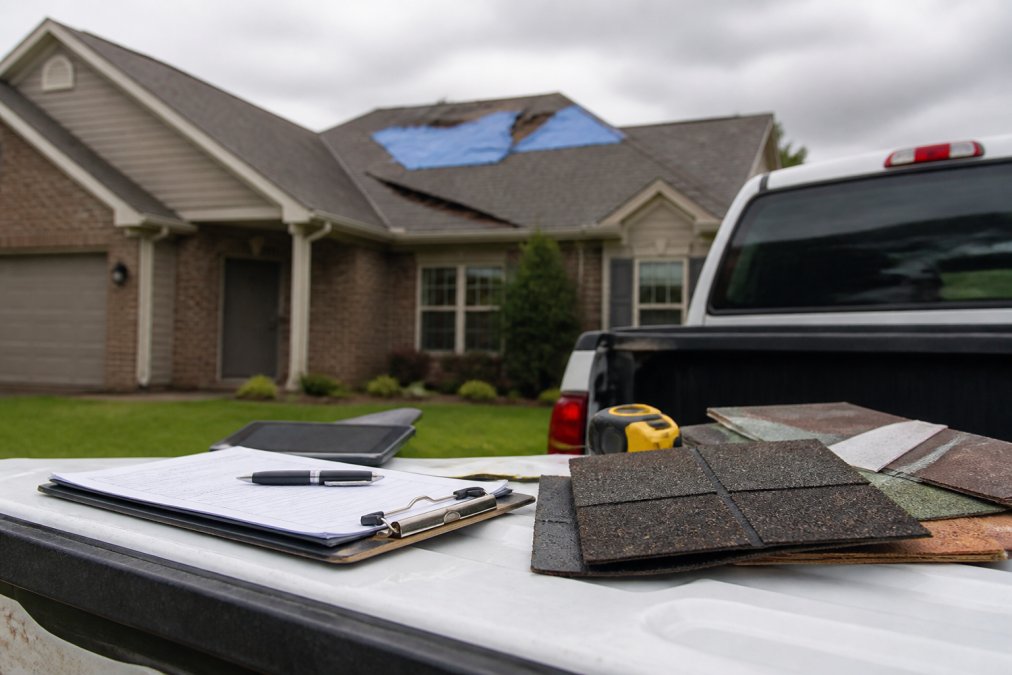
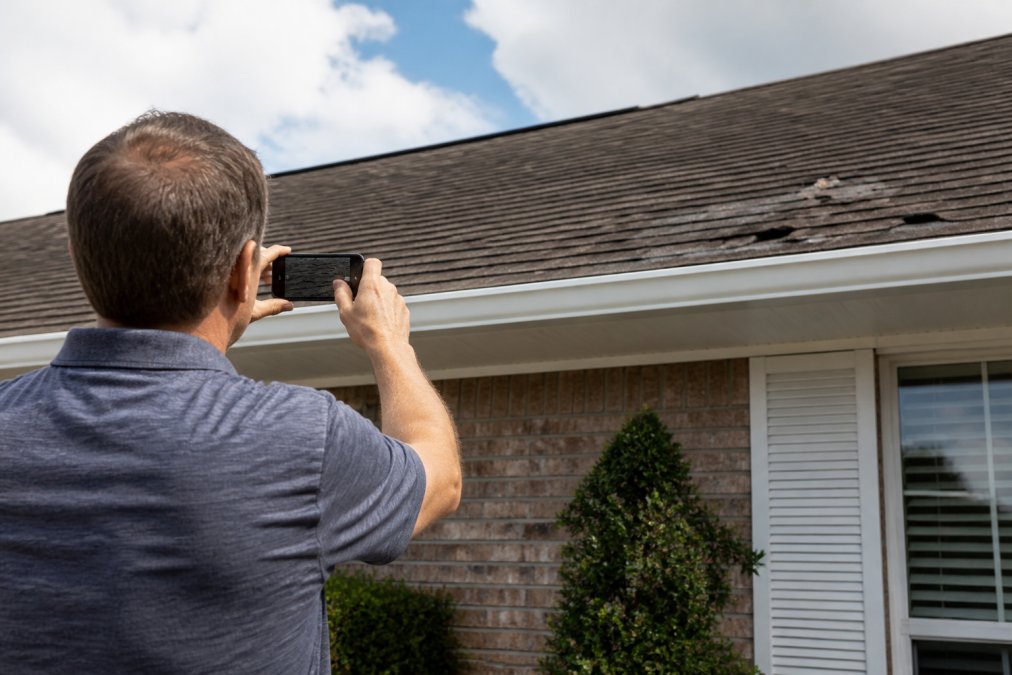
The first 24 to 48 hours after a storm are critical. Take photographs and video from multiple angles, close-ups of damaged shingles, wide shots showing the extent of damage, and photos of any water intrusion or interior damage caused by the storm.
Create a written inventory of what you observed: the date of the storm, wind speed if known, hail size, and specific areas affected. Note the age of your roof. Save all receipts and documentation related to your roof, including previous repair invoices, inspection reports, or warranty papers. These establish the condition of your roof before the storm.
Step 2: Contact Your Insurance Company
Call your insurance company's claims line as soon as possible after the storm. Provide a clear description of what happened and what damage you observed. Ask for the adjuster's name, phone number, expected inspection date, and claim number. Request a copy of the adjuster's report once the inspection is complete.
Ask about your deductible amount and whether your policy covers emergency repairs. Some policies allow temporary repairs like emergency tarping to be covered separately from the main claim.
Step 3: Work with an Adjuster
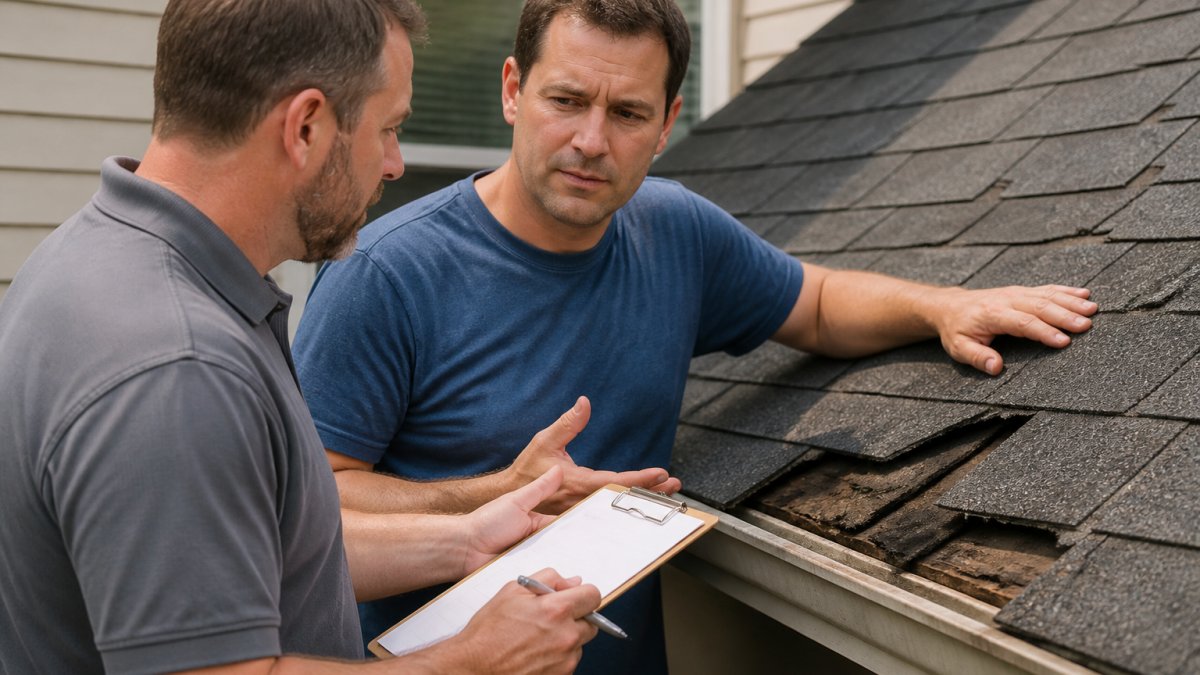
The insurance adjuster's job is to assess damage and determine what your policy covers. This person works for the insurance company, not for you. Many homeowners find it helpful to have a contractor present during the adjuster's inspection. The contractor can point out damage the adjuster might miss and explain why damage is storm-related rather than age-related.
If the adjuster's report seems to underestimate damage, you have the right to request a second inspection or hire a public adjuster to review the claim. A public adjuster is a licensed professional who advocates for your interests and typically charges a percentage of the settlement increase they negotiate.
Step 4: Get Contractor Estimates
Once the adjuster completes the inspection, get detailed estimates from at least two qualified contractors. These estimates should include the scope of work and should reference the insurance adjuster's report where applicable.
A strong contractor estimate will note discrepancies between what the adjuster documented and what the contractor observes on site. Compare estimates carefully, the cheapest option isn't always the best. Look at the contractor's experience with insurance claims, warranty terms, and timeline for completion.
Roof Replacement Insurance Claim Timeline
Initial contact to inspection: 3-7 days (iii.org). After you call your insurance company, they typically schedule an adjuster visit within a week. During peak storm season, this can stretch to 10-14 days.
Adjuster report to claim decision: 5-10 business days. The adjuster completes the inspection, writes a report, and submits it to underwriting, which issues a decision on coverage and payment amount.
Claim payment to contractor start: variable. Once your claim is approved, you'll receive payment minus your deductible. Some contractors can start within days; others have a waiting list.
Repair duration: 2-7 days. An average residential roof replacement takes 3-5 days for a crew of four to six workers (nrca.net). Complexity, weather, and roof size affect this timeline.
Total claim to completion: 2-4 weeks is realistic for straightforward claims with no disputes. Claims requiring supplemental documentation or involving denials can extend 6-8 weeks or longer.
Signs of Storm Damage and When to Act
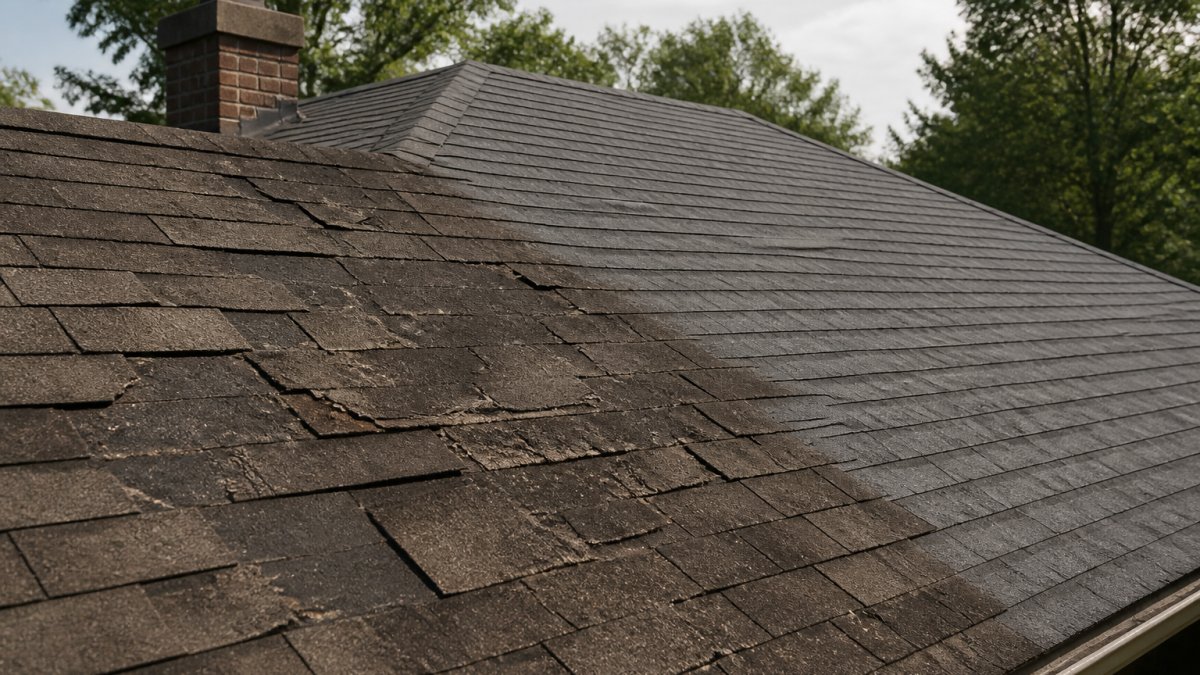
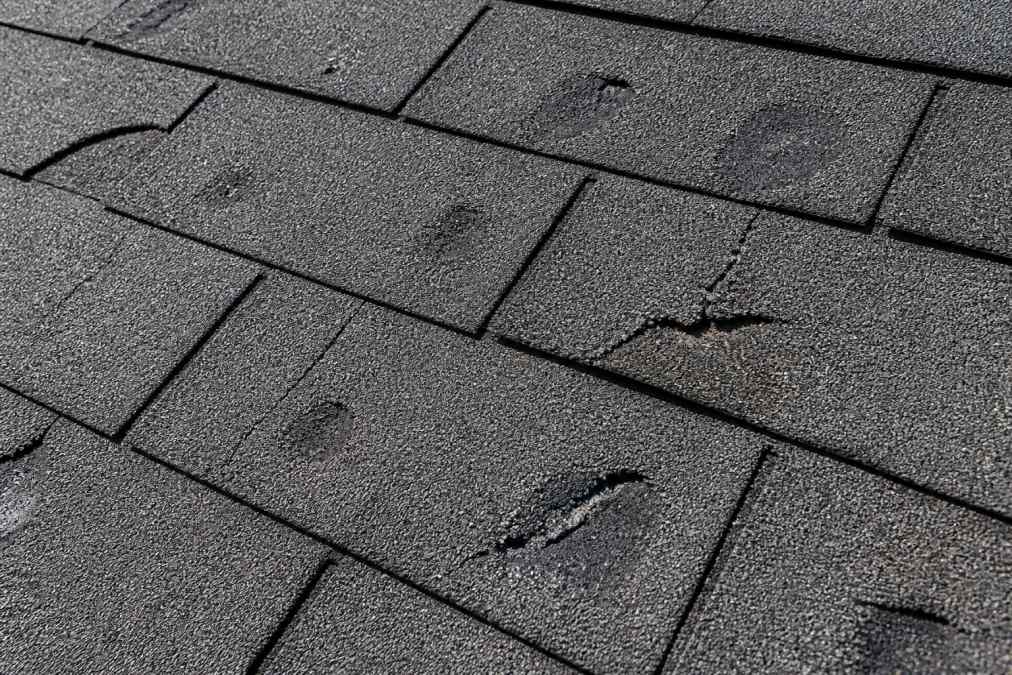
Recognizing storm damage early prevents secondary damage like water intrusion and mold growth. The most common signs include missing or dented shingles, exposed nails, granule loss, and visible cracks or tears.
Hail damage often appears as dark spots or dents on shingles. Wind damage typically shows as lifted, curled, or missing shingles, especially on the side facing the storm. Water stains on ceilings or daylight coming through the roof indicate active water intrusion and require emergency repairs.
Act immediately if you see water damage inside the attic or upper floors. For less urgent damage, document it and call your insurance company within 30 days. Most insurance policies have time limits for reporting claims. Waiting months to report damage can give the insurance company grounds to deny the claim.
Vetting Contractors vs. Lead Generation Services
A lead generation service collects information from homeowners, sells that lead to contractors, and takes a commission. The service doesn't do the roofing work; it connects you to a contractor. The incentive is to generate volume, not to ensure you get quality work.
A roofing contractor is the company that actually performs the repair. They're licensed, insured, and directly responsible for the quality of their work. When you hire a contractor directly, you're working with the entity that will be on your roof, not an intermediary.
When evaluating contractors, verify their license with your state's licensing board. Check for complaints or disciplinary actions. Ask for references from recent storm damage projects. Confirm they carry general liability and workers' compensation insurance. Request a written warranty on both materials and labor.
A contractor with genuine insurance claim expertise will have a process for documenting damage, communicating with adjusters, and handling supplemental claims. They'll ask about your insurance policy, explain what's covered, and manage expectations realistically.
What Home Insurance Covers for Storm Damage
Standard homeowners policies cover damage caused by named perils: wind, hail, lightning, and ice dams. Water damage from a storm is covered if it results from wind-driven rain entering through damage caused by the storm itself.
Your policy has a deductible, typically $500 to $2,500, though some policies have percentage-based deductibles (1-5% of your home's insured value). Wind and hail deductibles are sometimes higher than standard deductibles.
Coverage is based on either actual cash value or replacement cost value. Actual cash value accounts for depreciation; an older roof is worth less than a new one. Replacement cost value reimburses you for the full cost of replacement without depreciation. Replacement cost policies are more expensive but far better for storm damage claims.
Your policy has limits, which is the maximum the insurance company will pay. If your roof replacement costs $15,000 but your policy limit is $10,000, you'll need to cover the remaining $5,000 yourself. Read your policy carefully and call your agent to clarify what's covered, as some policies exclude damage from "acts of God" or limit coverage for roofs over a certain age.
Conclusion
Finding the right Roofclaim alternative for storm damage comes down to understanding what you actually need: fast response, expert guidance through the insurance process, quality workmanship, and transparent communication. National platforms offer scale and standardized processes; local contractors offer personalization and invested reputation.
Leitch Roofing combines local expertise with specialized insurance claim assistance. We handle the documentation, communicate directly with adjusters, and manage supplemental claims so you don't have to navigate the process alone. Our team uses quality materials and skilled crews to ensure repairs last, and we provide free estimates to help you understand your options. Get a free estimate today and see how our approach to storm damage claims differs from lead generation services or national platforms.
Frequently Asked Questions
Q: What should I do immediately after discovering storm damage to my roof?
A: Document all visible damage with photographs and video from ground level, avoid climbing the roof yourself. Contact your insurance company within 24-48 hours to report the claim. Take temporary steps like clearing debris or placing tarps over exposed areas to prevent water intrusion. Then contact a licensed roofing contractor for a professional inspection and estimate. This documentation and fast action strengthen your claim and prevent secondary damage.
Q: How long does a roof replacement insurance claim timeline typically take?
A: Most roof replacement insurance claim timelines span 30-60 days from initial report to settlement. The adjuster usually inspects within 7-14 days, then you have time to gather contractor estimates (1-2 weeks). Your insurance company reviews the scope of work and issues a settlement offer, which may take another 1-2 weeks. If you file a supplemental claim due to hidden damage discovered during repairs, add 2-4 additional weeks. Claim denials or disputes can extend the timeline significantly.
Q: How do I know if I should hire a local roofing contractor or use a national lead-generation service?
A: Local roofing contractors offer personalized communication, faster response times, and accountability in your community. National lead-generation platforms provide broader reach but may route you to subcontractors unfamiliar with local building codes or weather patterns. For storm damage, local contractors typically understand regional insurance practices and can coordinate directly with adjusters. Verify licensing, insurance, and references regardless of size. Local contractors are often better for ongoing relationships and warranty support.
Q: What documentation do I need for a successful roof insurance claim?
A: Gather clear photographs showing damage from multiple angles, your homeowners policy details, a professional roof inspection report, contractor estimates with itemized scopes of work, and proof of any temporary repairs or mitigation costs. Document the date of the storm and any weather reports confirming hail, wind, or other damage. Keep receipts for emergency tarping or temporary repairs, these are often covered. Your insurance adjuster will use this documentation to determine coverage under your policy's terms.
Q: What is the 25% rule for roofing and how does it affect my claim?
A: The 25% rule means that if storm damage affects 25% or more of your roof's surface area, some insurance policies may require full roof replacement rather than partial repairs. This threshold varies by insurer and policy, so check your homeowners policy. If damage is below 25%, you may only receive payment for repairs. This rule can affect your settlement amount. A professional roof inspection helps determine the exact percentage of damage, which your contractor can use to discuss replacement coverage if warranted.