 comparison
Is a Public Adjuster Worth It for Roof Claims?
Table of Contents
- What a Public Adjuster Does on a Roof Claim
- Public Adjuster Fees for Roof Claims
- When to Hire a Public Adjuster for Roof Damage
- Public Adjuster vs Roofing Contractor: Who Does What
- How to Dispute a Roof Insurance Claim
- Vetting an Adjuster: Licensing, Contracts, and Red Flags
- Frequently Asked Questions
Last Updated: October 21, 2026
What a Public Adjuster Does on a Roof Claim
A public adjuster is a licensed professional who represents the policyholder, not the insurance company, during a property claim. On a roof claim, that means documenting damage, building a repair estimate, and negotiating the settlement your policy actually allows.
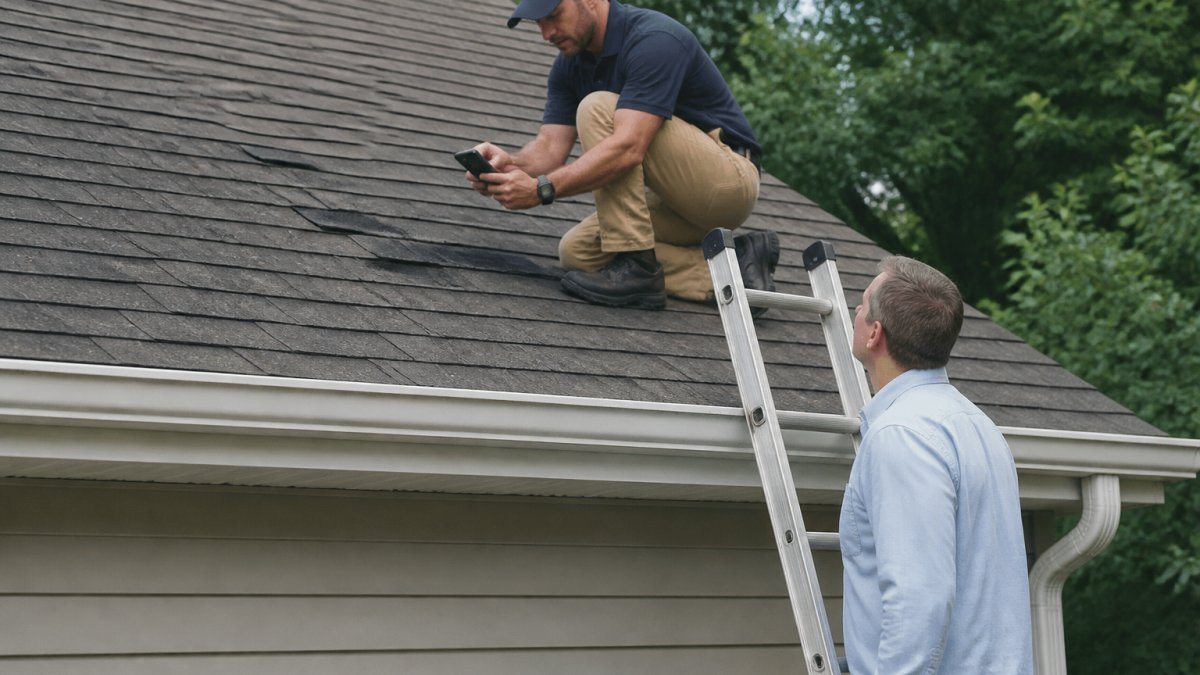
The core tension: your insurer's adjuster is paid by the insurer, while a public adjuster works for you, usually for a percentage of the final payout.
On a typical roof claim, a public adjuster will:
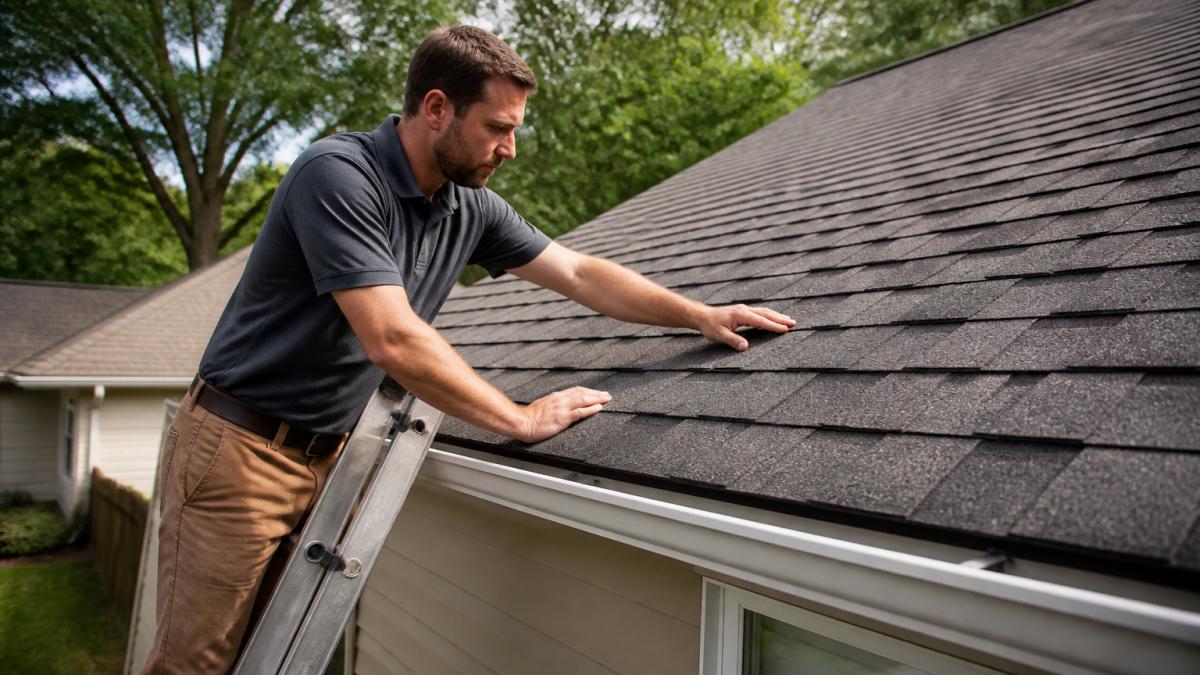
- Inspect the roof and document wind damage, hail damage, and water damage with photographs and measurements
- Prepare a scope of loss that itemizes materials, labor, and code requirements
- File or reopen the claim and communicate with the insurance company adjuster
- Negotiate the settlement offer and file a supplemental claim if hidden damage appears
Where the Insurance Company Adjuster Stops
The insurance company adjuster evaluates covered damage against your policy and produces an estimate. That estimate is the starting point for a payout, not a neutral appraisal.
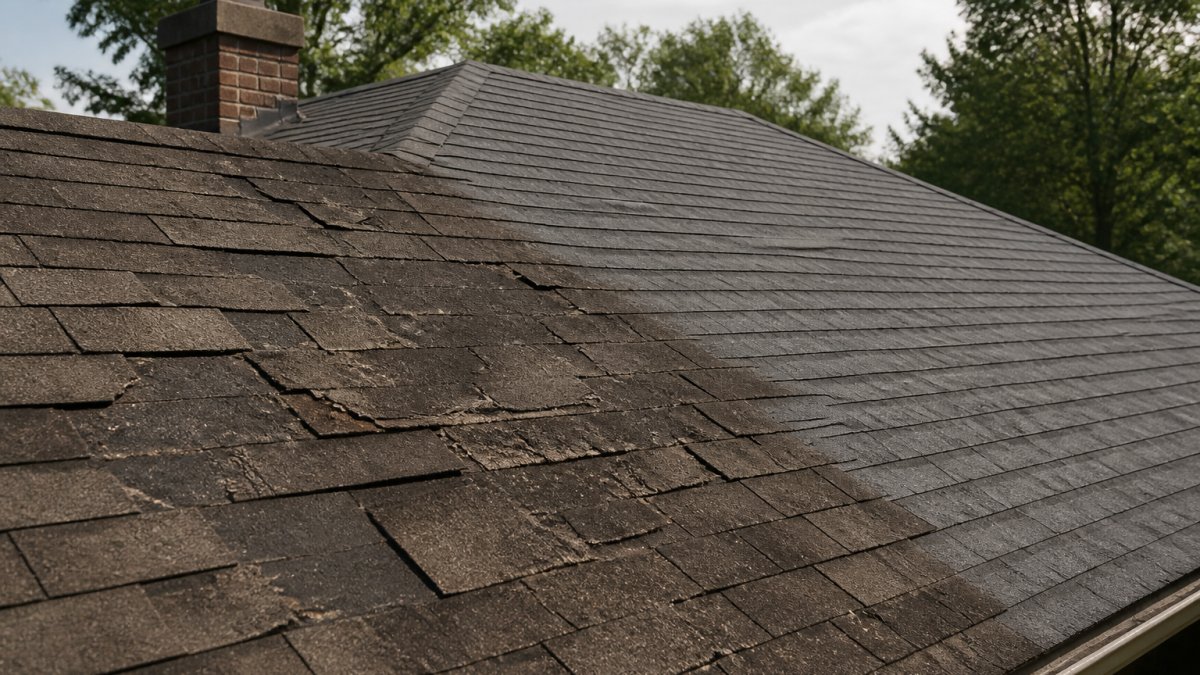
A common mistake is assuming the first inspection is final. The insurer's adjuster may write a scope from the ground or miss decking rot under the shingles.
That is the gap a public adjuster fills. They re-document the damage and argue scope, pricing, and depreciation line by line.
Public Adjuster Fees for Roof Claims
Public adjuster fees for roof claims are typically charged as a contingency fee, meaning the adjuster takes a percentage of the settlement rather than an upfront payment. That percentage varies by state and claim size, and the Texas Department of Insurance guidance on public adjusters notes that fee caps and contract rules differ by jurisdiction.
Because the fee comes out of the settlement, the real question is not "what does it cost" but "does the higher settlement cover the fee and still leave more in your pocket." Run that break-even test on your roof numbers, not a generic rule of thumb.
Running the Break-Even Math on a Roof Claim
The math needs four numbers: the current settlement offer, the realistic full replacement cost, your deductible, and the adjuster's fee percentage. The deductible comes off the top of any recovery, so a fee on the gross settlement can look smaller than it is.
Here is the framework, using round placeholder figures to show the mechanism (substitute your own estimate and offer):
- Full replacement cost (contractor estimate): the number your roofer will actually charge, including decking, underlayment, flashing, and code-required items.
- Insurer's current offer: the net figure after your deductible and any depreciation withheld.
- Gap to recover: full replacement cost minus the current offer.
- Adjuster fee: the contingency percentage applied to the amount recovered (confirm gross vs. net in the contract).
A simple decision rule: if the gap to recover is large relative to the fee, hiring is often worth it; if the gap is small, the fee eats the gain. The table below translates that into roof-claim situations.
| Situation | Likely Worth It? | Why |
|---|---|---|
| Claim denied outright | Often yes | The entire replacement cost is at stake, so even a partial recovery can exceed the fee |
| Offer covers only part of the roof (one slope, tear-off only) | Often yes | Scope disputes on decking, underlayment, and code items add recoverable dollars |
| Complex roof with code upgrades, multiple layers, or complex flashing | Often yes | Line-item disputes are where adjusters add the most value |
| Offer close to full replacement cost | Usually no | The fee outweighs the small remaining gap |
| Small repair, simple claim, fair offer | No | Fee exceeds any realistic difference |
What the Fee Does Not Cover
The contingency fee is only part of the picture. Budget for these separately:
- Your deductible: comes off the top regardless of who negotiates.
- Uncovered items: cosmetic exclusions, matching disputes, and code upgrades your policy does not pay for stay your responsibility.
- Mitigation and temporary repairs: tarping, water extraction, and interior repairs may be handled on a separate track.
- Your time: handling the claim yourself costs nothing in fees but costs hours in documentation and follow-up.
A public adjuster can improve the settlement but cannot make an underinsured policy pay for excluded items.
When to Hire a Public Adjuster for Roof Damage
Hire a public adjuster when the claim is large, complicated, or already going wrong. For a straightforward roof repair with a fair offer, you can usually handle it yourself.
The signs a claim needs professional help tend to cluster:
- The claim was denied or the settlement offer is a lowball
- The insurer cites wear and tear instead of storm damage
- Your roof has code upgrades, multiple layers, or complex flashing
- Damage spans roofing plus interior water damage
- The claim has been delayed for weeks with no clear answer
If any sound familiar, a licensed adjuster can change the outcome. If none do, save the fee.
When Not to Hire One
Skip the public adjuster when the claim is small, the offer is fair, or the damage is mostly cosmetic. Paying a percentage of a settlement that already covers the work is a losing trade.
Also skip it if you cannot verify the adjuster's license or if the contract is vague about fees. The United Policyholders guide to questions before hiring a public adjuster is a solid checklist to run through first.
Public Adjuster vs Roofing Contractor: Who Does What
A roofing contractor repairs or replaces the roof; a public adjuster negotiates the claim. Confusing the two is one of the most common mistakes in roof claims.
A roofing contractor provides a contractor estimate, documents damage from the roof, and can talk scope with the insurer's adjuster.
| Role | Represents | Main Job | Paid By |
|---|---|---|---|
| Insurance company adjuster | The insurer | Evaluate covered damage | Insurer salary |
| Public adjuster | You, the policyholder | Document and negotiate the claim | Contingency fee |
| Roofing contractor | You | Repair or replace the roof | You or insurance proceeds |
| Attorney | You | Legal disputes, bad faith | Hourly or contingency |
The strongest roof claims combine all three at the right moments: a contractor who documents damage properly, an adjuster who fights for scope, and an attorney only if the dispute turns legal.
Where an Attorney Fits In
Bring in an attorney when the dispute is legal, not just about scope. Wrongful denial, bad faith handling, and claims that stall for months are attorney territory.
For most roof claims, an attorney is overkill. A public adjuster and a good contractor estimate usually resolve the gap. Keep the attorney option in reserve for claims where the insurer refuses to engage at all.
How to Dispute a Roof Insurance Claim
Dispute a roof insurance claim by documenting the damage thoroughly, requesting the insurer's full estimate, and submitting a written supplemental claim with your own scope of loss. Most disputes are won on paperwork and on the policy language that controls how the roof is valued.
Here is how we would work a disputed roof claim:
- Re-inspect the roof and photograph every damaged area with measurements
- Get a contractor estimate that itemizes materials, labor, and code requirements
- Request the insurer's scope of loss and compare it line by line
- Submit a supplemental claim for anything missing
- Escalate to your state insurance department if the insurer stalls
The NerdWallet explanation of what public adjusters do points out that these professionals tend to make the most sense on large, complicated claims, which is exactly where line-by-line disputes happen.
Reading a Scope of Loss and Depreciation Line
The scope of loss is the itemized estimate of what the insurer will pay.
Recoverable depreciation. On an RCV policy, the first check is typically the ACV amount.
Matching. If only part of the roof is damaged, whether replacement shingles match the existing roof can drive the scope.
Exclusions. Wear and tear, maintenance, and certain cosmetic exclusions are common in roof claims.
Policy Language and Deadlines to Watch
Disputes are also lost on timing. Most policies require prompt notice of loss and set deadlines for proof of loss, receipts, and supplemental claims. Keep a written log of every call, email, and submission, and confirm deadlines in your policy rather than relying on the insurer's verbal guidance. If tear-off reveals hidden damage, submit the supplemental claim promptly and reference the original claim number.
Vetting an Adjuster: Licensing, Contracts, and Red Flags
Vet a public adjuster by confirming their license with your state insurance department, reading the contract in full, and checking the fee terms before signing. The contract is where most problems start.
Run this checklist before you hire anyone:
- License number verified with your state insurance department
- Fee percentage stated clearly in writing
- Contract explains whether the fee applies to supplemental claims
- No upfront payment required before work begins
- Right to cancel explained in the contract
- References from past roof claims available
Red flags include pressure to sign on the spot, a fee that applies to money you already had, and any adjuster who promises a specific payout. No honest adjuster guarantees a number.
We offer specialized insurance claim assistance to simplify the process for our clients. A free estimate from Leitch Roofing gives you a real repair number to compare against any settlement offer before you decide on an adjuster.
Frequently Asked Questions
How much does a public adjuster charge for a roof claim?
Most public adjusters work on a contingency fee, taking a percentage of whatever settlement they recover rather than billing upfront. That percentage is set by contract, not by a national standard, so two adjusters can quote different rates on the same roof. Some states cap the fee and require it to be spelled out in writing before you sign. Ask for the exact percentage, whether it applies to the full settlement or only the increase, and whether you owe anything if the claim pays nothing.
Can a public adjuster get a denied roof claim approved?
Sometimes, but not always. A denial is often built on a specific finding, such as wear and tear, a coverage exclusion, or an incomplete damage inspection. A public adjuster can request the claim file, re-document the damage with photographs and a contractor estimate, and press the insurer to reconsider. If the policy genuinely excludes the loss, no adjuster can create coverage. Ask what specifically they would challenge before you sign anything.
Is it worth hiring a public adjuster for a small roof claim?
Usually not. A contingency fee is a share of the settlement, so on a modest repair the fee can erase most of any increase. Run the math: if the fee is a set percentage and the realistic gap between the offer and a fair settlement is smaller than that percentage would cost you, you are working for the adjuster. Small claims are often better handled by disputing the estimate yourself with contractor documentation.
Should a roofer meet with the insurance adjuster?
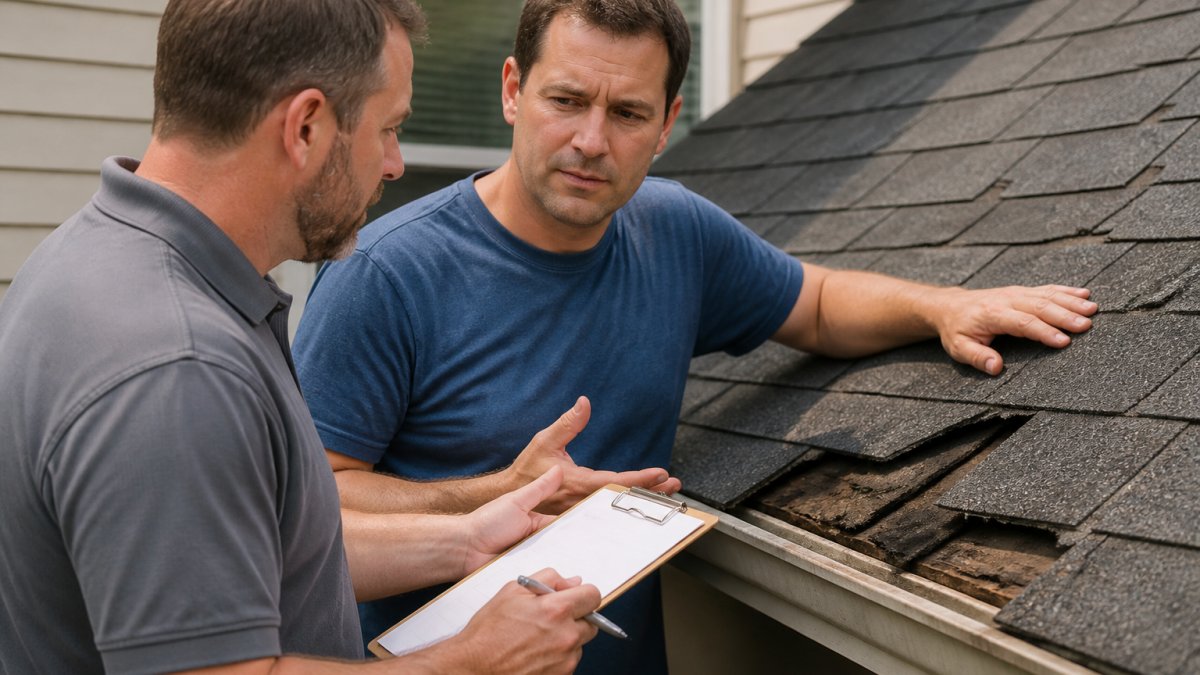
Yes, and it helps. A roofing contractor who has inspected the roof can walk the property with the insurance company adjuster, point out damage that is easy to miss from the ground, and explain why a repair versus replacement call is wrong. That meeting often produces a more complete scope of loss on the first pass. Ask your roofer whether they attend adjuster inspections and what documentation they bring.
A roof claim is stressful enough without wondering whether you left money on the table. If your settlement offer does not match the real cost of your roof replacement, get a second set of eyes before you sign. Leitch Roofing offers free estimates, skilled crews, and insurance claim assistance to help you compare the offer against the actual scope of work. Get a free estimate today and see what your roof really needs.