 comparison
Energy Efficient Roofing Options: Materials Compared for Tennessee Homes
Last Updated: October 28, 2026
Quick Summary
Energy efficient roofing is a roof built to reflect more sunlight, release less heat into the attic, or both. Metal roofs with reflective coatings, cool asphalt shingles, tile and solar shingles are the main options for Tennessee homes. The right choice depends on your budget, roof structure and how long you plan to stay.
- Reflective metal roofing bounces more sunlight away from the house and is durable.
- Cool asphalt shingles use reflective granules and are often the lowest-cost option.
- Tile handles heat well and lasts for decades, but it is heavy.
- Attic ventilation and insulation affect cooling costs as much as the roof surface does.
- Check your insurance policy and local permit rules before choosing a material.
Table of Contents
Your roof absorbs more solar heat than any other part of your home, and in a Tennessee summer that heat ends up on your cooling bill, which is why an energy efficient roofing choice is worth considering early. Choosing the right roofing material is one of the few upgrades that works around the clock, every day of the year.
Energy-efficient roofing is a roof built to reflect more sunlight, release less heat into the attic, or both. Those two properties drive most of the savings. A roof that stays cooler means the air conditioner runs less, and that difference adds up over long summers. Tennessee sits in a climate where hot, humid months stretch well into the fall, so the payoff is real. Exact savings depend on your home, insulation and roof color.
Energy-Efficient Roofing Materials Compared
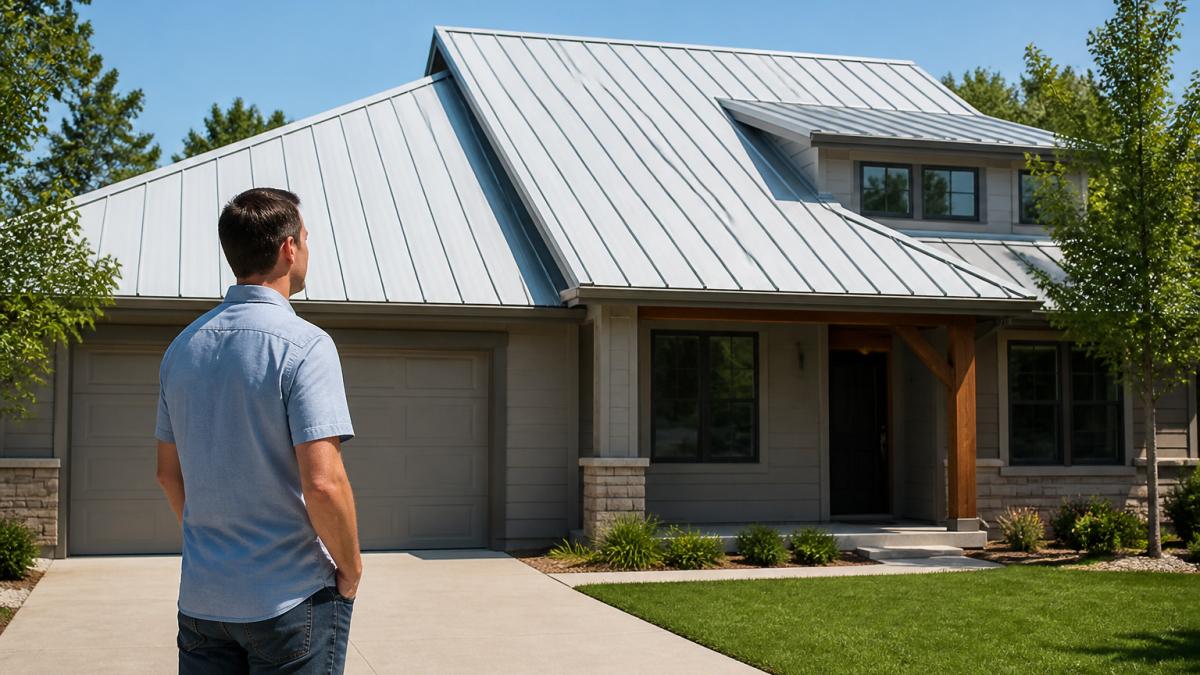
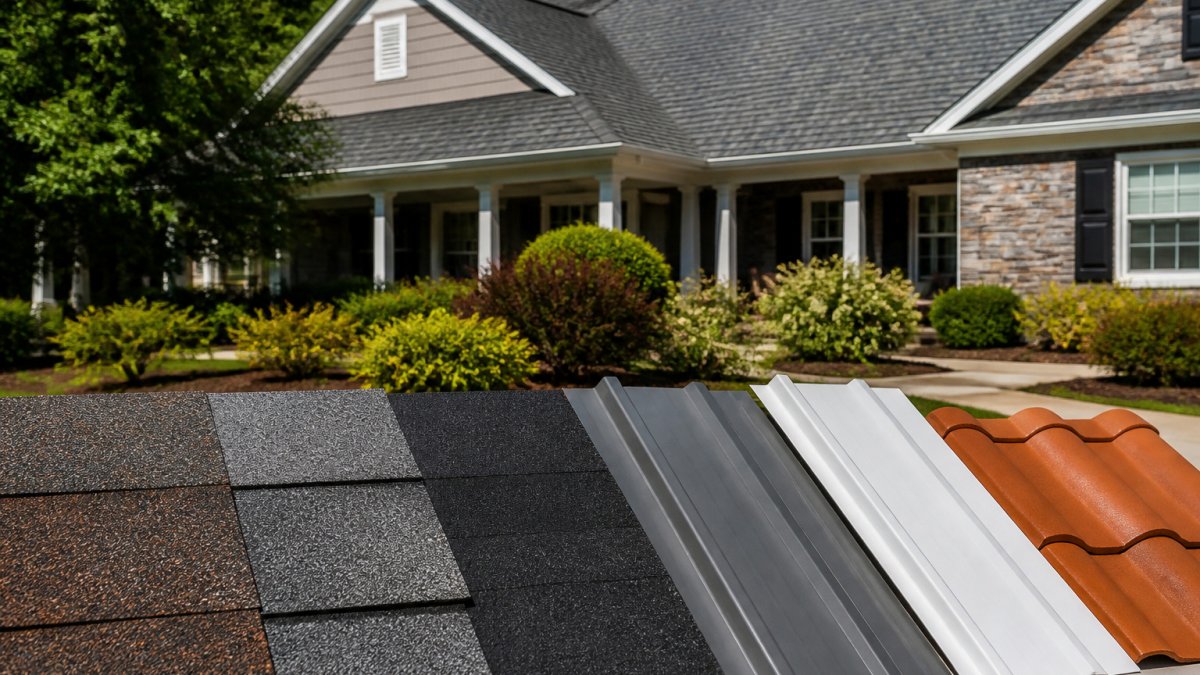
Several material families compete for a Tennessee roof. Each has trade-offs in heat handling, upfront cost and lifespan. The table below summarizes how they compare at a glance.
| Material | Heat Performance | Typical Strength | Best For |
|---|---|---|---|
| Metal (reflective coating) | Strong heat reflection | Durable, long-lasting | Homeowners prioritizing efficiency |
| Cool asphalt shingles | Reflective granules | Familiar, lower upfront cost | Budget-conscious replacements |
| Tile | Good heat handling | Heavy, long service life | Homes built to carry the weight |
| Solar shingles | Adds power generation | Newer, quote-based | Homeowners adding solar |
Metal Roofing and Heat Reflection
Metal roofing is among the most-cited energy-efficient options. Reflective or cool-coated finishes bounce more sunlight away from the house. DECRA describes its stone-coated metal product as durable, long-lasting and energy-efficient for Tennessee homes. DECRA's guide to residential roofing for Tennessee homes
Watch out: metal panels expand and contract with temperature swings, so installation quality matters more than the material itself.
Tile, Asphalt and Other Options
Tile roofs handle heat well and last for decades, but they are heavy and not every home framing can support them. Cool asphalt shingles use reflective granules to bounce light off the surface. They are the most familiar choice and often the least disruptive to replace. Solar shingles combine a roofing format with power generation, a category worth exploring if you plan to add solar later.
Cool Roof Shingles: Are They Worth the Cost?
Cool roof shingles are asphalt shingles with reflective granules that reduce heat absorption, making them a practical energy efficient roofing option for many budgets. Whether they pay off depends on how much you spend on cooling and how long you stay in the home. Many homeowners find the premium is modest compared with the comfort gain, but the exact figure varies by product. Ecowatch's guide to roof energy efficiency
Upfront Cost, Lifespan and Long-Term Value
Upfront cost is the number most homeowners compare first, but it is only part of the picture. Explore residential roofing replacement and installation services to see the options available for your home. Pricing depends on material, roof size, pitch and labor. Please request a free estimate for current pricing on your project.
Lifespan matters just as much. A roof that lasts longer spreads its cost over more years, which can offset a higher initial price. Ask any contractor for the expected service life of each material you consider. Then compare the total cost over the years you plan to stay in the home.
Roof Ventilation and Energy Efficiency: The Whole-System View
A reflective surface alone does not solve heat problems. Attic ventilation and insulation determine how much heat reaches your living space. A well-ventilated attic with good insulation can outperform a fancier roof on a poorly prepared attic. Treat the roof, insulation and ventilation as one system when you plan an upgrade.
Insurance, Codes and Incentives to Check Before You Buy
Before you choose a material, confirm how your homeowner's policy treats roof replacement and whether local building codes restrict certain products. Check with your insurer, since some carriers adjust premiums or coverage based on roofing material. Ask your local building department about permit requirements. Some utilities and local programs also offer rebates for efficiency upgrades, so verify current availability before you count on one.
Questions to Ask Before Hiring a Roofing Contractor in Tennessee
Picking the right material only matters if the crew installs it well. You can check which West Tennessee cities this contractor serves before you start collecting estimates. Ask each contractor for a written estimate, proof of insurance and references from recent West Tennessee projects.
Ready to compare options for your home? Tennessee Department of Commerce and Insurance consumer resources can help you verify contractor licensing. You can also request a free estimate from Leitch Roofing, or call our office to talk through your project.
Frequently Asked Questions
What is the most energy-efficient roofing material for a home?
Reflective metal roofing and cool-coated asphalt shingles are among the most energy-efficient options, because their reflective surfaces send more sunlight back out instead of absorbing it into the attic. Energy savings depend on roof color, attic insulation, ventilation and local climate, so no single material wins in every house. For Tennessee homes with long, hot summers, a light-colored reflective roof is typically the strongest starting point. Ask for solar reflectance and thermal emittance ratings when comparing products, and request a free estimate from Leitch Roofing.
Do metal roofs keep homes cooler in summer?
Metal roofs can keep homes cooler, especially when they have a reflective or cool-coated finish. Metal sheds heat quickly, so less of it reaches the attic and living space below. Results vary with roof color, insulation depth and whether the attic is ventilated. A metal roof without a reflective coating, or one installed over poor insulation, will not deliver the same cooling benefit.
Are cool roof shingles worth the cost?
Cool roof shingles usually cost more upfront than standard asphalt shingles, but they can lower cooling demand over the life of the roof, particularly in hot months. Whether they are worth it depends on your cooling costs, how long you plan to stay in the house, and how much sun the roof receives. Compare the upfront price with the expected lifespan and maintenance needs of each option. Request a free estimate from Leitch Roofing.
How much can an energy-efficient roof reduce cooling costs?
The savings from an energy-efficient roof vary widely by home, climate, insulation level and existing roof condition, so there is no single guaranteed percentage. Roof upgrades work best alongside good attic insulation and ventilation. Ask for a home-specific assessment and written estimates rather than relying on general claims.