 comparison
How to Decide Between Roof Replacement vs Repair
Last Updated: October 27, 2026
Quick Summary
The roof replacement vs repair decision comes down to whether damage is isolated or systemic. Repair isolated damage on a young roof with dry, intact decking, but choose replacement when damage is scattered across slopes, leaks repeat, or the deck is soft. Compare total cost per year of service life, not the first invoice.
- Repair when the roof is young, damage is limited, and the deck and underlayment are dry and intact.
- Replacement wins when repairs repeat, granule loss is widespread, or multiple leaks appear in a short window.
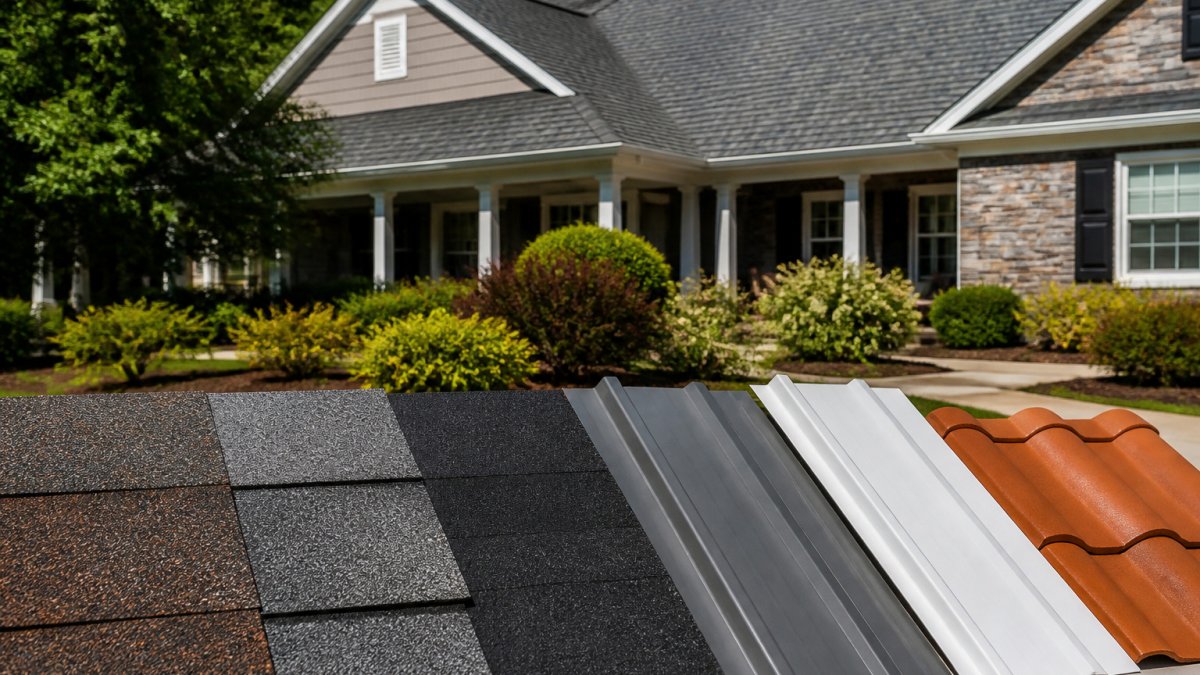
- Asphalt shingles typically last 20-30 years, while metal lasts 40-70 years and tile 50+ years.
- Ask for a written scope on every repair quote covering area, materials, and exclusions.
- Most jurisdictions require a permit for a full replacement, and replacement work must meet current code.
Table of Contents
- Roof Replacement vs Repair: Key Differences That Drive the Decision
- Signs You Need a New Roof (and Signs You Don't)
- How Long Does a Roof Last? Roof Age and Lifespan by Material
- Roof Repair vs. Replacement Cost: A Like-for-Like Comparison
- Insurance, Permits, Warranties, and Code Requirements
- Your Roof Inspection Checklist and Decision Framework
- Get a Free Roof Assessment Before You Commit
- Frequently Asked Questions
Roof Replacement vs Repair: Key Differences That Drive the Decision
The roof replacement vs repair question comes down to one thing: whether the damage is isolated or systemic. A repair fixes a defined problem in a defined area. A replacement addresses a roof covering that has reached the end of its service life across the whole roof area.
Here is the part most guides get wrong. They frame it as a cost question first. It is not. It is a condition question first, and cost follows from condition.
When a Partial Repair Is the Right Call
A partial repair is the right call when damage is confined to a small area and the surrounding roof covering still has useful life left. Think a wind-lifted ridge cap, a cracked pipe boot, or storm damage on one slope.
Three conditions should all be true before you patch:
- The roof is young relative to its expected lifespan
- Damage covers a limited area, not scattered across multiple slopes
- The roof deck and underlayment underneath are dry and intact
If any one of those fails, patching buys time rather than solving the problem. Either way, our residential roofing services cover repairs, replacements, and new installations.
When Full Replacement Beats Patching
Full replacement wins when repairs start repeating. A roof that needs patching every storm season is telling you the covering is finished, not that it is unlucky.
Other signals that point to replacement:
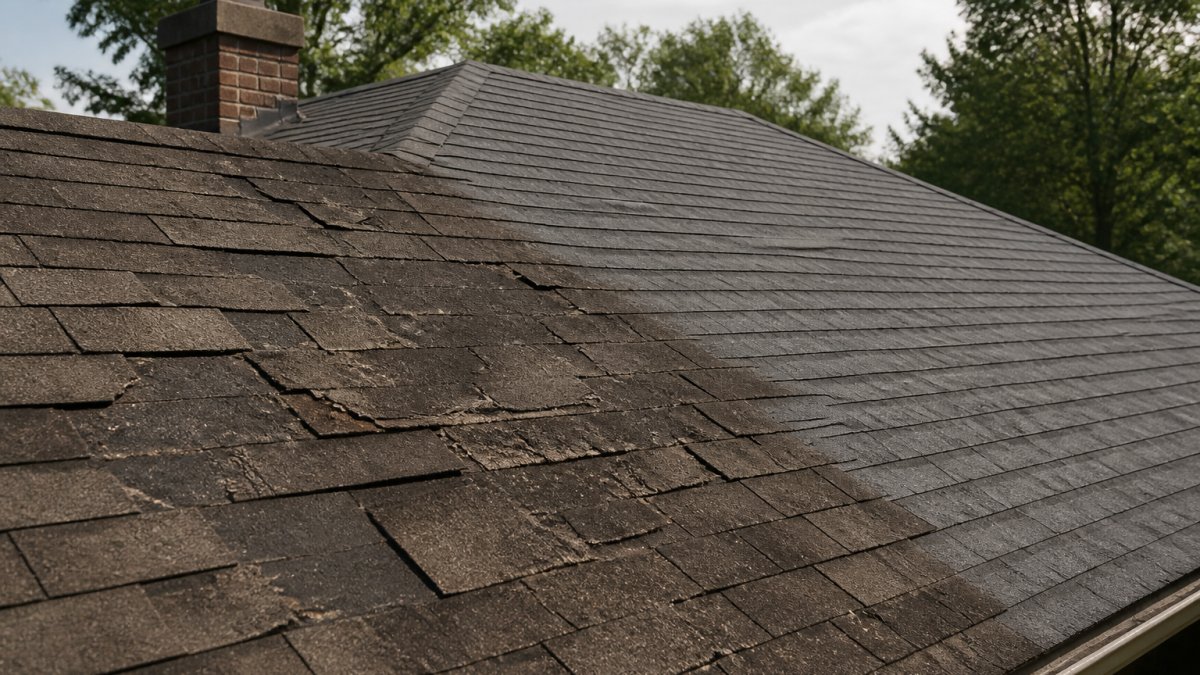
- Granule loss across large sections, not just high-traffic areas
- Multiple leaks in different locations within a short window
- Sagging areas that suggest the roof deck itself is compromised
The real difference between a repair and a replacement is not the invoice. It is whether you are solving a problem or delaying one.
Signs You Need a New Roof (and Signs You Don't)
You likely need a new roof if damage appears in multiple areas, the roof is near the end of its expected lifespan, or the deck shows signs of sagging or softness. You likely do not need one if the problem traces to a single detail, like flashing or a vent boot, on an otherwise sound roof.
Signs you need a new roof:
- Curling, cracking, or missing shingles spread across several slopes
- Granules collecting in gutters in noticeable volume
- Daylight visible through the roof boards in the attic
- Water staining on rafters or insulation after storms
Signs you don't:
- One isolated leak with a traceable source
- A single damaged flashing detail
- Localized storm damage on one slope of an otherwise young roof
A common mistake is judging the roof from the ground. What looks like widespread wear from the driveway is often one failed detail, and what looks fine from below can hide soft decking.
How Long Does a Roof Last? Roof Age and Lifespan by Material
Roof lifespan depends mostly on material, and roof age is the fastest filter for the repair-or-replace decision. Asphalt shingles are the most common roof covering in this region, and most are rated for a service life measured in decades, though ventilation and storm exposure shorten that in practice.
| Roofing Material | Typical Service Life | Repair-Friendly? |
|---|---|---|
| Asphalt shingles | 20-30 years | Yes, in early and mid-life |
| Architectural shingles | 25-30+ years | Yes, if damage is isolated |
| Metal | 40-70 years | Yes, often detail-level repairs |
| Tile | 50+ years | Yes, but matching tiles matters |
Roof age alone does not decide it. A fifteen-year-old roof with scattered damage across every slope is a worse replacement candidate than a twenty-five-year-old roof with one failed vent boot. Our roofing blog has deeper guides on repair, replacement, and storm damage.
Roof Repair vs. Replacement Cost: A Like-for-Like Comparison
Roof repair vs. replacement cost should be compared on the same basis: total spend over the years you plan to stay in the home, not the first invoice.
| Factor | Partial Repair | Full Replacement |
|---|---|---|
| Upfront cost | Lower | Higher |
| Labor scope | Limited area, short crew time | Full tear-off and install |
| Materials | Matching shingles, sealant, flashing | Full roof covering and underlayment |
| Frequency | May repeat each storm season | One project, decades of service |
| Disruption | Hours to a day | Multiple days |
| Disposal | Minimal | Full tear-off debris |
| Warranty impact | Generally does not extend coverage | New material and workmanship coverage |
What Drives the Number
- Roof size and pitch. Steeper roofs require more safety setup and slower labor.
- Material. Asphalt shingles are the most common covering in this region; metal and tile carry higher material and specialty labor costs.
- Number of layers. A replacement that requires tearing off multiple existing layers adds disposal and labor.
- Deck condition. Soft or rotted decking discovered during tear-off adds sheathing replacement.
- Access and height. Complex rooflines, chimneys, and valleys add flashing and labor time.
- Damage extent. A single pipe boot is a small repair; scattered damage across multiple slopes pushes toward replacement.
Upfront Cost vs. Long-Term Cost of Repeated Repairs
Watch out: the trap is treating each repair as a fresh decision. If you have paid for the same slope twice, the third invoice is the one that should trigger a replacement conversation.
How to Compare Quotes Fairly
When you have a repair quote and a replacement quote side by side, normalize them before deciding:
- Confirm both cover the same area and the same details (flashing, vents, valleys).
- Ask whether decking replacement is included or billed separately.
- Check whether disposal and permit fees are in the number.
- Confirm what warranty, if any, attaches to the work.
- Compare cost per year of expected service life, not just the total.
That last comparison is the one that matters. A repair that costs less but returns two years is not cheaper than a replacement that returns decades, and a replacement is not a bargain if the damage was one failed detail on a young roof.
Insurance, Permits, Warranties, and Code Requirements
If an adjuster has already called your damage normal aging, a contractor can review the findings and help you respond.
- Permits: Most jurisdictions require a permit for a full replacement, and many require one for structural repairs. We confirm what your project needs.
- Code requirements: Replacement work must meet current code, which can include ice barrier and ventilation requirements that older roofs never had.
- Warranties: Manufacturer warranties on new roof covering typically require professional installation. You can also read customer reviews from past clients before you commit. Repair work on an aging roof generally does not extend the original warranty.
Your Roof Inspection Checklist and Decision Framework
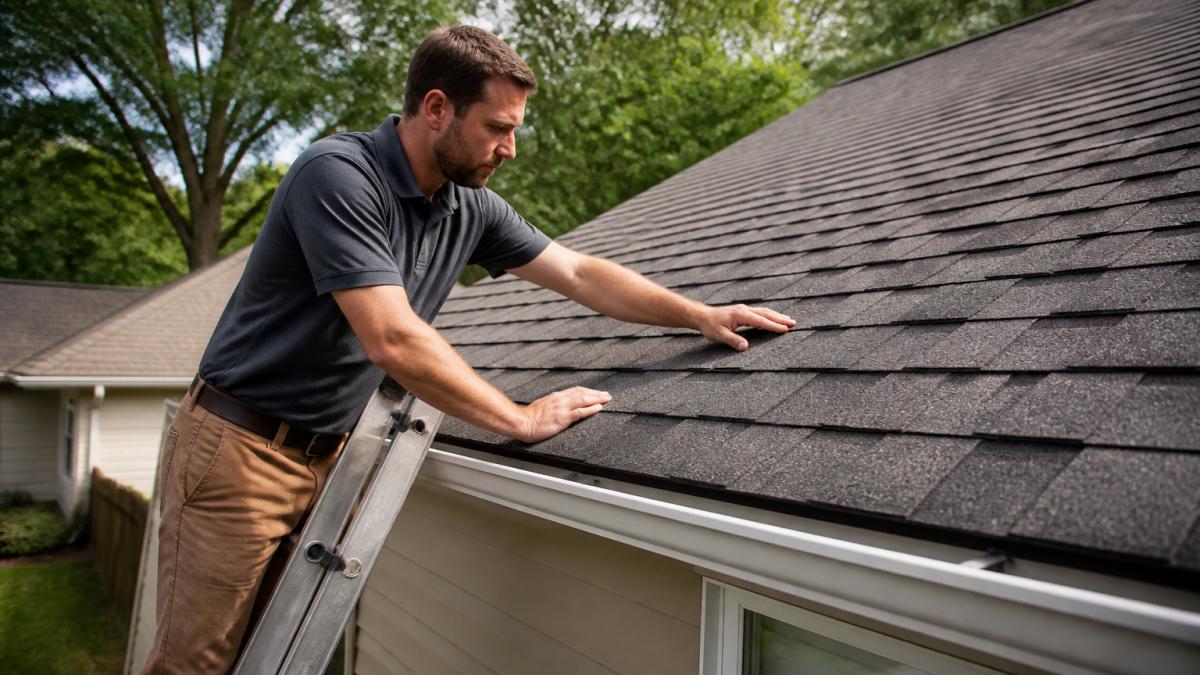
A roof inspection checklist turns a gut feeling into a decision. Use this on your own roof, then have a professional assessment confirm it. The goal is not to diagnose the roof yourself; it is to gather the evidence a contractor will use so the conversation starts from facts.
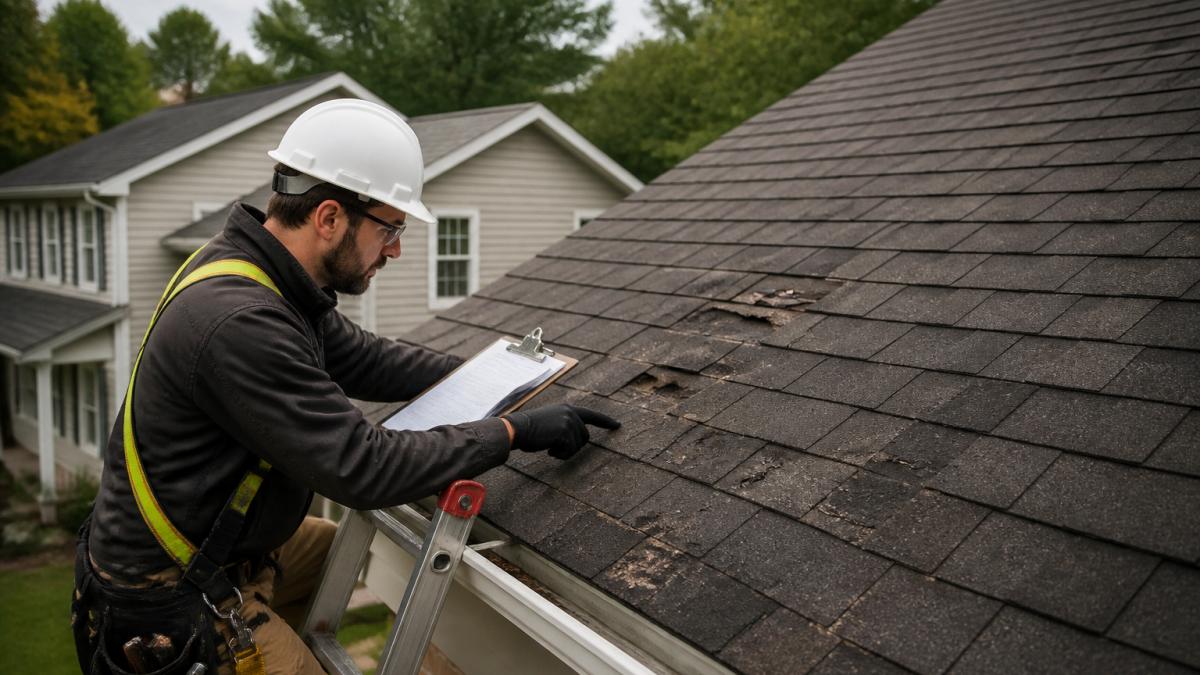
The Checklist
- Note the roof's age and material
- Count the number of separate damage areas
- Check gutters for granule buildup
- Look for sagging along the roofline
- Inspect attic rafters for water staining
- Confirm whether damage is on one slope or several
- Check flashing at chimneys, vents, and valleys
- Record any past repairs and when they were done
- Note active leaks and where they appear during rain
How to Weigh the Evidence
No single threshold decides repair versus replacement. Weigh four factors together:
- Age against lifespan. A roof under half its expected service life with isolated damage leans repair. A roof past mid-life with any spread leans replacement.
- Damage area and distribution. One defined area on one slope leans repair. Scattered damage across multiple slopes leans replacement.
- Leak history. A first leak with a traceable source leans repair. Repeat leaks in different locations within a short window lean replacement.
- Deck condition. Dry, firm decking supports repair. Soft or sagging decking points to replacement because the problem is structural, not cosmetic.
The Decision Framework
Apply the factors together rather than in isolation:
- One damage area, roof under half its lifespan, deck dry: repair
- Two or more areas, roof past mid-life, or soft decking: replacement
- Storm damage with a claim in play: document first, decide second
That last point matters. Emergency mitigation, like tarping an open section, protects the structure while the claim and the decision move forward. Document the damage with photos and dates before any permanent work begins.
When to Call a Professional
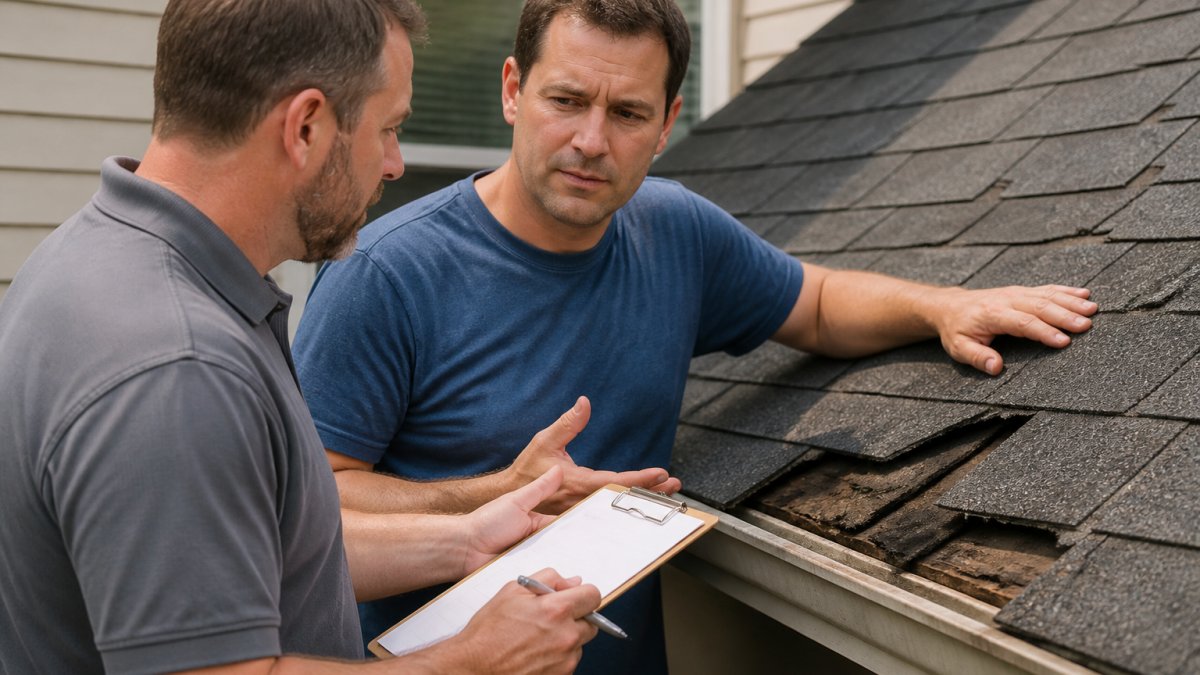
Call for an assessment when any of the following is true: you cannot safely access the roof, you see sagging or soft decking, water is entering the attic, or you are weighing a repair against a replacement and need an independent scope.
Get a Free Roof Assessment Before You Commit
Leitch Roofing provides free estimates for residential and commercial properties, uses quality materials, and works with skilled crews. Check our service areas to confirm we cover your town. We also help simplify the insurance claim process when storm damage is involved. Then request a free estimate.
Frequently Asked Questions
Is it cheaper to repair a roof or replace it?
A single repair almost always costs less upfront than a full replacement. The gap narrows once you add up repeat repairs, though. Three or four patch jobs over a few years can approach the price of a new roof, and you still end up with an aging roof covering. Ask for a written roofing estimate on both options so you can compare the total spend, not just the first invoice. Leitch Roofing provides free estimates for repair and replacement so the numbers sit side by side.
How do I know whether my roof needs repair or replacement?
Start with roof age, damage extent, and structural integrity. Missing shingles, a single roof leak, or damaged flashing on a roof under 15 years old usually points to repair. Widespread granule loss, sagging decking, or leaks in multiple spots on a roof past 20 years point to replacement. A professional assessment settles it: an inspector checks the roof deck, underlayment, and attic for water damage before recommending either path.
Does homeowners insurance cover roof repair or replacement?
Leitch Roofing offers insurance claim assistance to help simplify the claim process.
What should I look for during a roof inspection?
Check for missing or curling shingles, granules collecting in gutters, cracked flashing around chimneys and vents, and stains on attic rafters or ceilings. Look at the roof deck for sagging and check that vents and ridge caps are intact. Note the roof's age and any prior repairs. A roof inspection checklist helps you record each item with photos.
The hardest part of this decision is not choosing between two options. It is knowing which one your roof actually qualifies for. Get started with Leitch Roofing and get a free assessment that tells you plainly whether your roof needs a repair or a replacement, backed by quality materials, skilled crews, and help with the insurance claim if storm damage is part of the picture.