 ultimate-guide
Average Lifespan of Roof Shingles: A 2026 Guide
Table of Contents
- How Long Do Roof Shingles Actually Last?
- Architectural vs 3-Tab Shingles Lifespan
- Factors Affecting Roof Longevity
- Signs You Need a New Roof
- Roof Maintenance Tips for Longevity
- Average Cost of Roof Replacement
- Insurance and Warranty Implications
- Frequently Asked Questions
Last Updated: October 1, 2026
How Long Do Roof Shingles Actually Last?
The roof shingles lifespan depends heavily on the material you choose and the conditions they face. Most asphalt shingles last between 15 to 25 years, though some premium options can stretch closer to 30 years if properly maintained. Metal roofing, by contrast, often reaches 40 to 70 years, while slate tiles can last a century or more. But here's what most homeowners miss: the material's rated lifespan and what your roof actually delivers are two very different things.
The gap between expected performance and reality often comes down to three factors: installation quality, local climate stress, and maintenance. A 25-year shingle installed poorly might fail in 12 years. The same shingle installed correctly in a stable climate with regular upkeep might last 30. This guide walks you through what determines how long your roof shingles will actually last, the warning signs that replacement is near, and what you can do to extend the life of what you have.
Architectural vs 3-Tab Shingles Lifespan
The type of asphalt shingle you choose sets the baseline for longevity. The two most common residential options are 3-tab and architectural shingles, and they perform very differently over time.
3-Tab Shingles
3-tab shingles are the budget option, and the lifespan reflects that reality. These single-layer shingles typically last 15 to 20 years under normal conditions. They're thinner, lighter, and more prone to wind damage, UV exposure, and thermal shock, the stress caused by rapid temperature swings that makes shingles curl and crack.
The appeal is cost: 3-tab shingles are the cheapest option upfront. But that savings often disappears once you factor in earlier replacement. Because they're thinner, they offer less protection against hail damage and weather extremes. Granule loss, the sandy coating that protects shingles from UV rays, happens faster on 3-tab products. Once granules start washing off, the underlying asphalt deteriorates quickly, and you're looking at replacement sooner rather than later.
If you're in an area with significant temperature swings or frequent storms, 3-tab shingles will age faster. A 15-year lifespan can compress to 10 or 12 years in harsh climates. Installation quality matters even more here because there's less material to work with to begin with.
Architectural Shingles
Architectural shingles are thicker, layered, and built to last longer. Most carry a manufacturer warranty of 25 to 30 years, and with proper care, they often deliver close to that. The extra thickness provides better protection against UV damage, wind, and temperature stress. They also handle hail impact better than 3-tab shingles because there's more material to absorb the blow.
The trade-off is cost, architectural shingles run 20 to 40 percent higher than 3-tab options. But the extended lifespan often justifies the investment. If you're planning to stay in your home for 20+ years, architectural shingles usually make financial sense. They also hold their appearance better, with less visible granule loss and fading over time.
Climate still matters. Even architectural shingles in extreme conditions, intense UV exposure, frequent freeze-thaw cycles, heavy hail, will age faster than the rated lifespan suggests. But they degrade more gracefully, giving you a longer window before replacement becomes urgent.
Factors Affecting Roof Longevity
Material choice is just the starting point. Three major factors determine whether your roof reaches its expected lifespan or falls short by years.
Climate and Weather Exposure
The local climate is often the biggest determinant of roof longevity. UV exposure, temperature swings, moisture, and severe weather all accelerate shingle degradation.
UV damage is relentless. Asphalt shingles are designed to withstand sun exposure, but the protective granule coating degrades over time. In regions with intense, year-round sun exposure, this happens faster. The asphalt underneath becomes brittle and cracks more easily. Architectural shingles handle this better due to their thickness, but they're not immune.
Thermal shock, rapid temperature changes between day and night, or winter freeze-thaw cycles, causes shingles to expand and contract repeatedly. This stress weakens the material and leads to curling and cracking. Areas with dramatic seasonal swings experience this effect more severely. A shingle rated for 25 years in a stable climate might only last 18 years in a region with harsh winters and hot summers.
Moisture and ice dams are particularly damaging. In cold climates, ice dams form when warm air from inside the home melts snow on the roof, and the water refreezes at the eaves. This traps water against the shingles and forces it under the roof deck, compromising the underlayment and structural integrity. Poor ventilation makes this worse because it allows heat to build up under the roof.
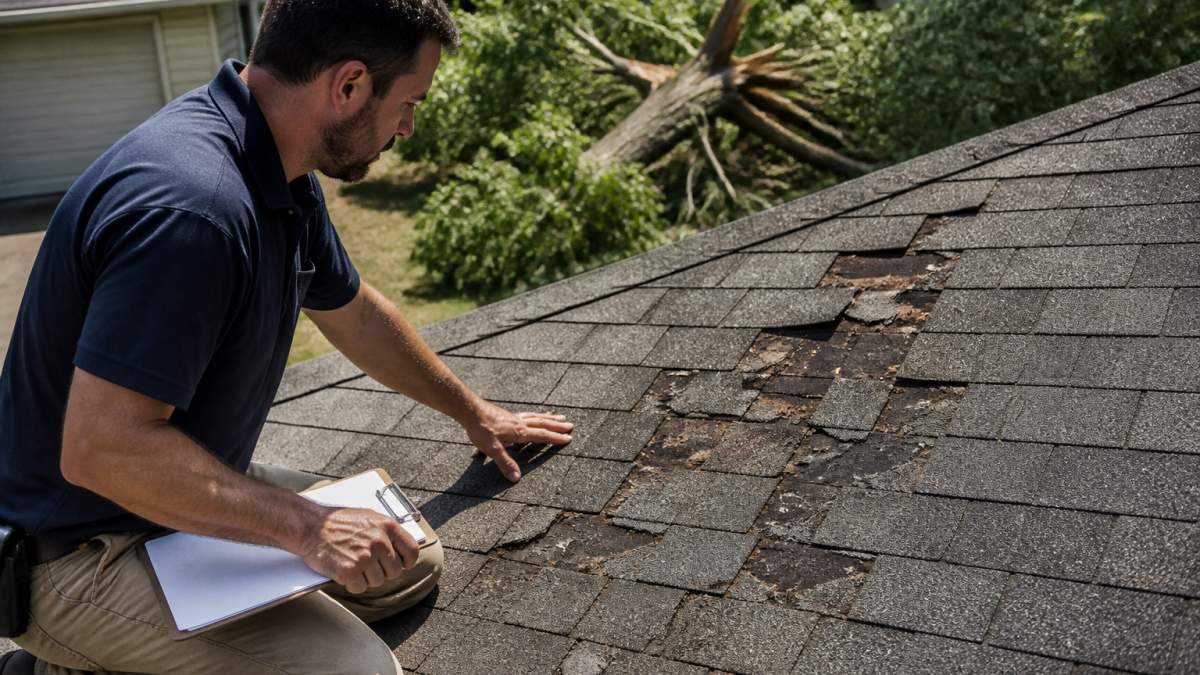
Hail and severe weather can shorten roof life dramatically. Large hail can puncture or crack shingles in a single storm. If the damage isn't caught and repaired quickly, water enters the system and accelerates deterioration.
Installation Quality
A roof is only as good as its installation. Poor workmanship can cut years off a shingle's lifespan, while expert installation can extend it beyond the manufacturer's rating.
Common installation mistakes include incorrect nailing (too high, too low, or at an angle), insufficient overlap between shingles, and improper flashing around penetrations like vents and chimneys. When nails are placed wrong, shingles don't seal properly and lift in wind. When overlaps are shallow, water gets behind the shingles during heavy rain. Flashing errors create direct pathways for water into the structure.
Poor installation also means the roof deck doesn't get the protection it needs. The deck, the plywood or OSB under the shingles, is critical. If water reaches it repeatedly due to installation defects, it rots, and structural failure follows. By the time you notice interior damage, the problem is advanced and expensive.
This is why hiring an experienced roofing contractor matters. Cutting corners on installation is a false economy that costs more later.
Ventilation and Moisture Control
Proper roof ventilation is often overlooked, but it's essential for longevity. Moisture trapped under the roof deck accelerates rot and shorten shingle life. Good ventilation allows air to circulate under the roof, removing heat and moisture that would otherwise degrade materials.
A well-ventilated roof has soffit vents (intake) and ridge vents or gable vents (exhaust). This creates airflow that keeps the attic dry and cool. Without it, heat and humidity build up, which weakens the underlayment, promotes mold growth, and causes premature granule loss on the shingles.
Inadequate ventilation also contributes to ice dam formation in cold climates. Warm air escaping into the attic melts snow on the roof, which then refreezes at the eaves. Proper ventilation keeps the roof deck cold, preventing this cycle.
Underlayment, the layer between the roof deck and shingles, is another critical component. Quality underlayment resists moisture penetration and provides a backup barrier if water gets past the shingles. Cheap or damaged underlayment fails faster and leaves the deck exposed.
Signs You Need a New Roof
Knowing when your roof shingles lifespan has ended prevents water damage and structural failure. These warning signs indicate your roof shingles have reached the end of their useful life.
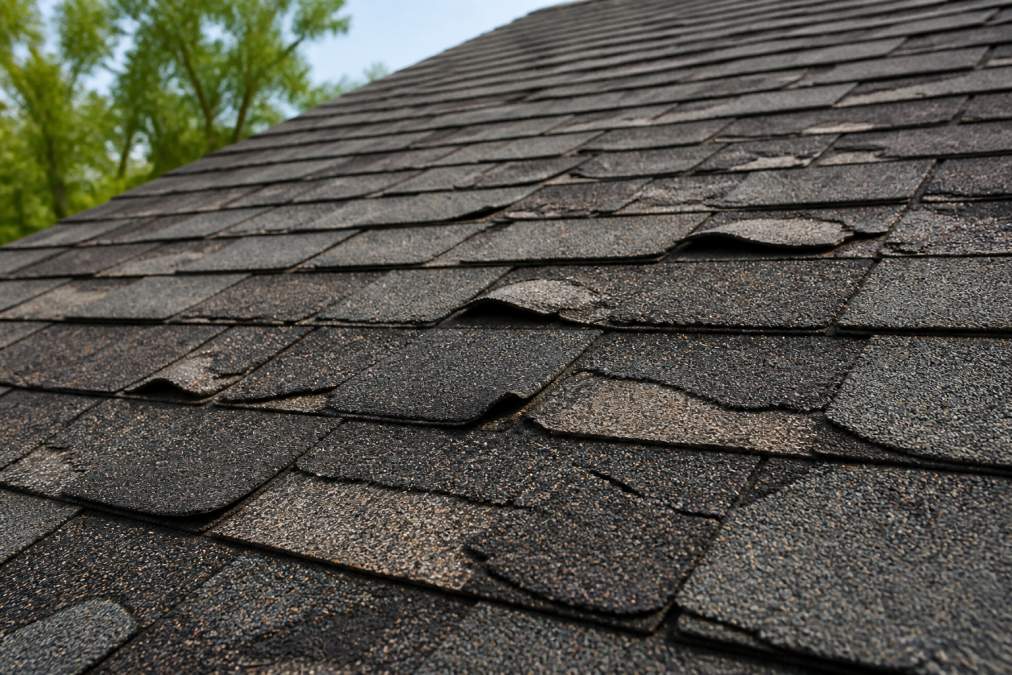
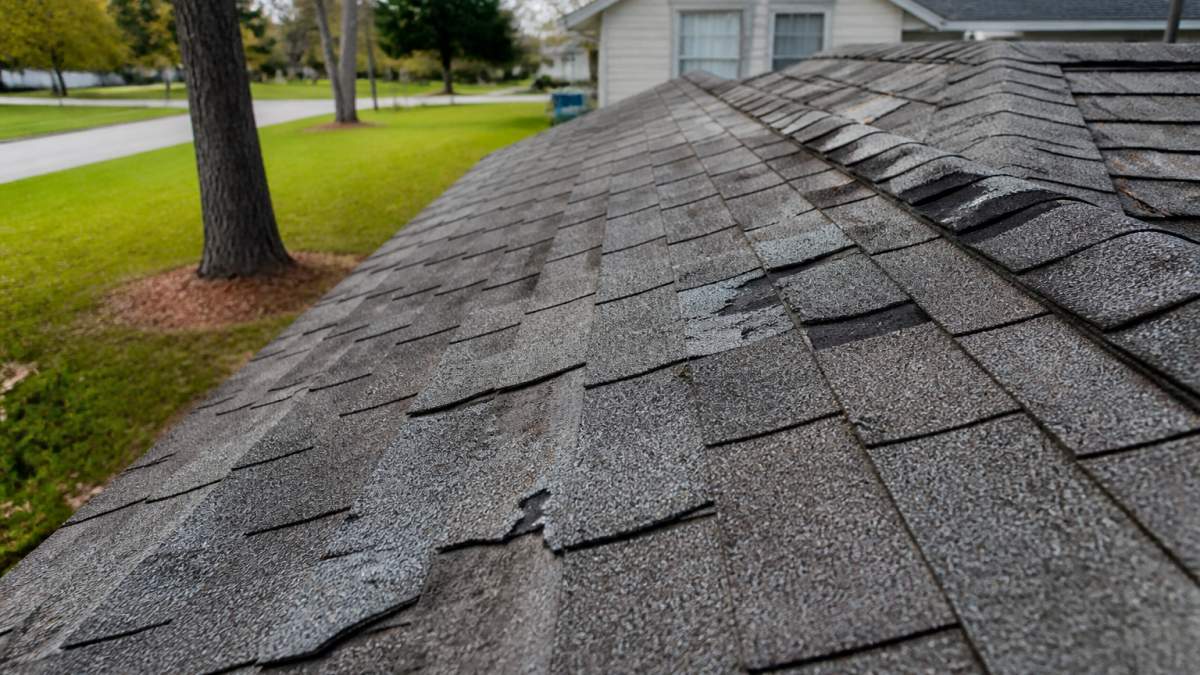
Curling or cupping shingles are a clear sign of age and UV damage. The edges curl upward or the center cups downward. This exposes the shingle to wind and water, accelerating failure. Once curling starts, replacement is typically within 1 to 3 years.
Granule loss appears as dark spots on the roof or in your gutters. Granules protect the asphalt from UV rays. Significant loss means the underlying asphalt is exposed and degrading rapidly.
Visual Inspection Checklist
Inspect your roof annually, especially after storms. Use binoculars from the ground, don't climb on the roof unless you're trained and equipped.
- Check for curled, cracked, or missing shingles
- Look for granule loss (dark spots or bare areas)
- Inspect flashing around vents, chimneys, and valleys for rust or gaps
- Check gutters and downspouts for excessive granule debris
- Look for moss, algae, or lichen growth
- Check for sagging areas or uneven roof line
- Inspect the attic for water stains, mold, or light coming through
- After storms, look for impact damage or displaced shingles
- Check for ice dam formation in winter (sign of ventilation problems)
Roof Maintenance Tips for Longevity
Regular maintenance extends roof life significantly. These practices protect your investment and catch problems early.
Average Cost of Roof Replacement
Roof replacement is a significant expense, and cost varies based on materials, roof size, and local labor rates. Pricing depends on the specific scope of work, your location, and the materials you choose. For an accurate estimate tailored to your home and needs, contact Leitch Roofing for a free estimate.
Insurance and Warranty Implications
Understanding your insurance coverage and warranty is critical when planning roof replacement.
Frequently Asked Questions
Does a 30-year shingle really last 30 years?
Not necessarily. A 30-year manufacturer warranty indicates the shingle is rated for that lifespan under ideal conditions, but actual roof shingles lifespan depends heavily on climate, ventilation, installation quality, and maintenance. In harsh climates with extreme temperature swings, UV exposure, or poor ventilation, shingles may fail in 15-20 years. Proper maintenance and favorable conditions help shingles reach or exceed their rated lifespan.
What are the primary factors that shorten the lifespan of roof shingles?
Poor ventilation, inadequate underlayment, improper installation, extreme weather cycles, hail damage, and lack of maintenance all reduce shingle durability. Thermal shock from rapid temperature changes causes curling and cracking. Moisture trapped under the roof deck accelerates deterioration. UV exposure degrades the asphalt binder over time. High-traffic roofs or those in humid climates with algae growth also experience premature failure.
How does climate impact the average lifespan of asphalt shingles?
Climate is one of the biggest determinants of roof longevity. Hot, sunny climates accelerate UV degradation and granule loss. Cold regions with freeze-thaw cycles cause thermal shock and shingle curling. Areas with high humidity promote algae and moss growth that break down the asphalt. Regions prone to hail or severe storms cause immediate physical damage. Stable, moderate climates allow asphalt shingles to reach or exceed their rated lifespan more consistently.
What is the difference in lifespan between 3-tab and architectural shingles?
3-tab shingles typically last 15-20 years, while architectural (laminated) shingles last 20-30 years. Architectural shingles are thicker, have more material, and feature a multi-layer construction that provides better weather resistance and durability. The additional cost upfront for architectural shingles often pays off through extended service life and better protection against wind, hail, and UV exposure.