 comparison
Alternatives to Filing a Roof Insurance Claim
Table of Contents
- When Filing a Roof Insurance Claim Makes Sense
- Roof Damage Below Your Deductible
- Paying for Roof Repairs Out of Pocket
- Roof Repair Financing Options
- What to Do When Your Roof Insurance Claim Is Denied
- Preventive Maintenance to Reduce Future Roof Damage
- How Claim History Affects Your Premiums
- Deciding: File a Claim or Pay Out of Pocket
- Frequently Asked Questions
Last Updated: October 6, 2026
When Filing a Roof Insurance Claim Makes Sense
Understanding alternatives to filing a roof insurance claim helps you decide when filing makes sense, typically when damage is extensive, the cost far exceeds your deductible, and the cause is a covered loss.
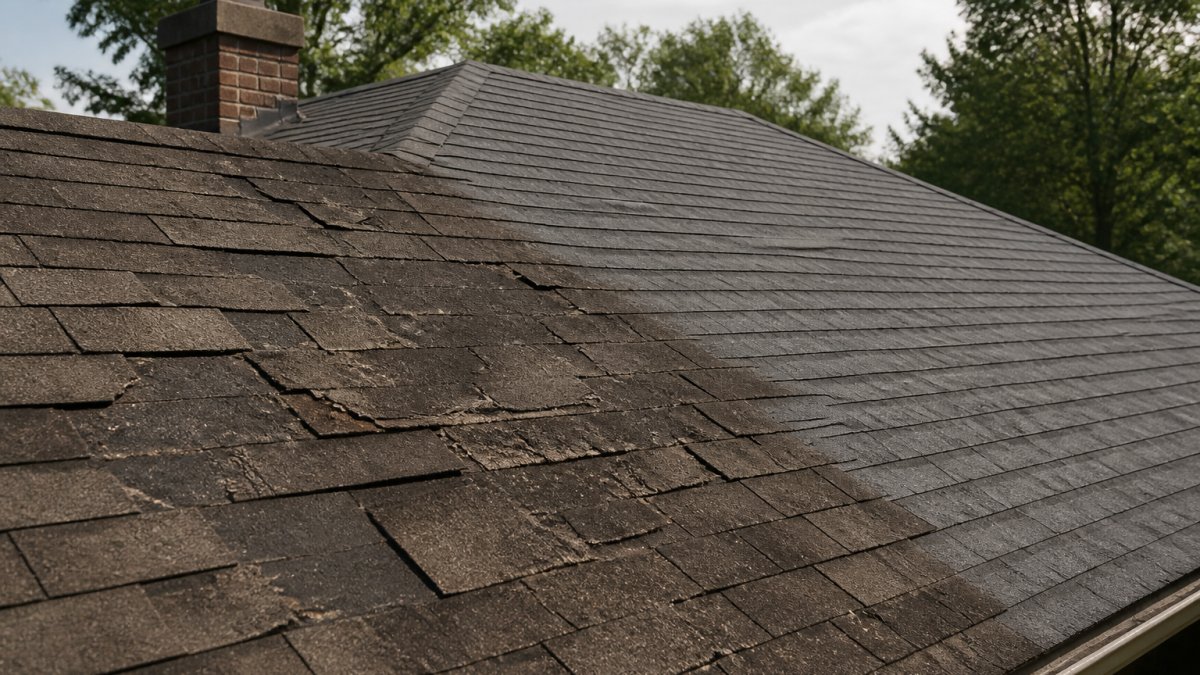
Assess the damage honestly. Small leaks or missing shingles may not justify a claim; major structural damage, widespread hail impact, or wind damage across a large section usually does.
Timing is critical. Most policies set a filing deadline of 30 to 90 days after damage occurs, and missing it eliminates your option entirely. If you suspect significant damage, document it immediately with photos and videos, then contact your insurer promptly.
The insurance adjuster inspects the roof and determines what's covered, assessing whether damage is sudden and accidental or the result of neglect. Understanding your policy's language around covered losses helps you know what to expect.
Roof Damage Below Your Deductible
Roof damage below your deductible costs less to repair than the amount you'd pay out of pocket before insurance kicks in.
This is more common than many homeowners realize. A few missing shingles, minor flashing damage, or small leaks often fall below the deductible threshold, making out-of-pocket payment the only rational choice.
Should you repair immediately or wait? If there's no interior water damage or safety issue, some homeowners delay to monitor the problem; others fix it right away to prevent rot or mold. Either approach is valid, but ignoring roof damage indefinitely creates compounding problems.
Document the damage anyway, even without a claim. Photos and repair receipts create a record of the roof's condition that can matter if you sell the home or file a future claim for unrelated damage.
Paying for Roof Repairs Out of Pocket
Paying for roof repairs out of pocket means funding the entire cost yourself without involving your insurer. This eliminates the claim process, avoids potential premium increases, and gives you complete control over the contractor and materials.
When Out-of-Pocket Repair Makes Sense
Out-of-pocket repair makes sense in several situations. When the repair cost is well below your deductible, filing wastes time and creates a claims record that could affect future renewals. If you've already filed multiple claims in recent years, another might trigger a premium increase exceeding the insurance benefit.
Another scenario: you have cash reserves and want a clean claims history. Insurers track claims frequency, and multiple claims within a few years can lead to non-renewal or significant premium hikes. If you can absorb the cost, staying off the claims radar protects your long-term insurance affordability.
Finally, if you're selling soon, handling repairs yourself avoids claim-process delays. Claims can take weeks to investigate and resolve; paying out of pocket ensures you control the timeline before closing.
How to Budget and Plan for Direct Payment
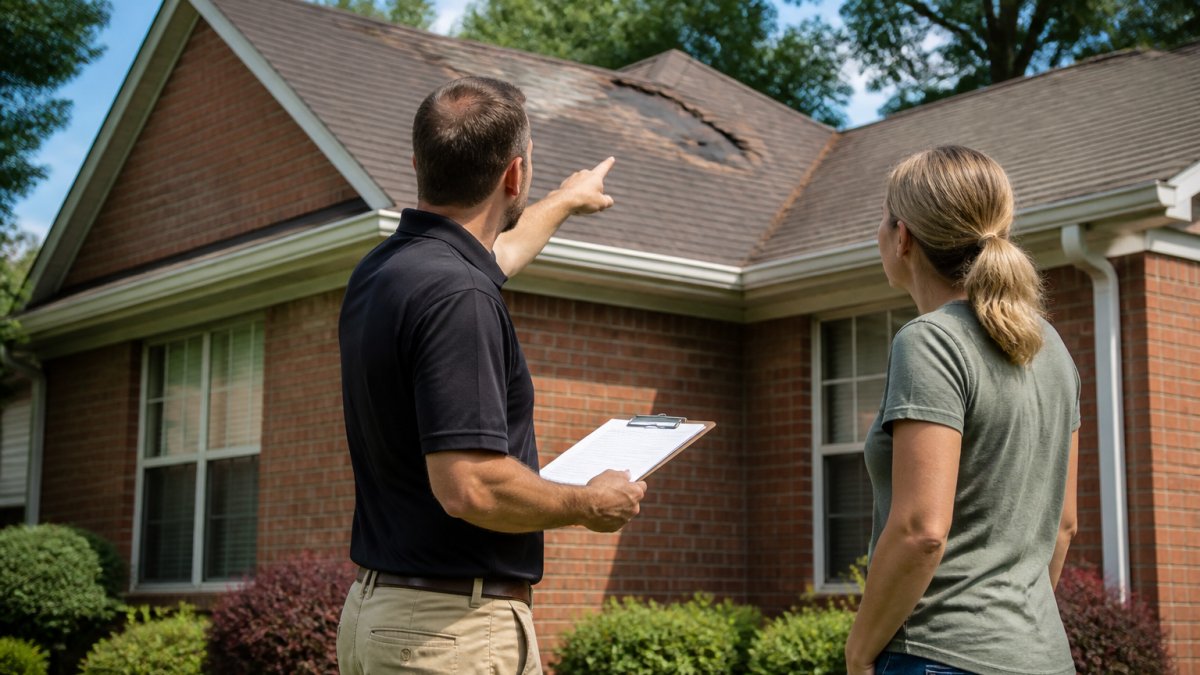
Start with a professional roof inspection and written repair estimate, which gives you a concrete number and the full scope of damage. Most roofing contractors offer free estimates detailing the work and materials required.
Break the estimate into categories: labor, materials, and any additional work discovered during the repair. This shows where your money goes and whether you can negotiate. Some contractors offer payment plans or cash discounts, so ask before committing.
Create a repair timeline. Delaying too long risks secondary damage like water intrusion into attic spaces or structural rot. Minor repairs can usually be scheduled within a few weeks; major replacements take longer depending on contractor availability and material delivery.
Consider a roof maintenance fund for future repairs. Even new roofs eventually need attention, and budgeting small amounts regularly makes larger repairs less painful.
Roof Repair Financing Options
If paying the full cost upfront isn't feasible, several financing paths exist. Personal loans from banks or credit unions offer fixed rates and predictable payments. Home equity lines of credit (HELOCs) let you borrow against your home's value at potentially lower rates, though they carry more risk since your home is collateral.
Some roofing contractors offer in-house financing or payment plans spreading costs over months with little or no interest. Leitch Roofing can discuss financing options during your free estimate consultation.
Credit cards work for smaller repairs, but high interest rates make them expensive for large jobs unless you pay the balance quickly. Home improvement loans designed for roof work exist through some lenders and may offer better terms than general personal loans.
Before choosing, calculate the total cost including interest. A lower monthly payment sometimes means paying significantly more overall, so compare total cost across options, not just the monthly payment.
What to Do When Your Roof Insurance Claim Is Denied
A claim denial feels frustrating, especially when you believe the damage is covered. Understanding why claims get denied helps you decide whether to challenge the decision or move forward with alternatives.
Understanding Denial Reasons
Insurers deny roof claims for several common reasons. The most frequent is determining damage results from wear and tear or poor maintenance rather than a sudden, covered loss. Hail and wind are covered; gradual deterioration is not. If your roof was already aging or poorly maintained, the adjuster may conclude the damage would have occurred anyway.
Another reason is a lapsed maintenance clause: some policies require regular inspections and maintenance, and the insurer might deny coverage even for sudden damage if upkeep was neglected. Pre-existing damage also triggers denials, since the adjuster won't cover damage that existed before the claimed event.
Policy exclusions are another factor: some policies exclude certain damage types or apply sub-limits to particular causes. Reviewing your policy language shows what's excluded. Finally, some claims are denied because the homeowner missed the reporting time limit.
Steps to Challenge a Claim Denial
Start by requesting a detailed written explanation of the denial; the insurer must provide specific reasons, not vague language.
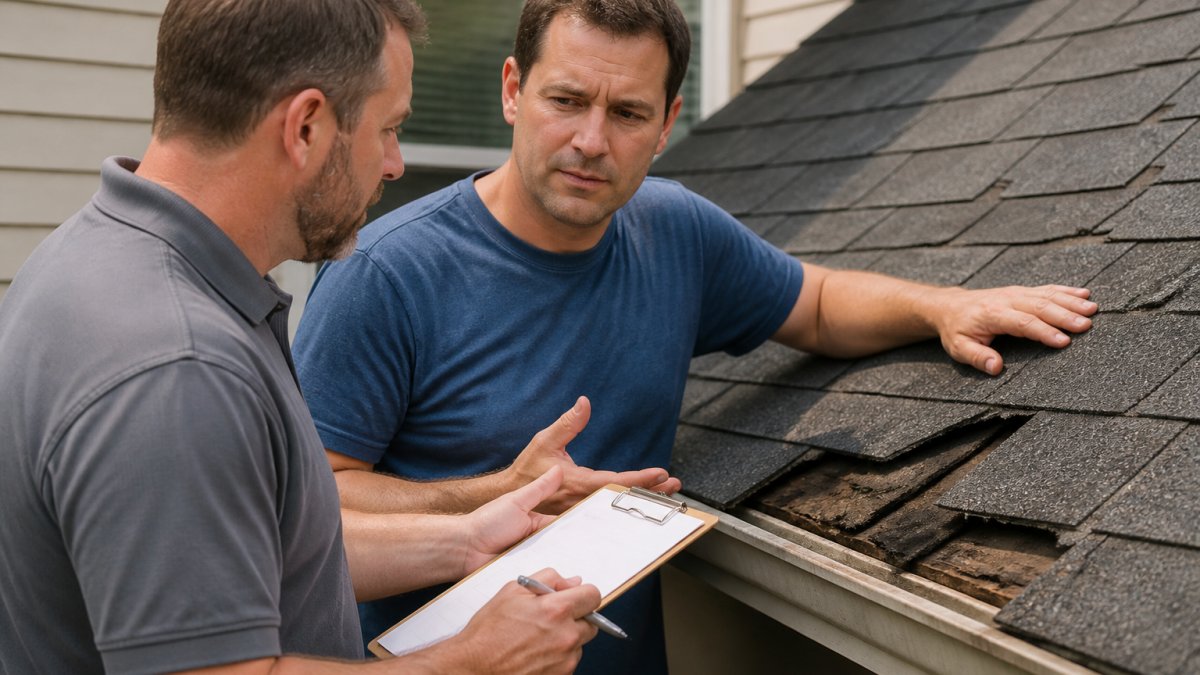
Get an independent roof inspection from a qualified inspector or contractor. This third-party assessment can contradict the adjuster's findings and provide evidence for your appeal. Leitch Roofing can provide professional inspection documentation supporting your claim.
Document everything in writing. Send letters (not emails) outlining why the denial is incorrect, referencing specific policy language, and keep copies of all correspondence.
Consider a public adjuster if the claim amount is substantial. They work on commission, advocate for policyholders in disputes, understand the claims process deeply, and often secure better settlements than homeowners achieve alone.
If the insurer still refuses to reconsider, your state's insurance commissioner's office handles consumer complaints. Filing one triggers an investigation, sometimes prompting reconsideration, costs nothing, and creates an official record of the dispute.
Preventive Maintenance to Reduce Future Roof Damage
Preventive maintenance is the cheapest alternative to both insurance claims and out-of-pocket repairs, catching small problems before they become expensive and extending your roof's lifespan significantly.
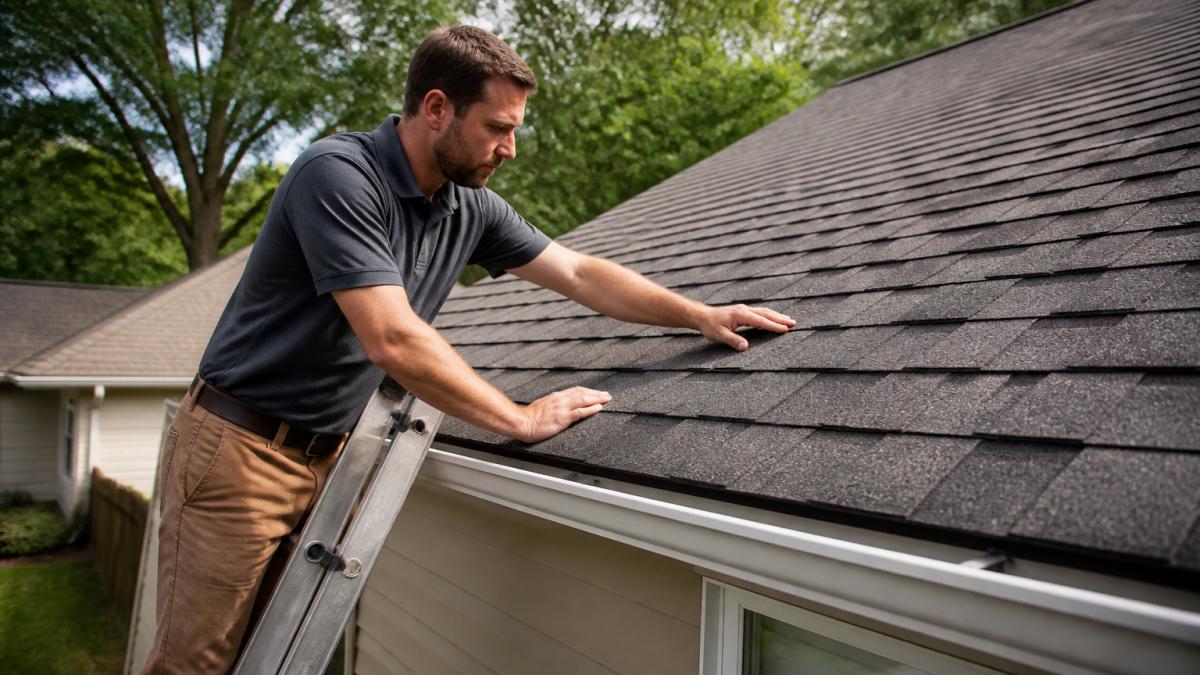
Inspect your roof twice yearly, spring and fall, or after severe storms. Look for missing or damaged shingles, deteriorated flashing around chimneys and vents, and debris in gutters.
Have a professional inspection every three to five years. A trained eye catches problems you might miss, like early rot, improper ventilation, or structural issues, and skipping this step means paying dearly when small problems become catastrophic.
Address repairs promptly. A single missing shingle exposes the underlying wood to water damage, and within months rot can spread, requiring an entire roof section to be replaced instead of a few shingles.
Ensure proper attic ventilation. Poor ventilation causes premature shingle deterioration and winter ice dams; adequate airflow extends roof life and reduces moisture damage. If your attic feels hot in summer or shows moisture, prioritize ventilation improvements.
How Claim History Affects Your Premiums
Filing roof insurance claims creates a permanent record insurers access when renewing your policy or when you shop for new coverage. This history directly impacts your premiums and sometimes your ability to get insured at all.
One claim typically raises premiums modestly, perhaps 10 to 15 percent depending on insurer and claim type. Two claims within five years trigger steeper increases.
The claim's cause matters too. Weather-related claims (hail, wind, storms) are viewed more favorably than water damage or theft claims, since weather is beyond your control. Multiple water damage claims suggest maintenance issues and elevate risk in the insurer's view.
Some insurers forgive the oldest claim after five to seven years without new claims; others have longer memories. A claim's impact gradually fades but never fully disappears from your history.
This makes the decision more complex than comparing repair cost to deductible.
Deciding: File a Claim or Pay Out of Pocket
The decision between filing a claim and paying out of pocket depends on several factors. Calculate the repair cost, subtract your deductible, and estimate premium increases over the next three to five years.
Consider your claims history: homeowners with no recent claims have more flexibility, while those with multiple recent claims should think carefully before adding another.
Assess severity and urgency.
Think about your finances. If you have cash reserves and can absorb the cost without disrupting other goals, paying out of pocket eliminates stress and uncertainty.
Finally, evaluate your roof's age and condition. An older roof near the end of its lifespan may be partially depreciated by insurance, meaning you'd receive less than the full repair cost.
| Decision Factor | File a Claim | Pay Out of Pocket |
|---|---|---|
| Repair cost far exceeds deductible | Preferred | Not optimal |
| Repair cost near or below deductible | Not optimal | Preferred |
| Multiple recent claims on record | Not recommended | Preferred |
| Clean claims history | Flexible | Flexible |
| Urgent damage requiring immediate repair | Preferred if time permits | Necessary if claim takes too long |
| Roof nearing end of lifespan | Not optimal | Preferred |
| Limited cash reserves | Claim + financing | Financing required |
When roof damage strikes, you have genuine alternatives to filing a roof insurance claim. The choice depends on repair costs, your deductible, claims history, and long-term premium impact.
Frequently Asked Questions
What should I do if my roof damage is below my deductible?
If repair costs are less than your deductible, filing a claim will not benefit you since you'd pay the full amount anyway. Instead, consider paying out of pocket for minor repairs, obtaining multiple repair estimates to find the best price, or scheduling repairs during contractor off-season discounts. For damage that may worsen, address it promptly to prevent costlier problems later. A professional roof inspection can help you understand the true scope and urgency of repairs.
Can I pay for roof repairs out of pocket instead of filing a claim?
Yes, paying out of pocket is a viable alternative to filing a claim, especially for smaller repairs or when damage falls below your deductible. Direct payment avoids potential premium increases, keeps your claim history clean, and gives you full control over contractor selection and repair timing. However, this approach requires upfront cash and means you absorb the entire repair cost. Compare the repair cost against your deductible and potential premium impact before deciding.
What are my options if my roof insurance claim is denied?
If your claim is denied, review your policy and the denial letter carefully to understand the reason. Common denial grounds include wear and tear, lack of coverage for that damage type, or policy exclusions. You can request a detailed explanation from your insurer, obtain an independent roof inspection to challenge the denial, hire a public adjuster to advocate on your behalf, or file a complaint with your state insurance commissioner. For urgent damage, consider paying for temporary repairs to prevent further deterioration while pursuing your appeal.
Will filing a roof claim affect my insurance premiums?
Filing a roof claim may increase your premiums at renewal, though the impact varies by insurer, claim history, and local market conditions. One claim typically has less impact than multiple claims. Some insurers offer claim forgiveness programs or may not raise rates for single weather-related claims. Contact your agent to ask about your specific policy's terms. If premium increases are a concern, compare the cost of out-of-pocket repair against the potential premium rise over several years.
How can I document roof damage before deciding whether to file a claim?
Document damage thoroughly with clear photos and videos taken from multiple angles, showing the damage and surrounding roof condition. Include wide shots for context and close-ups of specific damage. Record the date, weather conditions, and any visible signs of the cause (hail marks, wind damage, debris). Keep all documentation organized and store copies digitally. This documentation helps you make an informed decision about filing and strengthens any claim you do file. Professional inspection reports also serve as valuable documentation.