 ultimate-guide
Roof Repair vs Replacement Cost 2026: A Complete Decision Guide
Table of Contents
- Roof Repair vs Replacement: The 50% Rule and When to Choose Each
- How to Identify Storm Damage on Your Roof
- Average Roof Replacement Cost 2026: Material and Labor Breakdown
- Roof Repair Costs: What to Expect for Common Damage Types
- Roofing Insurance Claim Process: Navigating Damage Assessment and Coverage
- Factors That Influence Your Repair or Replacement Decision
- How to Get an Accurate Estimate and Avoid Costly Mistakes
- Conclusion: Making Your Repair or Replacement Decision
- Frequently Asked Questions
Last Updated: August 28, 2026
Roof Repair vs Replacement: The 50% Rule and When to Choose Each
The decision between roof repair and replacement cost isn't just about what you can afford right now, it's about what makes financial sense over the next decade. Most homeowners face this choice after a storm or when an aging roof starts showing signs of trouble, and the pressure to decide quickly often leads to the wrong call.
Here's the reality: if repairs will cost more than 50% of what a full replacement would cost, you're almost always better off replacing the roof. This isn't a hard rule, but it's a useful threshold that prevents you from throwing money at a system that's already failing. At Leitch Roofing, we've helped homeowners work through this exact decision.
The reason this matters is simple. A roof that's old enough to need major repairs is often close to the end of its lifespan anyway. Repair costs add up fast, labor, materials, potential water damage discovery during the work, and you're still left with a roof that's aging. A replacement gives you a fresh system with a full warranty and predictable costs.
But repair is sometimes the right choice. If your roof is relatively young (under 15 years old), the damage is isolated to one or two areas, and the overall structure is sound, a repair can buy you another 10-15 years of service. The key is understanding what you're actually dealing with before you commit to either option.
How to Identify Storm Damage on Your Roof
Storm damage isn't always obvious from the ground. You might see nothing wrong until water starts leaking into your attic during the next heavy rain. Learning what to look for, and when to call a professional, saves you from discovering problems after they've caused structural damage.
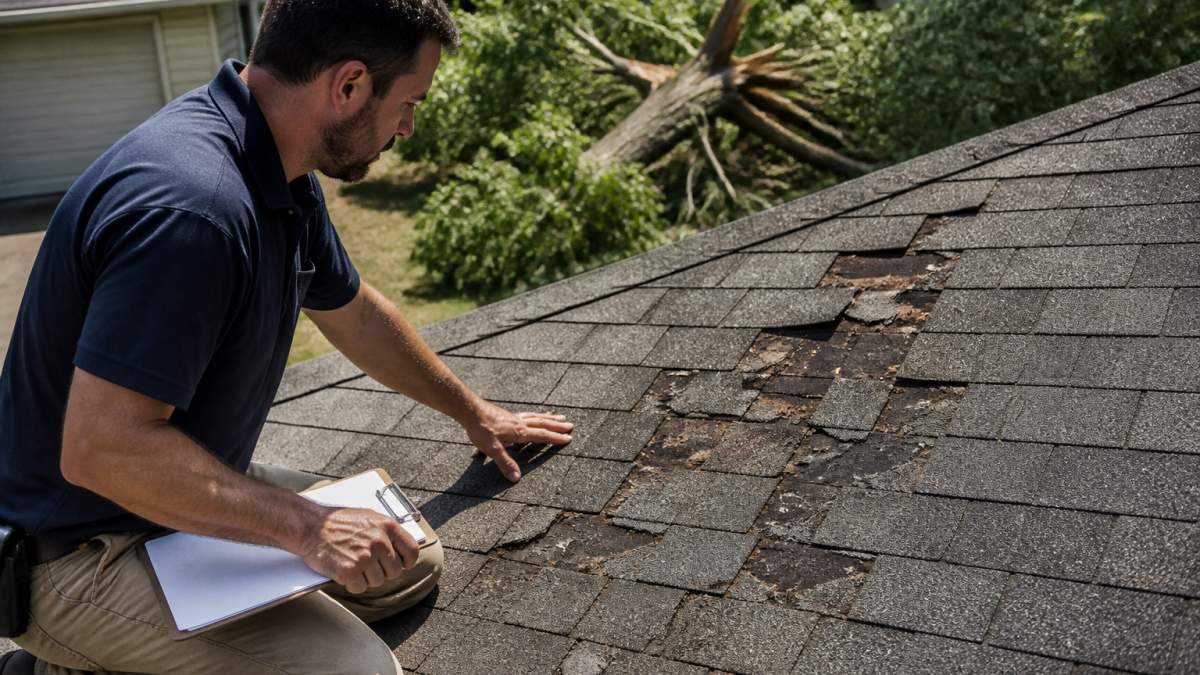
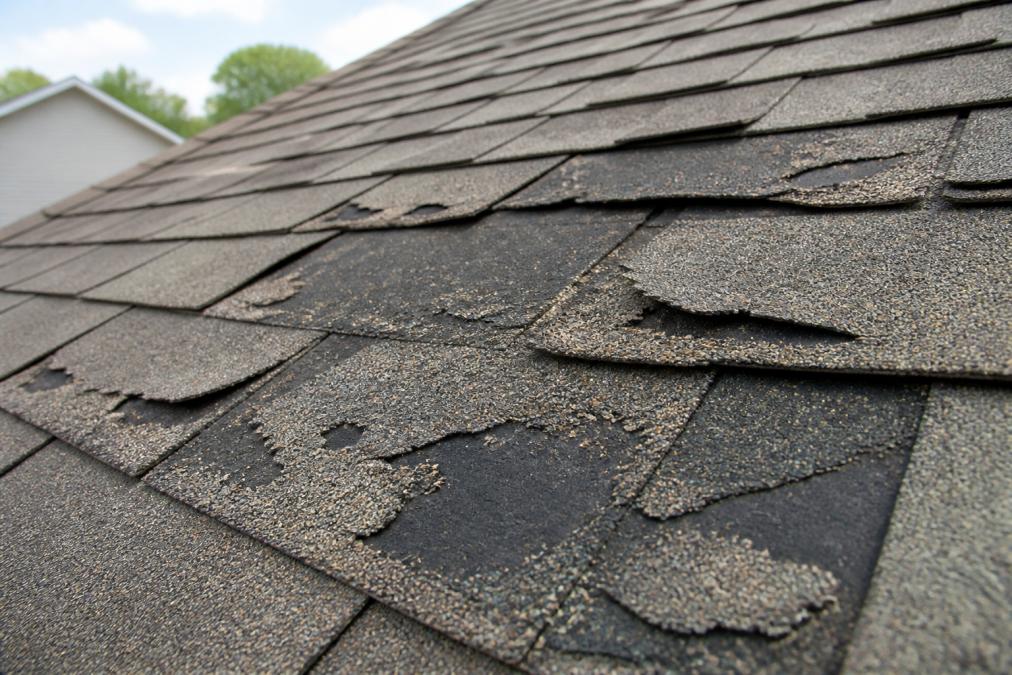
Start with asphalt shingles, the most common roofing material. After a storm, walk around your property and look for missing shingles or shingles with large sections torn away. Check for granule loss, which appears as bare spots where the protective coating has been stripped off, exposing the dark asphalt underneath. Curling or lifted shingles, especially at the edges, signal wind damage. These aren't cosmetic issues, exposed asphalt deteriorates rapidly and won't protect against water infiltration.
Flashing is where most hidden damage occurs. Flashing is the metal trim that seals joints where the roof meets chimneys, vents, and valleys. Storm winds can bend or separate flashing, creating gaps water exploits. Look along these seams for gaps, corrosion, or separation from the roof surface.
Check your gutters and downspouts for granules that have washed down from the roof. A small amount is normal wear, but heavy granule loss indicates significant shingle damage. Look inside the gutters too, you might find pieces of shingle or debris that confirms roof impact.
Interior inspection matters just as much. Go into your attic after a storm and look for water stains, mold, or wet insulation. Light coming through roof boards indicates holes. These interior signs often appear before exterior damage becomes obvious, so don't skip this step.
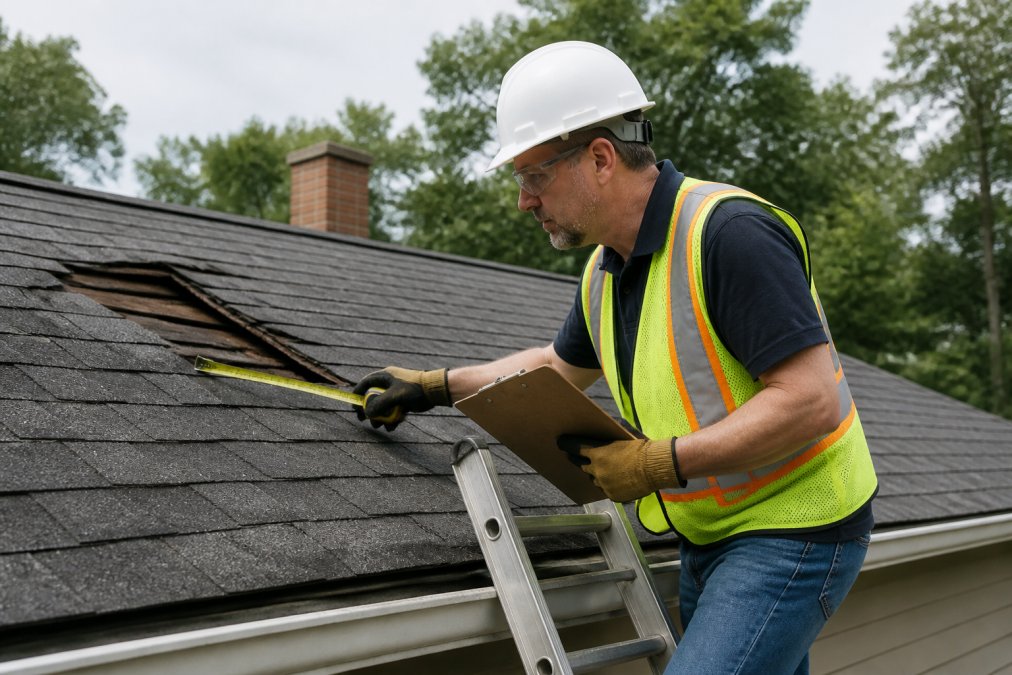
If you're uncomfortable on a ladder or the damage is extensive, call a professional. Many roofing contractors, including those at Leitch Roofing, offer free inspections and can identify damage you might miss. This is especially important for insurance claims, a professional assessment creates documentation that insurers expect.
Average Roof Replacement Cost 2026: Material and Labor Breakdown
Roof replacement cost depends heavily on three variables: the size of your roof, the material you choose, and local labor rates. Understanding how these factors combine helps you anticipate what you'll actually pay.
Roof size is measured in squares, where one square equals 100 square feet (nrca.net). A typical single-story home with a simple roof pitch might be 20-30 squares. A larger two-story home with a steeper pitch and more complex design could be 40-50 squares or more. To estimate your roof size, measure your home's footprint and account for slope, a steeper pitch increases the actual surface area you need to cover.
Material choice is the biggest cost variable. Asphalt shingles, the industry standard, are the most affordable option. Metal roofing costs more upfront but lasts longer and offers better energy efficiency. Slate and tile are premium materials with exceptional longevity but require specialized installation and structural reinforcement. Most homeowners choose asphalt shingles because they balance cost, durability, and performance.
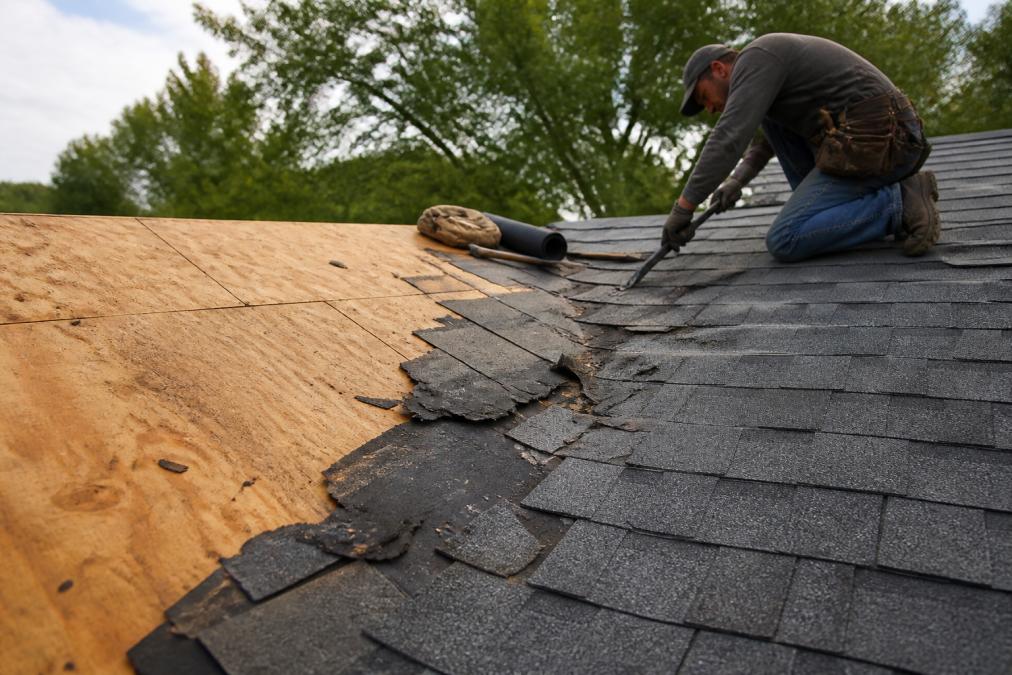
Labor costs vary by region and contractor experience. Urban areas typically have higher labor rates than rural areas. Complexity matters too, a roof with multiple valleys, skylights, and steep pitch costs more to install than a simple design. Tear-off costs, where the old roof is removed before installation, add to the total. Disposal fees for the old materials are separate line items.
Getting an accurate estimate requires a site visit. Reputable contractors will measure your roof, assess the structural condition, note any complications, and provide a detailed breakdown. This is where Leitch Roofing's free estimate becomes valuable, you get a professional assessment without obligation, and you can compare it against other quotes.
Roof Repair Costs: What to Expect for Common Damage Types
Repair costs scale with the extent of damage. A single missing shingle is a quick fix. A section of roof damaged by a fallen branch takes longer and costs more. Understanding what different repair scenarios involve helps you budget realistically.
Small repairs, a few missing shingles or minor flashing work, typically take a few hours and cost less than a few hundred dollars. A contractor will assess whether the underlying decking is damaged. If the wood is sound, they'll replace the shingles, seal the area, and you're done. If water has penetrated to the decking, costs rise because the decking needs repair or replacement.
Medium repairs, like replacing a section of roof or repairing extensive flashing damage, can run into the thousands. These jobs might take a full day or more and require scaffolding or safety equipment. If decking damage is discovered during the work, costs increase further. This is where the 50% rule becomes critical, if the repair estimate approaches half the cost of replacement, replacement often makes more sense.
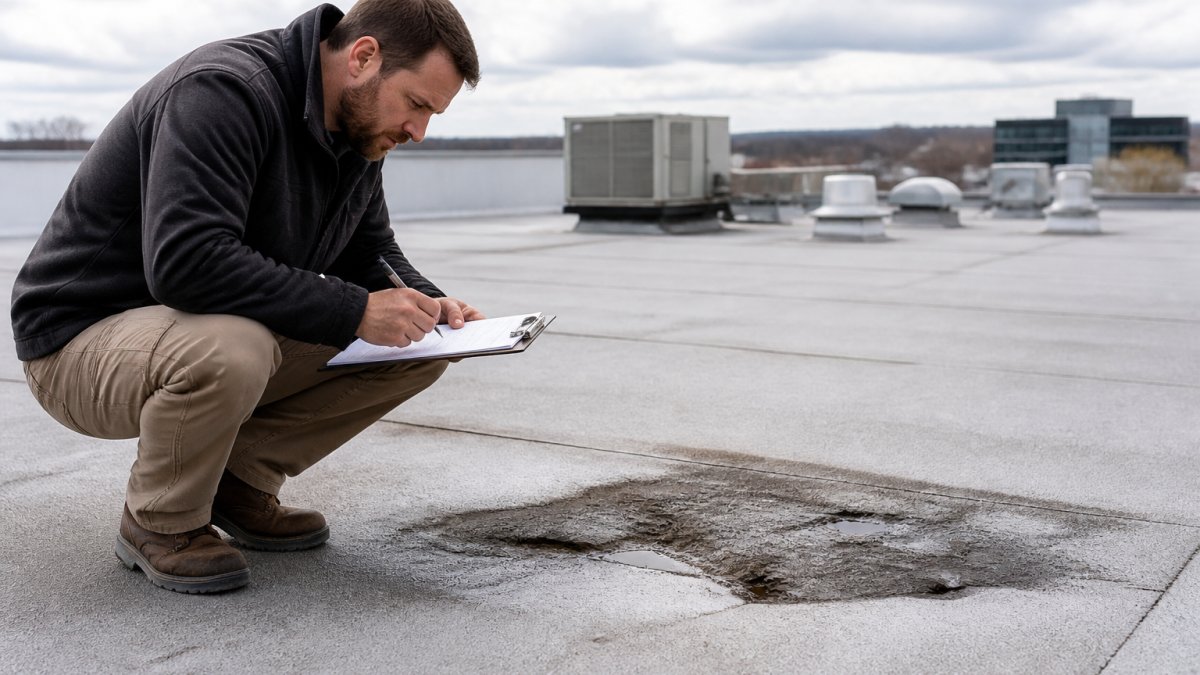
Leak detection and water damage assessment add to repair costs. If you've noticed leaks but the source isn't obvious, contractors use moisture meters and thermal imaging to locate the problem. This diagnostic work is essential because fixing the wrong area wastes money. Water damage to insulation, drywall, or framing compounds the cost and timeline.
Insurance claims affect repair costs too. If your insurance covers the damage, you pay your deductible, and the insurer covers the rest. If the damage is deemed wear and tear rather than storm damage, you pay the full repair cost yourself. This is why professional damage assessment and documentation matter, it supports your claim.
Roofing Insurance Claim Process: Navigating Damage Assessment and Coverage
Filing an insurance claim after roof damage requires understanding what your policy covers and how to document the damage properly. The process starts immediately after the event.
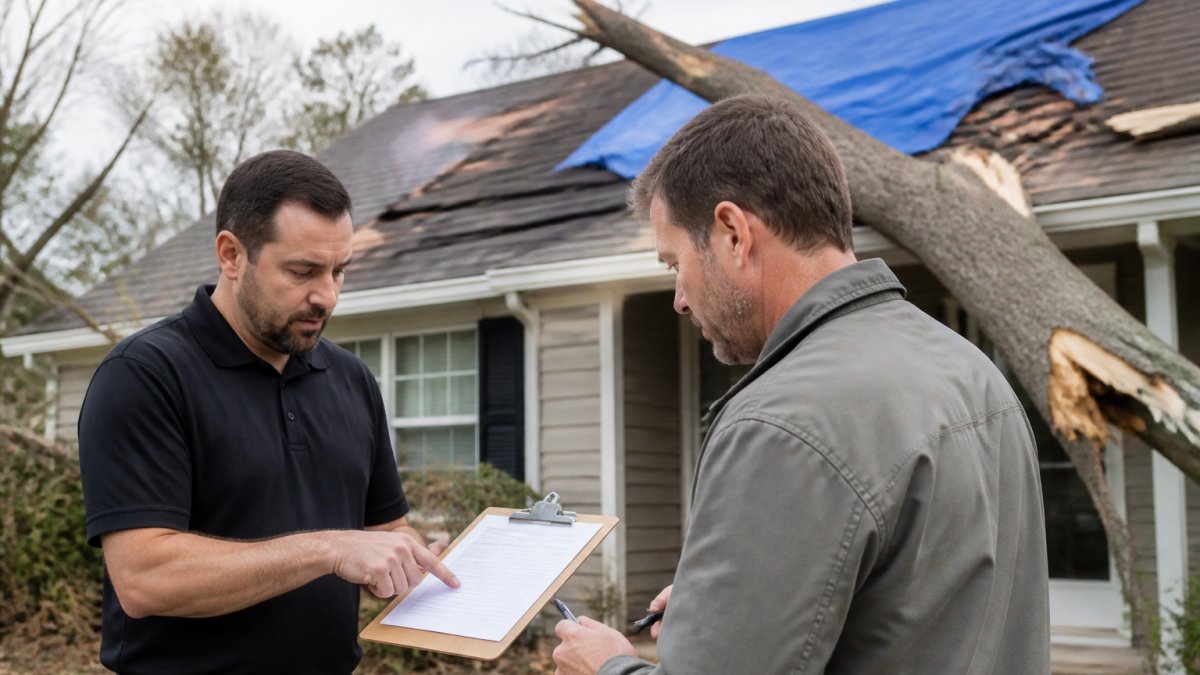
Contact your insurance company as soon as you discover damage. Most policies require prompt notification. The insurer will assign an adjuster who inspects the damage and determines whether it's covered. This is where professional assessment helps, if you have photos or a contractor's report documenting the damage, the adjuster has clear evidence to evaluate.
The adjuster's job is to determine whether the damage is covered under your policy and estimate the repair cost. Coverage depends on your specific policy, but most homeowners policies cover storm damage. Wear and tear, poor maintenance, and gradual deterioration are typically not covered. This distinction matters because an adjuster might claim damage is wear and tear when it's actually storm-related.
If you disagree with the adjuster's assessment or the estimated repair cost, you can request a second opinion or hire an independent adjuster. Many contractors, including Leitch Roofing, have experience working with insurance companies and can help you navigate disputes. They understand what insurers expect and can document damage in ways that support your claim.
Once the claim is approved, you receive payment based on the adjuster's estimate. If your repair costs exceed the estimate, you may need to pay the difference yourself. This is why getting multiple contractor quotes before filing your claim helps, you know what repairs will actually cost and can adjust your expectations accordingly.
The claim process typically takes weeks to months. Don't rush into repairs before the claim is settled unless there's an emergency like an active leak. Once you have approval and payment, you can hire a contractor and schedule the work.
Factors That Influence Your Repair or Replacement Decision
Beyond the 50% rule, several factors should shape your choice. Age is the most important. A roof that's 15-20 years old is nearing the end of its typical lifespan (the CDC). Even if repairs are currently cheaper, you'll likely face replacement within a few years anyway. Replacing now gives you a fresh start and avoids the disruption of another major project soon.
Roof condition beyond the immediate damage matters. If the roof has multiple problem areas, even if they're not all damaged right now, replacement makes sense. A roof with widespread granule loss, curling shingles, or deteriorating flashing is failing across the system, not just in one spot. Repair addresses the immediate problem but leaves the underlying issues.
Energy efficiency is a factor many homeowners overlook. New roofing materials, especially metal or reflective asphalt shingles, can reduce cooling costs by improving ventilation and reducing heat absorption (energy.gov). If you're replacing the roof anyway, upgrading to a more efficient material pays dividends over time.
Your plans for the home matter. If you're selling within a few years, a new roof increases curb appeal and home value. Buyers expect a roof with years of life remaining. If you're staying long-term, the energy efficiency and longevity of quality replacement materials justify the upfront cost.
Local building codes and permit requirements affect both repair and replacement costs. Some jurisdictions require permits for any roof work, which adds time and cost. Others have specific requirements for materials or installation methods. Understanding these local requirements before you get quotes prevents surprises later.
How to Get an Accurate Estimate and Avoid Costly Mistakes
Getting multiple estimates is essential, but knowing what to look for in an estimate separates good quotes from inflated ones. A quality estimate includes specific details, not just a total price.
The estimate should break down material costs, labor costs, and additional fees separately. It should specify the roofing material by name and grade, not just "asphalt shingles" but the exact product and warranty. It should list whether tear-off is included, what disposal costs, and whether permits are factored in. Hidden fees that appear only after work begins are a red flag.
Ask whether the estimate includes underlayment, flashing, and ventilation improvements. A cheap estimate that skips these components is setting you up for problems. Quality roofing includes all these elements because they protect the structural integrity of your roof.
The contractor should inspect your roof in person, not provide an estimate based on photos or your description. They should climb on the roof, check the decking condition, assess the pitch and complexity, and note any complications. An estimate based on a phone call or email is likely inaccurate.
Check references and verify licensing. A contractor should have liability insurance and be licensed in your state. Ask for references from recent projects and follow up with them. Ask specifically about communication, timeline adherence, and whether the final cost matched the estimate.
Timing your project affects cost. Emergency repairs after a storm are more expensive than planned maintenance during off-season. If you can wait until winter or early spring, contractors often have more availability and may offer better pricing.
Be wary of pressure tactics. A contractor who pushes you to decide immediately, offers a discount that expires today, or suggests you should avoid getting other quotes is prioritizing their sale over your interests. Legitimate contractors understand that homeowners need time to make this decision.
Conclusion: Making Your Repair or Replacement Decision
Choosing between roof repair and replacement cost comes down to weighing immediate expense against long-term value. The 50% rule provides a useful framework, but your specific situation, the age of your roof, the extent of damage, your plans for the home, and your budget, determines the right choice.
Storm damage and aging roofs are stressful situations, but rushing into a decision often costs more than taking time to evaluate your options. Getting professional assessment, understanding your insurance coverage, and comparing multiple contractor estimates gives you the information you need to choose confidently.
Leitch Roofing helps homeowners navigate this decision with free estimates, professional damage assessment, and insurance claim expertise. Whether you need repairs to address immediate damage or a full replacement to protect your home for the next 20 years, our team provides the assessment and guidance to make the right choice for your situation. Contact Leitch Roofing for a free estimate and let our experienced team help you understand your options and get your roof back to protecting your home.
Frequently Asked Questions
What is the 50% rule for roof repair vs replacement?
The 50% rule states that if repair costs exceed 50% of a full roof replacement cost, replacement is typically the better investment. This threshold helps homeowners avoid spending significant money on repairs that may fail again within a few years. Your roof's age, remaining lifespan, and overall condition all factor into this calculation. A professional inspection can determine whether your roof repair vs replacement decision aligns with this guideline.
How do I know if I need a roof repair or full replacement?
Signs you need repair include missing shingles, minor leaks, or localized damage from storms. Signs requiring replacement include widespread water damage, sagging roof decking, multiple leaks across different areas, or a roof nearing the end of its typical 20-25 year lifespan. If your roof is over 20 years old with visible deterioration, replacement is often more cost-effective than repeated repairs. A professional roof inspection can assess your specific situation.
What does the roofing insurance claim process involve?
After storm damage, contact your insurance company to file a claim and request an adjuster visit your property. The adjuster assesses damage and determines coverage. You'll receive an estimate for repairs. If you disagree with the assessment, you can hire a public adjuster or provide supplemental documentation. Many roofing contractors, including those offering insurance claim expertise, can help navigate this process and ensure you receive fair coverage for your roof repair or replacement needs.
How much does a roof replacement cost in 2026?
Roof replacement costs depend on square footage, material type, roof pitch, and labor rates in your area. Asphalt shingles typically cost less than metal or premium materials. A full replacement includes tear-off, disposal fees, new underlayment, flashing, and installation. Labor costs often represent 40-60% of the total project cost. For an accurate estimate reflecting current 2026 pricing, contact a local roofing contractor who can assess your specific roof dimensions and material preferences.
Can my insurance company deny a roof replacement claim?
Yes, insurance companies may deny claims if they determine damage results from wear and tear rather than a covered peril like storms. They may also deny claims if your roof exceeds its typical lifespan. If your claim is denied, you can dispute the decision by providing additional documentation, hiring a public adjuster, or requesting a second inspection. Professional roofing contractors experienced with insurance claims can help you understand your coverage and explore options for appealing denials.
What factors affect the total cost of roof repair or replacement?
Key factors include roof square footage, pitch or slope, material grade and type, local labor rates, building permits, tear-off and disposal fees, roof ventilation upgrades, and structural repairs needed. Asphalt shingles cost less than metal roofing. Steeper roof pitches increase labor time and cost. Geographic location affects both material availability and contractor labor rates. Storm damage requiring structural repairs to roof decking or flashing also increases costs. Request detailed estimates that break down these components.
Is roof repair or replacement better for my home's resale value?
A full roof replacement generally provides better resale value, especially if your current roof is aging or shows visible wear. Buyers view a new roof as a major investment already completed, reducing their concerns about future repairs. A roof replacement also improves curb appeal and home equity. If your roof is relatively new and damage is minor, a professional repair may satisfy buyer concerns. Discuss your specific situation with a roofing contractor to understand how repair versus replacement impacts your home's marketability.
Roof damage doesn't wait, and neither should your decision. When you're facing repair or replacement, you need a contractor who understands the real costs involved and can help you navigate insurance claims without overcharging. Leitch Roofing brings professional residential and commercial roofing services, quality materials, and skilled crews to every project. Get your free estimate today and discover why homeowners trust us to handle their most important home systems.