 ultimate-guide
Roof Inspection for Home Purchase: Complete Checklist
Table of Contents
- Why a Roof Inspection Matters Before Buying
- Common Roof Defects Home Inspection Reveals
- Exterior Roof Surface: What to Examine
- How to Identify Storm Damage on Roof
- Critical Components: Flashing, Gutters, and Vents
- Interior and Attic Inspection: Leak Signs
- Roof Age, Remaining Life, and Insurance
- Average Cost of Roof Inspection
- Frequently Asked Questions
Last Updated: September 22, 2026
Why a Roof Inspection Matters Before Buying
A roof inspection for home purchase is one of the most critical steps you can take before closing on a property. The roof is your home's primary defense against water intrusion, weather damage, and structural deterioration. Unlike interior renovations you can tackle later, roof problems compound quickly, a small leak becomes a major structural issue within months, and by then, you're looking at thousands in unexpected repairs.
The stakes are especially high in areas prone to storm damage or homes with aging roofing systems. A thorough roof inspection home purchase evaluation reveals defects that standard home inspections often miss or downplay. It gives you concrete data to negotiate repairs, request credits, or walk away before you're legally bound to the property.
This guide walks you through what a professional roof inspection for home purchase covers, what defects matter most, and how to use the findings in your negotiation.
Common Roof Defects Home Inspection Reveals
A professional roof inspection home purchase uncovers several categories of defects that affect your decision and your budget. These aren't cosmetic issues, they're structural and water-intrusion problems that determine how much longer the roof will protect your investment.
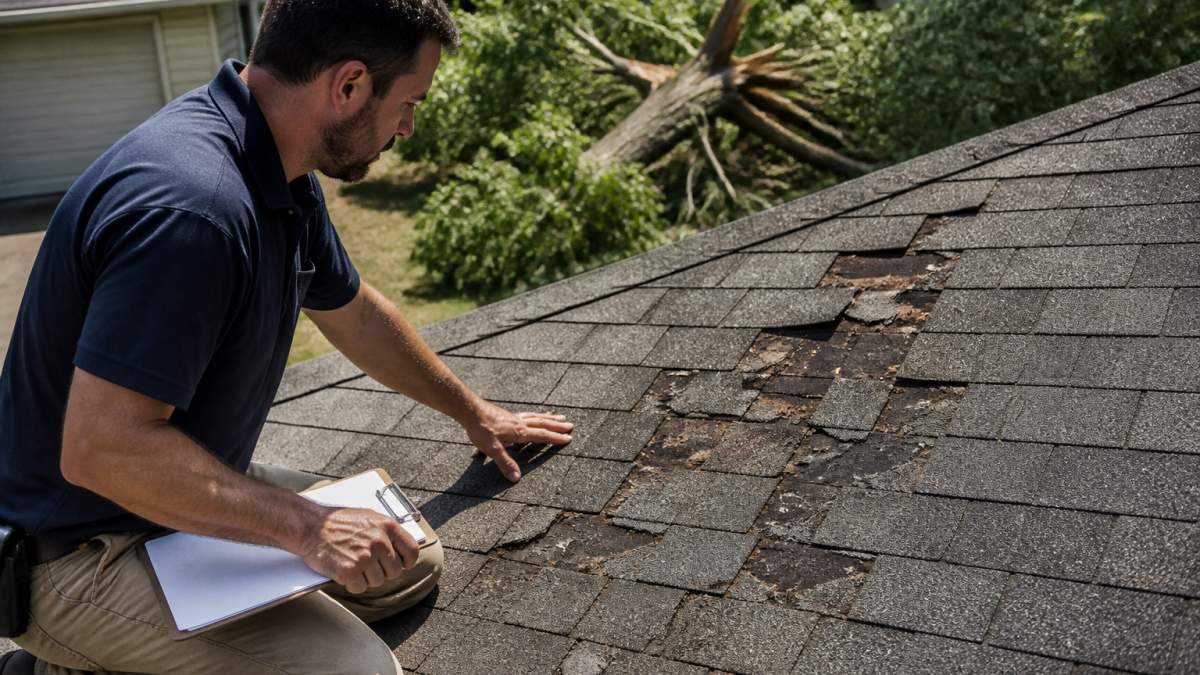
Shingle damage is the most visible category. Curling shingles, blistering, granule loss, and nail pops indicate the roof is aging or has suffered weather damage. Granule loss is particularly telling, those small stones protect the asphalt from UV degradation. Once they're gone, the shingles deteriorate rapidly. A roof losing granules in patterns suggests hail damage or accelerated aging.
Flashing failures are the second major category and often the most expensive to repair. Flashing seals the transitions where the roof meets chimneys, vent pipes, skylights, and walls. When flashing corrodes, separates, or was installed incorrectly, water finds its way into the attic and walls. By the time you see water staining inside, the damage is already extensive.
Ventilation problems create moisture buildup in the attic, which accelerates shingle failure and supports mold growth. Ridge vents, soffit vents, and proper airflow are essential to roof longevity. Many older homes have inadequate ventilation, which shows up as premature aging or dark streaking on the roof surface.
Structural issues, sagging, missing sections, or visible depression, indicate the roof decking or frame is compromised. This is the most serious category and typically requires full replacement rather than repair.
Exterior Roof Surface: What to Examine
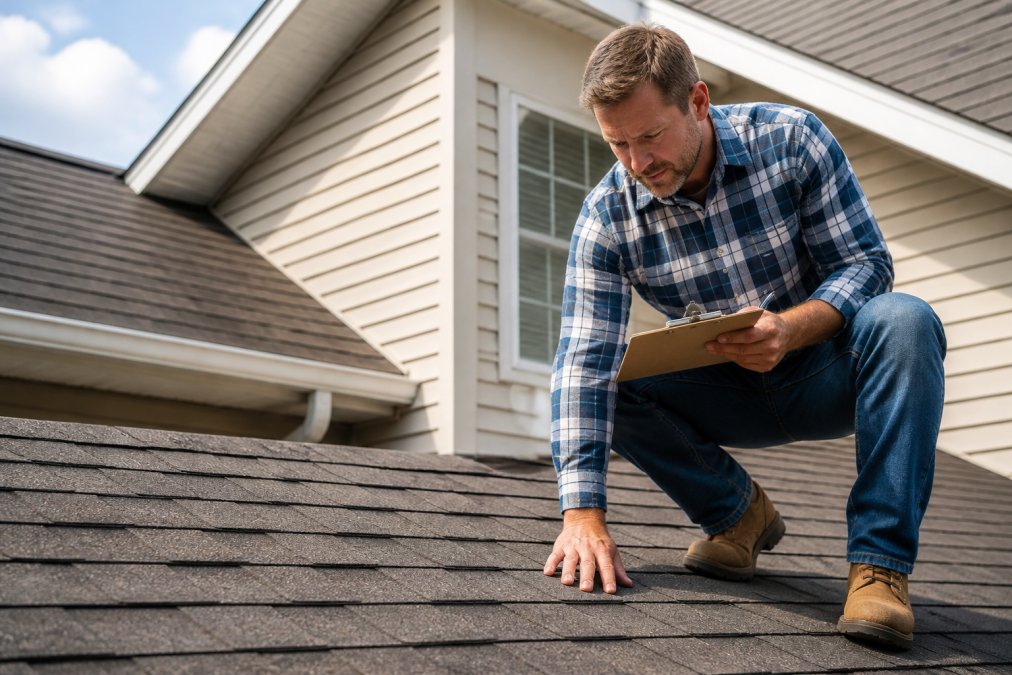
The exterior surface tells you the roof's age, condition, and remaining useful life. A visual inspection of the shingles, surface texture, and overall appearance provides immediate insight into whether you're looking at a roof with 5 years left or 15.
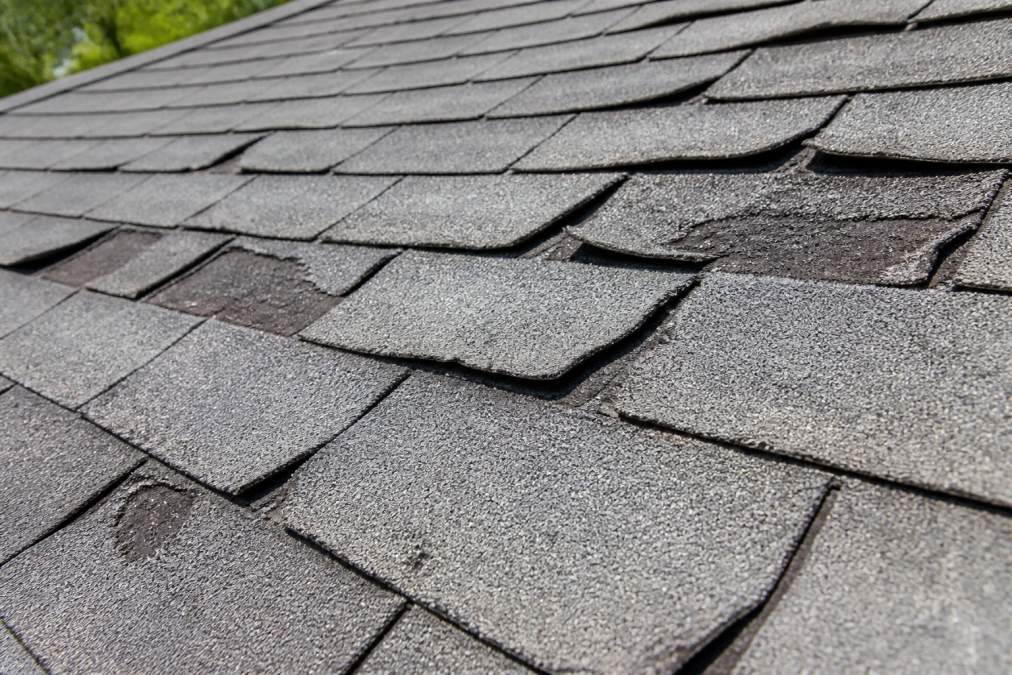
Shingle curling, blistering, and granule loss
Curling shingles curve upward at the edges, which allows wind to catch them and water to seep underneath. Blistering appears as raised bubbles on the shingle surface, caused by moisture trapped during manufacturing or by heat expansion. Both indicate the shingles are near end-of-life and should be replaced within 1-3 years.
Granule loss is the most reliable aging indicator. Run your hand across a section of roof, healthy shingles feel rough. Bare spots or areas where the underlying asphalt shows through mean the protective layer is gone. Check gutters and downspouts for granule accumulation, which confirms active loss. Moderate granule loss suggests 5-10 years of life remain; heavy loss means replacement is imminent.
A roof inspection for home purchase should document the percentage of shingles affected.
Moss, lichen, and algae growth
Dark streaking or fuzzy growth on the roof surface looks cosmetic but signals moisture retention and shading that accelerates deterioration. Moss and lichen thrive in damp, shaded areas and indicate the roof stays wet longer than it should, a sign of poor ventilation or drainage.
How to Identify Storm Damage on Roof
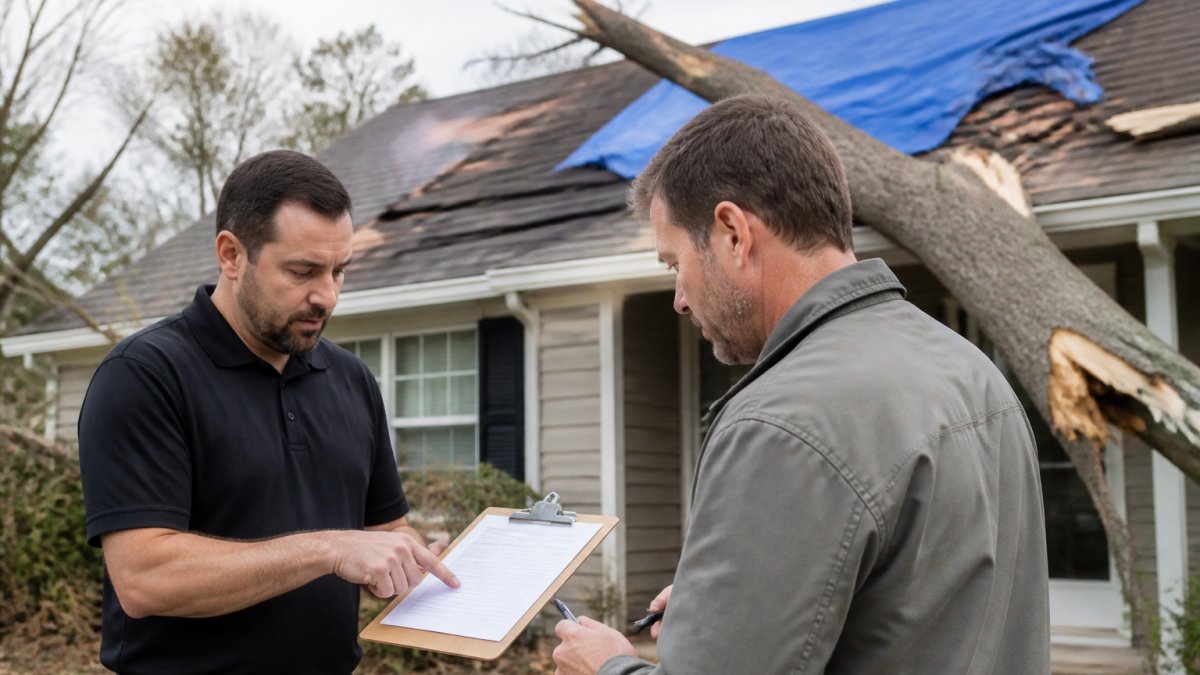
Storm damage appears in specific patterns that differ from normal aging. Hail, wind, and falling debris leave distinct marks that a professional roof inspection home purchase can document for insurance claims or negotiation.
Critical Components: Flashing, Gutters, and Vents
Beyond the shingles themselves, the roof's functional integrity depends on three critical systems: flashing that seals penetrations, gutters that manage water runoff, and vents that prevent moisture buildup.
Flashing and seals around chimneys and pipes
Flashing is metal or rubber material that seals the roof where it meets vertical structures like chimneys, vent pipes, and skylights. When flashing fails, water runs into the attic and walls, causing rot, mold, and structural damage that costs far more than the flashing repair itself.
During a roof inspection for home purchase, examine the flashing around every penetration. Look for:
- Rust or corrosion on metal flashing
- Gaps or separation between flashing and the roof
- Caulk that is cracked, missing, or pulling away
- Water staining or dark marks around the flashing (indicates past or current leaks)
Gutters, downspouts, and drainage systems
Gutters channel water away from the roof and foundation. Clogged, damaged, or improperly sloped gutters cause water to back up under the shingles and overflow onto the foundation, both of which lead to interior water damage and foundation problems.
Check for:
- Debris accumulation (leaves, granules, sediment)
- Sagging sections where the gutter pulls away from the fascia
- Rust holes or corrosion
- Downspouts that discharge water too close to the foundation (should extend 4-6 feet away)
- Evidence of overflow (water staining on fascia or foundation)
Ridge vents and soffit ventilation
Ridge vents run along the roof peak and allow hot, moist air to escape from the attic. Soffit vents (under the eaves) provide intake air. Together, they create the airflow that keeps the attic dry and extends roof life.
During inspection, look for:
- Blocked or partially blocked ridge vents (debris, paint, or improper installation)
- Missing soffit vents or vents that are clogged with paint or debris
- Signs of moisture in the attic (dark staining, mold, water marks on rafters)
- Inadequate ventilation (some older homes have none, which causes premature failure)
Interior and Attic Inspection: Leak Signs
The attic is where roof problems reveal themselves before they become visible inside the home. Water staining, mold, rot, and moisture damage in the attic indicate active or past leaks that require immediate attention.
- Water staining on rafters, decking, or insulation, brown or dark streaks indicate past or current water intrusion
- Mold or mildew growth, which appears as black or green fuzzy patches and indicates moisture retention
- Soft or spongy wood on rafters or decking, which signals rot from prolonged moisture exposure
- Daylight visible through the roof decking, which indicates holes or gaps
- Inadequate insulation or missing vapor barriers, which contribute to moisture problems
- Ice dam damage (in cold climates), water that backs up under shingles during freeze-thaw cycles
Roof Age, Remaining Life, and Insurance
The roof's age directly affects its remaining useful life and your insurance coverage. Most standard asphalt shingles last 20-25 years, but climate, ventilation, and maintenance significantly impact actual longevity (Resources).
During a roof inspection for home purchase, determine the roof's installation date by checking:
- Permit records or previous inspection reports
- Shingle manufacturer's date codes (stamped on the back)
- Visual aging indicators (granule loss, curling, color fading)
Average Cost of Roof Inspection
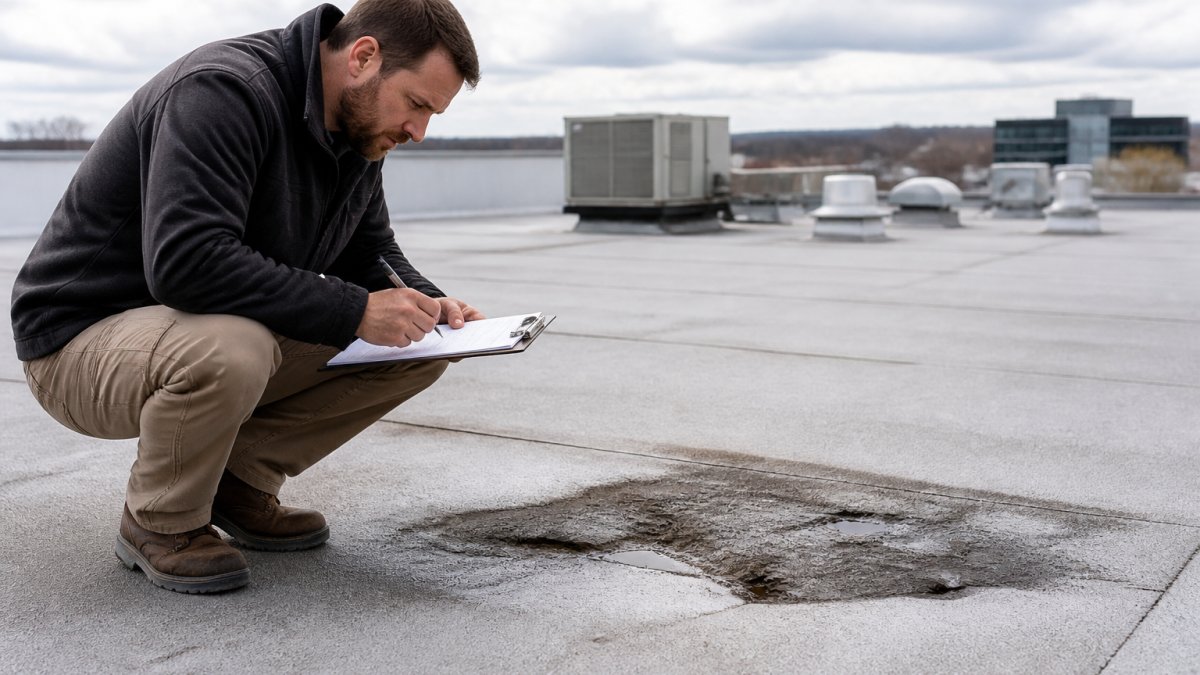
The cost of a roof inspection for home purchase varies based on roof size, complexity, and whether thermal imaging or additional testing is included. A basic visual inspection typically costs between $200 and $400 for a residential home. More comprehensive inspections that include attic access, moisture testing, or thermal imaging run $400 to $700.
When selecting an inspector, verify they:
- Physically access the roof (not just binoculars from the ground)
- Provide written documentation with photos
- Have experience with your region's climate and common defects
- Can explain findings clearly and answer questions about remaining life and repair costs
Frequently Asked Questions
What do home inspectors look for on a roof during a home purchase inspection?
Professional inspectors examine shingle condition, flashing integrity, gutters and drainage, attic moisture, ventilation systems, and signs of structural damage. They assess the roof's age, remaining useful life, and whether defects pose immediate threats or future expenses. This comprehensive roof inspection for home purchase protects you from inheriting costly repairs after closing.
How do I identify storm damage on a roof before buying?
Look for missing or damaged shingles, dented or crumpled metal flashing, granule accumulation in gutters, and bent downspouts. Check for water staining in the attic, soft spots in the roof decking, and displaced ridge vents. Storm damage can compromise the roof's ability to shed water, leading to costly interior damage. Professional inspection with thermal imaging can reveal hidden moisture intrusion.
What is the average cost of roof inspection?
Roof inspection costs typically range based on roof size and complexity, though pricing depends on your location, roof pitch, and whether thermal imaging is included. Contact local roofing professionals like Leitch Roofing for a free estimate. Investing in a pre-purchase inspection often prevents thousands in unexpected repairs and insurance claim disputes.
Will a roof inspection catch problems my insurance company might deny?
A professional roof inspection documents the roof's current condition with photos and detailed notes. This creates a clear record of pre-existing damage versus new storm damage, which strengthens insurance claims. If your insurer claims damage is wear and tear, a certified inspection report provides evidence to support your claim and can help dispute their assessment.
What roof problems will fail a home inspection or affect my purchase?
Inspectors typically flag structural sagging, active leaks, missing shingles, severely deteriorated flashing, inadequate ventilation, and roof decking damage. Roofs nearing the end of their useful life may require replacement estimates. These issues affect your home's value, insurance eligibility, and financing approval, making them critical to address before closing.
Should I get a separate roof inspection when buying a home?
Yes. A specialized roof inspection for home purchase goes deeper than a general home inspection. Roofing experts identify defects, estimate remaining useful life, and spot regional climate-specific wear that general inspectors might miss. This focused assessment helps you negotiate repairs, replacements, or price adjustments before you commit to the purchase.