 ultimate-guide
Is Roof Damage Wear and Tear? A Homeowner's Guide
Table of Contents
- What Counts as Normal Wear and Tear on a Roof
- Signs of Storm Damage vs. Aging
- What Homeowners Insurance Actually Covers
- Documenting Roof Damage for Insurance Claims
- How to Fight a Roof Insurance Denial
- The Role of Roof Age and Maintenance in Coverage Decisions
- Conclusion
- Frequently Asked Questions
Last Updated: September 2, 2026
What Counts as Normal Wear and Tear on a Roof
Normal wear and tear refers to the gradual deterioration of roofing materials due to exposure to weather, UV rays, and time, not a sudden event or impact. This distinction matters enormously because homeowners insurance typically covers sudden, accidental damage but excludes gradual deterioration.
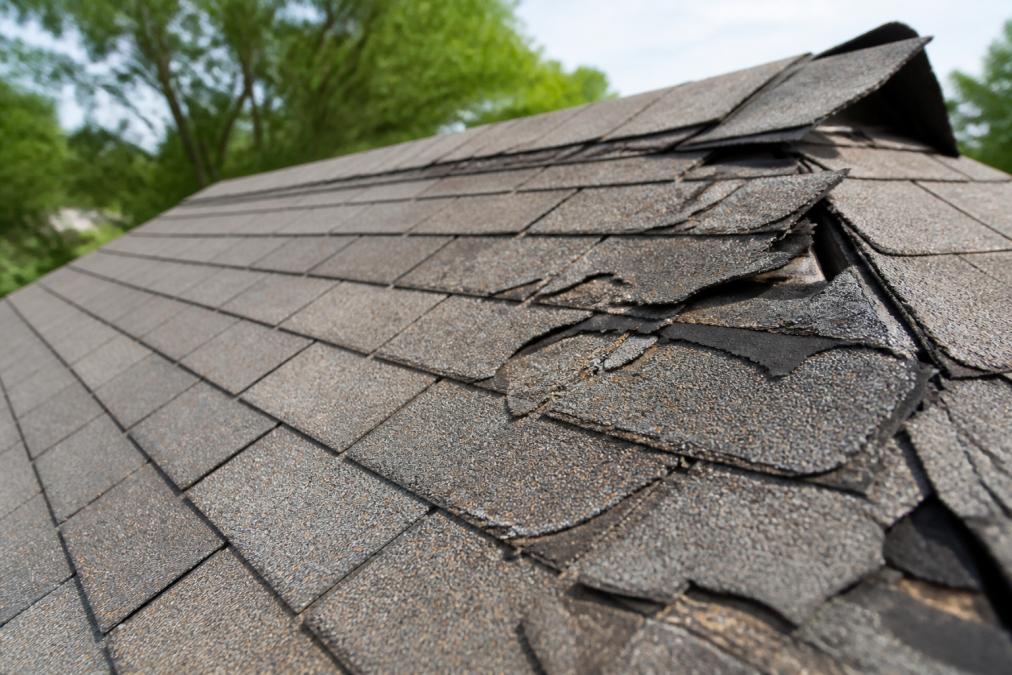
Asphalt shingles naturally degrade over their lifespan. Granule loss, color fading, and minor curling at the edges are expected as shingles age. Most asphalt roofs last 15-25 years, and as they approach the end of that range, these signs intensify (nrca.net). The ultraviolet rays from the sun break down the asphalt binder, causing discoloration and brittleness (peer-reviewed research). Wind exposure gradually loosens granules, which wash away during rain.
Blistering and minor cracking can occur as roofing materials expand and contract with temperature fluctuations. Moss or algae growth on shaded areas is common in humid climates and doesn't indicate structural damage. Sagging or slight waviness in the roof plane may develop over decades as the underlying structure settles naturally.
Here's what distinguishes normal aging from a legitimate insurance claim: wear and tear is predictable, widespread across the roof, and progresses slowly. A single missing shingle from wind is damage. Half your roof losing shingles after a storm is damage. But if shingles are missing because they've reached the end of their lifespan and finally failed, that's wear and tear, and your insurer will likely deny the claim.
Signs of Storm Damage vs. Aging
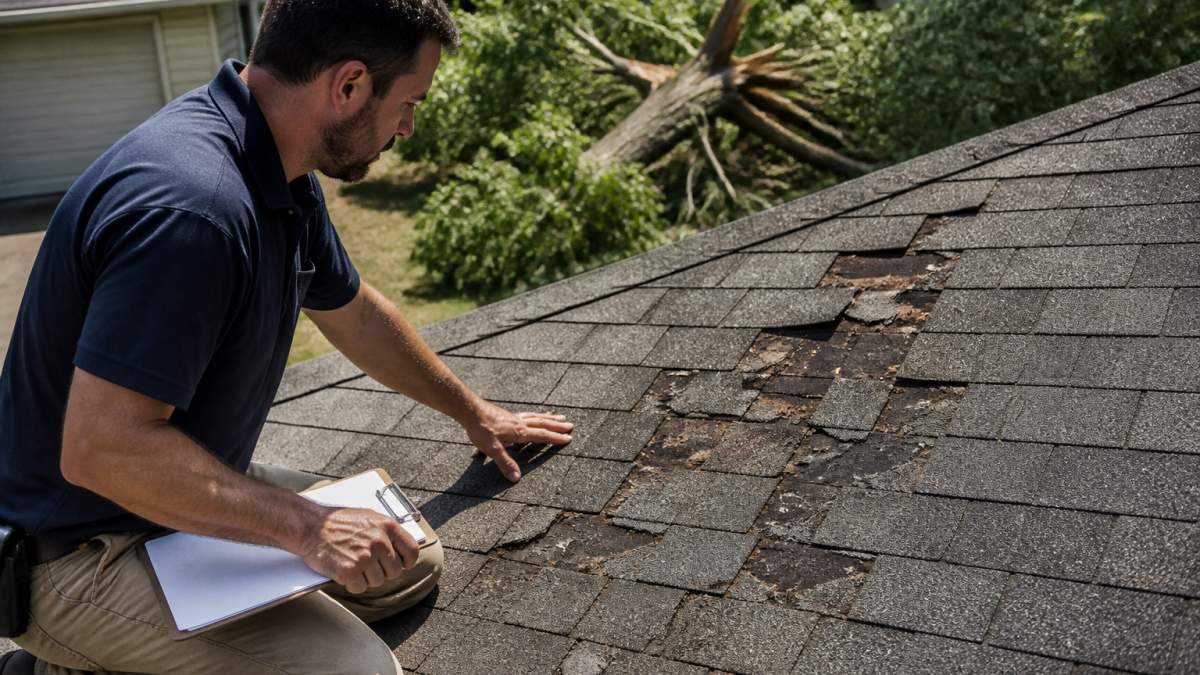
Storm damage appears suddenly and concentrates in specific areas. Hail impact creates round dents or punctures in shingles, often with a dark spot where the granules have been knocked away. Wind damage tears shingles, exposes the felt underlayment, or rips shingles completely off the roof. These impacts are localized, you'll see damage in one section while nearby shingles remain intact.
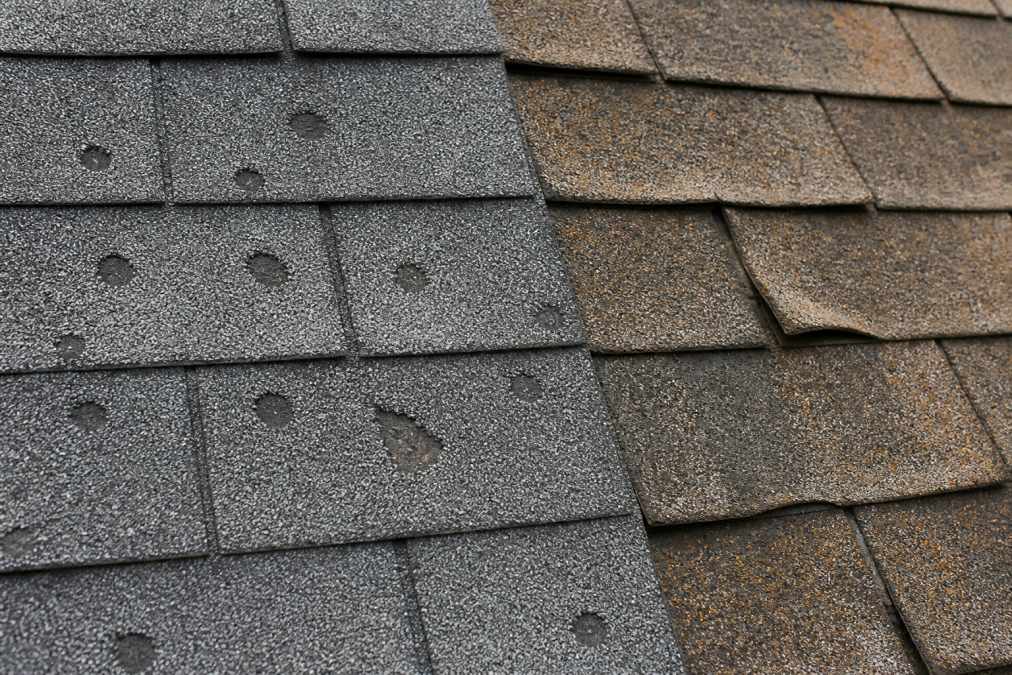
Aging damage spreads uniformly across the entire roof. Curling shingles affect most or all of the roof surface, not just one side. Discoloration from UV exposure is gradual and consistent. Granule loss happens slowly over years, creating a general thinning appearance rather than sudden bare spots. The difference is timing: storm damage happens in hours; aging happens in years.
Water stains inside your attic or ceiling indicate a leak, but they don't prove the cause. A roof that's already failing from age may finally leak after a rainstorm, but the rain didn't cause the failure, it exposed it. Insurance adjusters understand this distinction. They'll look at the overall condition of the roof, not just the presence of water damage.
One common mistake homeowners make: calling a roofer first and then filing an insurance claim based on their report. If that roofer has an incentive to find damage (because they profit from repairs), an adjuster may discount their assessment. Document the damage yourself with dated photos before contacting anyone.
What Homeowners Insurance Actually Covers
Homeowners insurance covers sudden, accidental damage from external causes. A hailstorm, fallen tree, or high wind event that damages your roof qualifies. The policy pays for repairs or replacement (minus your deductible) as long as the damage wasn't caused by lack of maintenance.
Most standard homeowners policies exclude gradual deterioration, poor maintenance, and age-related damage. If your roof is 20 years old and finally fails, that's not covered. If you ignored moss growth that trapped moisture and rotted the decking, that's not covered. If your gutters were clogged and water backed up under the shingles, that's not covered, it was preventable through maintenance.
The actual cash value versus replacement cost distinction is critical. Actual cash value pays the cost to repair minus depreciation (naic.org). If your 15-year-old roof would cost $12,000 to replace but is 60% depreciated, the insurer pays roughly $4,800. Replacement cost coverage pays the full $12,000 without depreciation. Many homeowners don't realize they have actual cash value coverage until they file a claim and discover the payout is far less than expected.
Your deductible applies per claim. If your deductible is $1,000 and the storm damage costs $3,000 to repair, you pay $1,000 and insurance covers $2,000. Some policies offer a percentage deductible for wind or hail damage (e.g., 2% of your home's insured value), which can be significantly higher than a flat deductible.
Documenting Roof Damage for Insurance Claims
Documentation is your evidence in a dispute with your insurer. Proper documentation can mean the difference between a claim approval and a denial. Start by taking photos and video immediately after the damage occurs, ideally within 24-48 hours while the damage is fresh and before weather conditions worsen it further.
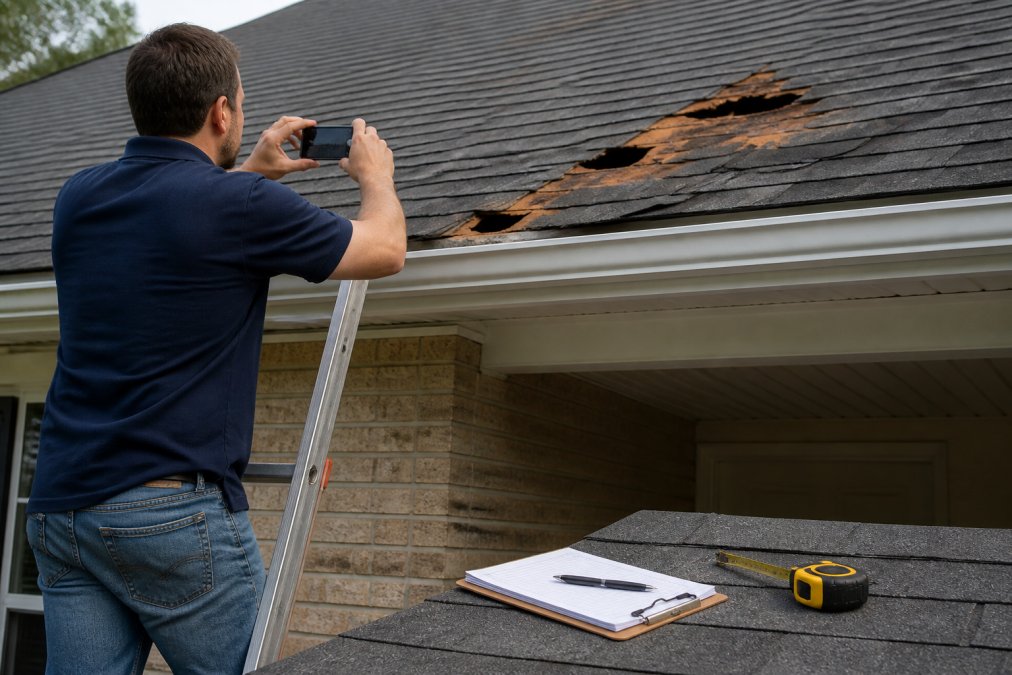
Photograph the damaged area from multiple angles: close-ups showing the specific damage (missing shingles, dents, tears), wide shots showing the location on the roof, and photos from the ground showing the overall roof condition. Include reference objects in photos, a coin, ruler, or common item next to the damage helps establish scale. Timestamp your photos if your camera records it automatically.
Document the weather event. Save news reports, weather service records, or insurance adjuster reports that confirm a storm occurred in your area on the date you claim damage happened. This creates an objective record that a weather event actually took place.
Create a written record. Note the date, time, weather conditions, and a description of what you observed. "Heavy hail, approximately golf-ball sized, fell for 15 minutes at 3 PM on August 15, 2026. Observed missing shingles on the north side of the roof and dents on the garage roof." Specific details matter more than general descriptions.
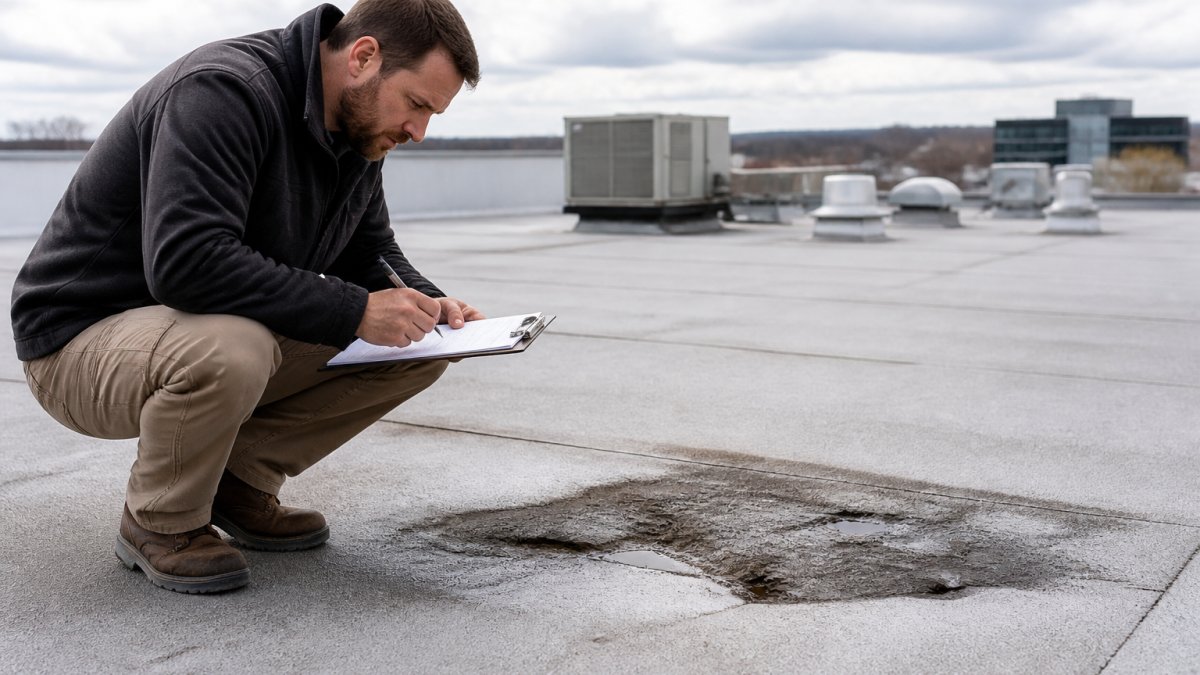
Get a professional inspection report from a licensed roofer or engineer. This isn't the same as a repair quote. An inspection report documents the condition of the roof and identifies damage with professional terminology and photos. Insurance adjusters weigh professional assessments heavily. At Leitch Roofing, we provide detailed inspection documentation that meets insurance standards and helps support your claim.
Keep all receipts and records related to roof maintenance. If you had the roof inspected annually, gutters cleaned, or repairs made, save those records. They prove you maintained the roof properly, which strengthens your position if the insurer claims lack of maintenance caused the damage.
How to Fight a Roof Insurance Denial
If your claim is denied, you have options. First, request the adjuster's written explanation for the denial. Insurance companies must provide specific reasons. "Wear and tear" is a reason, but it should include details about why they determined the damage was gradual rather than sudden.
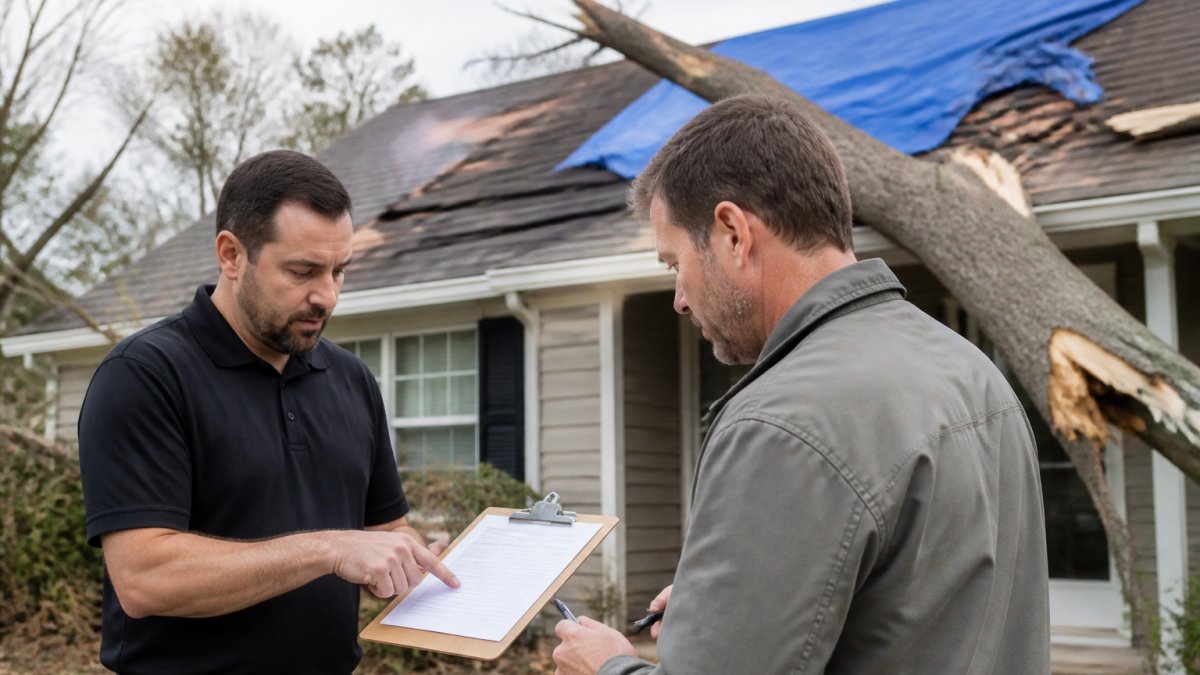
Review the adjuster's assessment against your documentation. Did they misidentify damage? Did they ignore evidence of the weather event? Did they inspect the roof on a day when damage wasn't visible due to weather or lighting? Adjusters are human and make mistakes. If you find inconsistencies between their report and your photos or the weather service records, document those discrepancies.
Contact your insurance agent and explain your disagreement. Your agent works for the insurance company, but they have an incentive to resolve disputes without escalating them. A well-reasoned argument with supporting evidence sometimes prompts a second review.
Request an independent appraisal. Many policies include an appraisal clause that allows either party to bring in a neutral third-party appraiser if there's a dispute about the damage amount or cause. The insurer appoints one appraiser, you appoint one, and if they disagree, they select a third appraiser. The cost is split. This process is more formal than a simple phone call but less expensive and time-consuming than litigation.
File a complaint with your state's insurance commissioner if you believe the insurer acted in bad faith. Bad faith means the insurer denied a valid claim without reasonable grounds or failed to investigate properly. State insurance commissioners take these complaints seriously and can pressure insurers to reconsider decisions.
Consider hiring a public adjuster or attorney. A public adjuster works on your behalf to negotiate with the insurance company and typically takes a percentage of the approved claim (usually 5-10%). An attorney becomes necessary if the claim amount is substantial and the denial appears unjustified. Many attorneys work on contingency, meaning you pay nothing unless you win.
The Role of Roof Age and Maintenance in Coverage Decisions
Your roof's age is one of the first things an insurance adjuster considers. Insurers maintain actuarial data on when roofs typically fail. A 22-year-old asphalt roof is nearing the end of its expected lifespan. If damage occurs to a roof that old, the adjuster will scrutinize whether the damage was truly sudden or whether the roof was already failing.
Some insurers deny coverage for roofs over 20 years old entirely, or they offer only actual cash value coverage with significant depreciation. A few insurers require roof replacement or certification of roof condition before renewing a policy on a home with an older roof. Check your policy renewal documents, you may find a notice that your coverage is changing or that you need to address the roof to maintain coverage.
Maintenance records directly impact claim outcomes. If you can demonstrate regular gutter cleaning, annual inspections, and prompt repairs of minor damage, you've built a strong defense against a "lack of maintenance" denial. Conversely, if the adjuster finds evidence of neglect, clogged gutters, visible moss or algae that was never addressed, or obvious damage that wasn't repaired, they'll use that against you.
The causal chain matters. A roof with pre-existing damage from poor maintenance that finally fails during a storm is not covered, even though a storm occurred. The storm didn't cause the failure; it exposed it. Adjusters distinguish between damage caused by the storm and damage that merely became visible because of the storm.
Professional maintenance becomes increasingly important as your roof ages. Regular inspections catch small problems before they become large ones. At Leitch Roofing, we recommend annual inspections for roofs over 15 years old, more frequent inspections for roofs over 20 years old. These inspections create a documented history of the roof's condition and demonstrate your commitment to maintenance, both of which support your position if you ever need to file a claim.
Conclusion
The distinction between roof damage and wear and tear determines whether your insurance claim gets approved or denied. Storm damage is sudden, localized, and caused by an external event. Wear and tear is gradual, widespread, and the natural result of aging and exposure. Insurance covers the first; it excludes the second.
Your roof's age, maintenance history, and the specific condition of the damaged area all factor into the adjuster's decision. Documentation, photos, weather records, maintenance receipts, and professional inspections, is your evidence. If you disagree with a denial, you have the right to request explanation, seek a second opinion, or escalate to an independent appraisal.
When you're facing roof damage and uncertain whether your insurance will cover it, professional guidance makes a difference. Leitch Roofing provides detailed damage assessments and insurance claim documentation that meets adjuster standards. We help homeowners understand what their coverage actually includes and support the claim process with professional reports and expertise. Get a free estimate today and let us help you navigate the insurance process with confidence.
Frequently Asked Questions
What is normal wear and tear on a roof?
Normal wear and tear includes gradual deterioration from age, UV exposure, and weather exposure. This covers discoloration, minor granule loss from asphalt shingles, slight curling at shingle edges, and general fading. Homeowners insurance does not cover these natural aging processes. Most roofs have a lifespan of 20-25 years, and insurers often deny claims on older roofs, treating damage as age-related rather than storm-caused.
How do I document roof damage for insurance to prove it's not wear and tear?
Take clear photographs and video from multiple angles, showing the damage location and surrounding undamaged areas for comparison. Document the date and weather conditions when damage occurred. Measure and note specific damage types: missing shingles, dents, or tears with sharp edges. Keep records of any prior roof inspections. Write a detailed description of the damage and when you discovered it. This documentation helps your adjuster distinguish sudden storm impact from gradual aging.
Can I fight an insurance denial if the adjuster says my roof damage is just wear and tear?
Yes. Request a written explanation of the denial and review your policy language carefully. If storm damage occurred, gather weather reports and photos showing the damage pattern is consistent with that event. Obtain a professional roof inspection from a licensed roofer who can provide a detailed report distinguishing storm damage from aging. Many denials can be appealed with this evidence. Some homeowners hire a public adjuster or attorney specializing in insurance claims to strengthen their case.
Will insurance cover my roof if it's 10 years old?
Coverage depends on your policy and the type of damage. Many insurers cover storm damage to roofs up to 15-20 years old, but depreciation reduces the payout as the roof ages. Roofs over 20 years old face higher denial rates because insurers classify damage as deterioration rather than storm-related. Review your policy's age limits and actual cash value versus replacement cost coverage. Older roofs may qualify for coverage only if damage clearly results from a sudden weather event, not gradual wear.