 comparison
Elevated Roofing vs Arnold Roofing: 2026 Comparison
Table of Contents
- Elevated Roofing vs Arnold Roofing: Side-by-Side Comparison
- Residential Roof Replacement Cost Guide: What Each Company Offers
- Storm Damage and Hail Damage Restoration Capabilities
- Roofing Insurance Claim Process: Which Contractor Simplifies It
- How to Choose a Roofing Contractor: Key Evaluation Criteria
- Commercial and Multifamily Roofing Solutions Compared
- Conclusion
- Frequently Asked Questions
Last Updated: September 15, 2026
Elevated Roofing vs Arnold Roofing: Side-by-Side Comparison
Choosing between Elevated Roofing and Arnold Roofing comes down to what you actually need done. Arnold Roofing & Restoration is a professional roofing company specializing in residential and commercial restoration, including storm damage support. Elevated Roofing operates as a regional roofing contractor serving homeowners and businesses with repair and replacement work. Both handle residential and commercial projects, but they differ in focus, transparency, and how they guide you through the insurance claim process.
This roofing comparison from Leitch Roofing breaks down where each contractor performs well and where they fall short, so you can make a decision based on evidence rather than review counts.
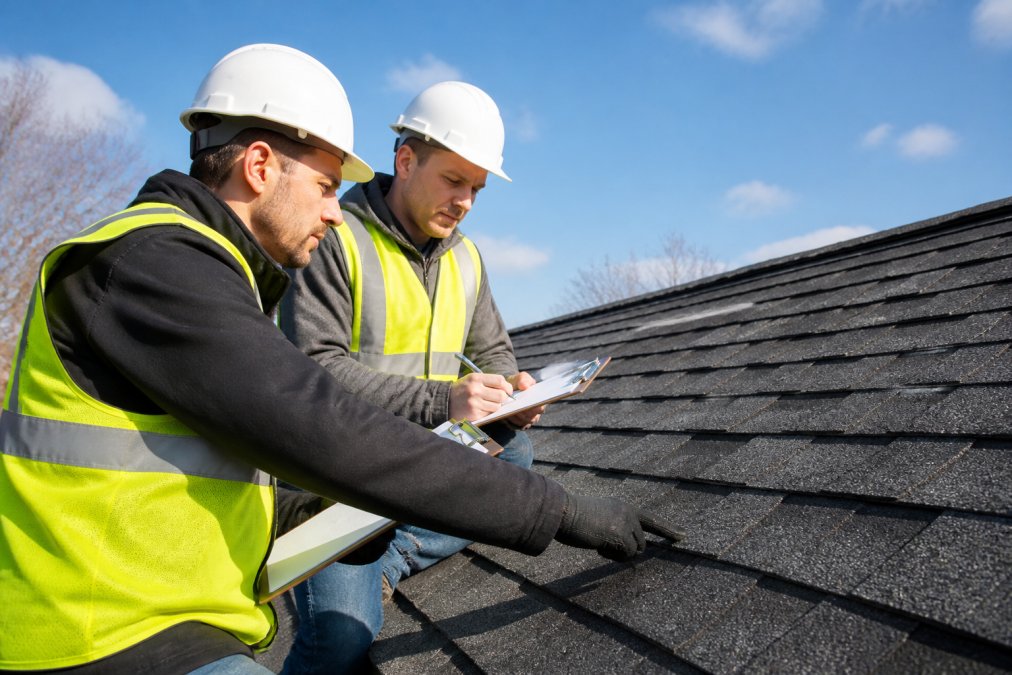
Most comparison pages stop at a marketing blurb. The table below instead scores each contractor against the criteria that actually decide a roofing project: what they specialize in, how they quote, how they document damage, and what happens after the crew leaves. Where a company does not publish a detail, that is noted as "Not published" rather than guessed at.
| Comparison Metric | Elevated Roofing | Arnold Roofing |
|---|---|---|
| Primary focus | Residential and commercial repair and replacement | Storm and hail restoration, plus general roofing |
| Multifamily / multi-unit projects | Limited public track record | Experienced, positioned as a specialty |
| Consultation style | Standardized estimates | Customized, condition-based assessments |
| Pricing model | Project-based (no published rates) | Project-based (no published rates) |
| Estimate format | Ask for line-item breakdown | Ask for line-item breakdown |
| Insurance claim assistance | Assists on its own repair projects | Supports claims as part of restoration work |
| Published warranty terms | Not published | Not published |
| Published project timelines | Not published | Not published |
| Material options listed publicly | Not published | Not published |
| Best fit | Straightforward repair or replacement | Storm claims and multifamily restoration |
Two patterns stand out. First, neither contractor publishes warranty terms, average project timelines, or a material menu, so those three items have to be extracted by phone or in person, and you should treat a refusal to put them in writing as a signal. Second, the real dividing line is not quality but project type: restoration and multifamily work on one side, general repair and replacement on the other.
A practical way to use this table is to score each contractor yourself. Print it, call both offices, and fill in the "Not published" rows with what you are told. Any contractor that will not commit to a number or a document over the phone is telling you something about how the project will go.
Residential Roof Replacement Cost Guide: What Each Company Offers
Neither company publishes a fixed price list, which is standard for the industry. A residential roof replacement cost guide from either contractor starts with an on-site inspection, because square footage, pitch, material choice, and tear-off requirements vary too much for flat-rate quotes.
Arnold Roofing provides personalized consultations rather than standardized pricing, meaning your estimate reflects your specific roof condition. Elevated Roofing follows a similar project-based model.
Where they diverge is transparency during the estimate. Ask both contractors for a line-item breakdown covering materials, labor, disposal, and permits. A useful reference point is the roofing cost data from the National Roofing Contractors Association, which explains how material type and regional labor rates drive final pricing.
What Actually Drives the Number
Because neither contractor publishes rates, the only way to compare them fairly is to understand the cost drivers and check that both quotes account for the same ones. The main levers are:
- Roof size, measured in "squares" (one square = 100 square feet of roof surface). A typical single-family home runs roughly 20 to 30 squares, but pitch and complexity can push the effective area higher than the footprint suggests.
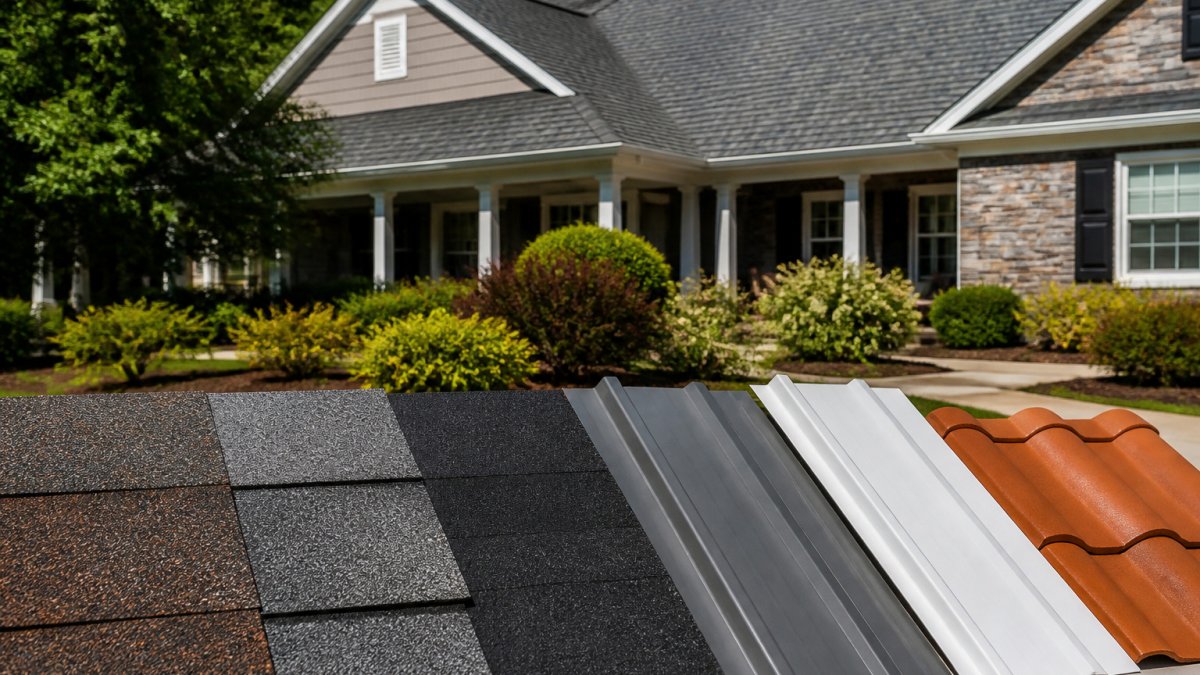
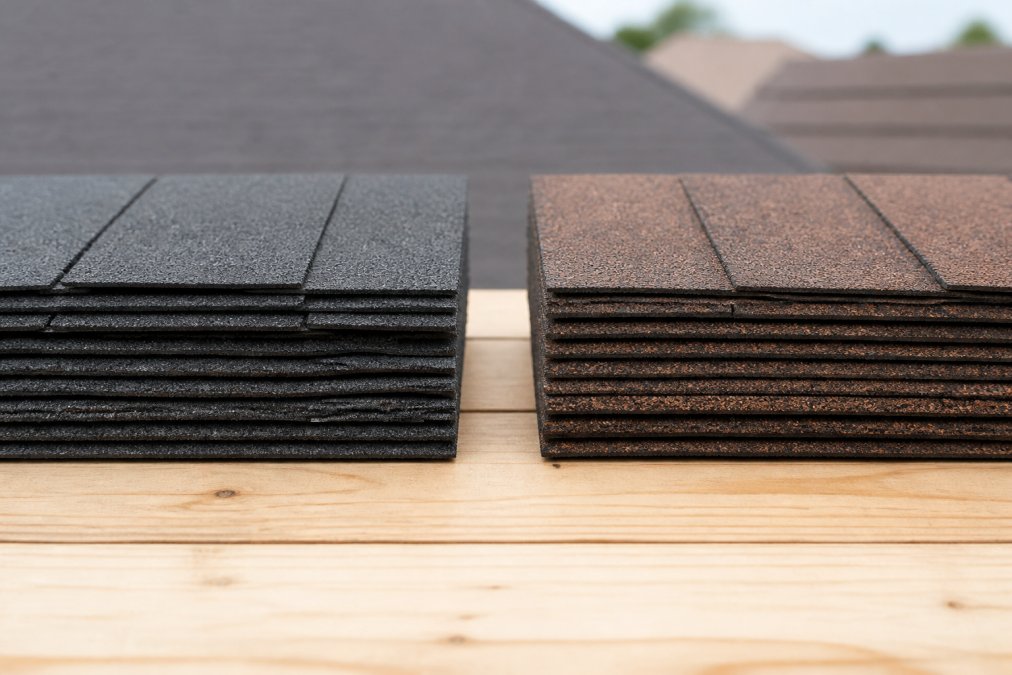
- Material tier. Asphalt shingles sit at the low end; architectural shingles, metal, and tile step up from there. Material alone can swing a quote substantially before labor is added.
- Tear-off and disposal. Removing one layer of old shingles is cheaper than removing two or three, and disposal fees are a real line item that some quotes bury.
- Decking and underlayment. Rotted sheathing, ice-and-water membrane, and upgraded underlayment are common add-ons discovered only after tear-off.
- Pitch and access. Steep roofs and limited access for dumpsters or lifts add labor hours.
- Permits and inspections. Required in most jurisdictions and easy to leave out of a verbal quote.
How to Compare Two Project-Based Quotes
Since both contractors quote per project rather than per square, the comparison has to be normalized. Ask each for a written estimate that lists the same categories in the same order, then compare category by category rather than bottom line to bottom line. A lower total that omits disposal or underlayment is not actually lower.
A common pattern is for one quote to look cheaper until you add the items the other one included. The fix is a simple checklist: materials, labor, tear-off, disposal, decking allowance, underlayment, permits, and any warranty upgrade. If a category is missing, ask why in writing.
Questions That Force a Real Number
When a contractor will not publish pricing, you can still get comparable data by asking the same questions of both:
- What is the price per square for the material tier you are recommending?
- What is the cost to remove and dispose of the existing layers?
- Is decking replacement included, and at what rate per sheet?
- Are permits and final inspection included in the total?
- What is the deposit, and what milestones trigger the remaining payments?
Answers to those five questions turn two vague project-based quotes into a genuine apples-to-apples comparison, which is the only fair way to evaluate Elevated Roofing against Arnold Roofing on cost.
Storm Damage and Hail Damage Restoration Capabilities
Arnold Roofing has the clearer track record here. The company specializes in storm and hail damage restoration and handles complex multifamily roofing projects, which require coordinating multiple units and shared structures.
Elevated Roofing performs storm damage repair as part of its general service offering, but its public positioning centers on standard replacement work rather than restoration-specific expertise.
For a single-family home with hail damage, either contractor can likely handle the job. For a multifamily property or a claim involving disputed damage, restoration experience matters more. The Insurance Information Institute's guide to homeowners insurance claims notes that documentation quality, including photos, inspection reports, and itemized damage assessments, often determines whether a claim is approved or denied.
That documentation is where restoration-focused contractors tend to add value.
Roofing Insurance Claim Process: Which Contractor Simplifies It
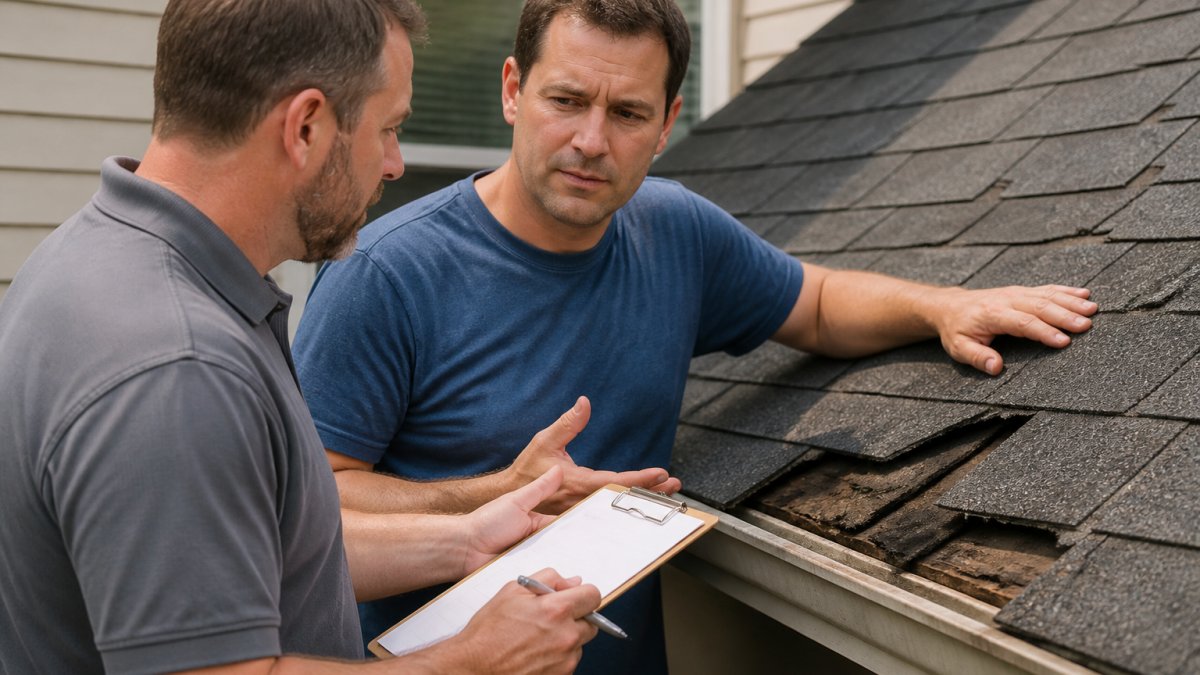
A roofing insurance claim process works best when your contractor documents damage thoroughly before the adjuster arrives. This is the single biggest differentiator between contractors, and it rarely shows up in marketing materials.
Arnold Roofing supports storm damage claims as part of its restoration work. Elevated Roofing assists customers with claims tied to its repair projects. Neither publishes a detailed, step-by-step claims assistance program.
At Leitch Roofing, insurance claim assistance is a core service, not an add-on. Our team provides specialized insurance claim assistance to simplify the process for our clients.
How to Choose a Roofing Contractor: Key Evaluation Criteria
Knowing how to choose a roofing contractor protects you from the most expensive mistake in this process: hiring on price alone.
Commercial and Multifamily Roofing Solutions Compared
Conclusion
Frequently Asked Questions
What should I look for when comparing local roofing contractors?
Focus on licensing, insurance verification, and warranty terms. Ask whether the contractor handles insurance claims directly and how they communicate project timelines. Request a written estimate that itemizes materials and labor. Check for a physical local address and verify they have experience with your roof type. A roofing comparison should weigh service breadth, transparency, and customer feedback rather than just the lowest bid.
How does insurance claim assistance work with professional roofing companies?
A contractor with insurance claim expertise will inspect your roof, document damage with photos and measurements, and provide a detailed report you can submit to your insurer. They may also communicate directly with your adjuster to clarify scope. This does not replace your policy obligations, but it reduces back-and-forth and helps ensure the approved claim covers the actual repair scope.
What factors influence the total cost of a residential roof replacement?
Roof size, pitch, material choice, number of layers to remove, and local labor rates all affect cost. Additional factors include whether gutters or siding need replacement, and whether structural repairs are required. Because pricing varies by project scope, request a free estimate from each contractor rather than relying on generic averages. A written quote should break down materials, labor, and disposal fees.
How do I verify a roofing contractor's insurance and licensing?
Ask for a certificate of insurance showing general liability and workers' compensation coverage, then call the insurer to confirm it is active. Check your state licensing board for the contractor's registration status. Request the license number in writing and verify it matches the company name on the estimate. This protects you from liability if a worker is injured on your property.
What are the signs that I need a full roof replacement versus a repair?
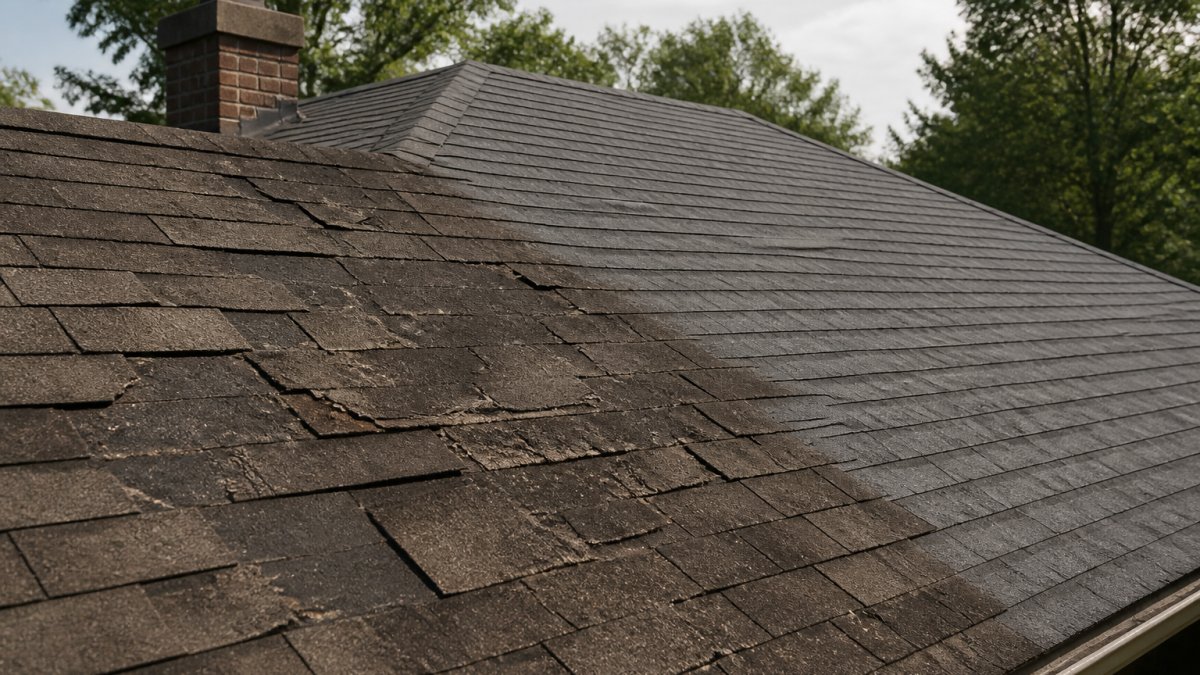
Widespread shingle damage, granule loss across large areas, sagging decking, or leaks in multiple locations typically indicate replacement is more cost-effective than repeated repairs. If your roof is over 20 years old and has storm or hail damage, a contractor may recommend full replacement. A professional inspection will confirm whether repair services can restore structural integrity or if replacement is necessary.