 listicle
Best Roofing Materials for West Tennessee
Table of Contents
- Why Roofing Material Choice Matters in West Tennessee
- Architectural Asphalt Shingles: Affordable Durability
- Standing Seam Metal Roofing: Long-Term Value
- Impact-Resistant Shingles for Hail and Storm Protection
- Understanding Roof Replacement Cost Estimates
- Navigating the Roofing Insurance Claim Process
- Specialty Materials: Slate, Tile, and Synthetic Options
- Frequently Asked Questions
Last Updated: September 21, 2026
Why Roofing Material Choice Matters in West Tennessee
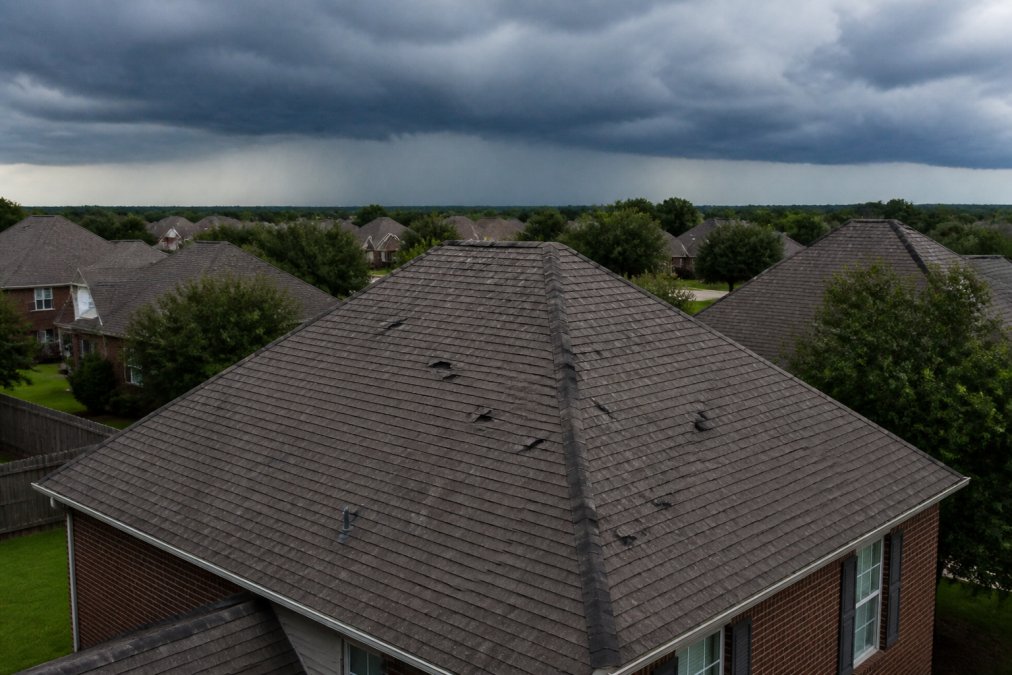
The best roofing materials for west tennessee aren't one-size-fits-all. Your region's climate, intense summer heat, spring hail storms, and occasional high winds, demands materials engineered for durability under stress. Pick the wrong material, and you'll face premature degradation, insurance claim denials, or worse: structural damage that compounds over time.
At Leitch Roofing, we've helped hundreds of homeowners and commercial property owners navigate this decision. The material you choose affects not just how long your roof lasts, but also your insurance premiums, energy costs, and resale value. A roof rated for impact resistance might lower your insurance deductible. Metal roofing reflects heat and cuts cooling costs. Architectural shingles offer better curb appeal than basic options.
This guide breaks down the best roofing materials for west tennessee by type, cost, durability, and performance in regional weather conditions. We'll cover what matters most when comparing options, how to estimate replacement costs, and how to navigate the insurance claim process when storm damage strikes.
Architectural Asphalt Shingles: Affordable Durability
Architectural asphalt shingles deliver a balance of cost and performance that makes them the most popular choice across residential properties. Unlike flat 3-tab shingles, architectural options use laminated construction, multiple layers bonded together, to create a dimensional appearance that mimics wood shakes or slate.
These shingles perform well in regional weather. The laminated design improves wind uplift resistance compared to basic asphalt, and the granule adhesion helps resist hail impact better than older styles. Most architectural shingles carry a lifespan of 15-30 years depending on maintenance and exposure.
Installation is straightforward, and repairs are simple, a damaged shingle can be replaced without affecting the rest of the roof. Availability is excellent; any roofing contractor in the region stocks these materials.
The trade-off: they're shorter-lived than metal or slate, and they require periodic maintenance. Algae growth in humid climates is common, requiring roof cleaning every few years. Granule loss accelerates in high-heat environments, which is relevant for west tennessee's summer temperatures.
Best for: Budget-conscious homeowners seeking a balance of aesthetics and performance, or property owners planning to sell within 15-20 years.
Standing Seam Metal Roofing: Long-Term Value
Standing seam metal roofing represents the premium choice for durability and energy efficiency. This system uses interlocking metal panels with concealed fasteners, the seams stand up vertically and are sealed mechanically, not exposed to weather like traditional metal panels.
The concealed fastener design is the key advantage. Because fasteners are hidden inside the seam, they never corrode or loosen, eliminating the most common failure point in metal roofing. The result: exceptional weather resistance and a lifespan of 40-70+ years. In west tennessee's storm season, this durability matters.
Metal reflects solar heat more effectively than asphalt, reducing cooling costs by 10-20% depending on your home's insulation and HVAC efficiency. Over a 50-year lifespan, energy savings compound significantly. The material also resists algae growth and requires minimal maintenance beyond occasional gutter cleaning.
Cost is the barrier. Installation requires skilled labor and specialized tools, adding to the expense. However, the longevity and energy savings justify the investment for homeowners planning to stay long-term.
Insurance companies often view metal roofing favorably. Some carriers offer premium discounts for impact-resistant metal systems, recognizing their durability in severe weather.
Best for: Long-term homeowners and commercial properties where durability and energy efficiency justify the higher investment.
Impact-Resistant Shingles for Hail and Storm Protection
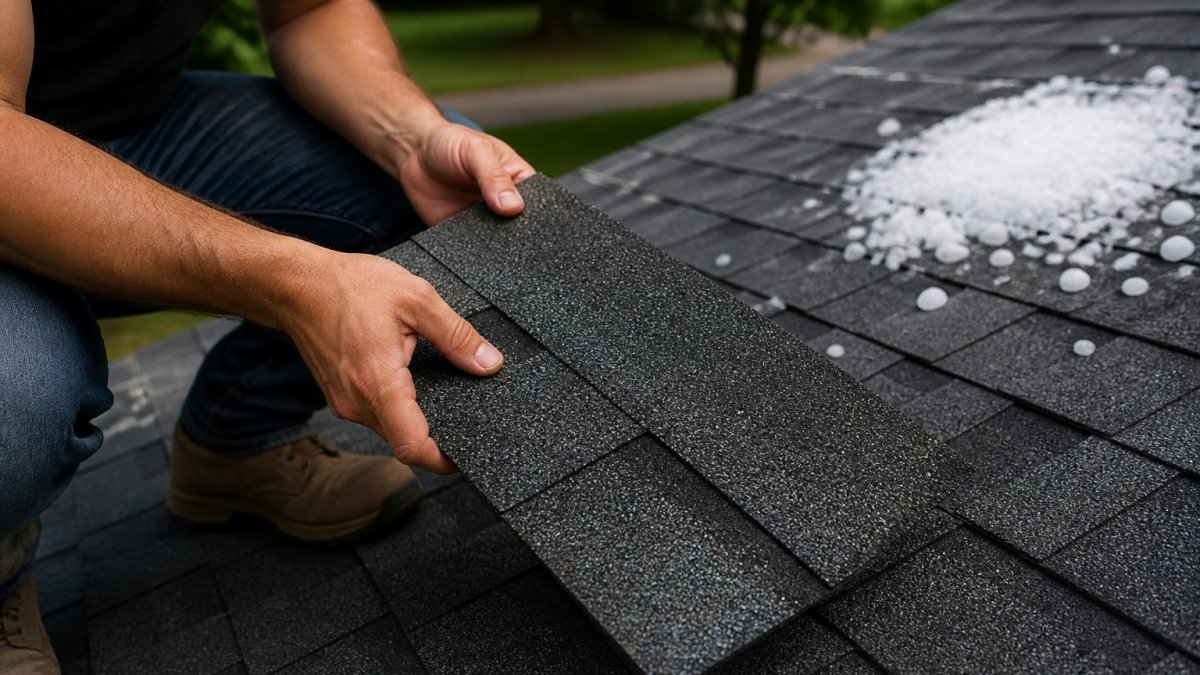
Impact-resistant shingles are engineered asphalt shingles modified with polymers and reinforced granule adhesion to withstand high-impact events like hail. These shingles carry a UL 2218 Class 4 impact rating, the highest standard for asphalt products.
In a region prone to spring hail storms, impact resistance isn't just a feature, it's practical protection. Standard asphalt shingles can crack or puncture under hail impact, creating entry points for water damage. Impact-resistant options survive hail strikes that would damage conventional shingles, reducing the need for repairs or premature replacement.
The insurance benefit is significant. Many carriers offer 10-15% premium discounts on homeowners policies for Class 4 impact-rated roofs. If your annual premium is $1,200, a discount could save $120-$180 per year. Over 20 years, that savings approaches or exceeds the material cost premium.
Lifespan and durability match or exceed architectural asphalt shingles, typically 20-30 years. Maintenance requirements are similar: periodic cleaning and granule inspection. The trade-off is cost, impact-resistant shingles run higher than standard architectural options, though insurance discounts often offset the difference.
Best for: Homes in hail-prone areas where insurance savings offset the material premium, or properties where storm damage history justifies the investment.
Understanding Roof Replacement Cost Estimates
Roof replacement cost varies widely based on material choice, roof pitch, square footage, and local labor rates. Understanding how estimates are calculated helps you compare quotes and avoid surprises.
Most contractors price roofing by the square, a unit equal to 100 square feet. A typical residential roof of 2,000 square feet equals 20 squares. Material cost per square varies depending on grade and quality.
Labor adds another layer. Installation costs vary depending on roof complexity, pitch, and local wage rates. Steep roofs, multiple valleys, and complex flashing increase labor time. Removal of old roofing adds to the cost. Underlayment, flashing, and ventilation upgrades also add to the total.
A realistic estimate for a 2,000-square-foot asphalt replacement varies. Metal roofing for the same space also varies. These ranges assume average pitch and complexity; your specific home may vary.
When comparing estimates, verify what's included. Some quotes cover removal and disposal; others don't. Some include new flashing and underlayment; others treat these as add-ons. Request itemized breakdowns so you're comparing apples to apples.
Navigating the Roofing Insurance Claim Process
Storm damage to your roof often qualifies for insurance coverage, but the claim process is complex. Understanding the steps and potential obstacles helps you advocate for fair reimbursement.
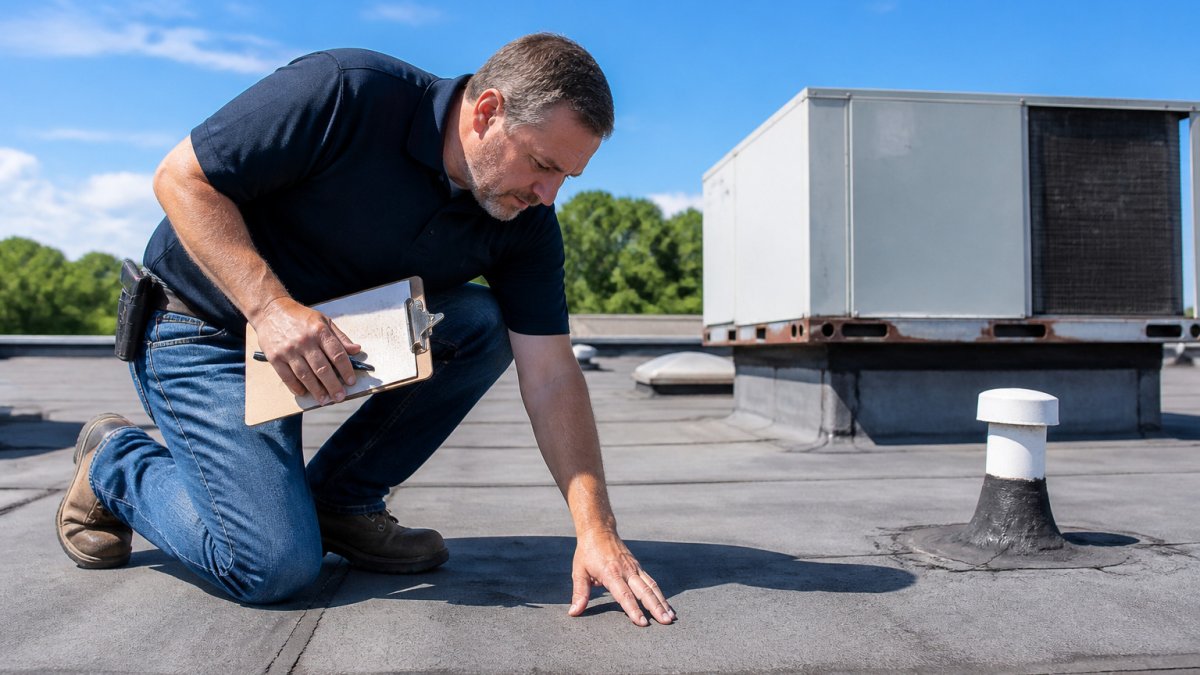
After a storm, document damage with photos and video. Take wide shots showing the overall roof condition and close-ups of specific damage, missing shingles, dents, punctures, or leaks. Capture the date and time stamps if possible. This documentation is critical if the insurer disputes the damage.
File your claim promptly. Most policies require claims within a specific timeframe (often 30-90 days). Provide the insurer with photos, a description of the damage, and any repair estimates you've obtained. The insurer will assign an adjuster to inspect the roof and assess damage.
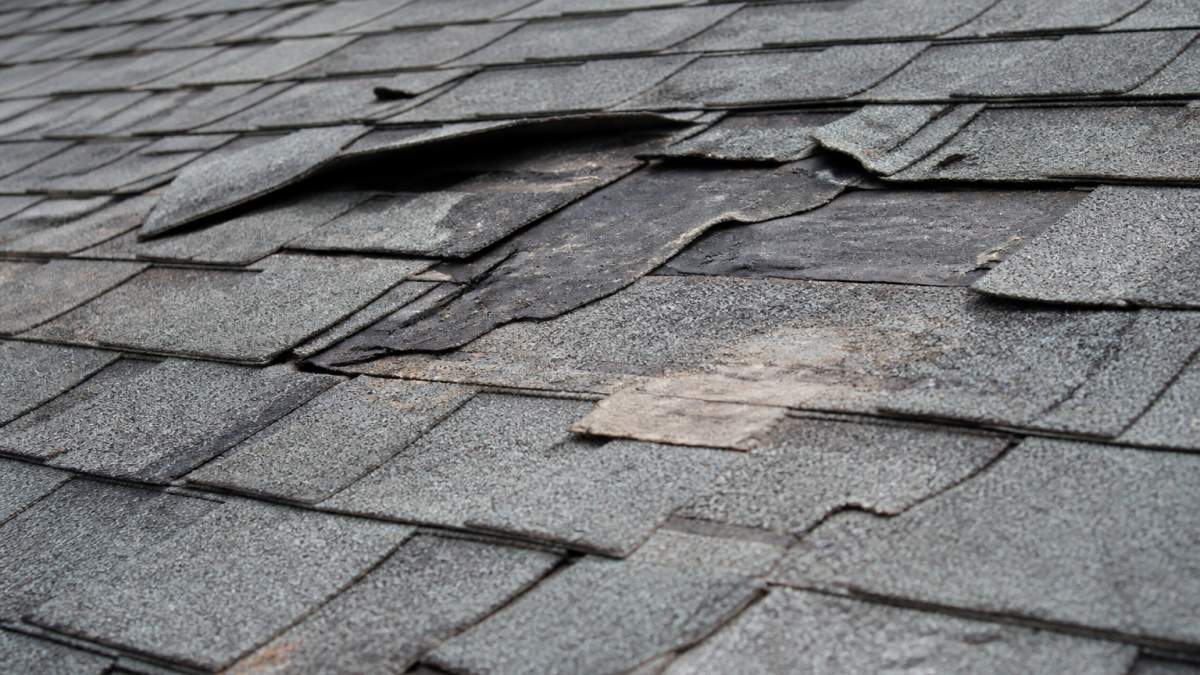
Here's where friction often arises: adjusters sometimes determine damage is "wear and tear" rather than storm-related, which denies coverage.
Specialty Materials: Slate, Tile, and Synthetic Options
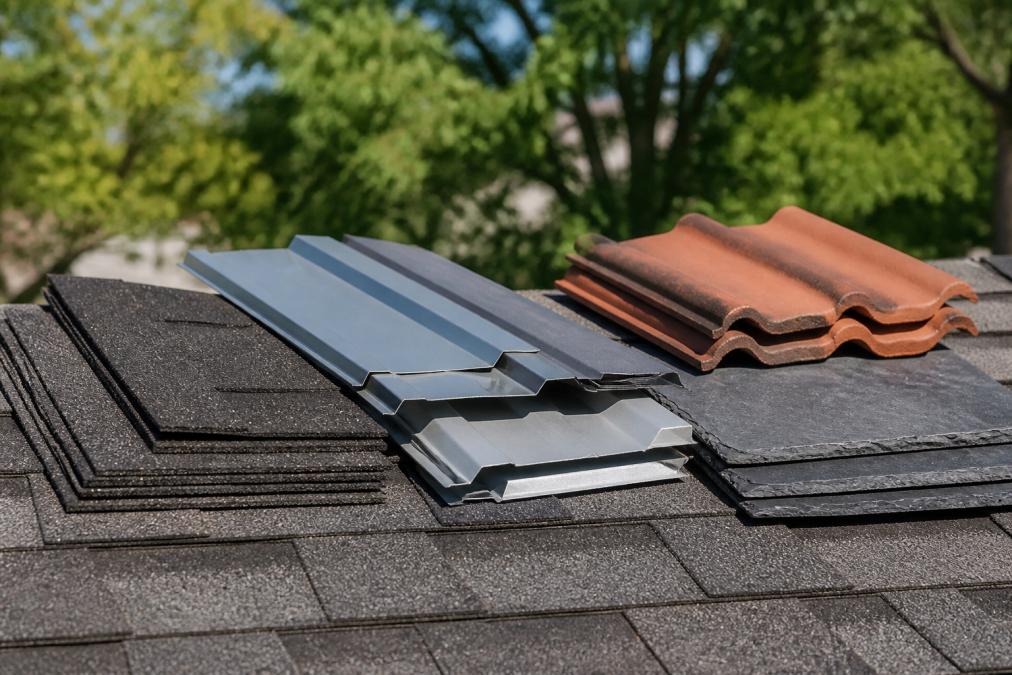
Beyond asphalt and metal, specialty materials offer unique aesthetic and durability benefits, at a premium price.
| Material | Lifespan | Cost per Square | Best For | Key Advantage |
|---|---|---|---|---|
| Architectural Asphalt | 15-30 years | $150-$300 | Budget-conscious | Affordable, easy repair |
| Standing Seam Metal | 40-70+ years | $400-$800 | Long-term owners | Energy efficiency, durability |
| Impact-Resistant Asphalt | 20-30 years | $200-$400 | Hail-prone areas | Insurance discounts, storm protection |
| Natural Slate | 100+ years | $800-$3,500 | Historic/luxury homes | Unmatched longevity, aesthetics |
| Concrete Tile | 30-50 years | $500-$1,500 | Mediterranean style | Fire resistance, durability |
| Synthetic Shingles | 30-40 years | $400-$800 | Slate/wood look desired | Lightweight, impact-resistant |
National Roofing Contractors Association guidelines on roofing standards
U.S. Department of Energy residential roofing energy efficiency recommendations
Frequently Asked Questions
What is the best roofing material for the money in West Tennessee?
Architectural asphalt shingles offer the best balance of cost and performance for most homeowners. They provide 15-30 year lifespans and handle regional humidity and occasional hail. For those willing to invest more, impact-resistant shingles qualify for insurance discounts that offset their higher upfront cost over time. Metal roofing costs more initially but lasts 40-70+ years, making it economical for homeowners staying long-term.
How does the roofing insurance claim process work after storm damage?
After a storm, contact your insurance company to request an adjuster inspection. Document all damage with photos and get a repair estimate from a qualified contractor. Your adjuster will determine coverage based on your policy and the damage assessment. If the adjuster's estimate seems low, you can dispute it with additional documentation. Professional roofing contractors like Leitch Roofing can help gather evidence and communicate with insurers to support your claim, potentially increasing your settlement.
What is the 25% rule in roofing and how does it apply to repairs?
The 25% rule states that if damage affects 25% or more of your roof's surface, most insurance policies and building codes require a full roof replacement rather than patching. This rule exists because partial repairs on aging roofs often fail prematurely. In West Tennessee's humid climate, older roofs deteriorate faster, making the 25% threshold more likely to trigger replacement requirements. An inspector can determine whether your roof meets this threshold.
Which roofing materials offer the best wind resistance for storm-prone areas?
Standing seam metal roofing and impact-resistant asphalt shingles both excel in wind resistance. Metal roofing's concealed fastener system prevents uplift, while impact-resistant shingles feature enhanced granule adhesion and laminated construction. Both materials meet or exceed UL wind ratings required in storm-prone regions. Architectural asphalt shingles provide moderate wind resistance but fall short of impact-resistant options. Concrete tile and slate also perform well but require structural reinforcement due to their weight.