 ultimate-guide
Best Roofing Materials for Energy Efficiency in 2026
Table of Contents
- How Roofing Materials Impact Energy Bills
- Solar Reflective Index Explained: SR, TE, and the ENERGY STAR Rating
- Best Roofing Materials for Energy Efficiency: Side-by-Side Comparison
- Cool Roof Coatings and Reflective Finishes for Existing Roofs
- Cool Roof Tax Credits and Other Financial Incentives
- Residential Roof Replacement Cost Guide: What Drives the Price
- Climate, Installation Quality, and Environmental Impact
- Conclusion
- Frequently Asked Questions
Last Updated: September 20, 2026
How Roofing Materials Impact Energy Bills
The best roofing materials for energy efficiency are those that reflect sunlight instead of absorbing it, and the difference shows up on your utility bill every month. At Leitch Roofing, we explain this to homeowners across West Tennessee constantly: your roof is the largest surface exposed to the sun, and it either pushes heat away or pulls it into your attic.
Heat moves through a roof in three ways: conduction through the material itself, convection through gaps in the deck and attic, and radiation from the sun's infrared energy. A dark, heat-absorbing roof can push attic temperatures far above outdoor air, and that heat radiates down into living space. The U.S.
Heat Transfer, R-Value, and U-Factor Basics
R-value measures how well a material resists heat flow; higher numbers mean better insulation. U-factor measures the opposite: how quickly heat moves through an assembly, so lower is better. Roofing material alone rarely decides efficiency. The building envelope, including attic insulation and roof ventilation, does most of the work. A reflective surface paired with poor insulation still loses the battle.
Solar Reflective Index Explained: SR, TE, and the ENERGY STAR Rating
The solar reflective index explained simply: it combines two measurements, solar reflectance (SR) and thermal emittance (TE), into one score of how well a roof rejects solar heat. Solar reflectance is the share of sunlight a surface bounces back. Thermal emittance is how efficiently it releases absorbed heat as infrared radiation.
Best Roofing Materials for Energy Efficiency: Side-by-Side Comparison
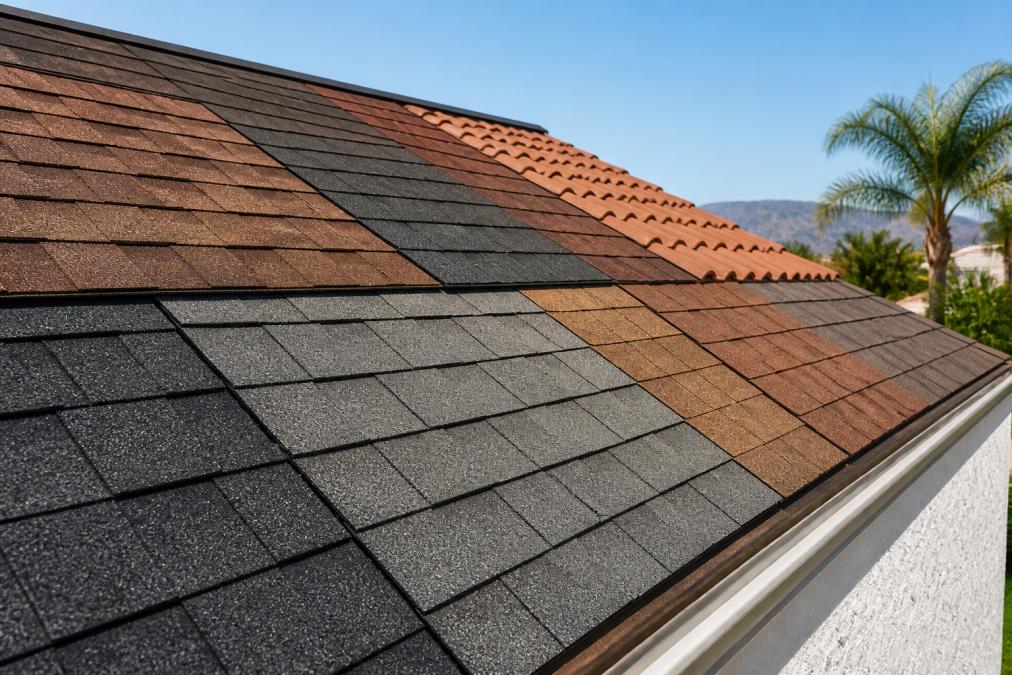
The most energy-efficient roofing materials combine high solar reflectance with durability, and the right pick depends on your climate, budget, and structure. Here is how the leading options stack up.
| Material | Solar Reflectance | Lifespan | Best For |
|---|---|---|---|
| Standing seam metal | High | Very long | Long-term savings |
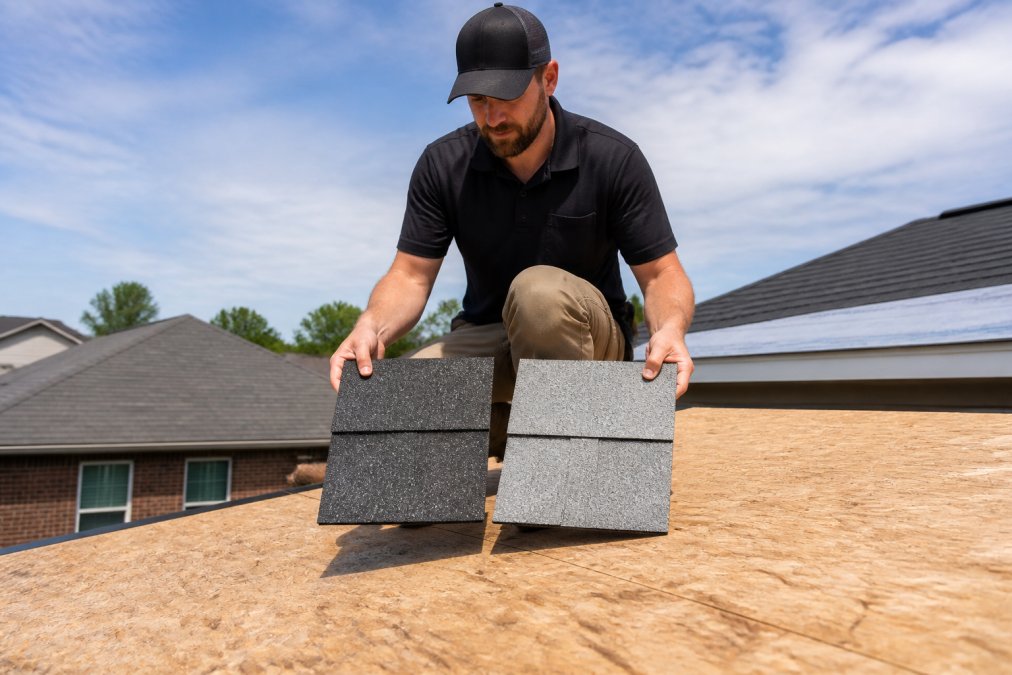
| GAF Cool Series shingles | Moderate-high | Moderate | Budget upgrades |
| Concrete and clay tile | Moderate-high | Very long | Hot, sunny climates |
| Solar shingles | High (plus power) | Long | Energy independence |
Standing Seam Metal Roofing
Standing seam metal roofing uses concealed fasteners and high-reflectivity coatings, and it is the strongest performer for homeowners prioritizing long-term energy savings. It reflects a large share of solar radiation while its thermal emittance releases absorbed heat after sunset. The drawback is upfront cost, which runs higher than asphalt. For a roof you plan to keep for decades, the math often favors metal.
GAF Cool Series Asphalt Shingles
GAF Cool Series shingles are asphalt shingles engineered with reflective granules to reduce heat absorption. They are the affordable entry point into cool roofing and install on standard decks without structural changes. The trade-off is lifespan: asphalt wears out faster than metal or tile, so you may replace it sooner.
Concrete and Clay Tile Roofing
Concrete and clay tile roofing delivers natural thermal mass, meaning the material absorbs heat slowly and releases it later, which flattens peak attic temperatures. Both resist impact and fire well. The catch is weight. Tiles demand structural support that many older homes lack, so a structural review comes first.
Solar Shingles and Integrated Solar Roofs
Solar shingles and integrated solar roofs generate electricity while serving as the roof itself. Tesla's Solar Roof is the best-known example, using tempered glass tiles that produce power. These systems offer the highest efficiency ceiling because they offset consumption, not just reduce it. The barrier is upfront investment, and payback depends heavily on local power rates and sun exposure.
Cool Roof Coatings and Reflective Finishes for Existing Roofs
For a roof in decent shape, a reflective coating paired with a radiant barrier in the attic is a smart combination. The coating cuts the solar heat coming in from above; the radiant barrier reduces the heat radiating down from the underside of the deck. Together they address both halves of the problem, and neither requires a tear-off.
Cool Roof Tax Credits and Other Financial Incentives
Cool roof tax credits and utility rebates can offset part of your investment, but programs change yearly and vary by state and utility. Rather than guess at current amounts, check the Database of State Incentives for Renewables and Efficiency for active programs in your area, and confirm eligibility before you sign a contract. Federal incentives have shifted repeatedly in recent years, so verify what applies to your project for the current tax year.
Residential Roof Replacement Cost Guide: What Drives the Price
Any residential roof replacement cost guide comes down to four variables: material, roof size and pitch, tear-off requirements, and installation complexity. Material sets the floor. Metal and tile cost more per square than asphalt. Steep roof pitch slows crews and adds labor. Multiple layers of old shingles mean extra disposal. And every penetration, valley, and dormer adds time. Because pricing depends on your specific roof, we quote each project individually rather than publish a generic figure.
Climate, Installation Quality, and Environmental Impact
Climate should drive your material choice more than any trend, and most guides skip this. The same roof that performs beautifully in one region can underperform in another, because the dominant load is different. In cooling-dominated climates the priority is rejecting solar heat. In heating-dominated climates the priority shifts to keeping heat in, and a highly reflective roof can actually work against you in winter by reducing passive solar gain.
- Hot and dry: High solar reflectance and high thermal emittance matter most. Concrete and clay tile, reflective metal, and cool-rated shingles all perform well, and thermal mass helps flatten peak attic temperatures.
- Hot and humid: Reflectivity still matters, but so does moisture management. Ventilation and a properly sealed attic floor do more work here than in dry climates, because trapped humidity causes problems that a reflective surface cannot fix.
- Mixed and cold: Prioritize insulation, air sealing, and ice-and-water protection at eaves and valleys. Reflectivity is a smaller lever, and impact resistance moves up the list in hail-prone areas.
- Coastal and storm-prone: Wind uplift ratings and corrosion resistance drive the decision more than reflectance, though reflective metal still performs well when it is rated for the exposure.
Why Installation Quality Decides Performance
Installation quality decides whether an energy-efficient roof actually performs. A reflective shingle installed over a poorly ventilated, under-insulated attic still traps heat. Missing ice-and-water shield at eaves and valleys lets air and moisture leak. Fasteners set wrong cause premature failure. A common mistake is buying premium material and hiring the lowest bid to install it. The material is only half the system.
Environmental Impact Beyond Energy Savings
- Asphalt shingles are petroleum-based and have a relatively short service life, which means more material cycles over the life of a home. They are increasingly recyclable, but recycling infrastructure is not available everywhere.
- Metal roofing is often made with a high recycled content and is itself highly recyclable at end of life. Its long service life spreads the embodied impact over decades, which is a meaningful advantage.
- Concrete and clay tile are mineral-based, long-lived, and generally inert, but they are heavy and energy-intensive to manufacture and transport.
- Solar shingles and integrated solar roofs offset grid electricity over their life, which can outweigh their manufacturing footprint, but that depends on local grid mix and system output.
A cool roof also does more than cut your bill: it reduces the heat island effect in dense neighborhoods and lowers peak strain on the grid. Those are community-level benefits that do not show up on your utility statement, but they are part of why cool roofing programs exist in the first place.
Conclusion
Choosing among the best roofing materials for energy efficiency is really a decision about climate, budget, and how long you plan to stay. Get the material right, then get the installation right, because the second half is where most savings are won or lost.
Frequently Asked Questions
How much can an energy-efficient roof reduce cooling costs?
Savings depend on your climate, insulation, and attic ventilation, so no single number fits every home. A cool roof with high solar reflectance and thermal emittance keeps the roof surface cooler, which lowers the heat flowing into your attic and living space. Homes with poor existing insulation and dark shingles tend to see the largest drop in summer cooling demand. Ask Leitch Roofing for a free estimate and they can assess your attic and roof together before recommending a material.
What is the 25% rule for roofing?
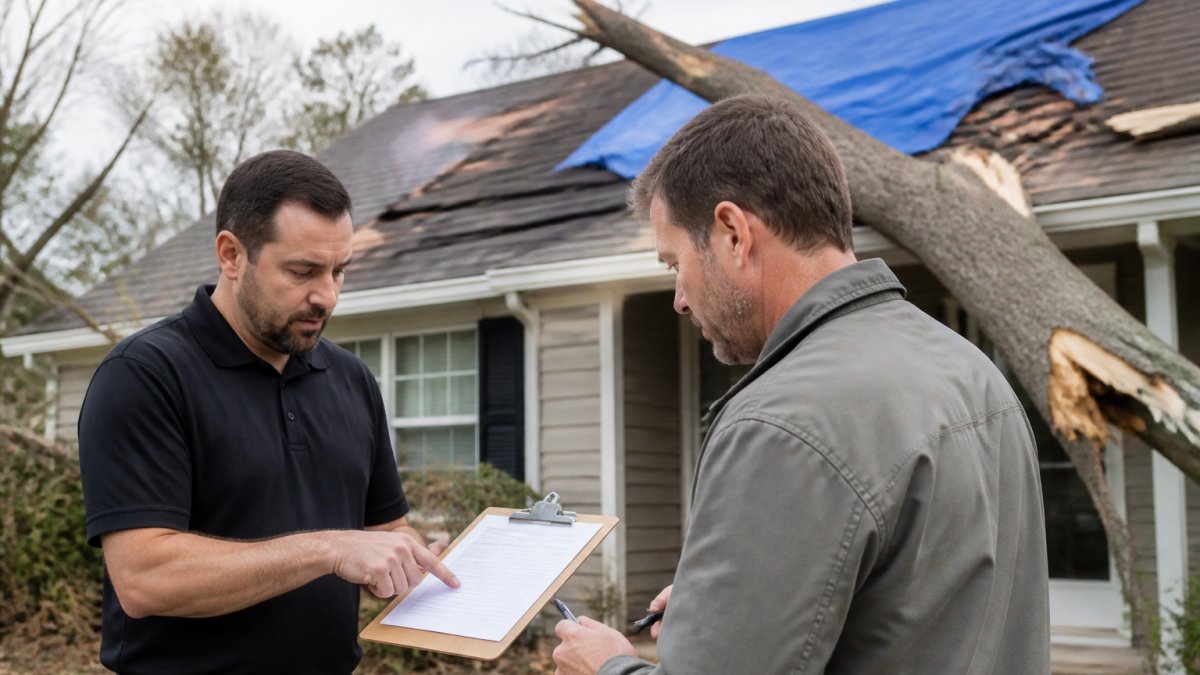
If an adjuster calls your damage normal wear and tear, a contractor experienced with claims can document the full scope and help you push back with evidence rather than a patch job.
Does a cool roof qualify for tax credits or rebates?
Federal incentives for cool roofs have changed over the years, and utility rebates vary by state and provider. The reliable path is to check ENERGY STAR listings and the Database of State Incentives for Renewables and Efficiency (DSIRE) for current programs, then confirm eligibility before you buy. A contractor who handles documentation can tell you which qualifying products they install and what paperwork your project needs.
Should I choose metal roofing or asphalt shingles for energy efficiency?
Metal roofing with a reflective finish delivers the strongest cooling performance and the longest lifespan, but it costs more upfront. ENERGY STAR-rated asphalt shingles cost far less and still cut heat absorption compared with standard dark shingles. If you plan to stay in the home for decades, metal's payback period is usually shorter. If budget is tight, cool-rated shingles plus proper attic ventilation give you most of the benefit for less.
If you are weighing a replacement or a reflective upgrade, Leitch Roofing can help. We offer expert residential and commercial roofing services, use quality materials installed by skilled crews, and provide specialized insurance claim assistance to simplify the process. Get a free estimate today and see what your roof can do for your energy bills.