 listicle
Best Roofing Company Alternatives 2026: How to Choose
Table of Contents
- What Counts as a Roofing Company Alternative in 2026
- Quick Comparison: Roofing Company Alternatives at a Glance
- Local Full-Service Roofers: Leitch Roofing and What to Expect
- National and Regional Roofing Alternatives
- Questions to Ask a Roofing Company Before Hiring
- How to Vet a Roofing Contractor Before You Sign
- Signs of a Reliable Roofing Company
- Conclusion: Choosing the Right Roofing Company Alternative
- Frequently Asked Questions
Last Updated: September 11, 2026
What Counts as a Roofing Company Alternative in 2026
When you start weighing roofing company alternatives, you are looking at any provider or service model that gets a roof repaired, replaced, or inspected without hiring a traditional local full-service roofer. That includes national installers, commercial roofing specialists, and the estimating and measurement platforms contractors now use to price work faster.
The label gets stretched in ways that mislead homeowners. Software such as AccuLynx or Roofr is not a roofing company alternative in the sense that matters to you, because those platforms never send a crew to your property. They are tools roofing businesses buy. If your shingles are curling and your ceiling has a brown ring on it, a subscription app solves nothing.
At Leitch Roofing, we see this confusion constantly. Homeowners searching for options end up comparing estimating software to actual contractors, then wonder why the quotes they collect don't line up.
Quick Comparison: Roofing Company Alternatives at a Glance
The table below sorts the realistic options by who they actually serve. Use it to narrow your search before you start making calls.
| Option | Type | Best For | Who Installs |
|---|---|---|---|
| Local full-service roofer | Contractor | Residential repair and replacement | In-house crew |
| National home services provider | Contractor | Turnkey replacement plus gutters | Subcontracted crews |
| Commercial roofing specialist | Contractor | Large flat and low-slope systems | Regional crews |
| Estimating and measurement software | Tool | Contractors pricing jobs | No one |
| Storm restoration specialist | Contractor | Insurance-funded storm claims | In-house crew |
The distinction that matters most sits in that last column. Two rows describe businesses that will stand on your roof. Three describe services that support the businesses doing the standing.
Local Full-Service Roofers: Leitch Roofing and What to Expect
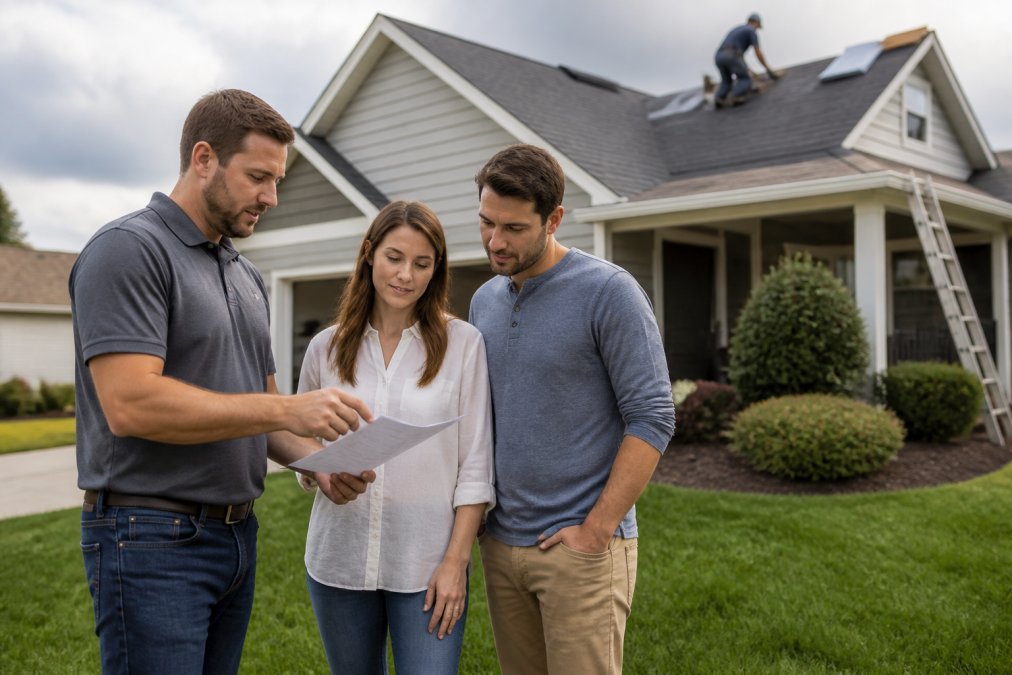
Leitch Roofing is a local full-service roofing contractor handling both residential and commercial properties, and it is the model most homeowners should compare everything else against. The company uses quality materials and skilled crews, offers a free estimate, and provides specialized insurance claim assistance when damage is disputed.
That last piece deserves attention. A common mistake is hiring a roofer who installs well but goes quiet the moment your insurer pushes back on a claim. Leitch Roofing treats claim support as part of the job, which matters when an adjuster has already labeled damage as ordinary wear and tear.
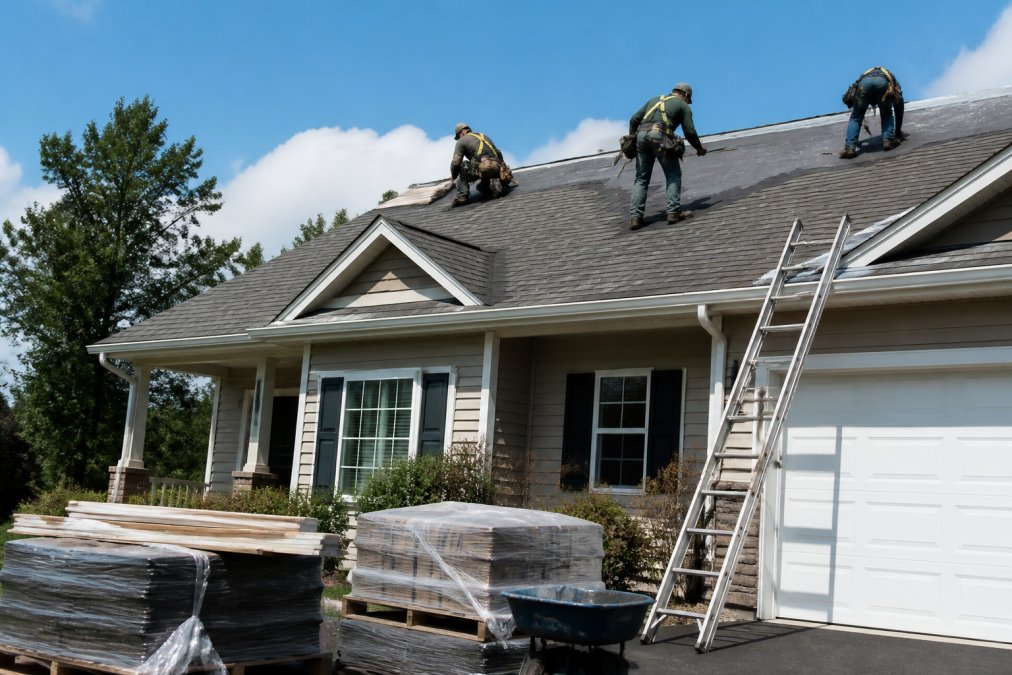
What to expect from this category generally:
- A written scope of work before materials arrive
- A named point of contact for the duration of the project
- Documentation of existing damage before tear-off begins
- A clear explanation of what your deductible covers
The trade-off is reach. A local contractor serves a defined area, so if you sit well outside that radius you may wait longer for a slot. For most homeowners, that is a fair exchange for a crew that answers the phone.
National and Regional Roofing Alternatives
National providers trade local accountability for scale and standardized process. Companies like LeafHome run full-service roof replacement and repair alongside gutter protection, with financing options and professional installation crews. Tecta America operates at the commercial end, covering large facilities with emergency repair programs and safety-focused installation standards.
Both models suit specific buyers. LeafHome fits a homeowner who wants one company for roof and gutters and prefers a predictable, packaged experience. Tecta America fits a property manager overseeing multiple buildings who needs consistent service across locations.
Where they fall short is customization. A national provider follows a playbook, and a playbook does not bend easily around an unusual roof pitch or a historic home's detailing. Expect less flexibility and, in some cases, subcontracted labor rather than a dedicated in-house crew.
National Roofing Contractors Association homeowner resources
Questions to Ask a Roofing Company Before Hiring
Ask every roofing company the same five questions and write down the answers. Roofing contractors who hesitate on licensing or insurance are telling you something.
- Are you licensed and insured in this state, and can I see the certificate? General liability and workers' compensation coverage protect you if someone is injured on your property.
- Who is the crew, and are they employees or subcontractors? This determines who is accountable when a detail is wrong.
- What does the written estimate include, line by line? Tear-off, underlayment, flashing, ventilation, and disposal should each appear.
- How do you handle insurance claims, and do you meet the adjuster on site? A contractor who documents damage and attends the inspection gives your claim its best chance.
- What does the workmanship warranty cover, and for how long? Manufacturer warranties cover materials. Workmanship warranties cover installation, which is where most failures originate.
How to Vet a Roofing Contractor Before You Sign
Vetting a roofing contractor means verifying paperwork, checking local reputation, and reading the contract before money changes hands. It takes about an hour and prevents the most expensive mistakes in home repair.
Work through this checklist:
- Confirm the state license number and verify it is active
- Request a certificate of insurance and call the insurer to confirm it is current
- Search the business name for complaints and unresolved disputes
- Ask for two local addresses where the company has worked in the past year
- Read the contract for the payment schedule, start date, and completion terms
- Confirm the warranty terms in writing, including what voids them
- Check that the estimate names specific materials and brands, not generic categories
A contractor who ghosts you during the vetting stage will ghost you mid-project. The pattern shows up early if you look for it.
Better Business Bureau guidance on hiring contractors
Signs of a Reliable Roofing Company
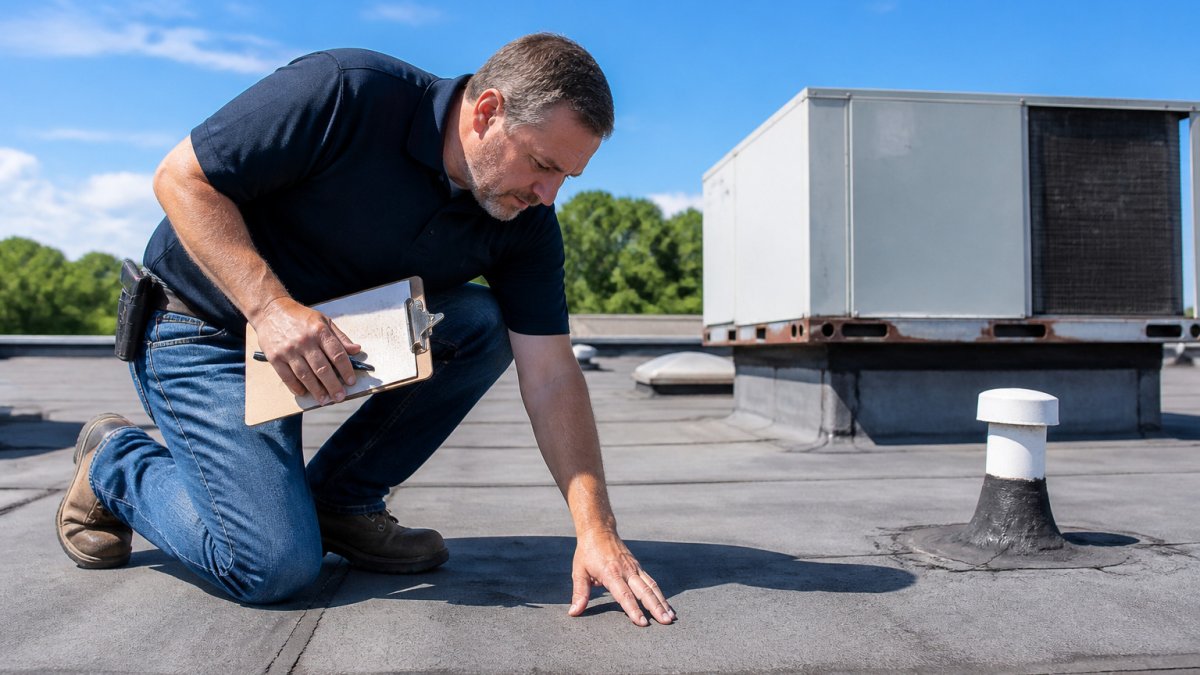
Reliable roofing companies share observable habits, and those habits surface before the first shingle comes off. Look for a contractor who inspects the attic and decking rather than quoting from the driveway, who photographs existing damage, and who puts a written scope in your hands before asking for a signature.
Communication is the clearest signal. A reliable company confirms appointments, returns calls within a business day, and tells you when the schedule shifts. The opposite pattern, silence followed by a crew appearing unannounced, usually predicts a project that stalls halfway.
Federal Trade Commission consumer advice on home improvement scams
Conclusion: Choosing the Right Roofing Company Alternative
The hardest part of this decision is not finding options. It is filtering out the ones that cannot actually put a crew on your roof, then holding the remaining candidates to the same written standard. Do that, and the choice gets simple.
Frequently Asked Questions
What should I look for when hiring a local roofing contractor?
Look for a permanent local address, a state or county license where required, current general liability and workers' compensation insurance, and a written scope of work before any deposit changes hands. Ask how long the company has operated in your area and request two or three recent references from jobs similar to yours. A contractor who answers those questions without hesitation and puts everything in writing is usually the safer pick for storm damage, replacement, or repair work.
Are local roofing companies better than national franchises?
Neither is automatically better. National companies bring standardized processes, financing programs, and wide availability. Local roofers often respond faster, know regional building codes and storm patterns, and handle insurance claims directly with local adjusters. What matters most is the specific crew doing the work, the written warranty terms, and how the company handles problems after the job. Compare the scope, timeline, and warranty language side by side rather than assuming size equals quality.
How do I verify a roofing contractor's insurance and licensing?
Ask for a certificate of insurance showing general liability and workers' compensation coverage, then call the insurer to confirm the policy is active and lists the company name exactly as it appears on your contract. For licensing, check your state or county licensing board's online database. If the contractor uses subcontractors, request proof of coverage for them too. Uninsured workers on your property can create liability for you if someone is injured.
How can I compare roofing quotes effectively?
Line up each quote against the same items: square footage, tear-off and disposal, underlayment and flashing, ventilation, decking repair allowances, permit fees, and warranty length. A low bid often excludes decking replacement or uses thinner materials. Ask each contractor to state whether the price is fixed or subject to change after tear-off. Comparing identical line items, not just the bottom-line number, is what reveals the real cost difference.
Do local roofing companies offer better warranty support?
Warranty value depends on whether the company will still be in business when you file a claim. Manufacturer warranties cover materials, while the contractor's workmanship warranty covers installation. Local companies that have operated in the same area for years are easier to reach for a callback. Ask for the workmanship warranty in writing, how long it lasts, and whether it transfers if you sell the home. Vague verbal promises are not coverage.
Storm damage and aging shingles do not wait, and neither should your search for a contractor you trust. Leitch Roofing provides expert residential and commercial roofing services with quality materials, skilled crews, and specialized insurance claim assistance, plus a free estimate to start. Get started with Leitch Roofing and get a roof that holds up through the next storm season.