 comparison
Alternatives to Asphalt Shingles for Residential Roofs
Table of Contents
- Why Homeowners Choose Alternatives to Asphalt Shingles
- Metal Roof vs Asphalt Shingles: Performance and Longevity
- Synthetic Roof Shingles: Pros and Cons
- Clay and Concrete Tile: Durability and Aesthetics
- Cost of Metal Roofing vs Shingles and Other Materials
- Rubber Roofing and Cedar Shake Options
- Structural Integrity, Building Codes, and Installation Feasibility
- Fire Resistance and Insurance Ratings
- Frequently Asked Questions
Last Updated: October 5, 2026
Why Homeowners Choose Alternatives to Asphalt Shingles
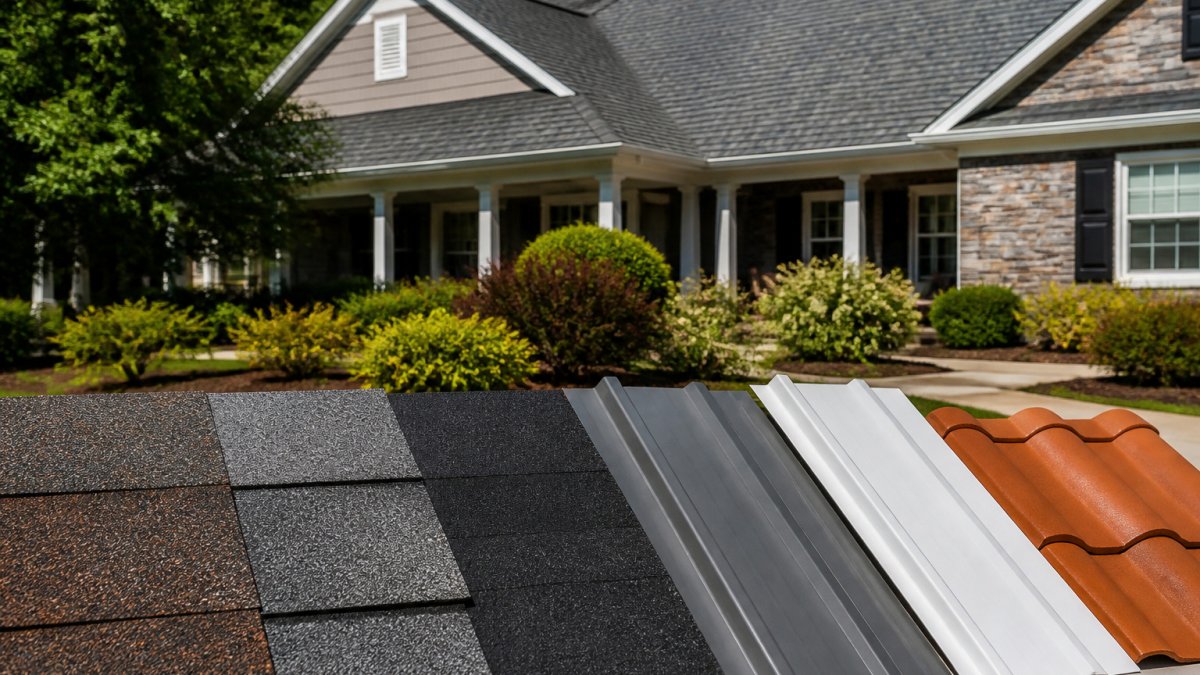
Asphalt shingles have dominated residential roofing for decades, but many homeowners now explore alternatives to asphalt shingles for better durability, aesthetics, or climate-specific performance.
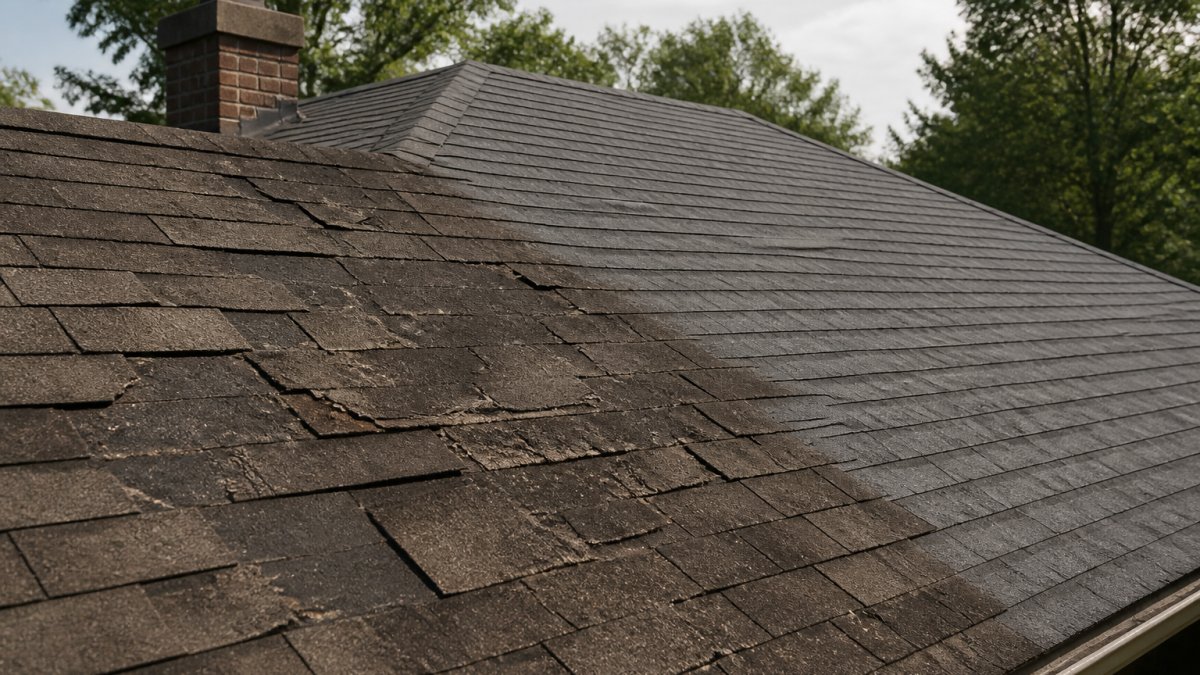
Traditional asphalt shingles last 15-20 years and need regular maintenance; alternatives to asphalt shingles often deliver 30-50+ year lifespans, changing the economics of replacement.
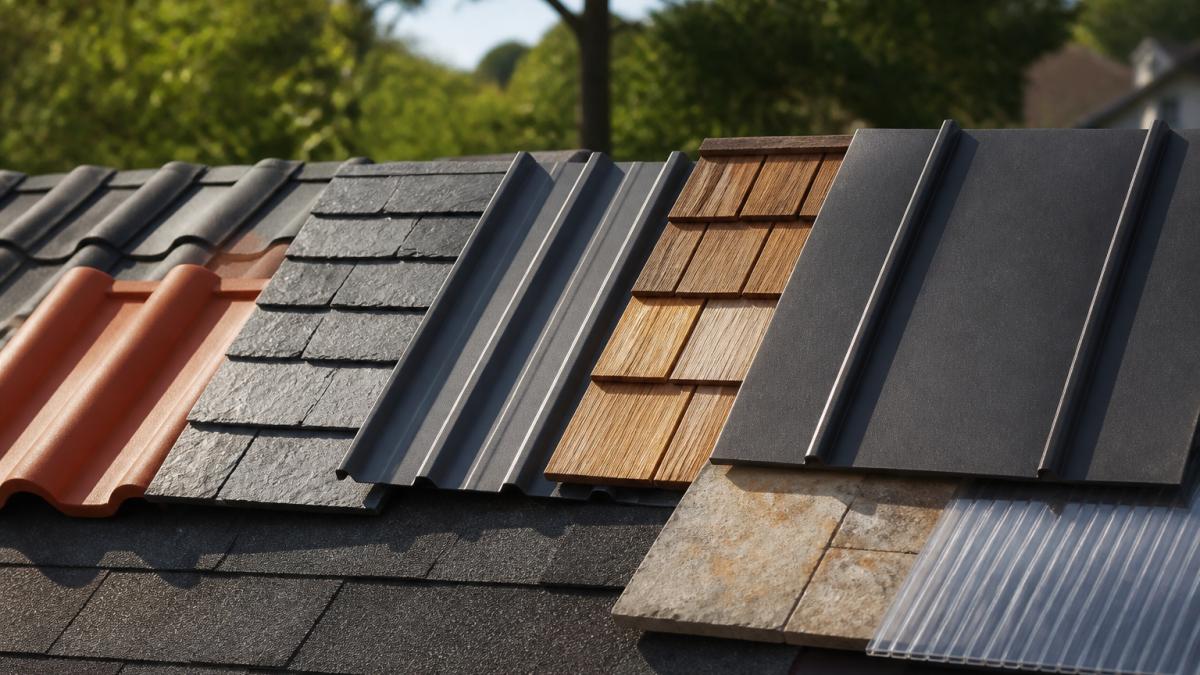
This guide covers the major alternatives to asphalt shingles and how to weigh performance, cost, installation, climate, and structural capacity.
Metal Roof vs Asphalt Shingles: Performance and Longevity
Metal roofing is one of the strongest alternatives to asphalt shingles for durability and long-term value.
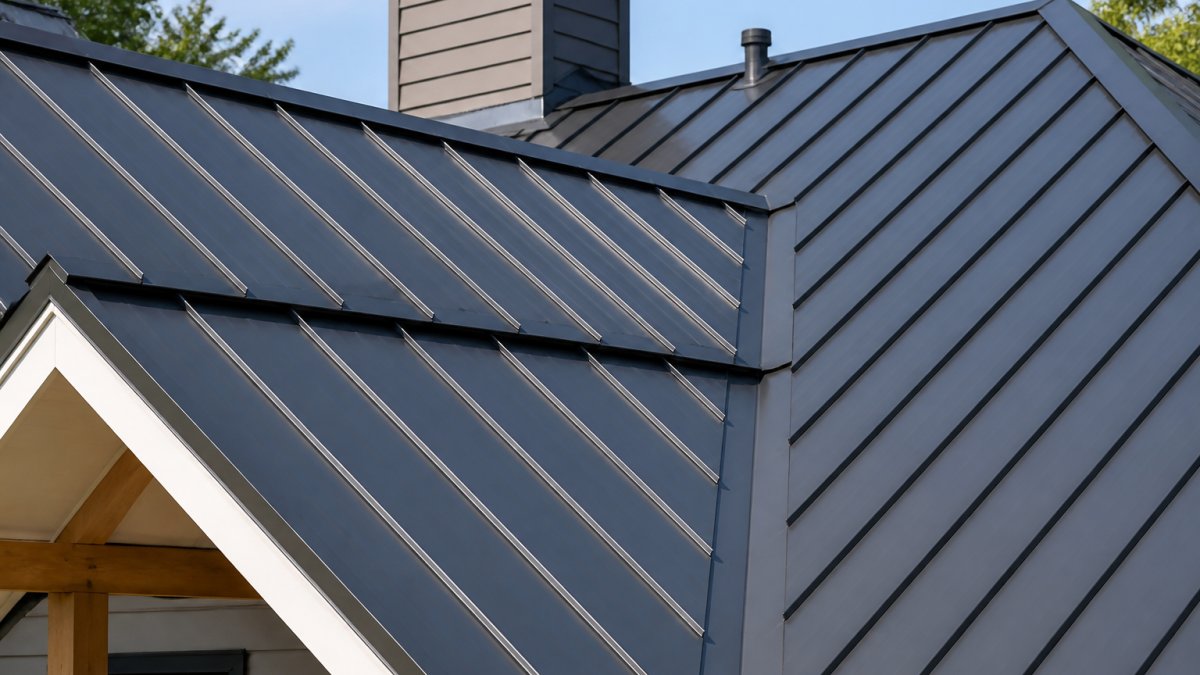
Standing Seam Metal Roofing
Standing seam metal roofing is the premium metal option. Raised, interlocked seams create a watertight system that handles expansion and contraction without cracking, while eliminating exposed fasteners to reduce leak points.
Standing seam works well in heavy snow or freeze-thaw regions: the smooth surface sheds ice and snow naturally, reducing structural load. Installation requires skilled labor and specialized equipment, adding upfront cost.
Snow and Ice Shedding Advantages
Metal's smooth surface sheds snow and ice, unlike asphalt shingles, which trap moisture and form ice dams that cause water damage and accelerate deterioration.
As the sun warms a metal roof, ice and snow slide off readily, reducing structural load and eliminating one of asphalt's biggest maintenance headaches, often justifying the higher initial investment in snow-prone areas.
Synthetic Roof Shingles: Pros and Cons
Synthetic shingles are a middle ground between asphalt and premium options like metal or tile.
Synthetic roof shingles last 25-40 years, longer than asphalt, shorter than metal or tile, and resist hail impact better than asphalt, with finishes that convincingly match high-end materials.
Synthetic shingles cost more than asphalt but less than metal or tile, and standard installation skills keep labor manageable.
Clay and Concrete Tile: Durability and Aesthetics
Tile roofing offers premium aesthetics and exceptional durability. Clay and concrete tiles last 50+ years, some clay roofs installed a century ago still function, making tile attractive for homeowners prioritizing curb appeal and long-term value.
Clay Tile Benefits
Clay tiles offer unmatched aesthetic versatility, from earthy terracottas to deep reds, glazed or unglazed, ideal for homeowners wanting an architectural statement.
Clay is extremely durable and naturally fire-resistant, and tiles don't degrade from UV or temperature swings like asphalt. The main consideration is weight: 12-15 pounds per square foot, which may require framing reinforcement.
Concrete Tile Considerations
Concrete tiles deliver similar longevity to clay at lower cost, weighing 10-14 pounds per square foot, and resist fire and UV degradation exceptionally well.
The aesthetic range is narrower, mostly earth tones and natural finishes, and concrete is more susceptible to algae in humid climates, requiring occasional cleaning.
Both tile types require skilled installation, with higher labor costs than asphalt because each tile is individually fastened.
Cost of Metal Roofing vs Shingles and Other Materials
Comparing alternatives to asphalt shingles comes down to upfront cost versus lifespan value. Asphalt is cheapest initially, but total cost of ownership shifts once you factor in replacement cycles, structural modifications, and insurance adjustments.
Upfront Cost Ranges by Material
Material costs vary by region, roof complexity, and contractor availability, but typical installed ranges are consistent enough to plan around:
- Asphalt shingles: roughly $1.50 to $3.50 per square foot installed for architectural-grade product.
- Synthetic composite shingles: roughly $4 to $8 per square foot installed.
- Standing seam metal: roughly $8 to $14 per square foot installed, with painted steel at the low end and copper or zinc at the high end.
These figures assume a typical single-family home with a moderately complex roof; steep pitches, dormers, and cut-up rooflines push every number higher.
Annualized Cost: The Number That Actually Matters
Dividing installed cost by expected lifespan gives a truer comparison than sticker price. Using mid-range figures:
- Asphalt at $2.50/sq ft over 18 years: about $0.14 per square foot per year.
- Synthetic at $6/sq ft over 30 years: about $0.20 per square foot per year.
- Standing seam metal at $11/sq ft over 50 years: about $0.22 per square foot per year.
Metal and tile look expensive on day one but converge with asphalt on an annualized basis, pulling ahead once you account for the labor disruption of a second or third asphalt replacement.
The Hidden Cost Competitors Skip: Structural Retrofit
Most cost comparisons ignore that a roof replacement is a load change on your framing. Asphalt weighs 2-3 pounds per square foot; clay and concrete tile weigh 10-15.
If your home was framed for asphalt, adding tile may require:
- Sistering or replacing undersized rafters.
- Adding a ridge beam or purlins.
- Reinforcing the top plate and wall framing at bearing points.
Such a retrofit commonly adds several thousand dollars and can determine whether a tile roof is feasible at all.
Labor Availability and Its Effect on Price
Installation labor varies by material:
- Asphalt and synthetic shingles use standard roofing techniques and a broad labor pool.
- Metal requires specialized training, brake equipment, and often manufacturer certification to keep warranties valid.
- Tile demands experienced tile setters, who are concentrated in certain regions and scarce in others.
When qualified labor is scarce, the labor line item can exceed material cost, a real constraint in many markets.
Insurance and Resale Adjustments
Two cost offsets are frequently ignored in side-by-side comparisons:
- Insurance discounts. Class A fire-rated assemblies, metal, tile, and some synthetics, often qualify for premium reductions. In wildfire-prone states, some carriers will not write a policy on a wood-shake roof at all.
- Resale value. A roof with 40+ years of remaining life is a documented selling point. A roof with 5 years left is a negotiating liability.
A Practical Cost Checklist
When comparing quotes, ask each contractor for:
- Total installed cost, itemized by material and labor.
- Expected lifespan and the manufacturer's warranty terms, including prorating.
- Whether structural reinforcement is included or excluded.
We provide detailed cost comparisons during the estimate process, accounting for your home's structural needs and local labor rates.
Rubber Roofing and Cedar Shake Options
Rubber shingles are an underrated option for impact resistance and affordability. Made from recycled rubber and plastic polymers, they deliver 40-50 year lifespans at costs closer to synthetic than metal or tile.
Rubber Shingle Applications
Rubber shingles excel in hail-prone regions, absorbing impact without cracking, and are lighter than tile or metal, so structural reinforcement is rarely necessary.
The aesthetic limitation is real: rubber shingles look like rubber.
Installation uses standard shingle techniques, keeping labor reasonable, and rubber diverts waste from landfills for sustainability-minded homeowners.
Cedar Shake Aesthetics and Maintenance
Cedar lasts 20-40 years depending on climate and maintenance.
Cedar's moderate initial cost rises substantially with maintenance, and experienced installers are increasingly hard to find.
Cedar makes sense for homeowners who view their roof as a design element worth the maintenance, typically in mild, dry climates.
Structural Integrity, Building Codes, and Installation Feasibility
Choosing an alternative to asphalt shingles requires understanding how each material interacts with your structure, local code, and labor market, the part most homeowners underestimate and where projects go over budget.
Weight and Load Math
Roof loads are cumulative: dead load (the material), live load (snow, wind, foot traffic), and attached equipment. Representative dead loads for common residential roofing materials:
- Asphalt shingles: 2 to 3 psf
- Synthetic composite shingles: 3 to 5 psf
- Standing seam metal: 1 to 3 psf
A wood-framed roof designed for asphalt has limited reserve capacity. Swapping to tile can add 10 psf or more of dead load, on a 2,000-square-foot roof, roughly 20,000 additional pounds transferred to the framing.
What Reinforcement Actually Involves
When an engineer determines the framing cannot carry the new load, the fix usually involves one or more of the following:
- Rafter sistering: adding a second member alongside each existing rafter to increase bending capacity.
- Ridge beam or purlin addition: introducing new load paths to shorten rafter spans.
- Top-plate and wall reinforcement: strengthening the bearing points where the roof meets the walls.
Each is a framing project, not a roofing project, requiring a permit amendment, inspection, and coordination between roofer and framer. Budget accordingly and get the engineer's letter in writing before ordering tile.
Building Code Framework
Residential roofing is generally governed by the International Residential Code (IRC), which references ASTM, UL, and NFPA standards. The categories that most affect material choice:
- Fire classification (ASTM E108 / UL 790): Class A, B, or C. Class A is the highest and is required in many wildland-urban interface zones. Metal, tile, and some synthetics achieve Class A. Untreated wood shakes typically do not.
- Wind resistance (ASTM D3161, ASTM D7158, UL 2390): rated in mph. Coastal and high-wind zones often require assemblies rated to 110 mph or higher, with specific fastening schedules.
- Impact resistance (UL 2218): Class 1 through 4, with Class 4 being the highest hail rating. Rubber and some synthetic shingles reach Class 4.
Your local building department adopts a specific code edition and may layer on amendments for snow load, wind speed, and wildfire exposure. The material that works in one county may not be approved in the next.
Installation Feasibility: DIY vs Professional
Not every alternative is realistic to install yourself. A candid breakdown:
- Asphalt shingles: widely considered a viable advanced-DIY project, though steep pitches, height, and warranty requirements push most homeowners to hire out.
- Synthetic composite shingles: installation resembles asphalt, but manufacturers typically require certified installers to honor the warranty. DIY voids coverage on most products.
- Standing seam metal: not a realistic DIY project. Requires a brake, seamer, and panel-handling equipment, plus manufacturer certification for most warranties.
Contractor Availability as a Constraint
Even a code-compliant, structurally feasible material may not be installable in your market on your timeline.
Confirm contractor availability before falling in love with a material, a roof you cannot get installed is not an option, no matter how well it performs on paper.
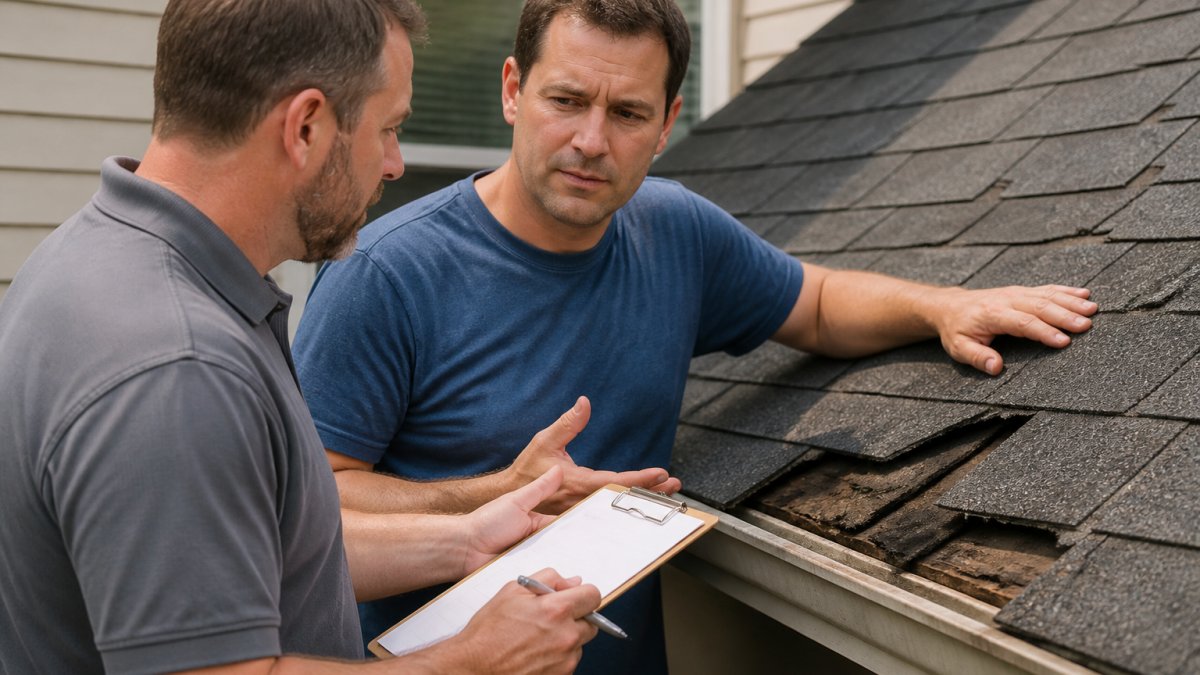
We assess your home's structural capacity and verify that any roofing material meets local building codes before recommending an option.
Fire Resistance and Insurance Ratings
Fire resistance is a critical factor many homeowners overlook when evaluating alternatives to asphalt shingles.
Class A is the highest rating and qualifies for insurance discounts on many policies. Metal and tile qualify automatically; some synthetics do, but not all.
Choosing a roofing material means balancing durability, aesthetics, structural fit, and cost.
| Material | Lifespan | Best For | Key Advantage |
|---|---|---|---|
| Metal | 40-70 years | Snow/ice shedding, longevity | Durability and low maintenance |
| Synthetic | 25-40 years | Aesthetic appeal, budget balance | Mimics premium look at moderate cost |
| Clay Tile | 50+ years | High-end aesthetics, fire resistance | Unmatched visual character |
| Concrete Tile | 50+ years | Durability, fire resistance | Longevity at lower cost than clay |
| Rubber | 40-50 years | Hail impact resistance | Impact absorption and affordability |
| Cedar Shake | 20-40 years | Aesthetic warmth, dry climates | Natural beauty and character |
Frequently Asked Questions
What can I use instead of asphalt shingles on my roof?
Alternatives to asphalt shingles include metal roofing (standing seam), synthetic polymer shingles, clay and concrete tiles, rubber shingles, and cedar shake. Each offers different benefits: metal provides durability and snow shedding, synthetic offers affordability with longer lifespan, tile provides classic aesthetics and fire resistance, and cedar delivers natural curb appeal. Your choice depends on budget, climate, structural capacity, and desired maintenance level.
How does the cost of metal roofing compare to asphalt shingles?
Metal roofing typically costs more upfront than asphalt shingles, but the longer lifespan often justifies the investment. Metal roofs can last 40-70 years compared to 15-20 years for asphalt. While initial installation labor and material expenses are higher, metal roofing requires less maintenance and may lower insurance premiums due to superior fire resistance and impact ratings. Get a free estimate from a qualified contractor to understand the true cost-benefit analysis for your specific roof.
What are the pros and cons of synthetic roof shingles?
Synthetic roof shingles offer durability comparable to natural materials at a lower cost than clay or concrete tiles. Pros include impact resistance, longer lifespan than asphalt (25-40 years), and minimal maintenance. Cons include higher upfront costs than asphalt, potential color fading over time, and limited contractor familiarity in some areas. They work well for homeowners seeking a middle ground between budget and longevity without the structural concerns of heavier materials.
Do I need structural reinforcement to install metal or tile roofing?
Structural requirements depend on your home's current framing and the roofing material's weight. Metal roofing is lightweight and rarely requires reinforcement. Clay and concrete tiles are significantly heavier and may require structural assessment and upgrades. A professional roofing contractor can evaluate your roof's weight capacity and building code compliance. Many homes can accommodate tile with proper underlayment and support, but older homes may need structural work, which affects total project cost.