 how-to
What Is Considered Storm Damage to a Roof
Table of Contents
- What Qualifies as Storm Damage to a Roof
- Common Types of Storm Damage
- Signs of Storm Damage to Roof You Can Identify
- Storm Damage vs. Normal Wear and Aging
- What to Do After Storm Damage to Roof
- How to Document Roof Damage for Insurance
- Filing a Roof Storm Damage Insurance Claim
- When to Call a Professional Roofer
- Frequently Asked Questions
Last Updated: October 14, 2026
What Qualifies as Storm Damage to a Roof
What is considered storm damage to a roof is physical harm caused by severe weather, wind, hail, heavy rain, lightning, or falling debris, that compromises your roof's ability to protect your home.
Storm damage can affect any roof component, shingles, tiles, flashing, underlayment, or the roof deck itself.
Not all roof problems are storm damage. A missing shingle from normal aging, a leak from improper installation, or deterioration from lack of maintenance won't qualify for an insurance claim.
Common Types of Storm Damage
Storm damage takes many forms, each requiring different documentation for insurance claims. Understanding these categories helps you identify what happened to your roof and communicate clearly with adjusters.
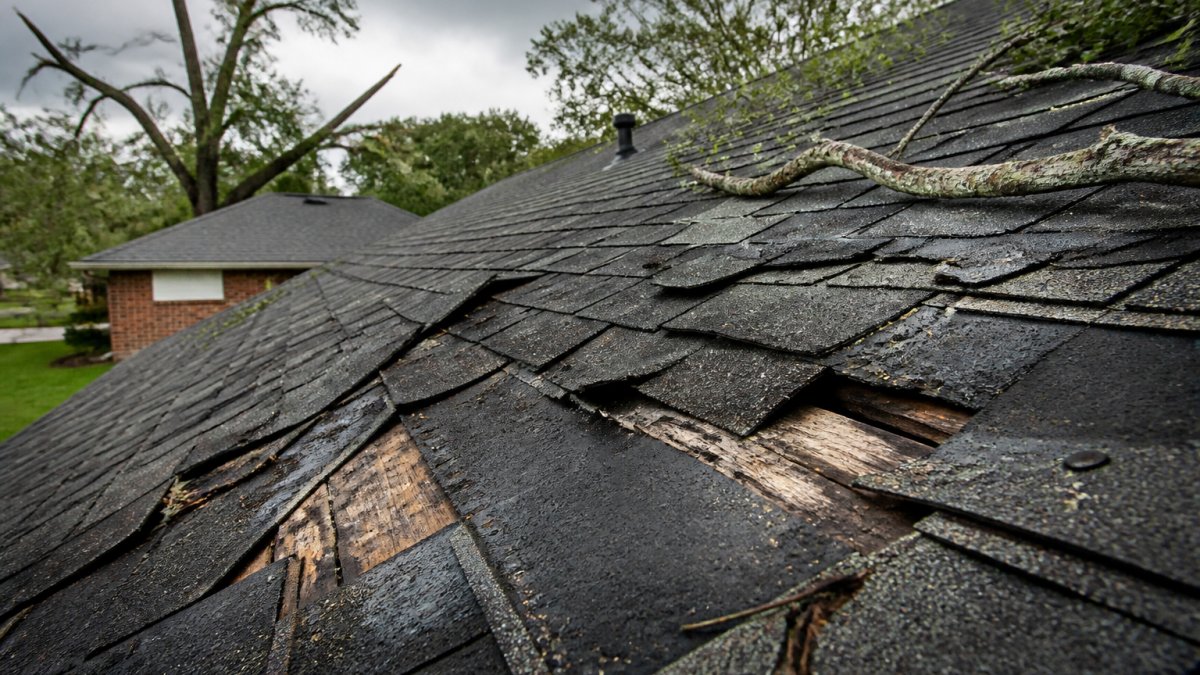
Wind Damage to Shingles, Ridges, and Roof Edges
Wind damage is the most common form of storm damage.
Signs of wind damage include:
- Lifted or curled shingle edges
- Missing shingles or patches of shingles gone
- Creased or wrinkled shingles
- Shingles that look torn or split
Wind damage typically affects the most exposed areas first: the windward side shows the worst damage, and ridgelines and roof edges are particularly vulnerable because they catch the most force.
One detail many homeowners miss: wind damage often exposes the underlayment or roof deck beneath, leading to water intrusion even before rain falls.
Hail Damage: Dents, Cracks, and Granule Loss
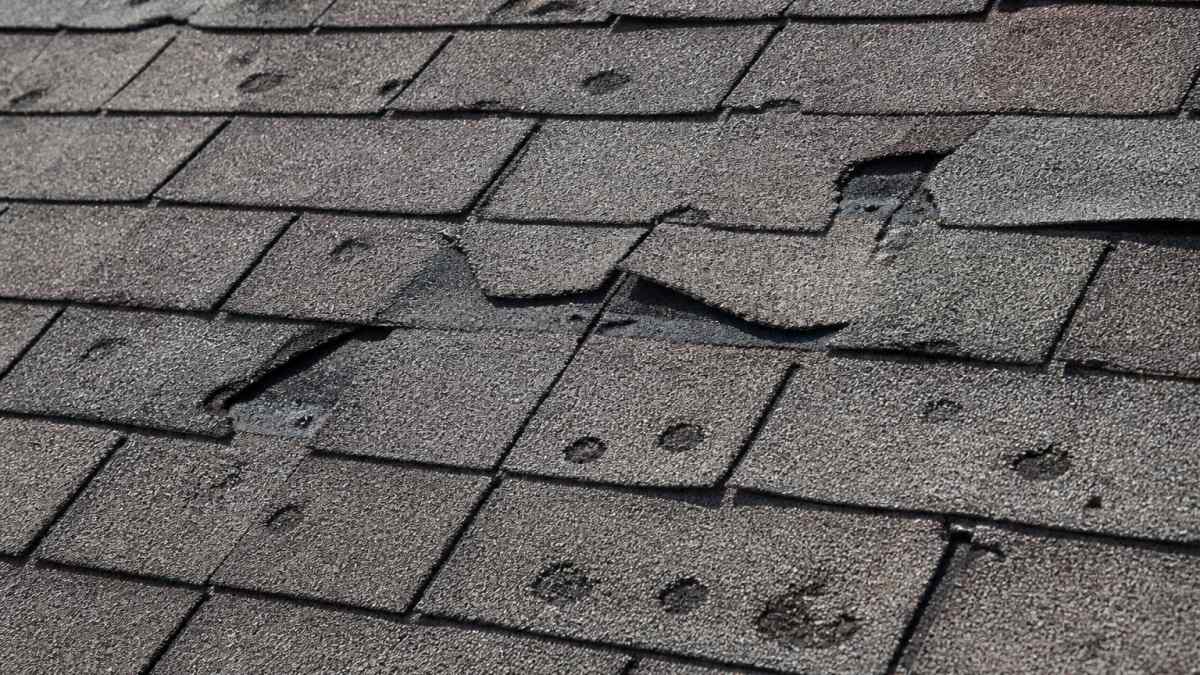
Hail creates a distinctive damage pattern. Hailstones strike the roof surface, leaving dents, cracks, or punctures depending on hail size and roof material, and large hail can cause severe damage in seconds.
Hail damage indicators:
- Dents or impact marks on shingles
- Cracked or broken shingles
- Loss of protective granules (making shingles look lighter or exposing darker asphalt)
- Dents in metal flashing or gutters
Granule loss is particularly important for insurance claims. Hail strips the protective granule coating from asphalt shingles, exposing the underlying asphalt, accelerating deterioration, and increasing vulnerability to UV damage and water intrusion.
Hail damage varies by size: pea-sized hail may cause minor denting, while golf ball-sized or bigger hail causes severe structural damage.
Missing, Lifted, Creased, or Torn Shingles
These shingle problems often result from wind or hail storms, and each requires different repair approaches.
Missing shingles: Completely blown away, exposing the roof deck and underlayment beneath.
Lifted shingles: Edges curl upward but the shingle remains attached. Wind gets underneath, allowing water to penetrate during rain.
Torn shingles: Partial tears or splits, often where hail strikes or wind catches an edge and rips the shingle.
Damage to Metal Roofing and Roof Decking
Metal roofs present different damage patterns than asphalt shingles, with hail and wind creating dents, punctures, and panel separation.
Metal roof storm damage includes:
- Dents or impact marks on metal panels
- Punctures or holes from hail
- Loose or separated panel seams
- Bent or damaged flashing
Metal roof damage is sometimes harder to spot than shingle damage. A dent might seem minor, but it compromises the panel's ability to shed water, letting water pool and eventually penetrate seams or fastener holes.
Roof decking damage occurs when hail or debris penetrates the roof surface entirely, damaging not just the shingles or metal panels but also the underlying wood or composite decking.
Fallen Branches and Windblown Debris Impact
Severe storms bring down tree branches and hurl debris across properties.
Debris impact damage shows as:
- Large punctures or holes in the roof
- Crushed or splintered shingles
- Broken roof tiles
- Damaged flashing or gutters
Debris damage is often the most obvious form of storm damage. A branch lying on your roof or debris scattered across your property provides visual evidence.
The risk with debris damage is secondary water intrusion.
Signs of Storm Damage to Roof You Can Identify
You don't need to climb onto your roof to spot storm damage. Many signs are visible from the ground or from inside your home.
Exterior signs visible from the ground:
- Missing shingles or visible patches of exposed roof
- Shingles that look lighter (granule loss from hail)
- Debris scattered on your roof or yard
- Bent gutters or downspouts
Interior signs indicating roof damage:
- Water stains on ceilings or upper walls
- Wet or discolored insulation in the attic
- Mold or mildew smell in upper rooms
- Visible water dripping into the attic during rain
Interior signs often appear days or weeks after a storm.
The safest approach: have a professional inspect your roof after any significant storm. An experienced roofer can spot damage you'd miss and document it for insurance purposes, strengthening your claim.
Storm Damage vs. Normal Wear and Aging
Insurance companies distinguish between storm damage and normal deterioration. Understanding this difference is crucial for your claim.
Storm damage characteristics:
- Occurs during or immediately after a specific storm
- Affects multiple areas or shows a clear damage pattern
- Looks fresh or recent (not weathered)
- Concentrated in one area or direction (typically facing the wind)
- Happens suddenly, not gradually
Normal aging and wear characteristics:
- Develops gradually over years
- Appears throughout the roof uniformly
- Shows weathering and fading
- Results from UV exposure, temperature changes, or lack of maintenance
- Happens consistently across the entire roof surface
An adjuster will examine damage patterns to make this determination. If shingles are missing only on the windward side after a windstorm, that's clearly storm damage.
Here's where it gets tricky: a roof weakened by age may suffer more damage from a storm than a newer roof would.
Pre-existing damage complicates claims.
What to Do After Storm Damage to Roof
Immediate action after a storm protects your home and preserves your insurance claim.
Step 1: Ensure safety first. Don't climb onto your roof or venture into damaged areas.
Step 2: Document the damage immediately. Take photographs and videos of all visible damage.
Step 4: Contact your insurance company promptly. Report the damage as soon as possible.
Step 5: Schedule a professional roof inspection. Contact a qualified roofer to assess the damage.
Avoid these mistakes after storm damage:
- Don't make permanent repairs before your insurance adjuster inspects the damage. The adjuster needs to see the original damage to approve your claim.
- Don't ignore interior water damage. Check your attic and upper floors for water intrusion even if you don't see obvious roof damage.
- Don't delay reporting the damage. Insurance companies may deny claims filed too late.
- Don't assume minor damage isn't worth claiming. Small problems can become expensive if water enters your roof system.
How to Document Roof Damage for Insurance
Proper documentation strengthens your insurance claim and increases the likelihood of approval. Adjusters rely on evidence to determine whether damage qualifies for coverage.
Photography and video documentation:
- Photograph all visible damage from multiple angles
- Include wide shots showing the damage pattern and location on the roof
- Take close-ups of specific damage (missing shingles, dents, tears)
- Photograph interior damage (water stains, wet insulation, mold)
- Record video walking through damaged areas, narrating what you see
Written documentation:
- Write down the date and time of the storm
- Note the weather conditions (wind speed if known, hail size if observed)
- List all damaged areas and components
- Describe the damage type (missing shingles, dents, holes, etc.)
- Record any interior damage discovered
Professional assessment documentation:
- Obtain a written inspection report from a qualified roofer
- Ensure the report describes specific damage locations and types
- Request that the roofer photograph damage as part of the inspection
- Ask for an estimate for repairs or replacement
- Keep the estimate with your claim documents
Weather records:
- Document the storm date and severity
- Note the National Weather Service records for your area
- Include any official storm reports or warnings issued
- Record hail size or wind speed if officially reported
- This information supports your claim that a significant storm occurred
Organize all documentation in one folder. Create a checklist of what you've documented. When your adjuster arrives, provide copies of everything. Clear, organized documentation demonstrates that you take the claim seriously and have gathered thorough evidence.
Filing a Roof Storm Damage Insurance Claim
The claims process involves specific steps and timelines. Understanding the process helps you navigate it effectively.
Step 1: Review your policy. Before filing, read your homeowners insurance policy.
Step 2: Contact your insurance company. Call the claims department and report the damage.
Step 3: Prepare for the adjuster visit. Gather all documentation, photographs, videos, inspection reports, and written descriptions.
Step 4: Obtain repair estimates. Get written estimates from qualified roofers for repairs or replacement.
Common claim delays and denials:
- Delayed reporting: Filing a claim weeks or months after a storm may result in denial. Report damage promptly.
- Insufficient documentation: Claims with poor or missing photos are harder to approve. Document thoroughly.
- Disputed damage cause: If the adjuster believes damage is from aging, not the storm, they may deny the claim. Professional inspection reports help counter this.
- Policy exclusions: Some policies exclude certain damage types. Review your policy before filing.
When to Call a Professional Roofer
Knowing when to seek professional help protects your home and ensures proper repairs. Some roof problems require immediate professional attention.
Call a roofer immediately if:
- Your roof has large holes or missing sections
- Water is actively dripping into your attic or home
- You see significant structural damage or sagging
- Multiple shingles are missing or severely damaged
- You're unsure whether damage qualifies as storm damage
Schedule a professional inspection after:
- Any significant storm (high winds, hail, heavy rain)
- You notice new leaks or water stains
- You see visible damage from the ground
- Your roof is over 15 years old (annual inspection recommended)
- Before purchasing a home to assess roof condition
A professional roofer brings expertise you don't have. They can:
- Identify damage you might miss
- Distinguish between storm damage and normal wear
- Document damage for insurance claims
- Provide written estimates for repairs
- Recommend repair versus replacement
Leitch Roofing offers professional roof inspections and damage assessment. We document damage thoroughly for insurance purposes. Our team helps you understand your repair options and guides you through the claims process. We provide free estimates.
Frequently Asked Questions
What is considered storm damage to a roof?
Storm damage to a roof includes physical harm caused by severe weather events such as high winds, hail, thunderstorms, and falling debris. This includes missing or lifted shingles, hail dents and cracks, granule loss, torn or creased shingles, damage to flashing and underlayment, and punctures or dents in metal panels. Storm damage differs from normal wear and aging because it occurs suddenly during a weather event, whereas wear develops gradually over time.
How do I know the difference between storm damage and normal roof aging?
Storm damage appears suddenly after a specific weather event and affects localized areas of the roof. Normal aging develops gradually across the entire roof surface over years. Storm damage includes sharp tears, missing sections, and impact marks, while aging shows uniform deterioration, fading, and curling shingles. If you cannot pinpoint a specific storm event that caused the damage, it is likely normal wear. Professional roofers can assess the difference during a roof inspection.
What should I do immediately after a storm damages my roof?
First, ensure your safety and do not climb on the roof if it is wet or unstable. Document damage with photographs from the ground and from inside your attic if accessible. Contact your insurance company within the timeframe specified in your policy (typically 30-60 days). Schedule a professional roof inspection to assess the full extent of damage. Make temporary repairs only to prevent water intrusion, such as placing a tarp over exposed areas. Avoid making permanent repairs before your insurance adjuster visits, as this may complicate your claim.
Does homeowners insurance cover roof storm damage?
Most homeowners insurance policies cover roof damage caused by covered perils such as wind, hail, and falling objects. However, coverage varies by policy and insurer. Damage from wear and tear, poor maintenance, or gradual deterioration is typically not covered. Some policies have deductibles ranging from $500 to $1,500 or higher. Review your specific policy details and contact your insurer to confirm coverage. If your claim is denied, you may request an independent inspection or appeal the decision with supporting documentation.
Storm damage to your roof requires prompt action and careful documentation. Identifying damage early, photographing thoroughly, and reporting quickly to your insurance company protects your home and maximizes your claim. When you need professional assessment or repair, Leitch Roofing is here to help. Contact us for a free inspection and estimate. We'll assess your roof's condition, document any damage, and guide you through repairs or insurance claims with expertise and professionalism.