 how-to
What Happens If Storm Damage Is Not Repaired
Table of Contents
- Storm Damage Left Unrepaired: Why It Matters
- How Long Can You Leave a Damaged Roof Unrepaired
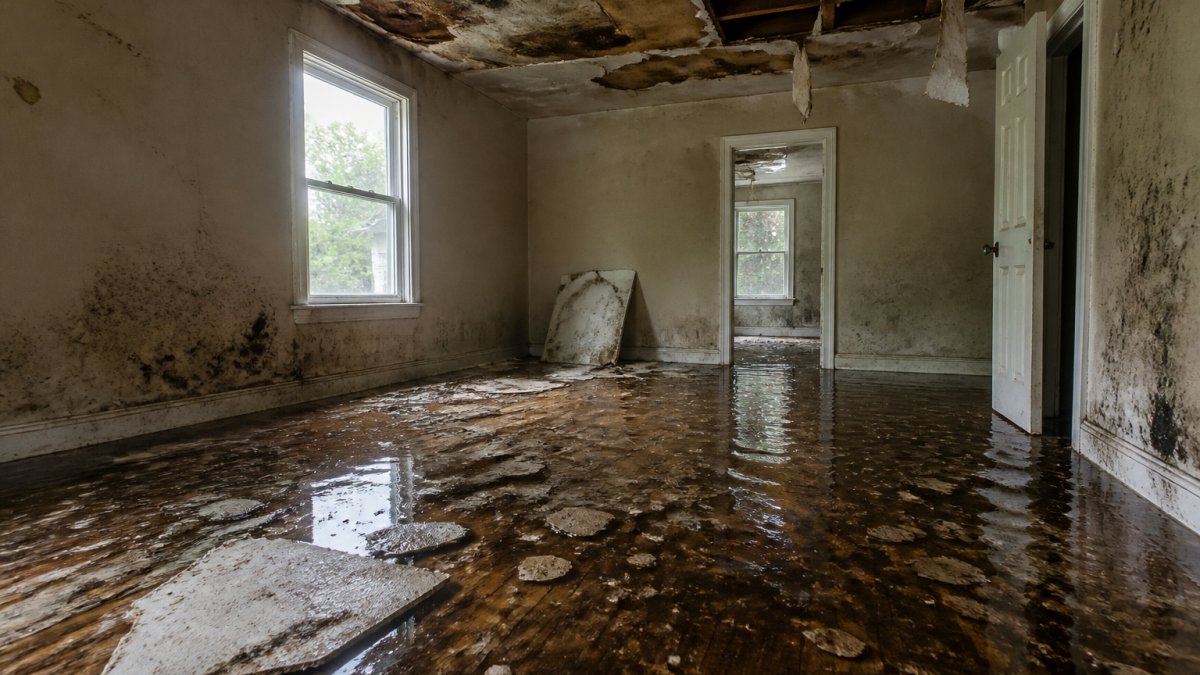
- Water Intrusion and Secondary Damage: The Hidden Cost
- Mold, Moisture, and Health Risks
- Structural Deterioration and Safety Hazards
- Documenting Storm Damage for Insurance
- Temporary Roof Repair After a Storm vs. Full Repair
- Storm Damage Insurance Claim Deadline and Coverage Loss
- Frequently Asked Questions
Last Updated: October 16, 2026
Storm Damage Left Unrepaired: Why It Matters
Storm damage is often visible right away, a missing shingle, a bent gutter. Understanding what happens if storm damage is not repaired shows that waiting doesn't make it cheaper; it makes it exponentially more expensive.
Those who act fast spend less; those who delay pay for preventable damage.
What happens if storm damage is not repaired isn't just about inconvenience, it's about structural integrity, health, and insurance coverage.
How Long Can You Leave a Damaged Roof Unrepaired
Not long. A damaged roof can fail catastrophically within weeks or months, depending on severity and weather.
Here's the timeline most homeowners don't expect:
- Days 1-7: Visible damage worsens with rain and wind. Water begins seeping into attic spaces.
- Weeks 2-4: Interior water damage becomes noticeable. Drywall stains appear. Insulation absorbs moisture.
- Months 2-3: Structural wood begins to weaken. Mold colonies establish themselves. Repair costs spike.
A single missing shingle might seem minor, but the next rain pushes water through that opening, saturating the underlayment and framing. Once water gets inside, damage accelerates, and hidden damage accumulates behind walls and ceilings, by the time you notice, the real expense has already occurred.
Water Intrusion and Secondary Damage: The Hidden Cost
Water intrusion drives secondary damage after a storm and is the most misunderstood part of the repair decision.
Gravity and pooling. Water follows framing, runs down rafters, collects on ceiling drywall, and pools in wall cavities.
Vapor diffusion. Even after visible water stops, moisture vapor moves through the assembly and condenses on cooler surfaces, creating the damp conditions mold needs.
What actually degrades, and in what order
- Insulation. Fiberglass batts lose R-value when saturated and don't fully recover; blown-in cellulose can mat down permanently. Energy costs rise before you notice anything else.
- Drywall. Paper-faced drywall loses structural integrity when wet, sags, crumbles, and feeds mold. It usually must be cut out, not dried in place.
- Framing lumber. Wet-then-dry cycles swell and shrink wood, opening joints and loosening fasteners. Moisture above roughly 20% wood content invites wood-decay fungi.
Repair versus temporary mitigation: what you can safely do yourself
Homeowners often wait for the adjuster before acting, the wrong order. Most policies require reasonable steps to prevent further damage, and those costs are often reimbursable:
- Safe for most homeowners: tarping damaged roof sections, moving furniture and electronics, pulling up wet rugs and padding, photographing everything first, and shutting off power to wet circuits.
- Leave to a professional: roof access above one story, electrical panel or wiring work, mold remediation beyond a small area, and any cutting into structural framing.
Do not run a household fan or dehumidifier in a cavity you suspect is moldy. Air movement can spread spores through the home. Contain the area first, then dry it.
Why the cost curve is not linear
A small unrepaired opening doesn't produce a small repair bill, it grows in stages, each adding a new trade:
- Roof-only repair. Replace damaged shingles, underlayment, and flashing. One trade, exterior work.
- Roof plus interior drywall. Add drywall removal, insulation replacement, and painting. Two trades, interior access.
- Roof plus framing plus mold remediation. Add a remediation contractor, containment, air scrubbing, and possibly temporary relocation. Three or more trades, plus a health-and-safety scope.
- Roof plus framing plus mold plus structural repair. Add an engineer's assessment, permits, and load-bearing repairs. This is where a project stops being a repair and becomes a renovation.
Each stage adds time: a roof-only repair may be scheduled in days, while remediation and structural work can take weeks to months, with the home possibly uninhabitable. Costs vary widely by region, roof type, and scope, which is why a written scope of work from a licensed contractor early matters more than any rule-of-thumb estimate.
The cost of waiting is not measured in the size of the original opening. It is measured in how many trades, permits, and health-and-safety steps the delay adds to the job.
What to document before anything is moved
Before you tarp, cut, or clean, capture the condition as it is: wide shots of each room, close-ups of stains and sagging, the underside of roof sheathing if safely accessible, and damaged property. Note the date and time. This record establishes the damage came from the storm, not neglect.
Mold, Moisture, and Health Risks
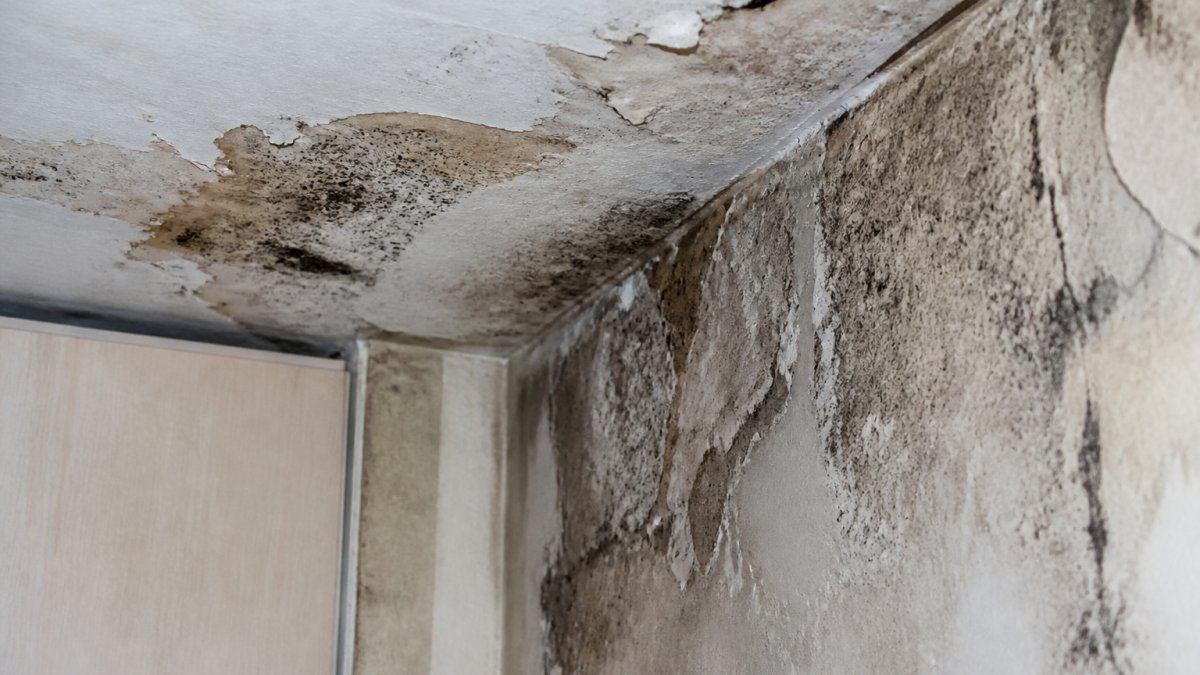
Mold thrives in damp environments, and unrepaired storm damage creates ideal conditions for growth.
Mold starts within 24-48 hours of moisture exposure and spreads through walls, attics, and crawl spaces, usually unseen until it's established.
Health risks from mold exposure include:
- Respiratory irritation and coughing
- Allergic reactions and asthma triggers
- Sinus infections and nasal congestion
Children, elderly residents, and people with respiratory conditions face the highest risk, though even healthy people can develop mold sensitivity over time.
Moisture also attracts pests. Termites, carpenter ants, and other wood-boring insects exploit wet wood, accelerating structural damage while you delay.
Structural Deterioration and Safety Hazards
Wood framing loses strength when exposed to prolonged moisture, a safety issue, not a minor concern.
Wet wood loses load-bearing capacity: trusses sag, joists weaken, floor support deteriorates, and structural failure can occur without warning.
The safety hazards extend beyond structural collapse:
- Ceiling sections can fall unexpectedly
- Floors become soft and unstable
- Walls lose lateral bracing
If an adjuster finds evidence you knew about damage and didn't repair it, they may deny your claim, arguing secondary damage resulted from negligence rather than the storm.
Documenting Storm Damage for Insurance
Documentation is your protection. After a storm, start with damage assessment and photography:
- Photograph everything. Take timestamped wide shots and close-ups of all visible damage from multiple angles.
- Document the weather event. Note the date, time, wind speed if known, and other relevant details.
- Get professional assessment. Have a professional inspection within days of the storm, not weeks or months later.
Adjusters expect damage reported shortly after it occurs. Wait three months and the insurer may argue you failed to mitigate damages, an argument that can reduce payments or deny the claim.
Professional documentation establishes the timeline and proves you took reasonable steps to protect your property.
Temporary Roof Repair After a Storm vs. Full Repair
After a storm, you choose between temporary repairs and full replacement. Temporary repairs provide immediate protection while you arrange permanent solutions, a tarp prevents additional water intrusion and buys time for estimates and insurance coordination.
The choice depends on your timeline:
- Choose temporary repairs if: You're waiting for insurance approval, coordinating contractor schedules, or expecting additional storms.
- Choose full repair if: You have insurance approval, funds available, and weather windows allow for completion.
We help homeowners decide whether temporary protection suffices or full repair should begin immediately, and work with your insurer to ensure repairs meet coverage requirements.
Storm Damage Insurance Claim Deadline and Coverage Loss
Insurance deadlines are real, but the claim filing window usually isn't the one that costs homeowners money. The provision that actually reduces or denies storm-damage claims is the duty to mitigate, and it runs on a shorter clock.
Two different clocks
The prompt-notice provision. Nearly every policy requires notifying the insurer within a reasonable time, and many state a specific window. The exact number varies by policy and state regulation, so the only reliable answer is on your declarations page and policy jacket.
The duty to mitigate. This requires reasonable steps to prevent further damage after a loss. It isn't tied to a filing deadline but to reasonableness, evaluated from the moment the storm passes.
The distinction that decides most disputes: original versus secondary damage
This distinction determines whether your claim is paid.
- Original storm damage is the direct result of the storm, missing shingles, cracked flashing, a hole in the decking. This is the loss the policy covers.
- Secondary damage happens afterward because the opening was left unaddressed, rotted framing, mold, a sagging ceiling. Insurers often treat it as maintenance or neglect rather than a covered loss.
The dividing line isn't the calendar but whether you took reasonable steps to stop the intrusion once you knew or should have known. Tarping the day after the storm is a strong position; noticing a stain in month two and doing nothing until month six is a weak one.
Policy language and state insurance rules vary. Nothing here overrides your specific policy. If your claim is denied or reduced, you generally have the right to request the specific policy provision relied on, and many states provide a formal appeal or appraisal process. A licensed public adjuster or an attorney who handles insurance disputes can review the denial against your policy language.
A prioritized timeline for action
Immediately (same day, if safe):
- Photograph and video all visible damage, inside and out, with timestamps.
- Tarp or board up openings to stop water intrusion. Keep every receipt.
- Move valuables and electronics out of affected areas.
Within 24-48 hours:
- Notify your insurer and get a claim number, notification isn't the same as filing a completed claim, so do both.
- Request the relevant policy provisions, including prompt-notice and duty-to-mitigate language.
- Schedule a licensed roofing or restoration contractor for a written inspection and scope of work.
Within 7 days:
- Obtain at least one written repair estimate, ideally two.
- Submit your documentation package to the adjuster.
- Confirm in writing whether the insurer covers temporary mitigation costs.
Within 30 days:
- Have a signed scope of work and repair schedule, or a written explanation of what is and isn't covered.
- If disputed, request the specific denial basis in writing and ask about your policy's appraisal clause.
Ongoing:
- Keep a running log of every call, email, and site visit with dates and names.
- Don't sign a final release or accept a settlement until you have a contractor's written scope to compare it against.
What actually triggers a reduction or denial
Insurers don't look for delay for its own sake, they look for evidence the homeowner knew about damage and didn't act:
- No documentation of the damage in its original condition.
- No mitigation steps taken, or no receipts proving they were.
- A gap between the storm date and first report that the insurer can attribute to neglect.
The filing deadline gets the attention, but the duty to mitigate decides the claim. Document the damage, stop the water, and keep the receipts, in that order, starting the day the storm passes.
When to bring in outside help
If your claim is denied, partially denied, or the adjuster's estimate falls far below your contractor's scope, you have options. Many policies include an appraisal clause letting each side appoint an appraiser and, if needed, a neutral umpire to resolve valuation disputes without litigation. A licensed public adjuster works for you, not the insurer, typically for a percentage of the settlement.
Frequently Asked Questions
What happens if storm damage is not repaired right away?
Unrepaired storm damage escalates rapidly. Water intrusion leads to mold, structural rot, and electrical hazards within weeks. Insurance may deny claims if you delay repairs, and repair costs can double or triple as secondary damage spreads. Missing shingles and lifted roofing materials expose the interior to moisture, causing hidden damage that becomes visible only after significant deterioration occurs. The longer you wait, the more expensive, and dangerous, the problem becomes.
How long can you leave a damaged roof unrepaired before it causes serious problems?
Most roofs with visible damage (missing shingles, lifted materials, holes) should be repaired within 24-48 hours of the storm event. Even minor damage allows water intrusion during the next rain. Within 1-2 weeks, moisture reaches structural components like rafters and decking. Mold can develop within 3-7 days in humid conditions. Your homeowners insurance policy typically requires prompt action; delays may void coverage. Professional inspection immediately after a storm determines urgency, do not wait.
Can homeowners insurance deny a claim if storm damage is not repaired promptly?
Yes. Most homeowners insurance policies require you to take reasonable steps to protect the property and prevent further damage. Failing to repair storm damage quickly can be interpreted as neglect, giving insurers grounds to deny claims for secondary damage or reduce your payout. Additionally, if damage worsens while you delay repairs, the insurer may argue you failed to mitigate losses. Document all damage with photos and records immediately, file your claim without delay, and follow your insurer's guidance on repair timelines to protect your coverage.
How much can repair costs increase if I delay fixing storm damage?
Repair costs typically escalate 20-50% or more when damage is left unrepaired. Initial roof damage (missing shingles, minor leaks) costs less to fix than water damage to interior walls, insulation, electrical systems, and structural framing. A $2,000 roof repair can become a $5,000-$10,000+ project if water intrusion causes rot, mold remediation, or structural replacement. FEMA and insurance adjusters consistently find that prompt repairs minimize total loss. Temporary repairs help protect the property while you arrange permanent solutions.