 how-to
What Causes Roof Shingles to Crack and Curl
Table of Contents
- Why Roof Shingles Crack and Curl: The Main Causes
- Signs of Roof Shingle Damage: Curling, Cupping, and Cracking Explained
- How to Inspect a Roof for Storm Damage: A Safe Step-by-Step Guide
- Roof Shingle Repair or Replacement: Making the Right Decision
- Prevention and Maintenance: Extend Your Roof's Life
- Frequently Asked Questions
Last Updated: October 10, 2026
Why Roof Shingles Crack and Curl: The Main Causes
What causes roof shingles to crack and curl? The answer involves multiple factors working together. Your roof faces constant stress from temperature swings, moisture, UV rays, and age. Understanding what causes roof shingles to crack and curl helps you spot problems early and prevent costly damage.
Some roofs fail at ten years. Others last thirty. The difference usually comes down to a handful of preventable factors.
Let's break down what actually happens to asphalt shingles over time.
Roof Age and Shingle Deterioration
Asphalt shingles have a finite lifespan. Most last between 15 to 25 years, depending on climate and maintenance (Resources). After that window, deterioration accelerates.
Here's what happens: shingles contain oils that keep them flexible. Over time, these oils evaporate. The shingles lose their flexibility and become brittle.
This isn't a defect. It's the natural aging process. A roof that's 20 years old showing curling and cracking isn't necessarily a failure, it's a signal that replacement is approaching.
The real problem emerges when you ignore the signal. A cracked or curled shingle allows water underneath. Water seeps into the roof deck. Once moisture gets in, structural damage accelerates quickly.
Poor Attic Ventilation and Trapped Heat
Attic ventilation problems create heat buildup. Heat is a silent killer of roof shingles.
Your attic should have balanced intake and exhaust ventilation. Air enters through soffit vents. It exits through ridge vents or gable vents. This airflow keeps attic temperature close to outdoor temperature.
When ventilation fails, heat gets trapped. Summer attic temperatures can exceed 160°F. This extreme heat accelerates the breakdown of shingle materials. The adhesive bond between shingle layers weakens.
Poor attic ventilation also traps moisture. Warm, humid air rises into the attic. When it hits the cold roof deck, condensation forms.
The fix requires proper airflow. Soffit vents must be clear. Ridge vents must be unobstructed. Insulation shouldn't block the air pathway.
Moisture Buildup and Condensation Damage
Moisture is the root cause of more roof failures than any other factor.
Moisture enters your attic from multiple sources: bathroom exhaust fans, kitchen vents, laundry dryers, and natural humidity from living spaces. If these aren't properly vented to the outside, they dump moisture into the attic.
Condensation forms when warm, moist air meets cold surfaces. The roof deck is cold. Moist attic air condenses on it. This creates a damp environment where shingles absorb moisture.
Wet shingles lose their structural integrity. They become soft and spongy. They cup and warp. The moisture also promotes mold growth on the roof deck, which weakens the wood.
Prevention requires:
- Venting all moisture sources outside
- Installing proper attic ventilation
- Using a vapor barrier in the attic
- Checking for leaks regularly
Improper Installation and Defective Materials
Installation mistakes cause premature shingle failure.
Common installation errors include:
- Nailing shingles in the wrong spot
- Using too few nails or too many
- Installing shingles during cold weather when they're stiff
- Failing to remove the backing from self-adhesive shingles
- Not following manufacturer specifications for slope and overlap
These mistakes create loose shingles that lift in wind. Wind gets under them. Shingles blow off or curl at the edges.
Defective materials also cause problems. Low-quality asphalt shingles deteriorate faster. Some manufacturers have produced batches with defective adhesive. These shingles fail years before their rated lifespan.
If your roof is only five years old and shingles are already curling, defective materials or installation errors are likely causes. Document the problem with photos. You may have a warranty claim.
UV Exposure and Thermal Cycling
The sun damages roof shingles through two mechanisms: UV radiation and thermal cycling.
UV rays break down the asphalt binder that holds shingle granules in place. Over time, granules wash away. Exposed asphalt deteriorates faster.
Thermal cycling is the daily expansion and contraction from temperature swings. Morning sun heats the shingles. They expand. Evening cooling causes them to contract.
In climates with extreme temperature swings, hot days and cold nights, thermal cycling accelerates cracking and splitting. Shingles develop stress fractures. These cracks allow water infiltration.
Dark-colored shingles absorb more heat than light colors. They experience more thermal stress. If you're replacing your roof, lighter colors can reduce heat damage and extend shingle life.
Signs of Roof Shingle Damage: Curling, Cupping, and Cracking Explained
Roof shingle damage takes several forms. Learning to distinguish them helps you understand what's happening and whether repair or replacement is needed.
Curling and Cupping: What's the Difference?
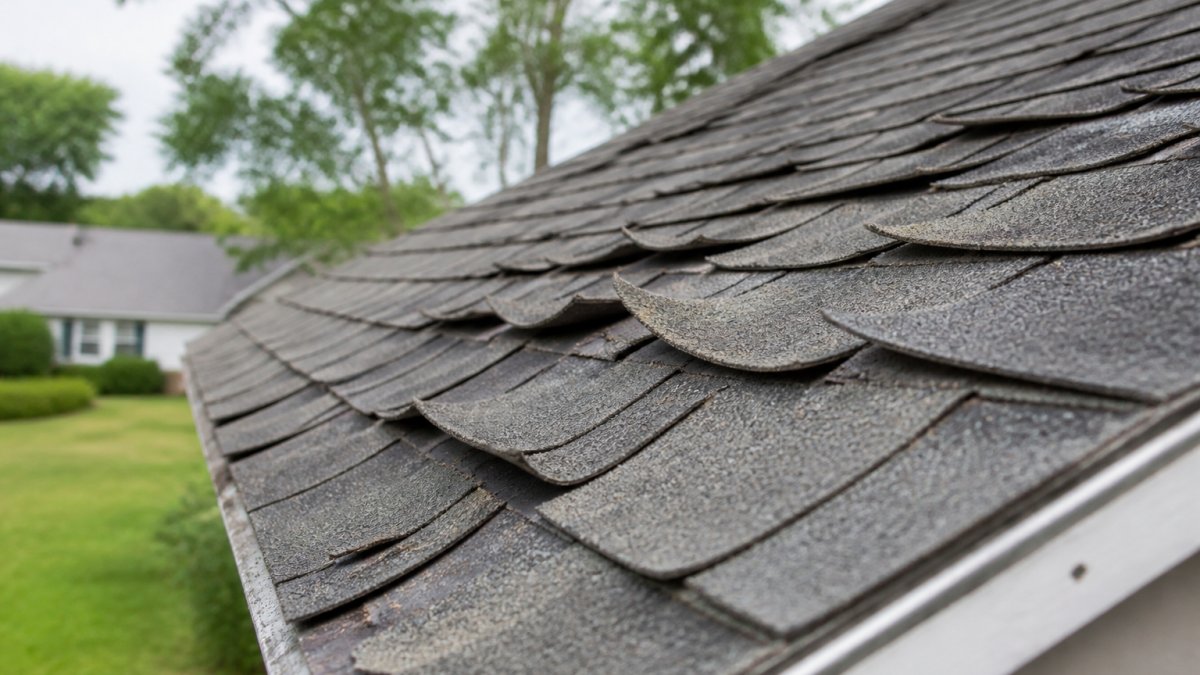
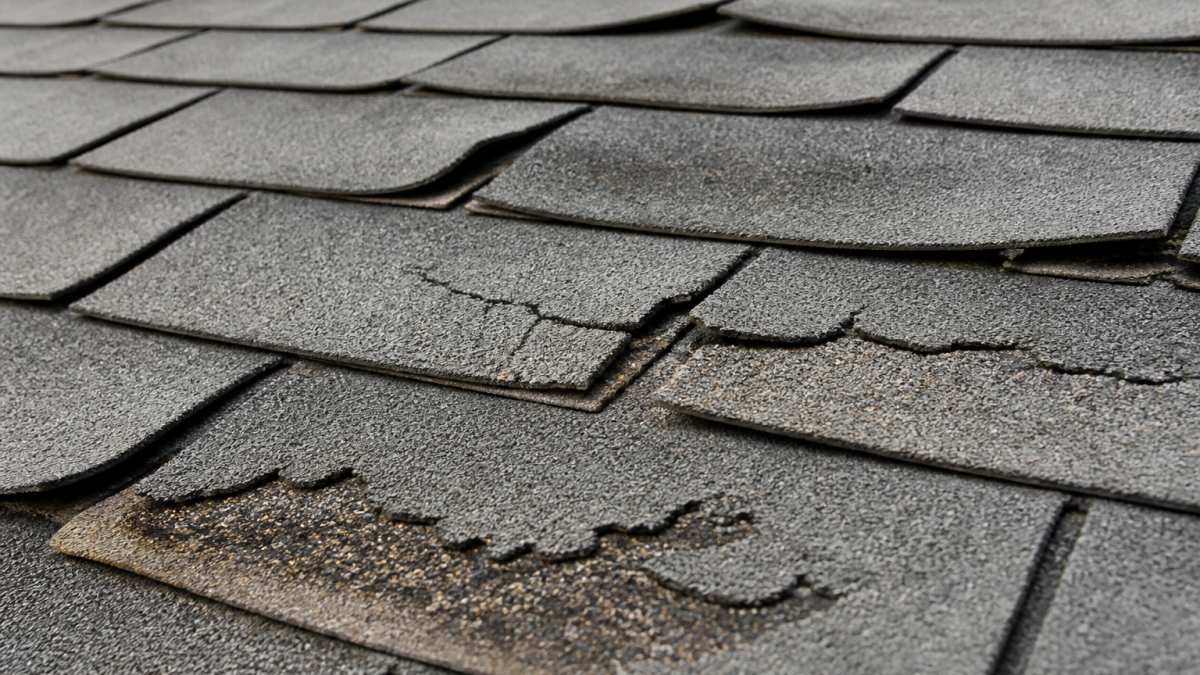
Curling means the edges of shingles turn upward. Cupping means the center of the shingle dips down while the edges curl up, creating a cup shape.
Both indicate moisture problems or age-related deterioration. Curling usually signals attic heat or moisture. Cupping suggests the shingle is absorbing moisture from below.
The distinction matters for diagnosis. Curling on south-facing slopes suggests UV and heat damage. Cupping on north-facing slopes suggests condensation problems.
Cracking, Splitting, and Clawing
Cracking is surface damage where the shingle material breaks. Cracks allow water underneath.
Splitting is a severe crack that runs across the shingle, sometimes splitting it into pieces.
Clawing is when the shingle edges curl inward, creating a claw-like appearance. This signals advanced deterioration.
All three allow water penetration. Water gets under the shingle and damages the roof deck. Once water reaches the deck, structural damage spreads quickly.
Buckling and Warping
Buckling is when a shingle develops a visible wave or hump. Warping is similar, the shingle loses its flat shape.
Both indicate the shingle is absorbing moisture or experiencing thermal stress. Buckling usually appears near the roof's center, where water pools or where attic heat is most intense.
Buckling shingles create valleys where water collects. Water pools and seeps under nearby shingles.
How to Inspect a Roof for Storm Damage: A Safe Step-by-Step Guide
You don't need to climb onto your roof to spot damage. A ground-level inspection catches most problems.
What You'll Need Before You Start
Gather these items:
- Binoculars for close viewing
- A camera or smartphone
- A notebook to document damage
- Ladder (for gutter inspection only)
- Proper footwear with good grip
Do not climb onto your roof. Falls are the leading cause of home injuries. A ground inspection is safe and effective.
Conducting a Ground-Level Inspection
Step 1: Stand back and look at the overall roof shape. Is it sagging? Do shingles look wavy or bumpy?
Step 2: Use binoculars to examine shingles close up. Look for curling edges, cracks, splits, and missing shingles.
Step 3: Check the gutters. Granules in gutters indicate shingles are deteriorating. Lots of granules suggest advanced wear.
Step 4: Look for water stains on soffit and fascia. Water stains indicate leaks. They show where water is running off the roof.
Step 5: Check around roof penetrations. Examine areas around chimneys, vents, and skylights. These are common leak points.
Step 6: Document everything. Take photos from ground level. Note the location of damage. Date your photos.
When to Call a Professional Inspector
Call a professional if:
- You see significant curling or cracking
- You notice sagging or structural damage
- You're buying a home and need a pre-purchase inspection
- Your insurance company requires an inspection for a claim
- You're unsure whether damage is cosmetic or structural
A professional inspector can walk your roof safely. They can identify damage you can't see from the ground. They can assess whether repair or replacement is needed.
At Leitch Roofing, we offer free inspections. We'll identify damage, explain what's happening, and recommend solutions. We also specialize in insurance claim assistance, which simplifies the process when storm damage occurs.
Roof Shingle Repair or Replacement: Making the Right Decision
Not all damage requires a full roof replacement. Sometimes repair is the right choice. Sometimes replacement is necessary.
Repair: When It Makes Sense
Repair makes sense when:
- Damage is localized to a few shingles
- The roof is less than 15 years old
- The rest of the roof is in good condition
- You're addressing a specific problem (wind damage, storm damage)
Repairing individual shingles is cost-effective for isolated damage. A professional removes the damaged shingle and installs a new one.
Repairs also work when you're dealing with a specific issue like improper installation. If one section of shingles was installed incorrectly, fixing the installation prevents future problems.
However, repair is temporary if the underlying cause isn't fixed. If poor ventilation caused cupping, replacing the shingles won't solve the problem. You must fix the ventilation first.
Replacement: When It's Time
Replacement is necessary when:
- The roof is 20+ years old
- Damage covers more than 30% of the roof
- Multiple areas show different types of damage
- The roof deck is damaged or rotting
- Curling and cracking are widespread
A full replacement is the right choice for aging roofs. Once shingles lose flexibility, problems multiply. Replacing them addresses the problem comprehensively.
Replacement also makes sense when you're addressing the root cause. If you're upgrading ventilation, replacing shingles with new ones ensures the new ventilation system works effectively.
Insurance Coverage and Claims
Most homeowners insurance covers storm damage to roofs (How Your Roof Influences Your Home and Business Insurance). Damage from wind, hail, falling trees, and lightning is typically covered.
Insurance usually does not cover damage from:
- Age and wear (normal deterioration)
- Poor maintenance
- Installation defects
- Lack of ventilation
Document damage with photos. Keep records of maintenance. If you file a claim, provide the insurance adjuster with clear evidence.
Many adjusters focus on visible damage and miss underlying problems. If an adjuster denies your claim, a second opinion is valuable. At Leitch Roofing, we help clients navigate insurance claims. We can provide documentation of damage and advocate for fair settlements.
Prevention and Maintenance: Extend Your Roof's Life
Preventive maintenance extends roof life by years.
Clean gutters twice yearly. Clogged gutters cause water to back up under shingles.
Trim tree branches. Branches rubbing on shingles cause damage. Overhanging branches drop debris into gutters.
Inspect after storms. High winds and hail cause damage that's easy to miss.
Ensure proper ventilation. Have your attic ventilation inspected. Clear any blocked vents.
Vent moisture sources outside. Bathroom and kitchen exhaust should exit outside, not into the attic.
Check the attic for moisture. Look for water stains, mold, or soft spots in the roof deck.
Address leaks immediately. Water damage accelerates once it starts.
Regular maintenance costs far less than emergency repairs or premature replacement.
Roof damage catches many homeowners by surprise. But most problems develop gradually.
If you've noticed curling, cracking, or other signs of roof shingle damage, a professional inspection is the next step.
Frequently Asked Questions
Can poor attic ventilation cause roof shingles to curl?
Yes. Poor attic ventilation traps heat and moisture, creating thermal cycling that causes shingles to lose flexibility and curl prematurely. Heat buildup accelerates the breakdown of the adhesive bond in asphalt shingles, while condensation contributes to moisture absorption in the roof deck. Proper ventilation maintains consistent attic temperature and reduces the stress that leads to curling and cracking.
What's the difference between curling and cracking roof shingles?
Curling occurs when shingle edges lift away from the roof deck, usually from heat damage or loss of volatiles in the asphalt. Cracking involves splits or fractures across the shingle surface, often from age, thermal cycling, or defective materials. Cupping creates a concave bowl shape, while clawing pulls the center up with edges down. Each damage type signals different underlying causes and repair urgency.
Does homeowners insurance cover cracked or curling roof shingles?
Coverage depends on the cause. Insurance typically covers storm damage (wind, hail, heavy rain) but excludes wear and tear from age or poor maintenance. Curling and cracking from age, UV exposure, or lack of ventilation are usually considered normal deterioration and denied. Document damage with photos and have a professional assessment to support claims. Insurance claim assistance can help dispute denials when damage results from sudden events.
Should I repair or replace my roof if shingles are cracking and curling?
Repair individual damaged shingles if damage is isolated and your roof is under 15 years old. Replace the entire roof if curling or cracking is widespread, your roof exceeds 20 years, or underlying deck damage exists. Patching a deteriorating roof extends problems rather than solving them. A professional inspection identifies whether repair buys time or replacement prevents costlier water damage and structural issues.