 how-to
Roofing Contractors in Parsons, TN: How to Hire Right
Table of Contents
- What Roofing Contractors in Parsons, TN Actually Handle
- Signs You Need a Roof Repair Before It Gets Worse
- Local Climate Challenges That Affect Your Roofing System
- Roofing Insurance Claim Assistance: What to Expect
- Hiring a Licensed Roofing Contractor: A Step-by-Step Checklist
- Roof Inspections and Pre-Purchase Assessments
- Energy Efficiency, Roofing Materials, and Tax Credits
- Frequently Asked Questions
Last Updated: August 26, 2026
Hiring the wrong roofing contractor is one of the most expensive mistakes a homeowner can make. A botched repair that hides water intrusion can quietly rot your decking, compromise your insulation, and turn an $800 fix into a $12,000 replacement. This guide breaks down what roofing contractors in Parsons, TN actually do, how to tell when your roof needs attention, and how to hire the right crew before a manageable problem becomes a structural one.
What Roofing Contractors in Parsons, TN Actually Handle
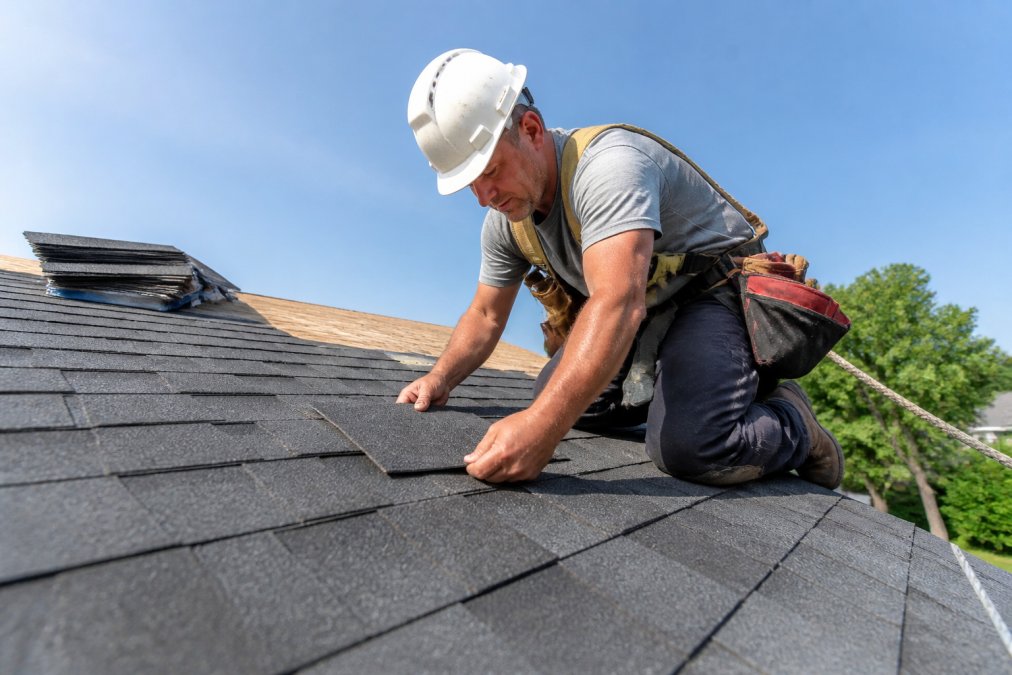
Roofing contractors are licensed tradespeople who assess, repair, replace, and install roofing systems on residential and commercial structures. They handle everything from shingle installation and leak detection to full roof replacement and storm damage assessment.
Residential Roofing Services
Residential roofing covers routine maintenance, shingle replacement, flashing repairs, underlayment installation, and full roof replacement. A common mistake homeowners make is treating every roofing problem as a repair when replacement is actually more cost-effective. If your shingles are more than 20 years old and you're patching leaks every other season, a full replacement will almost always save money over a three-to-five year horizon. Gutter installation and roofing ventilation are also critical, poor ventilation is one of the leading causes of premature shingle failure.
Commercial Roofing Solutions
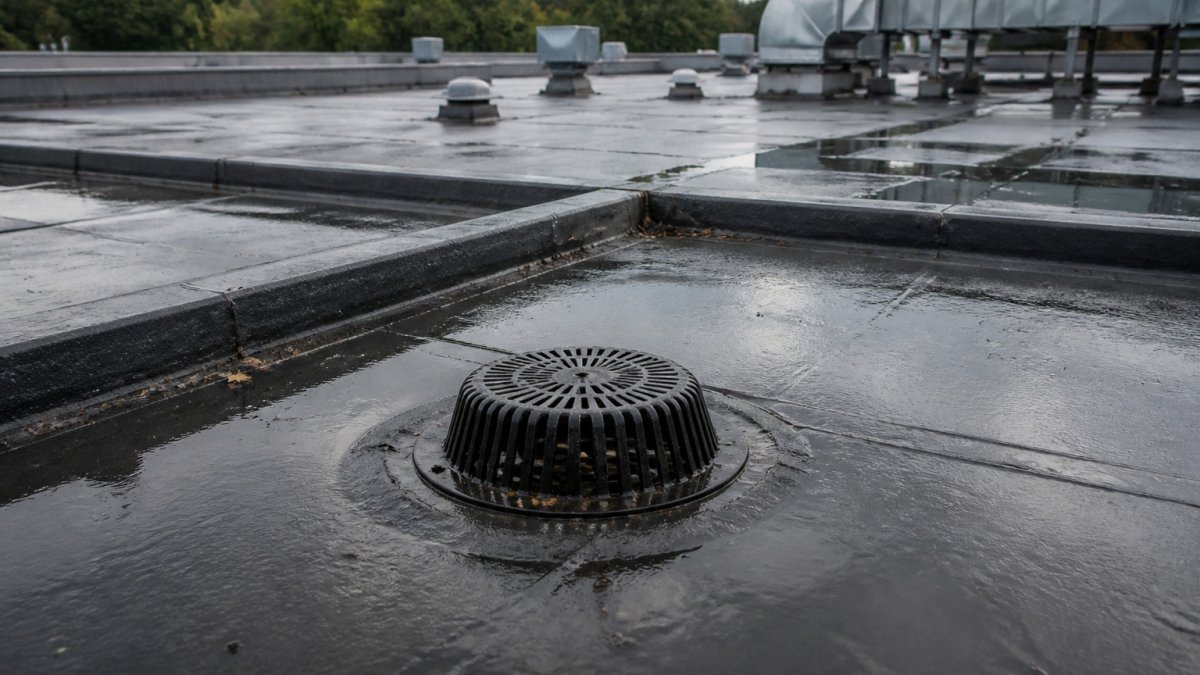
Commercial roofing differs from residential work in scale, materials, and code requirements. Flat and low-slope roofing systems are common on commercial properties in Decatur County and require different installation techniques than pitched residential roofs. Commercial property owners need longer warranties, detailed assessments, and contractors experienced with commercial building codes.
Emergency Roof Repair and Storm Damage Response
West Tennessee experiences severe weather, high winds, hail, and heavy rainfall that can compromise roofing systems overnight. A qualified roofing contractor will tarp and secure the affected area immediately, document the damage thoroughly for insurance purposes, and provide a written estimate before permanent work begins.
Signs You Need a Roof Repair Before It Gets Worse
Most roof problems announce themselves well before they become catastrophic. Knowing which signs require immediate attention is critical.
Interior Warning Signs
Check your attic and ceilings for:
- Water stains on ceilings or walls, brown or yellow rings indicate active or past water intrusion
- Daylight visible through roof boards, if light gets in, so does water
- Sagging areas in attic decking, suggests moisture has compromised structural sheathing
- Musty odors in upper floors or attic spaces, mold growth often precedes visible damage
Water stains rarely appear directly above the leak source; water travels along rafters and decking before dripping, so a stain in one corner could trace back to a flashing failure on the opposite side of the roof.
Exterior Warning Signs
Walk the perimeter and look for:
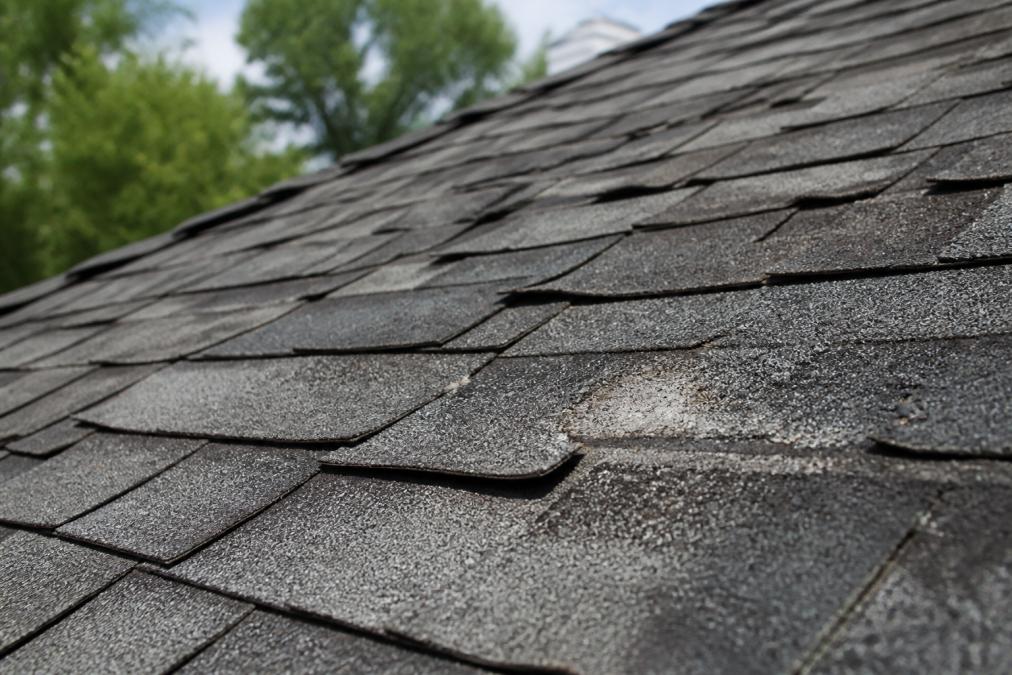
- Curling, buckling, or missing shingles, especially after wind events
- Granule accumulation in gutters, heavy accumulation means shingles are nearing the end of their service life
- Damaged or missing flashing around chimneys, vents, and skylights
- Visible moss or algae growth, these retain moisture and accelerate deterioration
- Sagging roofline, any visible dip warrants immediate professional inspection
If you see two or more of these signs together, schedule a roofing inspection.
Local Climate Challenges That Affect Your Roofing System
West Tennessee's climate creates specific roofing challenges. Hot, humid summers with high UV exposure accelerate granule loss on asphalt shingles and degrade underlayment faster than cooler climates. Winters bring ice and freeze-thaw cycles that exploit cracks in flashing or sealant. Spring storm season delivers hail and wind-driven rain that can strip granules and force water under shingle courses.
According to National Weather Service storm data and climate information, Tennessee regularly experiences severe thunderstorm and tornado watches, particularly in spring. Repeated wind events stress fasteners and adhesive strips on shingles, creating vulnerabilities that worsen with each subsequent storm.
Metal roofing is worth considering for this region. Metal systems handle hail impact, high winds, and UV exposure significantly better than asphalt shingles, carry longer warranties, and require less maintenance over a 30-to-50 year lifespan. The upfront cost is higher, but total cost of ownership is often lower.
Roofing Insurance Claim Assistance: What to Expect
Roofing insurance claim assistance is one of the most valuable services a qualified roofing contractor can provide. The process starts the moment storm damage occurs: document the damage yourself with photos and video, contact your roofing contractor before calling your insurance company, and have the contractor present during the adjuster's inspection.
A contractor who documents roofing damage properly will identify items an adjuster might overlook. As noted in Insurance Information Institute guidance on homeowners claims, homeowners have the right to request a re-inspection or dispute an adjuster's findings.
When an Adjuster Says It's Just Wear and Tear
An adjuster classifying damage as "normal wear and tear" rather than storm damage is not the end of the road. A roofing contractor with insurance claim experience can provide a written assessment distinguishing storm-caused damage from age-related deterioration. Hail impact leaves specific bruising patterns on shingles that differ from granule loss caused by aging.
If your claim is denied or underpaid, you can hire a public adjuster, request a re-inspection, or invoke the appraisal clause in your policy. The Tennessee Department of Commerce and Insurance consumer resources provides guidance on homeowners' rights during the claims process.
Hiring a Licensed Roofing Contractor: A Step-by-Step Checklist
Hiring a licensed roofing contractor is the single most important decision you'll make. Use this checklist before signing any roofing contract:
- Verify the contractor holds a valid Tennessee contractor's license
- Confirm they carry general liability insurance and workers' compensation coverage
- Request a written roofing estimate with itemized line items, not a lump sum
- Ask for references from completed projects in the local area
- Confirm the roofing warranty covers both materials and labor
- Get a clear project timeline with a start date and estimated completion
- Ask who will be on-site daily, the contractor or a subcontracted crew
- Confirm how they handle permit applications if required by local code
- Get everything in writing before any deposit changes hands
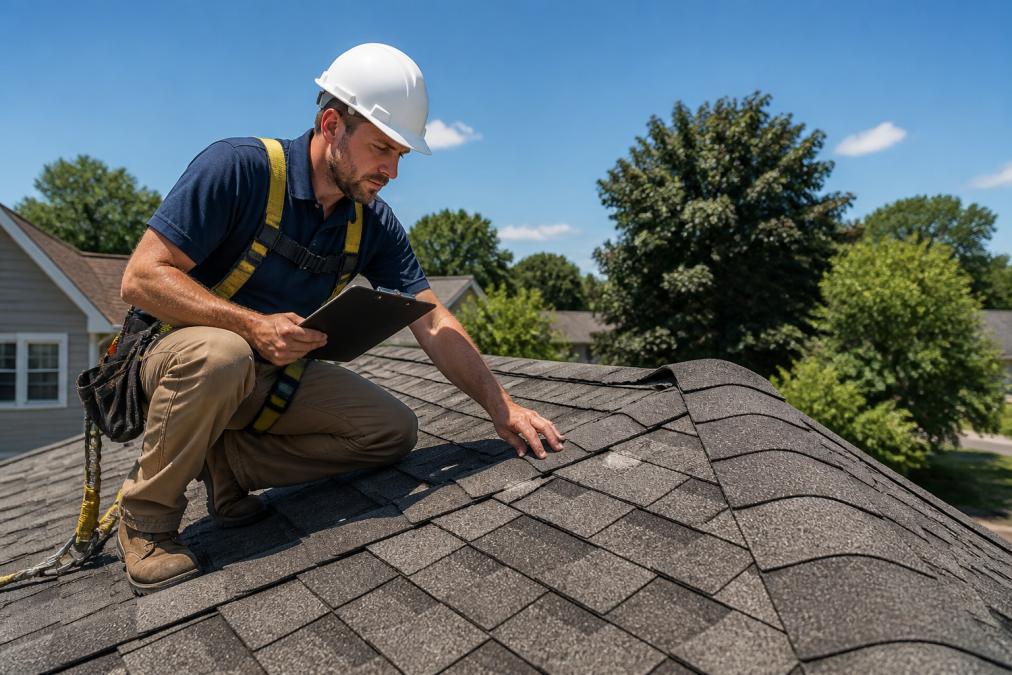
DIY vs. Professional Repair: How to Decide
Some roofing repairs are manageable for a capable homeowner. Most are not.
| Repair Type | DIY Viable? | Why It Matters |
|---|---|---|
| Replacing 1-2 missing shingles | Possibly | Low risk if roof pitch is walkable and damage is isolated |
| Resealing flashing around a vent | Possibly | Requires correct sealant and proper technique |
| Repairing a valley leak | No | Water routing errors create new leak points |
| Replacing roofing underlayment | No | Requires full shingle removal and re-installation |
| Any repair after storm damage | No | Insurance documentation requires professional assessment |
| Flat or low-slope roof repair | No | Material systems require specialized training |
| Work above two stories | No | Fall risk without professional safety equipment |
An improper repair can void your manufacturer's warranty and give an insurance adjuster grounds to deny a future claim. When in doubt, get a professional assessment first.
Roof Inspections and Pre-Purchase Assessments
A roof inspection is a systematic evaluation of every visible component: shingles, flashing, decking condition, ventilation, gutters, and penetrations. For homebuyers, a pre-purchase roofing assessment is one of the highest-value inspections you can commission.
General home inspectors assess roofs, but they're generalists. A dedicated roofing contractor inspection goes deeper, identifying flashing failures that general inspectors might miss and evaluating remaining service life. If you're purchasing a home in Decatur County and the general inspection flags any roofing concern, get a specialist assessment before closing.
For existing homeowners, annual roof inspections are sound maintenance practice. Catching a minor flashing issue or damaged shingles early costs a fraction of what deferred maintenance eventually demands.
Energy Efficiency, Roofing Materials, and Tax Credits
Roofing materials affect your home's energy performance significantly. The roofing system is the primary surface absorbing solar heat in summer and plays a role in heat retention in winter. Cool roofing products, including reflective shingles and metal roofing with reflective coatings, are rated by the ENERGY STAR program for roofing products. These products reflect more solar energy and reduce heat transfer into the attic, translating to measurable reductions in air conditioning demand for homes in West Tennessee's hot summers.
Federal tax credits for energy-efficient home improvements have expanded under the Inflation Reduction Act. Qualifying metal roofing and reflective shingle products may be eligible for a tax credit through the Energy Efficient Home Improvement Credit. Homeowners should consult a tax professional to confirm eligibility.
Aging shingles, storm damage, and insurance disputes are stressful without the added uncertainty of not knowing whether your contractor is qualified or trustworthy. Leitch Roofing provides residential and commercial roofing services backed by skilled crews, quality materials, and hands-on insurance claim assistance. Whether you need an emergency repair, a full roof replacement, or a pre-purchase inspection, the right starting point is a clear, honest assessment. Get a free estimate today and find out exactly what your roof needs.
Frequently Asked Questions
Q: Do roofing contractors in Tennessee need a specific license?
A: Yes. Tennessee requires roofing contractors to hold a valid contractor's license issued by the Tennessee Board for Licensing Contractors. For projects valued at $25,000 or more, a Home Improvement license or a General Contractor license is required. Always ask for proof of licensing and verify it through the state board's online lookup before signing any contract. Also confirm the contractor carries general liability insurance and workers' compensation coverage.
Q: How often should a roof be replaced in West Tennessee?
A: Most asphalt shingle roofs last 20 to 30 years under normal conditions, but West Tennessee's heat, humidity, and severe storm seasons can shorten that lifespan. A roof that has experienced repeated hail or wind damage may need replacement sooner. Annual inspections help you catch deterioration early. If your roof is older than 20 years or has had multiple repairs in recent years, a full assessment by a licensed roofing contractor is the right next step.
Q: Can a roofing contractor help if my insurance adjuster denied storm damage?
A: Yes, and this is one of the most valuable services a qualified contractor provides. If an adjuster attributes damage to wear and tear rather than a storm event, a licensed roofing contractor can document the damage with photos, measurements, and material evidence, then work directly with your insurer to support a supplemental claim. Roofing insurance claim assistance does not guarantee approval, but thorough documentation significantly strengthens your case.
Q: What should I look for when hiring a local roofing contractor?
A: Verify that the contractor is licensed in Tennessee and carries both liability insurance and workers' compensation. Ask for a written estimate that itemizes labor, materials, and warranty terms. Check that they use quality roofing materials with manufacturer warranties. Confirm they will pull any required permits and handle inspections. A reputable contractor communicates clearly throughout the project and does not ask for full payment upfront before work begins.