 how-to
Roof Insurance Claim Process: A Step-by-Step Guide
Table of Contents
- Understanding the Roof Insurance Claim Process
- When to File a Roof Damage Claim
- Documenting Roof Storm Damage for Insurance
- How to Talk to Insurance Adjusters About Roof Damage
- Roof Damage Claim Timeline: What to Expect
- Actual Cash Value vs. Replacement Cost Value: Understanding Depreciation
- What to Do if Your Claim Is Denied
- Frequently Asked Questions
Last Updated: September 18, 2026
Understanding the Roof Insurance Claim Process
The roof insurance claim process is the formal procedure you follow to request payment from your insurance company for roof damage. It involves documenting damage, filing a claim, working with an adjuster, and negotiating a settlement. Most homeowners find it confusing due to specific terminology and strict documentation requirements. Understanding each step removes the guesswork and helps you get the settlement you deserve.
The process involves reporting damage, scheduling an adjuster inspection, documenting damage with photos, receiving an assessment and settlement offer, and deciding next steps. The timeline typically spans several weeks, though complex claims can take longer.
When to File a Roof Damage Claim
File a roof damage claim as soon as you discover damage from a covered event, storms, hail, wind, or falling objects. Damage from wear and tear or poor maintenance is typically not covered. Act quickly: most companies require reporting within 30 to 60 days of the incident. A small leak today becomes structural damage tomorrow, and delays complicate your case.
Documenting Roof Storm Damage for Insurance
Documentation is the foundation of a successful roof insurance claim process. Your photos and written records become the evidence the adjuster uses to assess damage and determine your settlement.
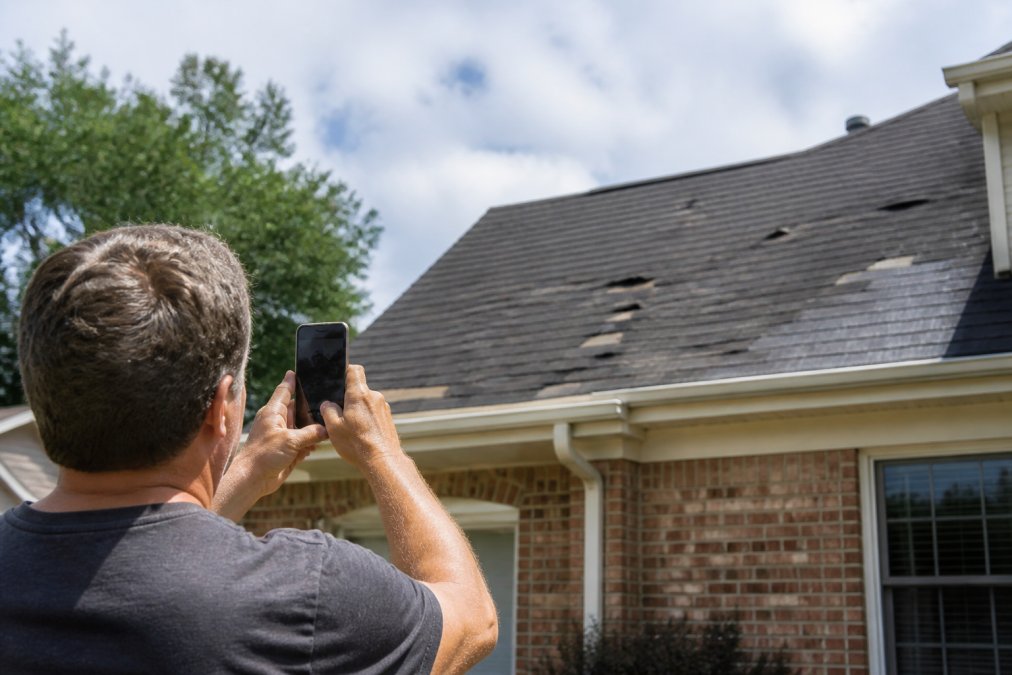
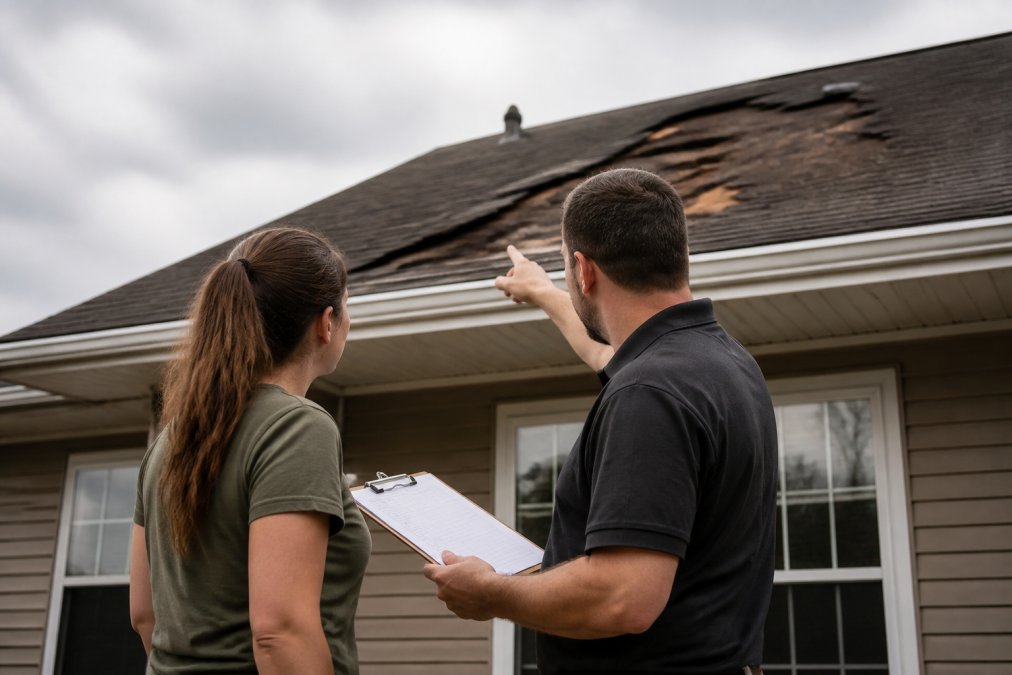
Document immediately after discovering damage. Take photos from multiple angles, capturing close-ups of damage and wide shots of overall roof condition. Include the date, time, weather conditions, location of each damaged area, clear photos of damage, and written descriptions. Store digital copies on your phone and computer, plus printed copies. Professional contractors can help identify damage homeowners miss, which strengthens your claim.
How to Talk to Insurance Adjusters About Roof Damage
The insurance adjuster inspects your roof and determines what your insurance company will pay. Adjusters work for the insurance company, not for you. While their job is to assess damage fairly, their incentive is to settle claims efficiently, not necessarily to maximize your payout. Being prepared and professional helps, but understand this conflict of interest.
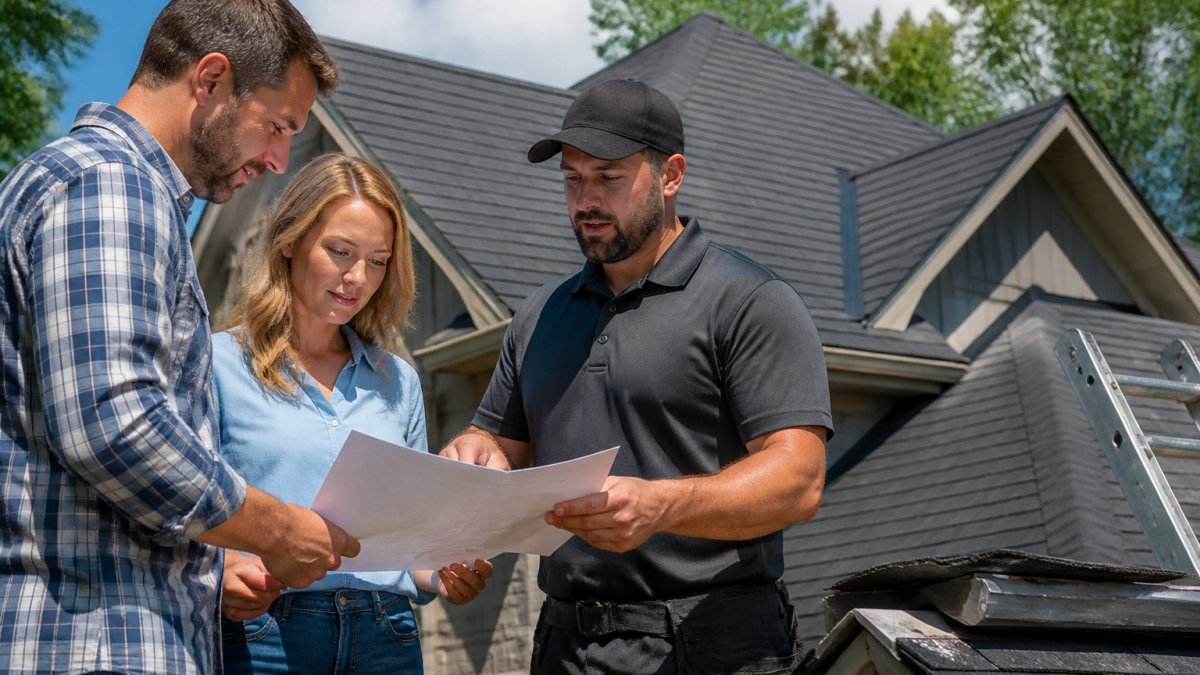
Before the adjuster arrives, prepare copies of documentation, a damage timeline, policy documents, and contractor contact information. During inspection, point out all documented damage and ask the adjuster to explain their findings and methodology. Request written documentation of any excluded damage and reasons for exclusion. If you disagree, request a detailed written explanation and consider getting a contractor's second opinion before accepting the settlement offer.
Company Adjuster vs. Public Adjuster: When to Hire Independent Advocacy
After the company adjuster provides their initial assessment, you face a critical decision: accept their offer, negotiate directly with the insurance company, or hire a public adjuster to advocate on your behalf.
Company Adjuster (Insurer's Representative)
The company adjuster is employed by your insurance company and bound by their guidelines. Their assessment becomes the basis for your settlement offer.
Pros: No cost to you; direct communication with the decision-maker; faster initial assessment.
Cons: Their incentive is to minimize payout; they may miss damage a contractor would catch; they apply aggressive depreciation; no independent advocacy if you disagree.
Public Adjuster (Your Representative)
A public adjuster is a licensed professional hired by you to negotiate your claim. They work for you, not the insurance company, and are paid 5-10% of the settlement increase they secure.
Pros: Independent advocate with no conflict of interest; expertise in identifying missed damage; negotiating power; often recover enough to cover their fee; useful for complex, large, or disputed claims.
Cons: You pay 5-10% of recovery; adds 2-4 weeks; not necessary for straightforward claims; quality varies.
When to Hire a Public Adjuster
Consider hiring a public adjuster if the settlement gap is $5,000 or more, the claim is denied or severely underpaid, damage is complex or extensive, you lack time or expertise to negotiate, or depreciation seems unfair. On a $10,000 gap, a public adjuster earning 8% might recover $15,000 in additional funds, netting you $14,200 extra.
How to Find and Hire a Public Adjuster
Public adjusters are licensed by your state's insurance department. Verify licensing on your state insurance commissioner's website. Ask for references, request a written fee agreement specifying percentage and services, and interview multiple adjusters. Avoid unsolicited contact after a disaster.
Negotiating Directly Without a Public Adjuster
You can negotiate directly with the insurance company by submitting a detailed rebuttal with your contractor's estimate and photos, requesting an independent appraisal if your policy includes an appraisal clause, escalating to the adjuster's supervisor or claims manager, or filing a complaint with your state insurance department if you believe the insurer is acting in bad faith. Stay calm, professional, and factual. Let the documentation speak for itself.
Roof Damage Claim Timeline: What to Expect
Most claims follow a predictable schedule: Week 1-2, call your insurer and schedule an adjuster inspection within 7-14 days; Week 2-4, the adjuster assesses damage and provides a preliminary assessment; Week 3-5, you receive a written settlement offer; Week 5-8, you can negotiate, provide additional documentation, or hire a public adjuster; Week 8+, repairs begin. Weather delays, complex damage, and disputes can extend this timeline. Having a contractor lined up before inspection helps you move forward quickly.
Actual Cash Value vs. Replacement Cost Value: Understanding Depreciation
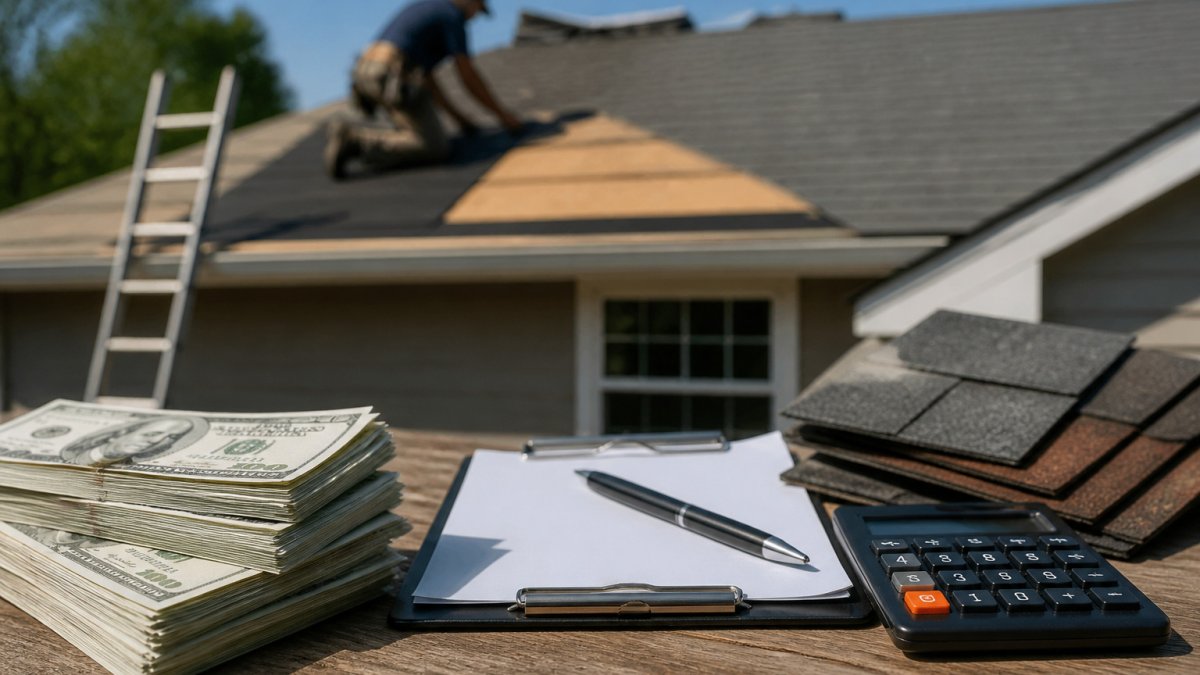
Actual Cash Value (ACV) is what your roof is worth today, accounting for age and wear. Insurance companies subtract depreciation from the repair cost. A 15-year-old roof costing $12,000 to replace might have an ACV of $6,000 after depreciation, meaning you receive $6,000 and pay $6,000 out of pocket.
Replacement Cost Value (RCV) is the full cost to replace your roof with no depreciation deduction. If your policy covers RCV, you receive the full replacement cost regardless of age.
How Depreciation Is Calculated
Insurance companies use straight-line depreciation (dividing the roof's expected lifespan by current age) or age-based depreciation schedules (proprietary tables that vary by company). A 10-year-old roof on a 25-year lifespan depreciates at 40%, leaving you with 60% of replacement cost. On a $15,000 repair, 50% depreciation leaves you with a $7,500 insurance check, a $7,500 shortfall you must cover.
Several states limit how aggressively insurers can depreciate roof claims. Florida requires replacement cost without depreciation for roofs under 15 years damaged by named storms; Texas allows independent appraisal requests; California requires detailed depreciation breakdowns; New York limits depreciation to 25% per year for the first five years. Check your state's insurance commissioner website for specific rules in your jurisdiction.
If you receive an ACV settlement and believe the depreciation is unfair, request a detailed breakdown of the depreciation percentage, method, and assumed lifespan. Get a contractor's assessment of the roof's remaining useful life. Review your policy for exceptions (e.g., "no depreciation on hail damage"). File a formal appeal with your contractor's assessment and any state regulations that limit depreciation. If the gap is $5,000 or more, hire a public adjuster to negotiate on your behalf.
Check your policy documents for "Actual Cash Value" or "Replacement Cost Value" in the property coverage section. ACV policies cost 10-15% less in premiums but leave you responsible for the depreciation gap. RCV policies cost more upfront but provide full coverage when damage occurs. For older roofs or high-risk areas, RCV coverage is often worth the premium increase.
What to Do if Your Claim Is Denied
A claim denial doesn't end your options. Request a detailed written explanation of the denial and review your policy to see if their reasoning matches your coverage terms. If you believe the denial is wrong, file a formal appeal, hire a public adjuster, consult an insurance attorney, file a complaint with your state insurance department, or request independent mediation or appraisal. Many denials are overturned on appeal when homeowners provide additional documentation or challenge the company's interpretation of policy language. A licensed contractor's professional assessment carries significant weight in appeals.
Navigating the roof insurance claim process requires patience, documentation, and persistence. The difference between a successful claim and a disappointing one comes down to how well you prepare and advocate for yourself. When you're ready to move forward with repairs, contact Leitch Roofing for free estimates and insurance claim assistance.
Frequently Asked Questions
What's the biggest mistake people make when filing a roof insurance claim?
Waiting too long to file or failing to document damage thoroughly. Many homeowners delay reporting roof damage, which can complicate the claims process and give insurers reasons to deny coverage. Additionally, inadequate photographic evidence or missing proof of loss documentation weakens your claim significantly. File promptly after discovering damage and gather comprehensive documentation immediately, weather conditions and time can obscure evidence.
How long does a typical roof damage claim approval process take?
Most roof insurance claims take 30 to 90 days from filing to settlement, though timelines vary. The initial inspection by an insurance adjuster typically occurs within 7 to 14 days. If supplemental claims or disputes arise, the process can extend longer. Factors affecting timeline include claim complexity, weather delays for roof inspections, and whether your claim requires additional documentation or contractor estimates.
What should you avoid saying to a roof insurance adjuster?
Avoid admitting fault, exaggerating damage, or making statements that contradict your claim documentation. Don't say the damage 'might have' occurred or speculate about causes, stick to facts. Never agree with the adjuster's initial assessment if you believe it's inaccurate; ask questions instead. Avoid discussing previous roof issues or maintenance problems unless directly relevant, and don't volunteer information about prior claims or unrelated property damage.
Do I need professional assistance to file a roof insurance claim?
While you can file a claim independently, professional assistance from a licensed roofing contractor or public adjuster significantly improves approval odds and claim value. Contractors provide expert damage assessment and detailed scope-of-work documentation that insurers respect. Public adjusters advocate specifically on your behalf and understand policy language and depreciation calculations. For complex claims or claim denials, professional help is especially valuable in negotiating fair settlements.