 how-to
Is It Worth Hiring an Attorney for Roof Claim Denial?
Table of Contents
- Understanding Your Denial Letter Before You Respond
- How to Appeal a Roof Insurance Claim Denial Yourself
- Public Adjuster vs. Attorney for a Roof Claim: Which Fits Your Case
- When Hiring a Roof Insurance Claim Lawyer Makes Sense
- Deadlines and Documentation to Protect Before You Decide
- Next Step: Get a Documented Roof Assessment From Leitch Roofing
- Frequently Asked Questions
Last Updated: October 30, 2026
Getting a roof claim denied feels personal, but it usually comes down to a handful of common reasons. Insurers often look for gaps in a policy, missing documentation, or a cause of damage they can label as something else. Knowing those reasons is the first step toward a roof claim denial you can actually fight.
Most denials fall into a few buckets. The insurer may say the damage came from wear and tear, which is normal aging rather than a covered event. It may argue the damage happened before your current policy started. Or it may claim the damage is cosmetic and does not affect how the roof works.
Here are the reasons we see most often:
- Wear and tear. The adjuster says the shingles simply aged out.
- Late reporting. The claim was filed weeks or months after the storm.
- Maintenance issues. The insurer blames a lack of upkeep for the damage.
- Unclear cause. The report does not tie the damage to a specific covered event.
- Policy exclusions. Certain types of damage, such as some wind or hail limits, may be excluded or capped.
Understanding which reason applies to your claim matters. A wear-and-tear denial needs a different response than a late-reporting denial. Your denial letter will usually name the reason, which is why reading it carefully comes next.
Keep in mind that a denial is not always the final word. Many insurers will reconsider when given better evidence.
Understanding Your Denial Letter Before You Respond
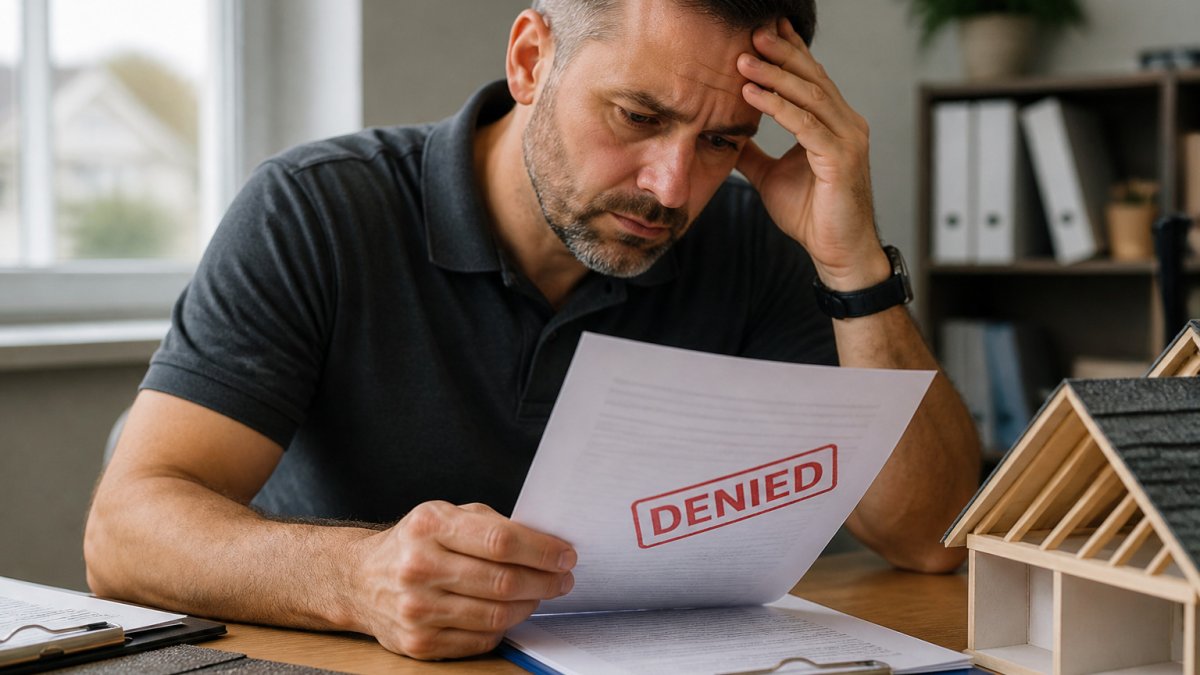
Your denial letter is the insurer's official explanation of why it is refusing to pay. Read it line by line before you reply. It usually cites specific policy language and states what the adjuster inspected.

Look for these key parts:
- The stated reason for denial, such as wear and tear or a late claim
- The policy sections the insurer relied on
- The inspection date and who performed it
- Any deadlines for appealing or submitting more information
Write down every date and policy number mentioned. Mistakes or missing details in the letter can be the strongest points in your appeal. Some denials cite the wrong property address or ignore a prior repair, and those errors are worth noting.
Compare the denial reason against your actual roof condition. If the letter says the damage is old, but you have photos from the storm date, that conflict is important. Keep this comparison in a simple list so you can refer back to it easily.
Gathering your full policy also helps. Your homeowners insurance policy defines what is covered, what is excluded, and how claims must be reported. Reading the exact wording lets you spot whether the insurer applied it correctly.
How to Appeal a Roof Insurance Claim Denial Yourself
Many homeowners can start an appeal without a lawyer. The first step is to request a written reconsideration and ask the insurer to explain its reasoning in more detail.
A basic self-appeal usually includes these steps:
- Request a reinspection in writing and ask that a different adjuster visit if possible.
- Collect your evidence, including dated photos, repair invoices, and weather reports for the storm date.
- Get a contractor's written assessment that describes the damage and its likely cause.
- Send a clear response letter that references the denial letter and attaches your evidence.
- Track every deadline and keep copies of everything you send.
A common mistake is sending a vague complaint with no evidence. Insurers respond to specific facts and documents. Tie each piece of evidence to a specific point in the denial letter.
Keep your tone calm and factual. Angry messages rarely help and can slow the process. If the insurer still refuses after a full reconsideration, you can escalate the matter with your state insurance department.
Public Adjuster vs. Attorney for a Roof Claim: Which Fits Your Case
Two outside professionals can help after a denial, and they do different jobs. A public adjuster works for you to document and value the claim. An attorney works for you to handle disputes, negotiate, or file a lawsuit if needed. Choosing the wrong one first can cost you time and money, so use the decision guide below rather than hiring on instinct.
| Factor | Public Adjuster | Attorney |
|---|---|---|
| Main role | Documents and values the damage | Handles legal disputes and litigation |
| Licensing | Licensed by the state insurance department | Licensed by the state bar |
| Best for | Underpaid, unclear, or under-scoped claims | Clear bad-faith or contract disputes |
| Typical fee | Percentage of the settlement | Often a contingency fee or hourly rate |
| Court representation | No | Yes |
| Can interpret policy law | Limited | Yes |
| Can sue the insurer | No | Yes |
A Simple Decision Guide
Work through these questions in order. Stop at the first one that fits your situation.
- Is the denial about the amount or scope of damage, not whether it is covered? If the insurer agrees the roof is damaged but disputes how much it will pay, a public adjuster is usually the better first hire. They re-document and re-value the loss.
- Did the insurer deny coverage outright, cite a policy exclusion, or accuse you of misrepresentation? These are contract and legal questions. An attorney is the better fit because the dispute turns on policy language and legal duties.
- Has the insurer missed a deadline, ignored evidence, or made a lowball offer after a proper inspection? That pattern points toward bad-faith handling, which is an attorney's territory.
- Is the dispute likely to end up in court? Only an attorney can file suit and represent you. A public adjuster cannot.
- Is the dollar gap small relative to the cost of either professional? If the disputed amount is modest, a self-appeal may be the most economical path before hiring anyone.
Can You Hire Both?
Yes, and some cases benefit from it. A common sequence is to hire a public adjuster first to build a detailed, defensible damage record, then bring in an attorney if the insurer still refuses to pay or if bad-faith conduct appears. The adjuster handles the factual side; the attorney handles the legal side. Confirm in writing how each professional is paid before you sign, because stacking a public adjuster's percentage on top of an attorney's contingency fee can erode your net recovery.
A public adjuster often makes sense when the denial is mostly about the amount or scope of damage. An attorney is more likely to be needed when the insurer has acted improperly or when the dispute may end up in court.
When Hiring a Roof Insurance Claim Lawyer Makes Sense
Hiring an attorney is worth considering when the stakes are high or the insurer is not responding fairly. You do not need a lawyer for every denial, but certain situations call for one.
Consider a roof insurance claim lawyer if:
- The denial amount is large, and the roof damage is severe
- The insurer ignored clear evidence or refused to reinspect
- The insurer missed legal or policy deadlines
- You received a lowball offer that does not cover actual repair costs
- The insurer threatened to drop coverage or pursue unfair terms
A legal consultation can help you decide. Many attorneys offer a first meeting at no cost to review your denial letter and policy. Ask how they handle insurance disputes and whether they have worked on roof claims before.
Signs of Bad-Faith Handling
Bad-faith handling means the insurer is not treating your claim fairly. This is a serious issue and may give you additional legal options.
Watch for these warning signs:
- The insurer delays responses for long periods without explanation
- It denies the claim without a proper inspection
- It ignores your documentation or photos
- It pressures you to accept a quick, low settlement
- It gives reasons that contradict the policy language
Document each of these events with dates and copies of letters. A pattern of these behaviors strengthens any dispute.
How Contingency Fees Work
Many insurance attorneys work on a contingency fee. This means you pay nothing upfront, and the attorney takes a percentage of the amount recovered. If you win nothing, you usually owe no attorney fee, though you should confirm this in writing.
The percentage can vary, and the agreement should spell out what costs you may still owe, such as filing fees or expert reports. Read the contract carefully and ask questions before signing. A fair agreement explains the fee and expenses in plain language.
Deadlines and Documentation to Protect Before You Decide
Deadlines can end your right to recover, so act early. Insurance policies and state laws set time limits for filing claims, requesting appeals, and starting lawsuits. The statute of limitations varies by state and by claim type, so check the rules that apply where your home is located.
Protect your case by doing these things now:
- Photograph the roof from multiple angles and keep the original files with dates.
- Save all letters, emails, and call notes with the insurer.
- Keep repair estimates and invoices from every contractor.
- Note the storm date and save weather reports for that day.
- Calendar every deadline from the denial letter and your policy.
Documenting damage does not require special skills. Take clear photos in daylight, include a close-up and a wider shot, and write a short note describing each area. These simple records often carry more weight than people expect.
Next Step: Get a Documented Roof Assessment From Leitch Roofing
A documented roof assessment gives you the evidence needed to challenge a denial, whether you appeal on your own or work with an attorney or public adjuster. You can also check whether service areas in your city are covered before you book. Leitch Roofing provides expert roofing solutions for residential and commercial properties, including repair and replacement services.
To get started, request a free estimate today.
Frequently Asked Questions
Is it worth hiring an attorney for a denied roof insurance claim?
It depends on the size of the denial and the complexity of the dispute. For smaller claims, a public adjuster or a careful written appeal may be enough. For larger losses, a denial that appears to ignore policy language, or signs of bad-faith handling, an attorney can review the policy, evaluate the insurer's reasoning, and advise on litigation options. Many attorneys who handle property claims work on a contingency fee, meaning they are paid a percentage of any recovery, so an initial consultation often costs nothing. Ask about fee terms in writing before you sign anything.
How long does it take to get a roof claim approved?
Timelines vary by state, the insurer, and how complete the initial documentation is. Insurers generally must acknowledge a claim and begin investigating within set deadlines defined by state law, but a full decision can take several weeks or longer, especially if an adjuster needs to reinspect. Submitting photos, a contractor's written assessment, and your policy declarations up front can prevent avoidable delays. If a denial arrives, appeal deadlines are often short, so note the date of the letter immediately.
What evidence do I need to dispute a roof claim denial?
Start with the denial letter itself, which should state the specific policy provisions relied on. Gather your full homeowners policy, dated photos and videos of the damage, storm reports for the date of loss, prior inspection or maintenance records, and written estimates from licensed roofers. Keep a log of every call and email with the insurer, including names and dates. This documentation supports either a written appeal or a review by a public adjuster or attorney.
When should I hire a public adjuster instead of an attorney?
A public adjuster works for you to document and value the loss and negotiate with the insurer, and is usually paid a percentage of the settlement. An attorney is better suited when the dispute involves a possible coverage denial that conflicts with policy language, suspected bad-faith handling, or a need to file suit. If the issue is mainly that the payout is too low, a public adjuster may resolve it. If the insurer refuses to pay at all or misrepresents policy terms, consult an attorney.
National Association of Insurance Commissioners consumer guide on filing claims