 how-to
Inspect Your Roof After Heavy Rain: A Homeowner's Guide
Table of Contents
- Why Inspect Your Roof After Heavy Rain
- How Soon to Inspect Your Roof After a Storm
- What to Do in the First 24 to 48 Hours
- Roof Inspection Checklist After Heavy Rain
- How to Find a Roof Leak After Rain
- When to Call a Roofer After a Storm
- Documenting Damage for Insurance Claims
- Frequently Asked Questions
Last Updated: October 17, 2026
Why Inspect Your Roof After Heavy Rain
Heavy rain puts stress on your roof. Water finds cracks, gaps, and weak spots you can't see from the ground, and by the time you notice a ceiling stain, the damage has often been there for weeks.
A roof inspection after heavy rain catches problems early, before water intrusion spreads into your attic, walls, and structural framing. Small leaks become expensive repairs if ignored.
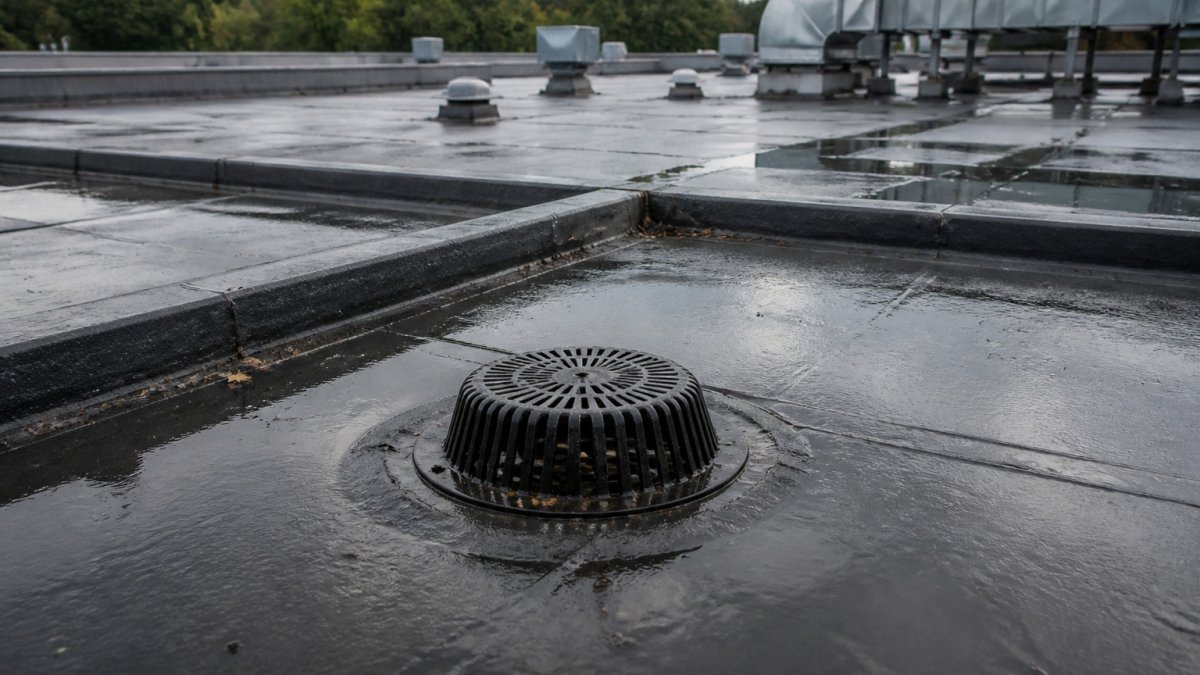
Heavy rain also exposes weaknesses in your roof's drainage system. Clogged gutters and downspouts back up water onto your roof, and blocked drains create ponding water that sits on flat roofs and slowly seeps through.
Wind and flying debris cause visible damage: missing, cracked, and lifted shingles. But rain damage isn't always obvious. Water can enter through small holes in flashing around chimneys and roof penetrations, or seep under shingles that look fine from below. Knowing what to look for makes the difference between catching damage and living with a slow leak.
How Soon to Inspect Your Roof After a Storm
Inspect your roof as soon as it is safe to do so after heavy rain stops. Most storm damage becomes visible within 24 to 48 hours, but water keeps working into the assembly long after the storm passes.
Use this timing framework to prioritize:
- First 2 to 4 hours after rain stops: Do a ground-level visual scan and check the attic for active dripping. If water is entering the home, treat it as urgent and move to temporary mitigation.
- First 24 hours: Photograph all visible exterior and interior conditions, clear gutters and downspouts if safe, and place buckets or tarps where water is actively entering. Document the storm date and time.
- 24 to 48 hours: Complete a full interior and ground-level inspection. This is also the window when most insurance policies expect prompt notice of a loss, so review your policy language and report the damage.
- 48 hours to 1 week: Schedule a professional inspection if you found any damage indicators or cannot safely access the roof. Delayed leaks from saturated decking and flashing often surface in this window.
Heavy rain creates specific conditions that change the inspection timeline. Prolonged rainfall saturates decking and can push water sideways under shingle courses.
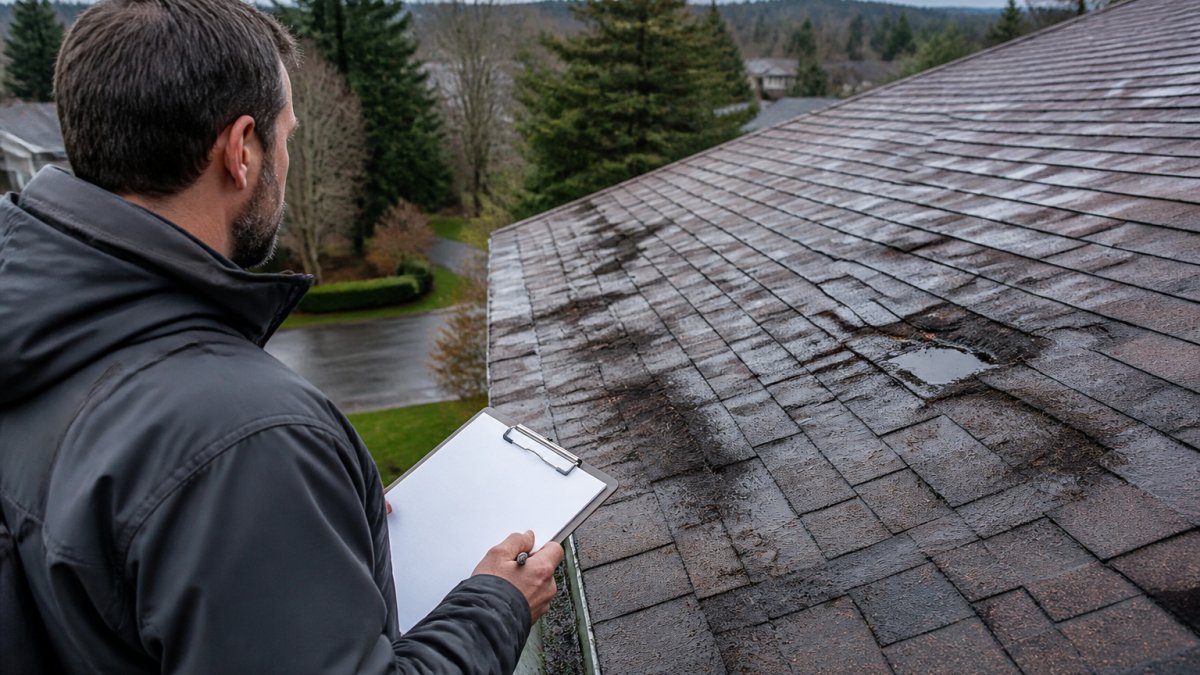
Check weather conditions before climbing a ladder. Wet surfaces are slippery, and a roof that looks dry can still have wet moss, algae, or debris. Wait until the roof is dry; a fall causes far more damage than a delayed inspection.
If you are uncomfortable on a ladder, your roof is steep, or your home has a multi-story or complex roofline, call a professional. A roofer has the equipment and experience to inspect safely and document conditions for insurance purposes.
What to Do in the First 24 to 48 Hours
The hours right after a storm are crucial. Here's what to do:
Document everything. Take photos and videos of visible damage, including wide shots and close-ups. These images are essential for insurance claims.
Check your attic. Look for water stains, dripping water, or wet insulation, and mark wet areas so you can track them. Stains on rafters or decking indicate active or recent leaks.
Inspect gutters and downspouts. Clear debris and check that downspouts drain water away from your foundation. Clogged gutters force water under shingles.
Look for obvious exterior damage. From the ground, scan for missing shingles, debris, or damaged areas. Use binoculars if you can't see clearly.
Call your insurance company. Report the storm damage within 24 hours if your policy requires it, and ask about filing a claim.
Don't make permanent repairs yet. Temporary fixes are fine (tarping a hole, clearing gutters), but wait for a professional inspection and insurance approval before replacing shingles or flashing.
If you find water inside your home, turn off power to affected areas and open windows to ventilate. Mold can develop within 24-48 hours in damp conditions, so dry wet areas quickly (the CDC).
Roof Inspection Checklist After Heavy Rain
A systematic approach catches damage you might otherwise miss. Work through this checklist during your inspection.
Exterior Damage Signs
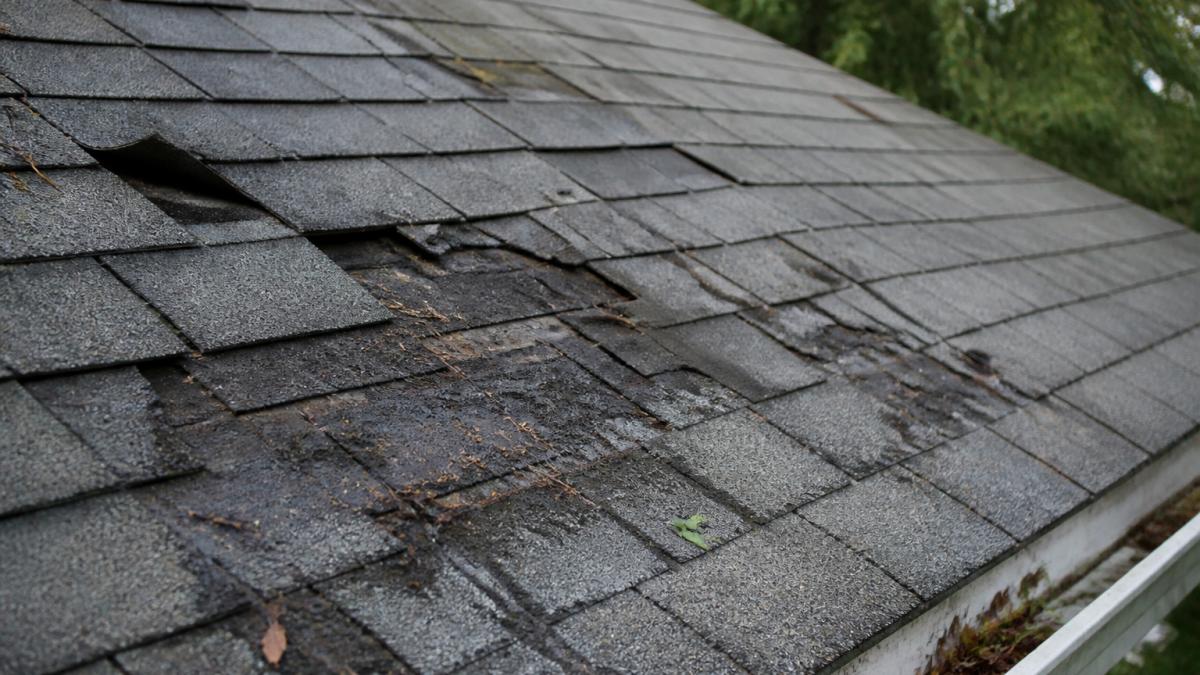
Missing shingles. Storms rip shingles off roofs. Look for bare patches; missing shingles expose the decking to water infiltration.
Cracked shingles. Hail and flying debris crack shingles, allowing water to seep underneath. They may not leak immediately but fail faster than intact ones.
Curled or lifted shingles. Wind lifts shingles at the edges. Curled shingles indicate age and weather damage. Lifted shingles create gaps where water enters.
Damaged flashing. Flashing seals joints around chimneys, vents, and skylights. Storms bend and separate it, making it a common source of roof leaks.
Debris on the roof. Branches and leaves clog gutters and trap moisture. Clear debris from the roof and gutters.
Dented or cracked wood shakes. If your roof has wood shakes, look for splitting and cracking. Damaged shakes absorb water and rot quickly.
Damaged gutters and downspouts. Gutters bend and separate from the fascia during storms. Downspouts crack or disconnect.
Interior Damage Signs
Water stains on ceilings. Stains indicate water has entered the attic and soaked through insulation and drywall.
Wet insulation in the attic. Soggy insulation loses its R-value and promotes mold growth. Dry it quickly or replace it.
Mold or mildew smell. A musty odor in the attic or upper floors signals moisture problems; mold grows within days of water entry.
Sagging drywall or soft spots. Water-saturated drywall sags and softens, indicating significant water infiltration and possible structural damage.
Visible water dripping or flowing. Active leaks show where water enters. Mark the location and trace it upward to the entry point on the roof.
Discoloration on walls near the roof line. Water travels down walls before pooling on ceilings. Discoloration on interior walls suggests water is moving through the structure.
Document all interior damage with photos. These images support insurance claims and help roofers locate the source of leaks.
How to Find a Roof Leak After Rain
Finding the exact source of a roof leak is harder than it sounds.
Start in the attic. Look for water stains, wet insulation, or dripping water. Trace stains upward toward the roof.
Check roof penetrations first. Leaks often occur around chimneys, vents, skylights, and flashing. These areas have gaps and joints where water can enter.
Look for water trails on rafters. Water runs along wood framing before dripping. Follow wet spots upward to find the entry point.
Check gutters and drainage. Clogged gutters force water over the edge and behind fascia boards. Blocked downspouts cause water to back up onto the roof.
Use a garden hose to test areas. If you can't find the leak, have someone spray the roof with a hose while you watch for water inside.
If the leak is in a valley or along a ridge, the problem is usually with flashing or sealant.
When to Call a Roofer After a Storm
Not every finding after heavy rain requires an emergency call, but some do. Use this severity guide to decide whether to call immediately, schedule a routine inspection, or simply monitor.
Call a roofer immediately (same day) if you see:
- Active water dripping or flowing inside the home, especially near electrical fixtures, outlets, or the electrical panel.
- A sagging ceiling, soft drywall, or bulging areas that suggest trapped water or compromised structure.
- Missing shingles over a large area, exposed roof decking, or a visible hole from debris.
- Water pooling on a flat roof that has not drained within 24 hours after rain stops.
- Separation or lifting of flashing at a chimney, skylight, or roof-to-wall transition with water entering below it.
Schedule a professional inspection within a few days if you see:
- Cracked, curled, or lifted shingles without active interior leaking.
- Granule loss, staining, or debris accumulation in valleys and behind chimneys.
- Gutters that overflow, pull away from the fascia, or have disconnected downspouts.
- A musty odor in the attic or upper floors without visible water.
- Any condition you are unsure about. A professional assessment costs far less than guessing wrong and living with a slow leak.
Monitor and maintain if you see:
- Minor debris on the roof or in gutters that you can safely clear from the ground.
- Small stains that are not growing and no active moisture.
- Normal wear consistent with the age of the roof.
A professional inspection after heavy rain typically includes a roof-surface assessment, attic and interior checks, flashing and penetration review, drainage evaluation, and photo documentation. Ask the roofer to provide a written report with photos and a clear distinction between storm damage and pre-existing wear.
Coordinate the inspection with your insurance process. Report the loss to your insurer within the timeframe your policy requires, and tell the roofer you intend to file a claim so the inspection report is formatted for that purpose.
If you are unsure whether a condition is urgent, err toward calling. The cost of an inspection is small compared with mold remediation, structural repair, or water damage restoration.
Documenting Damage for Insurance Claims
Insurance companies require documentation before they approve claims.
Take detailed photos and videos. Capture wide shots of your entire roof showing the overall damage pattern.
Date your photos. Include the date taken in the photo metadata or write the date on the back.
Document the storm. Note the date, time, and severity of the storm. Record wind speeds if available.
Keep receipts for temporary repairs. If you hire someone to tarp a hole or clear gutters, keep the invoice.
Get a professional inspection report. A roofer's inspection report with photos and damage assessment strengthens your claim.
Don't throw away damaged materials. Keep samples of damaged shingles, flashing, or other materials. Adjusters may want to see the damage firsthand.
File your claim promptly. Contact your insurance company within the timeframe required by your policy.
If your insurance company denies your claim or offers less than you expected, a professional roofer can advocate for you.
Frequently Asked Questions
Why should you inspect your roof after heavy rain?
Heavy rain can cause hidden damage that worsens over time. Storms drive water into shingles, flashing, and penetrations, leading to leaks, wood rot, and structural damage. Early detection prevents costly repairs and water intrusion into your attic and walls. Documenting damage immediately also protects your insurance claim.
How soon should you check your roof after heavy rain?
Inspect your roof within 24 to 48 hours after heavy rain stops. This window is critical because water may still be draining from hidden areas, making leaks easier to spot. If rain is still falling or the roof is wet and unsafe, wait until conditions dry. Contact a professional if you cannot safely access your roof or see visible damage.
How can you find a roof leak after rain?
Start in your attic on a sunny day, looking for water stains, dampness, or mold on wood beams and insulation. Mark stains with tape to track their source. Check the underside of the roof deck for water trails. From outside, inspect shingles, flashing around chimneys and vents, gutters, and downspouts for debris, separation, or damage. Missing or lifted shingles often point to leak locations.
When should you call a roofer after a storm?
Call a roofer immediately if you see missing shingles, active leaks, water stains inside, damaged flashing, or debris embedded in the roof. Also call if you cannot safely inspect your roof yourself, suspect hidden damage, or need documentation for an insurance claim. Professional roofers can identify damage you might miss and provide detailed reports for claim processing.
Inspecting your roof after heavy rain takes a few hours but saves thousands in water damage repairs. Start within 24-48 hours of the storm. Document everything with photos. Call a professional if you find damage or aren't sure what you're looking at. At Leitch Roofing, we inspect roofs quickly, document damage for insurance claims, and handle the repair process from start to finish. Get a free estimate today and let us protect your home from water intrusion and costly structural damage.