 how-to
How to Spot Roof Shingle Aging: A Visual Guide
Table of Contents
- Visual Signs of Shingle Curling and Buckling
- Identifying Missing, Cracked, and Damaged Shingles
- Detecting Bald Spots and Granule Loss
- Signs of Roof Shingle Deterioration You Can See From the Ground
- How to Check Roof Age and Manufacturer Specifications
- Average Lifespan of Asphalt Shingles and Climate Impact
- When to Repair Versus Replace Your Roof
- DIY Safety Protocols for Roof Inspection
- Frequently Asked Questions
Last Updated: September 1, 2026
Visual Signs of Shingle Curling and Buckling
Curling and buckling are early visible signs that asphalt shingles are aging. These deformations occur when shingles lose flexibility due to UV exposure, temperature fluctuations, and moisture cycles. The edges curl upward or the center buckles outward, creating an uneven surface that compromises both appearance and protective integrity.
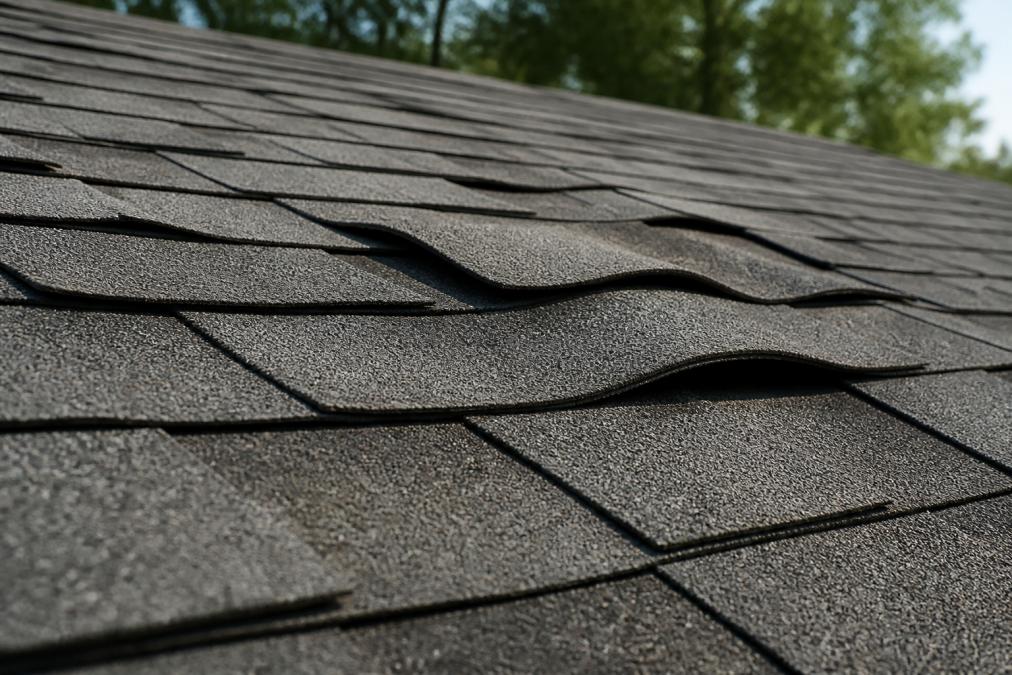
Curling typically starts at the shingle tabs as the asphalt hardens over time. Buckling appears as a wave-like pattern across the shingle surface. Both conditions are often caused by thermal shock, rapid temperature changes that force the shingle material to expand and contract repeatedly. From the ground, curling shingles may appear darker at the edges or show separation from adjacent shingles. Buckling creates visible ridges that catch light differently than flat sections.
These signs indicate your shingles have likely surpassed the midpoint of their useful lifespan. While curling or buckling doesn't automatically require immediate replacement, it signals that deterioration is accelerating. Once shingles begin to curl or buckle, they're more vulnerable to wind damage, water infiltration, and further degradation. If these signs cover more than 20-30% of your roof's visible surface, a professional inspection is essential to determine whether repair or replacement is needed.
Identifying Missing, Cracked, and Damaged Shingles
Missing shingles create obvious gaps in your roof's protective layer, exposing the underlayment and roof deck to direct weather. A single missing shingle can allow water penetration that spreads far beyond the initial loss. Cracked shingles are equally problematic because they allow water to seep into the layers below.
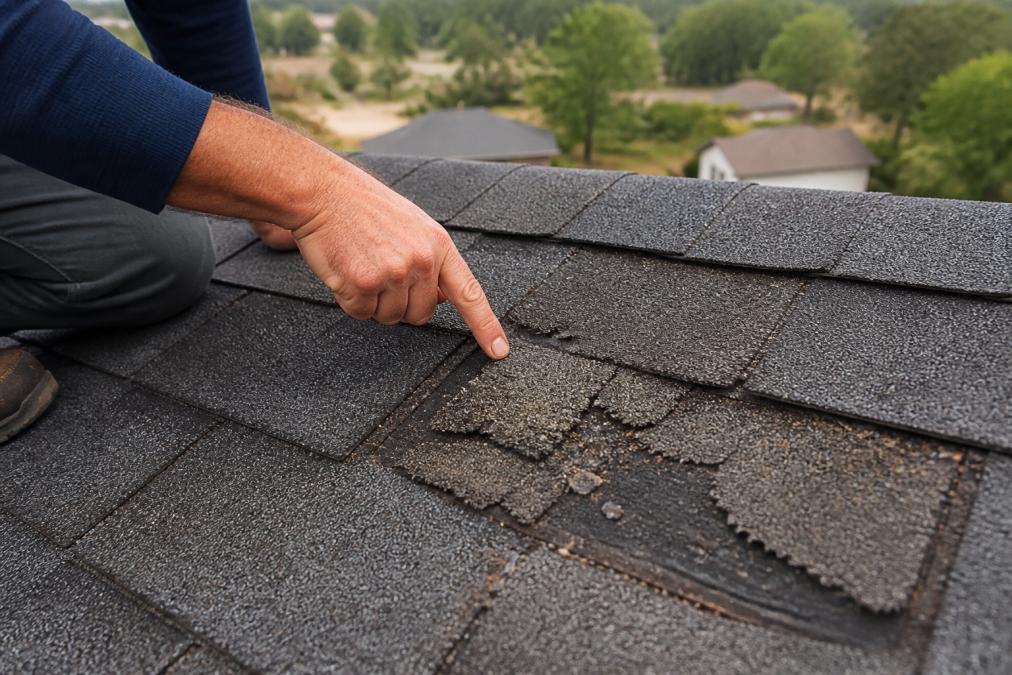
Cracks typically run vertically or diagonally across the shingle surface, often radiating from a central point like spiderwebs. They develop as asphalt becomes brittle with age, losing flexibility to withstand wind stress and thermal movement. Storm damage, hail, high winds, or falling debris can accelerate crack formation, but age-related brittleness is the underlying cause.
Missing shingles are easy to spot from the ground, look for dark rectangular gaps where shingles should be or where the roof deck is visible. During spring and fall, check your gutters for shingle granules and fragments. A sudden increase in debris indicates shingles are actively breaking apart. For cracked shingles, look for white or light-colored lines running across the dark asphalt surface. Some cracks may be hairline thin and visible only in certain light, while others are deep enough to see underlying material.
If cracking is concentrated in one area, storm damage is likely. If scattered across the entire roof, age-related deterioration is the culprit. Some damage isn't visible from ground level until you're on the roof or viewing from a ladder. Leitch Roofing recommends scheduling a professional inspection if you suspect significant shingle damage, especially if you're considering filing an insurance claim for storm damage.
Detecting Bald Spots and Granule Loss
Granule loss is a critical indicator of roof shingle aging. Asphalt shingles are covered with mineral granules that protect the underlying asphalt from UV radiation and weathering. As shingles age, these granules gradually wear away, exposing bare asphalt underneath and creating "bald spots" where the protective layer has been compromised.
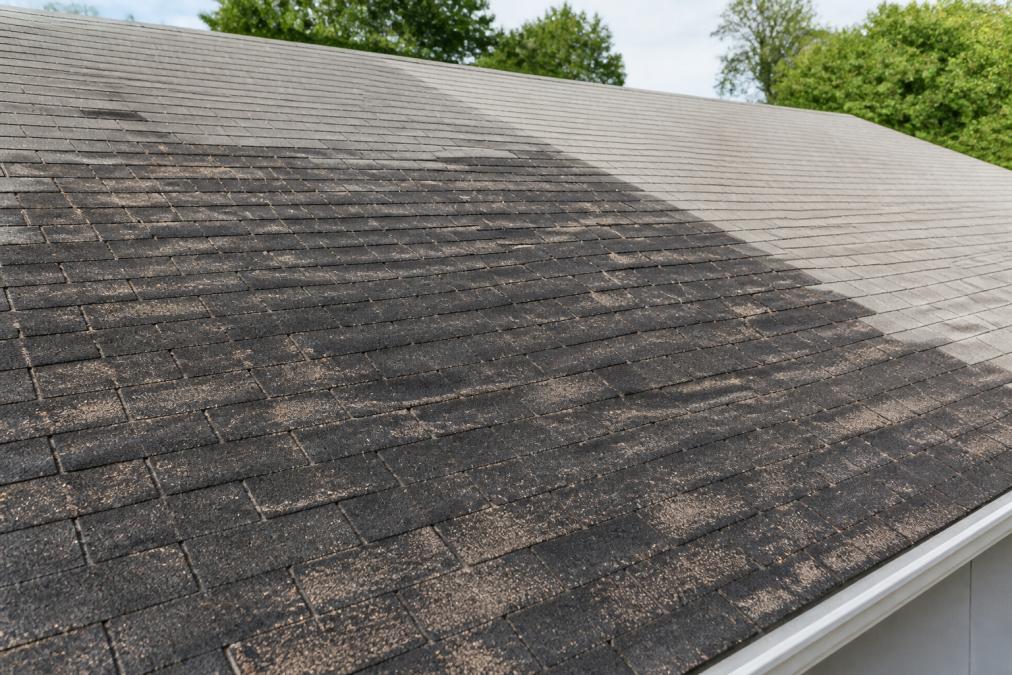
Detect granule loss by checking your gutters and downspouts. After heavy rain or wind, gutters often collect loose granules that look like coarse sand or small pebbles, typically dark gray or brown. Finding significant accumulation of granules in your gutters signals that your shingles are aging rapidly. A small amount of granule loss is normal for new shingles during their first year, but ongoing loss years later indicates deterioration.
From ground level, bald spots appear as lighter-colored patches on otherwise dark shingles. As granule loss progresses, large sections can become bare, giving the roof a mottled appearance. This reduces the shingle's ability to reflect heat and resist UV damage. Granule loss accelerates in areas with poor ventilation or high heat exposure. South-facing roof sections typically lose granules faster than north-facing sections. In hot, sunny climates, granule loss can become significant within 15-20 years. In cooler climates, it may take 25-30 years.
Once significant granule loss begins, the remaining asphalt deteriorates quickly. Shingles with substantial bald spots no longer provide optimal protection. If you see widespread granule loss across your roof, a professional assessment is warranted to determine whether repairs can extend the roof's life or whether replacement is more practical.
Signs of Roof Shingle Deterioration You Can See From the Ground
Discoloration is one of the most obvious deterioration signs. New asphalt shingles are typically uniform dark gray or black. As they age, they may develop streaks, lighter patches, or faded areas reflecting oxidation of the asphalt and loss of protective granules.
Algae and moss growth is another common sign, particularly in humid or shaded areas. Dark streaks running down the roof, usually on north-facing sections, indicate algae growth. Moss appears as greenish or grayish fuzzy coating. While not always signs of structural deterioration, they thrive on older, rougher shingle surfaces where granules have worn away.
Sagging or visible depressions in the roof outline are serious deterioration signs. If the roofline appears wavy or dips noticeably between support points, the underlying roof structure may be compromised. This could indicate water damage, rot, or structural failure and requires immediate professional attention.
Blistering or bubbling on shingle surfaces indicates moisture trapped within the shingle layers. These bubbles form when water vapor becomes trapped and expands due to heat. Once blistering begins, the shingle's protective capability is severely compromised.
Flashing deterioration around chimneys, vents, and roof penetrations is also visible from the ground. If flashing appears rusted, bent, or separated from the roof, water can penetrate behind the shingles. Deteriorated flashing often precedes interior water damage. At Leitch Roofing, we emphasize that visible deterioration signs don't all require immediate replacement. A professional can assess which signs require urgent attention and which can be monitored or repaired.
How to Check Roof Age and Manufacturer Specifications
Determining your roof's actual age is essential for understanding how much useful life remains. Check your home's original purchase documents or construction records. If you purchased the home, closing documents may include roofing information. If you built the home, your builder's paperwork should specify the roofing material and installation date.
If original documentation isn't available, check the shingles themselves for manufacturer information. Many shingles have the manufacturer's name and installation date printed on the back. Your home's tax records or building permits may include roofing information, contact your local building department and request records for your property. Your homeowner's insurance company may also have roofing information in their records.
If the roof was recently replaced, the roofing contractor should have provided documentation including installation date, materials used, warranty information, and manufacturer specifications. Keep these documents in a safe place for future reference.
Once you know your roof's age, compare it to the manufacturer's specified lifespan. Standard asphalt shingles typically carry a warranty of 20-30 years, though actual lifespan varies based on climate, installation quality, ventilation, and maintenance. Check the shingle manufacturer's specifications for the specific product installed on your roof.
Average Lifespan of Asphalt Shingles and Climate Impact
The average lifespan of asphalt shingles ranges from 20 to 30 years under typical conditions. However, this figure is heavily influenced by climate, ventilation, maintenance, and installation quality.
Hot, sunny climates significantly reduce shingle lifespan. In the southwestern United States, where temperatures regularly exceed 95 degrees Fahrenheit, asphalt shingles may deteriorate noticeably within 15-20 years (peer-reviewed research). Intense UV radiation accelerates granule loss and asphalt oxidation. Roofs with south or west-facing exposure age faster than those with north-facing exposure.
Humid climates present different challenges. Moisture retention accelerates algae and moss growth. Freeze-thaw cycles in northern climates are particularly harsh, when water seeps into shingle layers and freezes, it expands, creating stress that leads to cracking and buckling.
Roof ventilation is critical to shingle longevity. Inadequate attic ventilation traps heat, speeding deterioration. Proper ventilation with soffit vents for intake and ridge vents for exhaust can extend shingle lifespan by several years.
Installation quality directly impacts longevity. Shingles installed in cold weather may not seal properly. Improper nailing or inadequate overlap between shingle courses allows water infiltration. Professional installation by experienced roofers ensures shingles perform as intended.
Maintenance affects longevity as well. Keeping gutters clean prevents water backup that damages shingles. Removing debris and trimming overhanging branches reduces damage from falling objects. Regular inspections catch problems early, allowing repairs that prevent serious deterioration.
When to Repair Versus Replace Your Roof
The decision between repair and replacement depends on the extent of damage, the roof's age, cost comparison, and your long-term plans for the property. A general rule is that if damage affects less than 20-30% of the roof and the roof is less than 15-20 years old, repair is usually better. If damage exceeds 30-40% or the roof is nearing the end of its expected lifespan, replacement is typically more cost-effective.
Localized damage from storms, falling branches, or impact is usually a good candidate for repair. If only a few shingles are missing or cracked, targeted repairs can restore functionality. However, if the damaged area is large or if there's evidence of underlying rot or structural damage, replacement becomes necessary.
Age is critical. A roof that's 25+ years old showing widespread granule loss, multiple areas of curling, and scattered missing shingles is approaching the end of its useful life. Investing in major repairs on an old roof often doesn't make financial sense.
Get quotes from qualified roofing contractors for both options. We help homeowners understand the true cost of each option, including long-term maintenance needs.
Insurance claims complicate the repair-versus-replace decision. If filing a claim for storm damage, your insurance company's adjuster will assess whether damage is repairable or constitutes replacement-level loss. Professional documentation of damage and age can support your position if you disagree with an assessment.
Your long-term plans matter too. If selling the home within a few years, full roof replacement adds resale value. If staying long-term, replacement when the roof is aging is more cost-effective.
DIY Safety Protocols for Roof Inspection
If you decide to inspect your roof yourself, safety must be your top priority. Falls from roofs cause serious injuries and death. Before climbing onto your roof, assess whether you're physically capable and comfortable with heights. If you have any doubts, hire a professional.
Essential safety equipment includes:
- A sturdy ladder in good condition, placed on level ground at the proper angle (4:1 ratio) (osha.gov)
- Non-slip footwear with good grip
- A safety harness and rope anchored to a stable point if working on a steep pitch
- Work gloves to protect against sharp edges
- Eye protection to shield from granules and debris
- A hard hat to protect your head
Never inspect a roof alone. Always have someone present who knows where you are and can call for help if needed. Avoid inspecting during or immediately after rain, when surfaces are slippery. Don't work in high winds or extreme heat. Early morning or late afternoon, when temperatures are moderate and the roof is dry, are ideal times.
Move slowly and deliberately on the roof. Test each step before putting your full weight on it. Avoid walking on the ridge or areas that appear soft or damaged. Stay away from roof edges. When documenting damage, take photos from the ground and roof if safe. Use a measuring tape to note size and location of damage. If you discover significant damage, contact a professional roofer immediately rather than attempting repairs yourself.
Professional roofers have the experience, equipment, and insurance to work safely on roofs. For complex assessments or major damage, professional inspection is always the safer and more reliable choice.
Spotting roof shingle aging early gives you time to plan for repairs or replacement before problems become severe. The visual signs covered, curling, buckling, granule loss, discoloration, and missing shingles, all indicate that your roof is aging and professional assessment may be needed. Leitch Roofing specializes in identifying roof damage and helping homeowners understand their options. Our team provides thorough inspections, expert damage assessment, and insurance claim support to ensure you get the repairs or replacement your roof actually needs. Get a free estimate today and let us help you protect your home.
Frequently Asked Questions
How can I tell the age of my roof shingles without calling a professional?
Check your home's construction or purchase records for the installation date. If unavailable, examine the shingles themselves: newer asphalt shingles have uniform color and intact granules, while aged shingles show fading, bald spots, and lifting edges. Look at the roof deck and underlayment condition through your attic if accessible. Most asphalt shingles show noticeable deterioration between years 15-20, though climate significantly affects aging speed. For an accurate assessment, a professional inspection is the most reliable approach.
Does the average lifespan of asphalt shingles really match the manufacturer's warranty?
Standard asphalt shingles carry 20-25 year warranties, while premium impact-resistant shingles may offer 30+ year coverage. However, actual performance depends heavily on climate, ventilation, maintenance, and weather exposure. In hot, humid climates with frequent temperature swings, shingles often show significant deterioration by year 15-18. Thermal shock from rapid temperature changes accelerates brittleness and cracking. Regular maintenance and proper attic ventilation can extend lifespan closer to the manufacturer's estimate, but actual functional life can vary depending on conditions.
What's the difference between cosmetic aging and structural failure I should worry about?
Cosmetic aging includes fading, light algae streaks, and minor granule loss that don't affect water protection. Structural failure involves curling shingles, large bald spots exposing the roof deck, missing shingles, visible cracking, water stains in the attic, and granule accumulation in gutters. Structural issues compromise water infiltration protection and require repair or replacement. If you see water stains inside your home, buckling shingles, or exposed underlayment, this signals active deterioration requiring immediate attention. A professional can distinguish between cosmetic wear and damage requiring repair versus replacement.
How often should I inspect my roof for signs of aging, and is DIY inspection safe?
Inspect your roof twice yearly (spring and fall) and after severe storms. DIY inspections from the ground using binoculars are safe and effective for spotting obvious curling, missing shingles, and color changes. Never climb onto the roof yourself, fall risk is significant, and walking on aged shingles can cause additional damage. Use a sturdy ladder to examine gutters and fascia from ground level. For detailed assessment of structural integrity, water infiltration risk, or warranty evaluation, hire a professional inspector who can safely access all areas and identify issues invisible from the ground.