 how-to
How to Prepare for a Roof Repair Estimate
Table of Contents
- What to Document Before Your Roof Repair Estimate
- Prepare Your Property for the Inspection
- Questions to Ask Roofing Contractors
- How to Read and Compare Roofing Quotes
- Navigating the Roofing Insurance Claim Process
- Seasonal Preparation and Common Mistakes to Avoid
- Frequently Asked Questions
Last Updated: October 3, 2026
What to Document Before Your Roof Repair Estimate
Getting a roof repair estimate starts before the contractor arrives. Documentation and organization make the process smoother and result in more accurate estimates.
Gather insurance papers, previous repair records, and photos of damage. These documents give the contractor context and help them understand your roof's history.
Create a Digital Documentation Checklist
Create a digital folder on your phone or computer to keep everything organized:
- Photos of any visible damage or leaks
- Insurance policy documents
- Previous repair receipts or warranties
- Property deed or closing documents
- Mortgage or homeowner association paperwork
- Utility bills showing your address
- Any previous inspection reports
Take clear photos in good daylight with wide shots of damaged areas and close-ups of specific problems. Include interior water damage if present.
Gather Insurance and Property Records
Pull your homeowner's insurance policy and note the coverage limits, deductible, exclusions, policy number, and adjuster contact information. Locate your property deed and any previous repair receipts or warranty documents.
Prepare Your Property for the Inspection
Clear your property to provide safe access and sight lines for the contractor's inspection.
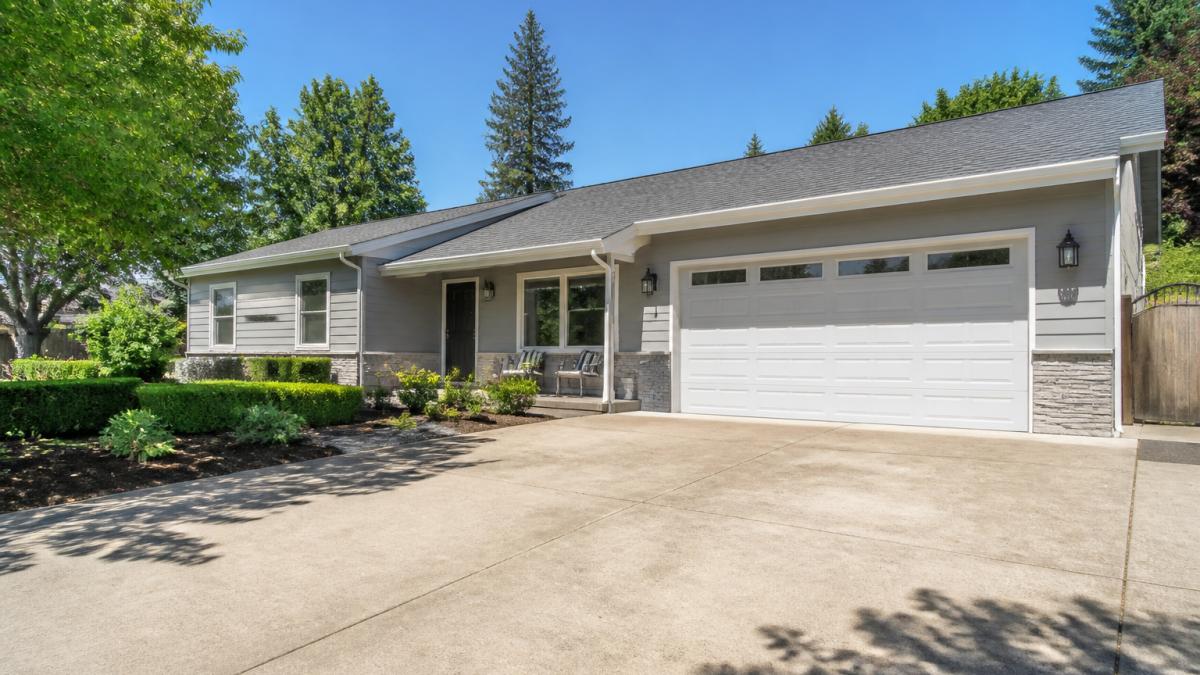
Clear the Perimeter and Driveway
Remove parked cars, trash cans, garden hoses, and toys from the driveway and yard perimeter. Trim tree branches over the roof for better access. Secure pets indoors and ensure attic access is clear.
Interior Preparation for Roof Inspections
Clear paths to attic access and suspected leak areas. Leave interior water damage visible, don't clean it before inspection. Document water stains, wet insulation, and damaged drywall with photos.
Questions to Ask Roofing Contractors
The right questions separate a good roof repair estimate from a vague one. Ask these before the contractor leaves your property.
Understanding Materials, Warranty, and Timeline
Ask what materials they're recommending and why. Clarify warranty coverage (materials, labor, or both) and duration. Request a project timeline with start and end dates and weather contingencies.
Verifying Credentials and Insurance
Ask for their business license number and verify it with your state's licensing board. Request proof of general liability and workers' compensation insurance and confirm it's active. Call at least two references and check Google and Better Business Bureau reviews for patterns.
How to Read and Compare Roofing Quotes
Multiple estimates help you understand fair pricing and scope differences. Systematic comparison prevents costly mistakes.
Evaluating Materials List and Project Scope
Check that materials match your discussion with specific brand and grade. Verify square footage is consistent across estimates. Confirm the roof repair estimate includes shingles, underlayment, flashing, drip edge, ridge vent, and disposal fees. Labor costs should be separated from materials for transparency.
Objective Comparison Framework: Scoring Estimates
Use a scoring system to evaluate estimates objectively. Create a spreadsheet scoring each contractor on materials specificity, labor transparency, warranty terms, timeline clarity, and insurance verification (0-5 scale each). The highest-scoring estimate is the most professional and least risky, even if not the cheapest.
Red Flags That Warrant Rejection
Reject estimates with: no written documentation, prices 30-40% lower with no explanation, vague scope, no written warranty, pressure to decide immediately, or no proof of insurance.
Navigating the Roofing Insurance Claim Process
Insurance claims for roof damage are complex, and the way you prepare your estimate and documentation differs significantly depending on whether you're filing a claim or paying out of pocket. Understanding these distinctions helps you work effectively with adjusters and contractors.
Preparing Your Estimate for Insurance Adjusters vs. Private Contractors
An insurance adjuster and a private contractor have different priorities. Your estimate and documentation must address both if you're filing a claim.
For Insurance Adjusters:
Insurance adjusters focus on causation, coverage, and depreciation. They need to verify that the damage is covered under your policy and that it's recent (not pre-existing wear). When preparing for an adjuster's inspection, emphasize:
-
Date of loss. Document exactly when you discovered the damage. Take photos with timestamps. If you found a leak on March 15, that's your date of loss. Adjusters deny claims filed weeks after damage occurs because they suspect the homeowner waited to file.
-
Cause of damage. Adjusters cover sudden, accidental damage (a fallen tree branch, a storm, hail) but not gradual wear (aging shingles, poor maintenance). If a storm caused the damage, document weather reports from that date. If a tree fell, photograph the fallen branch and the impact point.
-
Interior damage evidence. Take photos of water stains, wet insulation, damaged drywall, and any mold growth. Adjusters need to see the full scope of damage to approve the claim. Don't clean up water damage before the inspection, the adjuster needs to see it.
-
Proof of maintenance. If you've had regular roof inspections or maintenance, provide those records. Adjusters are more likely to approve claims from homeowners who maintain their roofs. If you've neglected maintenance, the adjuster may deny the claim as preventable.
For Private Contractors:
Private contractors focus on scope, materials, and timeline. They need to understand what work you want done and what you're willing to pay. When preparing for a contractor's estimate, emphasize:
-
Specific repair goals. Do you want the damaged section repaired, or the entire roof replaced? Are you upgrading materials or matching the existing roof? Contractors need clarity to give accurate estimates.
-
Budget constraints. If you have a budget (e.g., your insurance deductible is $2,500), tell the contractor. They can tailor their estimate to fit your needs.
-
Timeline preferences. If you need the work done before winter or before a specific event, say so. Contractors adjust scheduling and pricing based on urgency.
The Critical Difference:
If you're filing an insurance claim, your contractor's estimate must align with the adjuster's findings. If the adjuster approves $8,000 in repairs but your contractor estimates $12,000, you have a gap. Here's how to handle it:
- Share the contractor's estimate with your insurance company before work begins.
- If the adjuster's approved amount is less, ask the adjuster to explain what they didn't include.
- Request a second inspection if you believe the adjuster missed damage.
- If there's still a gap, ask your contractor if they can reduce scope or materials to fit the approved amount, or discuss paying the difference out of pocket.
Working with Your Insurance Adjuster
Your insurance adjuster is the gatekeeper for claim approval. Being organized and prepared speeds this up.
Call your insurance company as soon as you discover damage.
Provide your insurance company with the photos you've taken.
When the adjuster schedules an inspection, be present. Show them the damage and explain what happened.
Request a written estimate from the adjuster.
Coordinating Your Contractor Estimate with Insurance Documentation
Your contractor's estimate and the insurance adjuster's report should align. When they don't, you have options.
Share the contractor's estimate with your insurance company. If the adjuster's approved amount is less than the estimate, ask why.
If there's a significant gap (more than 10-15%), request a second inspection.
Get everything in writing. Written estimates, insurance approvals, and contractor agreements protect everyone. Verbal agreements lead to disputes later. Before work begins, you should have:
- A written estimate from the contractor
- A written approval from the insurance company (or a denial with explanation)
- A signed contract with the contractor specifying materials, labor, timeline, and warranty
If the insurance company denies your claim, ask for a detailed explanation in writing.
Seasonal Preparation and Common Mistakes to Avoid
The time of year affects how you prepare for a roof repair estimate.
Spring brings heavy rain and storm damage. Contractors are busiest then, so estimates take longer.
Summer heat can warp roofing materials and make climbing unsafe.
Fall is ideal for roof work.
Winter complicates inspections. Ice and snow make roofs unsafe. Contractors may refuse to climb icy roofs.
Common mistakes slow down the process and cost money:
- Waiting too long to report damage to insurance. Claims filed weeks after damage may be denied.
- Failing to clear the perimeter. Contractors waste time moving obstacles or refuse the job.
- Not gathering documentation beforehand. This delays the estimate and confuses the scope.
- Hiring unlicensed contractors to save money. Unlicensed work voids warranties and creates liability.
- Accepting a verbal estimate. Get everything in writing with signatures.
- Ignoring warranty terms. Cheap work with no warranty costs more long-term.
Preparing for a roof repair estimate takes a few hours but saves weeks of hassle later. Gather your documents, clear your property, ask the right questions, and compare estimates thoughtfully. When you're ready to move forward, Leitch Roofing offers free estimates and specialized insurance claim assistance. We handle the coordination with adjusters so you don't have to. Contact Leitch Roofing for a free roof repair estimate today and experience the difference professional preparation makes.
Frequently Asked Questions
What documents should I have ready for a roofing contractor?
Gather your property deed, mortgage documents, previous roofing work records, and insurance policy information. If you have photos of damage, roof age documentation, or prior repair receipts, have those accessible. A written list of specific concerns or problem areas helps the contractor focus the roof repair estimate on what matters most. Digital or physical copies work equally well, but organized documentation speeds up the process and ensures nothing is missed during the inspection.
How do I know if a roofing estimate is fair?
Compare at least three detailed quotes side-by-side, checking that they specify the same materials, labor scope, and warranty coverage. Fair estimates break down costs clearly: materials list, labor costs, permit requirements, disposal fees, and project timeline. Watch for vague language or missing details, these are red flags. A fair estimate also matches local market rates for your roof pitch, total square footage, and material quality. If one quote is dramatically lower, ask why before assuming it's the better deal.
How can I prepare my home for a roof inspection?
Clear gutters, downspouts, and the perimeter around your home of branches, debris, and vehicles. Trim tree limbs that overhang the roof to give the contractor safe access. Inside, ensure attic access is clear and well-lit. Remove stored items from under roof areas so the contractor can assess structural integrity and ventilation. Unlock any gates or side yard access points. If weather is a factor, schedule during a dry period so the contractor can safely walk the roof and provide an accurate roof repair estimate.
Can a roofing contractor help me with an insurance claim?
Yes, many roofing contractors offer insurance claim assistance as part of their service. They can document damage with photos and measurements, provide detailed estimates that align with insurance requirements, and sometimes work directly with adjusters to ensure proper coverage. When you contact a contractor for your roof repair estimate, ask specifically whether they handle insurance claim coordination. This support is especially valuable if your adjuster initially denies coverage or underestimates damage, a contractor's professional documentation can strengthen your claim.