 how-to
How to Challenge a Roof Insurance Denial
Table of Contents
- Review Your Insurance Denial Letter and Policy Coverage
- How to Document Roof Storm Damage Effectively
- Request Your Full Claim File and Hire an Independent Inspector
- File a Formal Appeal or Reconsideration Request
- Roof Insurance Claim Appeal Letter Template
- When to Hire a Public Adjuster for Roof Damage
- How Long Does an Insurance Appeal Take
- Understanding the Appraisal Clause and Other Options
- Frequently Asked Questions
Last Updated: August 29, 2026
Review Your Insurance Denial Letter and Policy Coverage
The first step in challenging a roof insurance denial is understanding exactly why your claim was rejected. Your denial letter contains specific language that tells you the insurer's reasoning and becomes your roadmap for building a response.
Understanding Policy Exclusions and Coverage Limits
Read your denial letter carefully. Insurers typically cite one of three reasons: the damage falls under a policy exclusion, the damage doesn't meet the threshold for your deductible, or the insurer determined the damage was not caused by a covered peril. Policy exclusions are specific situations your policy does NOT cover, common roof exclusions include wear and tear, lack of maintenance, and gradual deterioration.
Your policy also has coverage limits, the maximum amount the insurer will pay for roof damage. Check your declarations page for your roof coverage limit and deductible amount. An exclusion means the damage type isn't covered at all. A coverage limit means you're covered, but only up to a certain dollar amount. If your denial cites an exclusion, you'll need to prove the damage doesn't fall under that exclusion. If it's a coverage limit issue, the conversation shifts to whether your damage truly exceeds the limit or whether the insurer undervalued the repairs.
Identifying the Reason for Denial
Your denial letter should state the specific reason. Common denial reasons include:
- Wear and tear: The insurer claims the damage is from aging, not a covered peril
- Lack of maintenance: The insurer alleges you failed to maintain the roof properly
- Pre-existing damage: The insurer claims the damage existed before your policy began
- Exclusion clause: The damage falls under a specific policy exclusion
- Insufficient proof: The insurer says you haven't provided enough evidence the damage is covered
Each reason requires a different response strategy. Write down the exact reason stated in your denial letter, this becomes the focus of your appeal.
How to Document Roof Storm Damage Effectively
Documentation is your strongest weapon when challenging a roof insurance denial. Insurers rely on adjuster reports and your evidence to make decisions.
Gathering Photo and Video Evidence
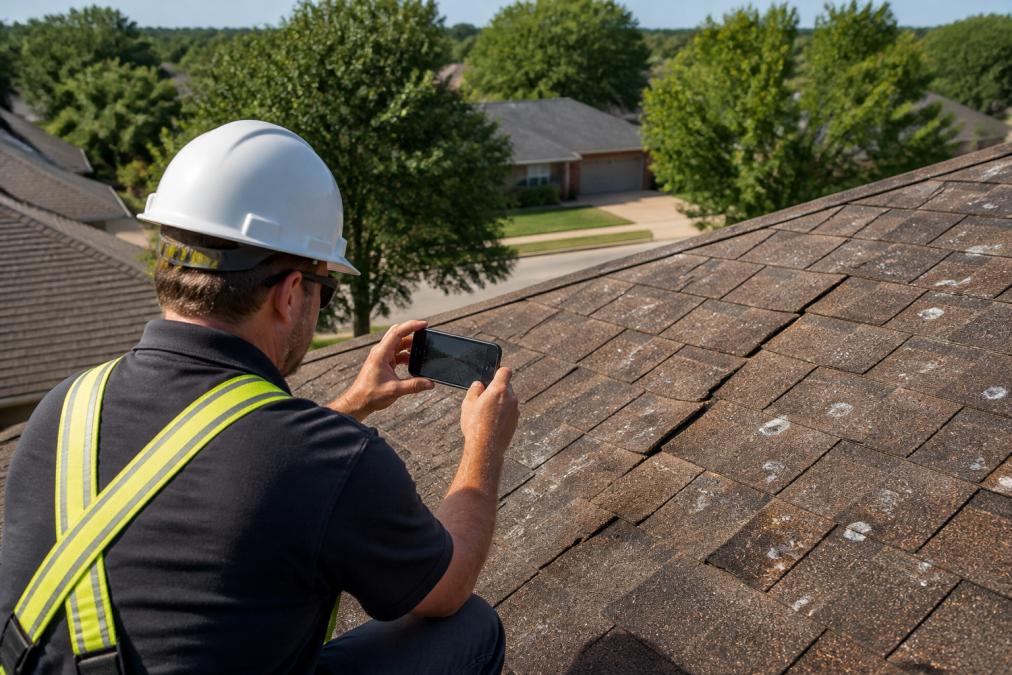
Take photos and videos of all visible damage immediately after the storm using a smartphone or camera with good resolution. Photograph each damaged section from multiple angles, including close-ups showing damage detail and wider shots showing damage in context.
Include reference objects in your photos, a coin, ruler, or common object next to the damage helps prove size, especially for hail damage. Document the date and time your photos were taken; most smartphones embed this data automatically. Video footage should show a slow pan across damaged sections with narration: "This section shows five shingles with missing granules and visible cracks" is more persuasive than unmarked video.
Store all photos and videos in multiple places: your phone, cloud storage, and an external hard drive. Insurance companies sometimes claim they never received evidence.
Wear and Tear vs. Storm Damage: Building Your Case
Insurers frequently deny claims by arguing the damage is wear and tear, not storm damage. Understanding the visual differences is critical to countering this argument.
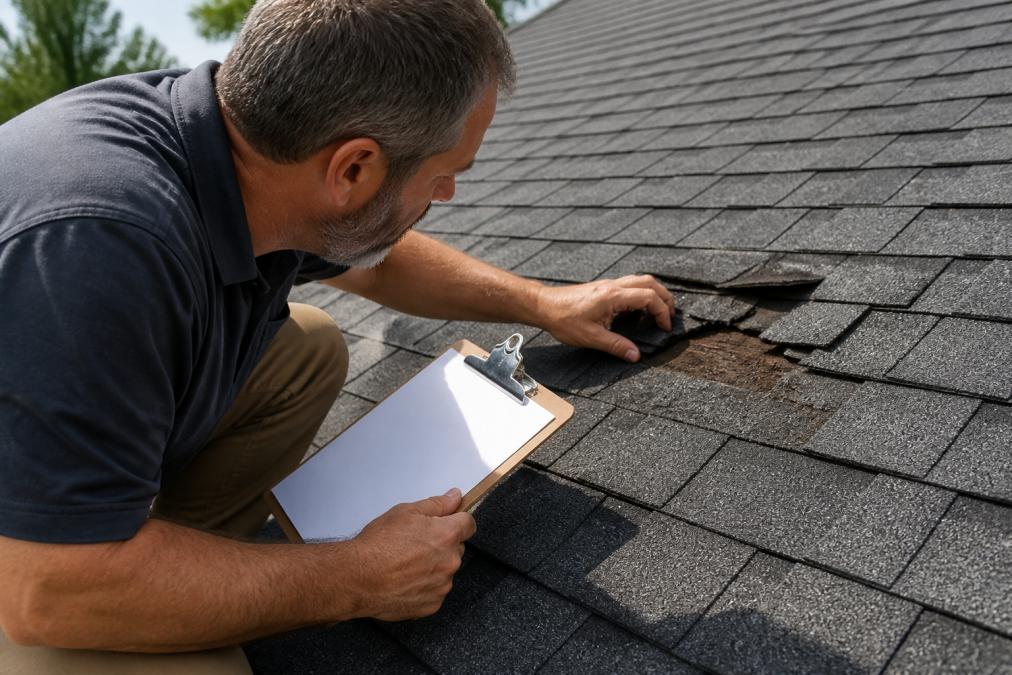
Wear and tear shows gradual deterioration spread across large areas with uniform granule loss, faded color, and curling or lifting shingles. Storm damage is sudden and localized, hail creates impact marks concentrated in a specific area, wind tears or lifts shingles in a pattern matching wind direction, and water damage shows up as leaks in specific locations.
The key evidence for storm damage is specificity and clustering. If your photos show hail damage concentrated on one side of your roof (the side facing the storm direction), that's compelling evidence of storm damage. Document the date of the storm that caused the damage using weather reports, news coverage, and your own records. If you can show your roof was in good condition before the storm and damaged after, that timeline helps prove causation.
Request Your Full Claim File and Hire an Independent Inspector
Requesting your full claim file gives you access to everything the insurer has on your claim: the adjuster's report, photos, notes, and reasoning behind the denial. This is a legal right.
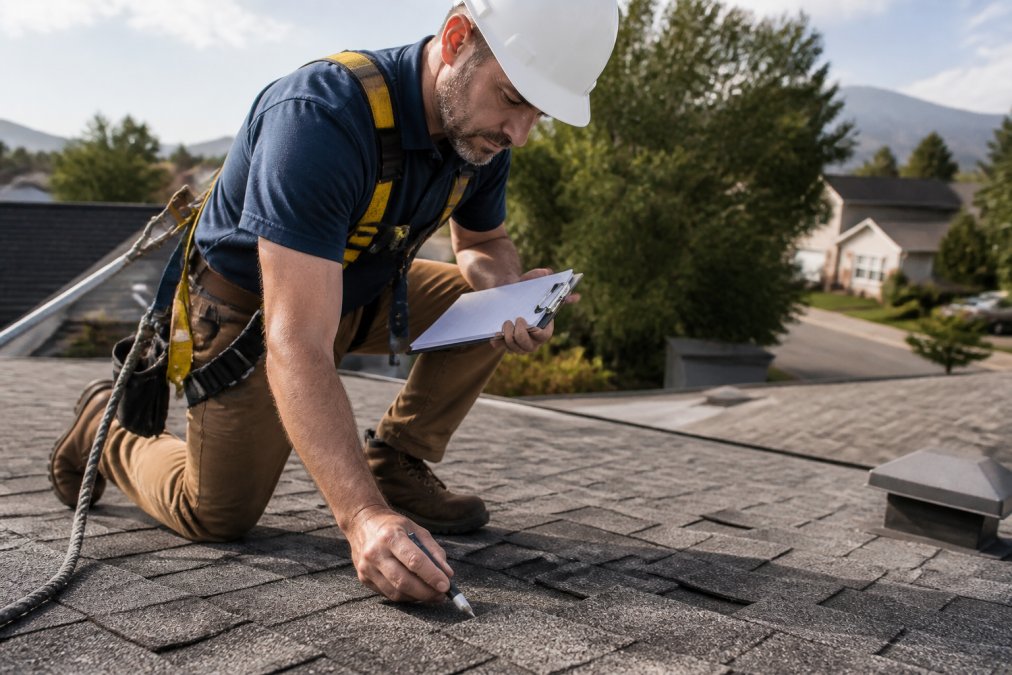
Send a written request to your insurance company asking for your complete claim file, including your policy number and claim number. The insurer typically has 30 days to provide this (naic.org). Once you have the adjuster's report, you can see exactly what they documented and where your evidence contradicts their findings.
What to Expect from an Independent Roof Inspection
An independent inspector brings credibility to your claim. Unlike the insurer's adjuster, an independent inspector has no financial incentive to minimize your damage. Their report carries weight in an appeal or legal dispute.
A strong independent inspection report includes specific findings: the number of damaged shingles, the extent of granule loss, the pattern of damage, and professional opinion on whether the damage is consistent with a specific storm event. The inspector should also note any pre-existing damage or maintenance issues to distinguish them from storm damage. Leitch Roofing offers professional roof inspections that document damage thoroughly for insurance claim purposes.
File a Formal Appeal or Reconsideration Request
After you've gathered documentation and reviewed the insurer's claim file, you're ready to file a formal appeal, your official request for the insurer to reconsider their denial decision.
Steps for Filing Your Appeal
Review your policy for the appeals process. Write a formal appeal letter addressing the insurer's denial reason directly, sticking to facts and evidence rather than emotional arguments.
Your appeal letter should:
- State your policy number and claim number
- Reference the original denial reason
- Present new evidence or explain why the insurer's reasoning is incorrect
- Request a specific outcome (claim approval and payment)
- Include copies of supporting documentation
Send your appeal via certified mail so you have proof of delivery. The insurer typically has 30-45 days to respond. If the insurer denies your appeal, you have additional options including appraisal clauses or escalation to your state's insurance commissioner.
Roof Insurance Claim Appeal Letter Template
A well-written appeal letter significantly increases your chances of success.
Key Elements Your Appeal Letter Must Include
Your contact information and claim details:
[Your Name] [Your Address] [Your Phone Number] [Your Email]
Policy Number: [Your Policy Number] Claim Number: [Your Claim Number] Date of Loss: [Date of Storm]
Opening statement:
Dear [Insurance Company Claims Department],
I am writing to formally appeal the denial of my roof damage claim dated [denial date]. I believe this denial was made in error and respectfully request reconsideration based on the evidence I have gathered.
Body section addressing the denial reason:
Your denial letter stated: [Quote the exact reason from your denial letter]
I respectfully disagree with this determination for the following reasons:
[Present your evidence here. Example: "The damage to my roof is consistent with hail impact, not wear and tear. The attached photos show concentrated damage on the north-facing side of my roof, the direction the storm approached from. The damage pattern matches hail impact characteristics, with multiple shingles showing impact marks rather than gradual granule loss typical of aging."]
Supporting documentation:
I have enclosed the following documentation:
- Photographs of roof damage (dated [dates])
- Independent roof inspection report from [Inspector Name/Company]
- Weather service report documenting the storm event
- [Any other relevant documents]
Closing and request:
Based on this evidence, I request that you:
- Reverse your denial decision
- Approve my claim for roof damage
- Process payment for repairs in the amount of [amount from contractor estimate]
I am available to discuss this matter further at your convenience. Please contact me within 30 days of receiving this letter.
Sincerely, [Your Signature] [Your Typed Name]
Keep your appeal letter professional and factual. Stick to evidence and logical reasoning.
When to Hire a Public Adjuster for Roof Damage
A public adjuster is a licensed professional who represents your interests in insurance disputes. Unlike insurance adjusters who work for the insurance company, public adjusters work for you.
How a Public Adjuster Can Strengthen Your Case
Public adjusters have expertise in policy language, damage assessment, and claim valuation. They know what documentation insurers need and how to present your case most effectively. Public adjusters typically work on contingency, taking a percentage of the additional payout they secure for you (usually 10-20%), meaning they only profit if they increase your claim payment.
Consider hiring a public adjuster if your claim has been denied and you believe it was wrongly denied, the insurer's damage estimate is significantly lower than contractor estimates, the claim involves complex policy language, or you lack time or expertise to handle the appeal yourself.
How Long Does an Insurance Appeal Take
The timeline for an insurance appeal depends on the insurer's processing speed, claim complexity, and whether additional investigation is needed.
Timeline Expectations and What Affects Processing Speed
Most insurers have 30-45 days to respond to a formal appeal request, typically required by state law (naic.org). However, the actual process often takes longer. If the insurer requests an independent re-inspection, that adds 2-4 weeks. Weather conditions can also delay inspections by weeks.
A straightforward claim with clear documentation might be resolved in 60-90 days. A claim involving multiple coverage questions, policy exclusions, or significant damage can take 6 months or longer. If your appeal is denied again, escalating to your state's insurance commissioner adds another 30-90 days. Filing a lawsuit extends the timeline to 12-24 months or longer.
Understanding the Appraisal Clause and Other Options
Most homeowner insurance policies include an appraisal clause, a mechanism to resolve disputes about the claim amount when the insurer and policyholder disagree on damage extent or repair costs. The appraisal clause is NOT the same as going to court; it's a faster, less expensive process.
In appraisal, each party selects an appraiser who examines the damage and provides independent valuations. If they disagree significantly, they select an umpire who makes a final decision. This process typically takes 30-60 days and costs far less than litigation.
When Legal Counsel Becomes Necessary
Consult an attorney if the insurer has denied your appeal and you believe they acted in bad faith, the claim amount is substantial enough to justify legal fees, the insurer's denial appears to violate state insurance laws, or you've exhausted other options. Many insurance attorneys work on contingency for bad faith claims.
Leitch Roofing can help coordinate your roof damage claim from inspection through documentation. We understand the insurance claims process and can provide professional inspection reports and contractor estimates that strengthen your appeal. Contact us for a free estimate and claim assistance.
Challenging a roof insurance denial requires patience, documentation, and persistence. Start by understanding exactly why your claim was denied, gather thorough evidence of the damage, and present a clear, factual appeal. If the insurer continues to deny your legitimate claim, escalate through appraisal or legal channels. Many homeowners successfully overturn denials when they present credible evidence and follow proper procedures. Get a free estimate from Leitch Roofing today and let our insurance claim expertise help you recover the coverage you deserve.
Frequently Asked Questions
Q: What should I not say to a roof insurance adjuster?
A: Avoid admitting fault, speculating about damage causes, or agreeing with the adjuster's initial assessment if you disagree. Don't mention previous roof damage or repairs, and don't exaggerate the damage. Stick to facts, provide only the documentation they request, and let your evidence speak for itself. If you're unsure about a question, it's acceptable to say you'll provide that information later after review.
Q: Can I hire a public adjuster after my roof claim is denied?
A: Yes, you can hire a public adjuster after denial, though timing matters. Public adjusters typically work on contingency, taking a percentage of the settlement increase they secure. They're especially valuable if the denial seems incorrect or if the initial adjuster undervalued the damage. Check your insurance policy for any deadlines on appeals, and act quickly to preserve your rights. A public adjuster can file the appeal on your behalf and negotiate with the insurer.
Q: How long does a roof insurance appeal typically take?
A: Most appeals take 30 to 90 days, depending on the complexity of your claim and the insurer's workload. Initial acknowledgment usually comes within 10 to 15 days. If your appeal requires re-inspection or additional documentation, the timeline extends. Some insurers have statutory deadlines set by state regulators. Contact your insurance company for a specific timeline, and follow up every two weeks if you haven't heard back within 30 days.
Q: What is the 25% rule for roofing insurance claims?
A: The 25% rule refers to a common insurance guideline that if roof damage affects 25% or more of the roof's surface, the insurer may require replacement of the entire roof rather than repair. This threshold varies by policy and state, so check your specific coverage. Some policies use different percentages. Understanding this rule helps you document damage accurately and set realistic expectations for your claim outcome.