 how-to
Hiring a Roofer for Insurance Claims: What to Know
Table of Contents
- Why Hiring a Roofer First Changes Your Claim Outcome
- The Roofing Insurance Claim Process Steps You Will Face
- What Not to Say to Insurance Adjuster Roof Conversations
- Avoiding the Deductible Trap and Storm Chaser Scams
- How to Fight Roof Insurance Denial with a Contractor
- Decoding the Summary of Loss and Your Claim Settlement
- Conclusion: Your Next Step Toward a Fair Roof Claim
- Frequently Asked Questions
Last Updated: September 6, 2026
The most common mistake homeowners make after a storm is calling their insurance company before they have a roofing contractor on site. Hiring a roofer first can mean the difference between a full roof replacement and a denied claim. Leitch Roofing provides specialized insurance claim assistance to simplify the process for our clients.
A roofer who understands insurance documentation can identify damage an untrained eye might miss and document it before the adjuster arrives. That documentation often becomes the foundation of your entire claim.
Why Hiring a Roofer First Changes Your Claim Outcome
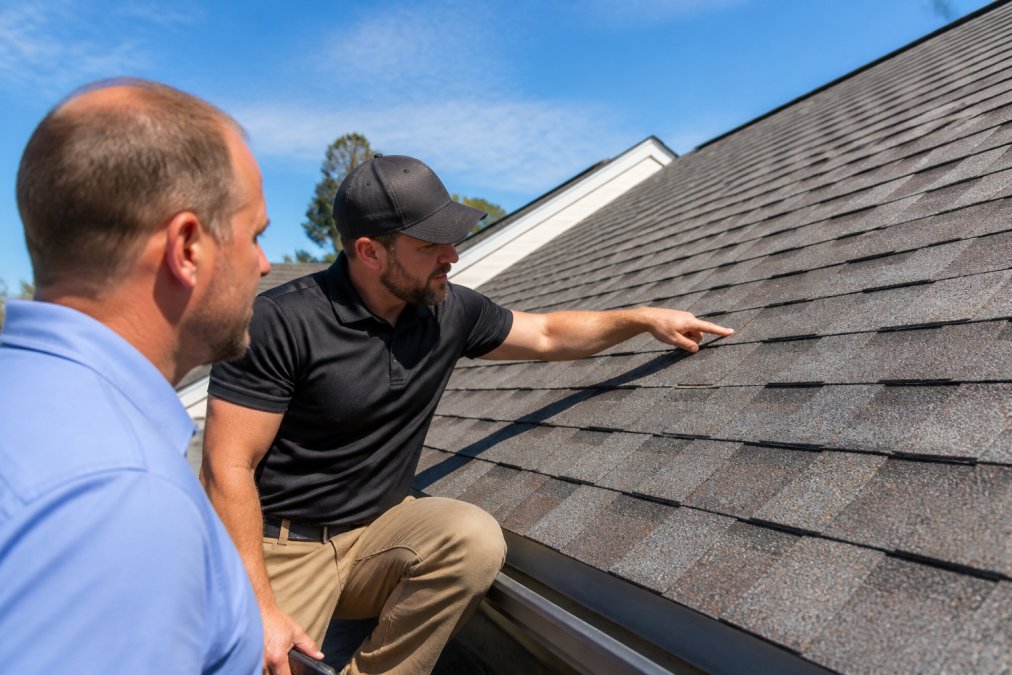
Insurance adjusters classify damage as either storm-related or pre-existing wear and tear, and that classification decides whether your claim gets paid. A contractor who arrives first can document markers of hail and wind damage, such as bruising on the shingle mat or granule loss, in a formal report.
Most policyholders do not know what to photograph or how to describe damage accurately; a roofer does. When your contractor and adjuster agree on the cause, your claim moves quickly.
The Roofing Insurance Claim Process Steps You Will Face
The roofing insurance claim process follows a predictable sequence, but each stage has its own pitfalls, and the process typically takes several weeks from first inspection to final settlement.
Step 1: The Initial Roof Inspection and Damage Documentation
Your contractor inspects the roof for hail, wind, and impact damage and documents everything with dated photos, also checking flashing, vents, and gutters since storm damage often appears in these secondary areas.
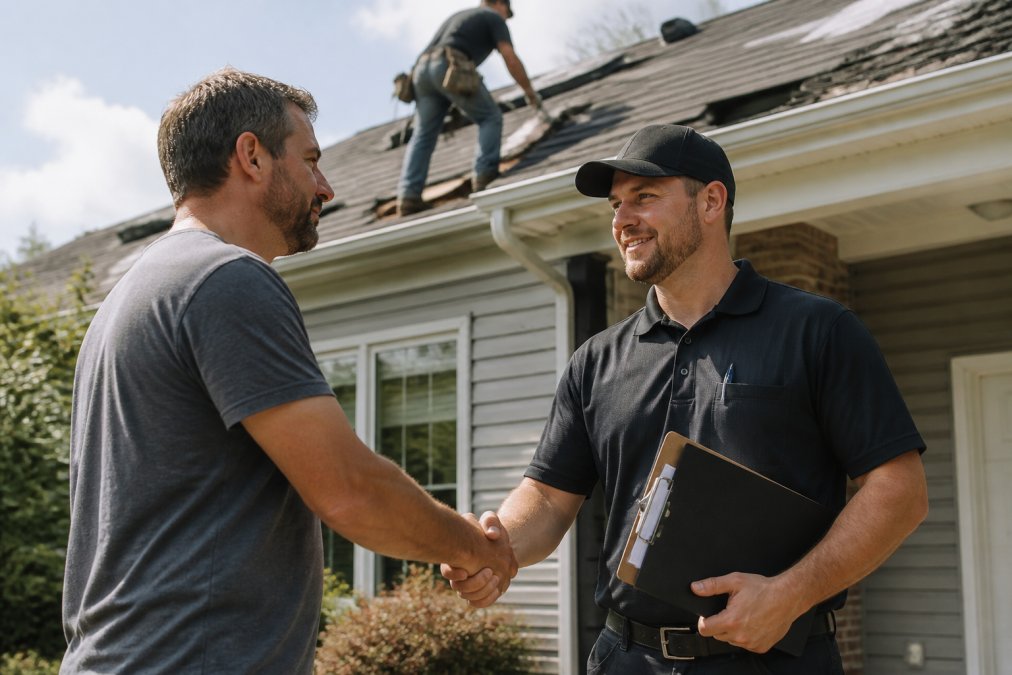
In most states, a roofer cannot act as a public adjuster. They cannot negotiate your final settlement or interpret your policy's legal language. What they can do is document physical evidence, prepare a detailed repair estimate, and accompany you to the adjuster meeting. If a roofer offers to "handle the claim for you" and asks you to sign a contract giving them the right to negotiate your settlement, that is a red flag.
Step 2: The Adjuster Meeting and Scope of Work Review
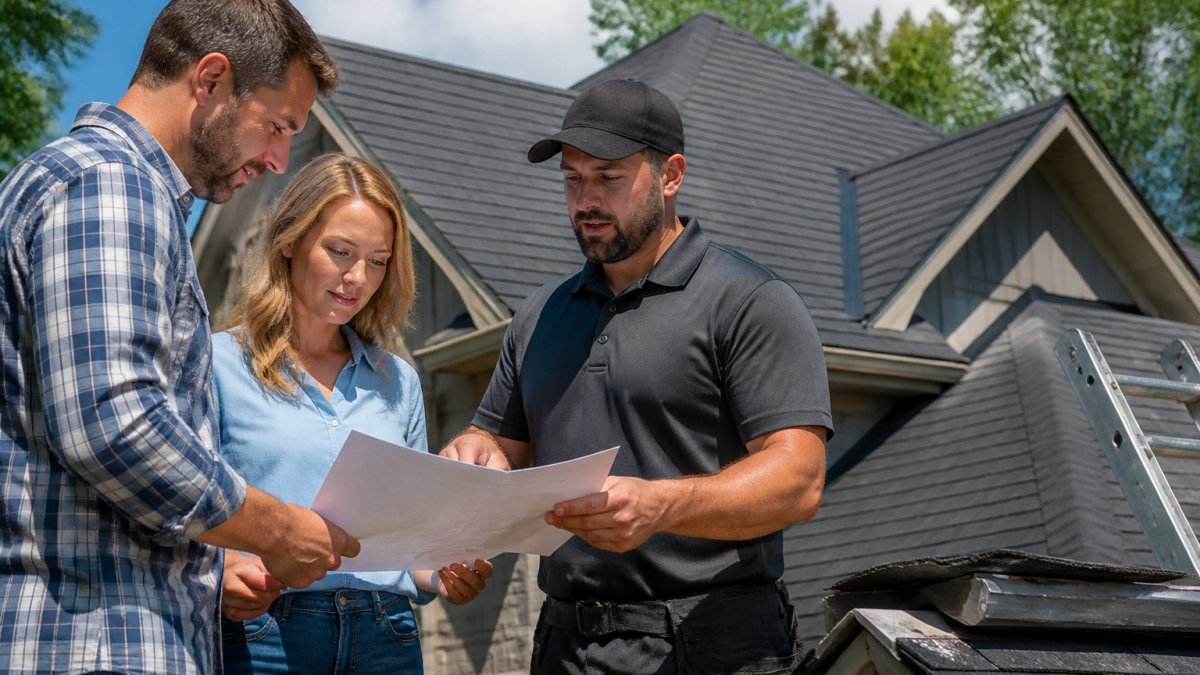
During the adjuster meeting, your contractor should walk the roof alongside the adjuster and point out documented damage. The adjuster then writes a scope of work listing what the insurer agrees to pay for. Review it carefully, missing items like underlayment or decking replacement are common.
The adjuster's scope is not the final word. It is an initial estimate based on pricing software like Xactimate or Symbility, which often misses nuances like a complex valley system or saturated underlayment requiring full deck replacement, this is where the supplement process comes in.
Step 3: The Supplement Process
A supplement is a formal request for additional funds after the initial scope is approved. It is routine, not adversarial, and becomes necessary when your contractor discovers damage not visible during the initial inspection, rotted decking, damaged flashing, or code-required upgrades.
Your contractor documents the new damage with photos, submits a revised estimate, and sends it to the adjuster. This can add days or weeks to your timeline, so an experienced contractor knows how to present evidence and push back when the insurer lowballs the cost.
Step 4: Negotiation, Estimates, and the Final Settlement
Your contractor submits a detailed estimate that should align with the adjuster's scope. When the price exceeds the allowance, your roofer negotiates using documented damage and current material costs. The final settlement is the approved amount minus your deductible.
A great contractor justifies their number with line-by-line comparisons to the adjuster's estimate, referencing local material prices and showing why the scope is incomplete. They also know when to escalate a dispute to a supplemental claim rather than accept a lowball offer.
Step 5: The Final Walkthrough and Release of Depreciation
Once the work is complete, your contractor should schedule a final walkthrough. Your insurer may then send an inspector to verify the work before releasing recoverable depreciation, the portion withheld until the roof is replaced. This step is often delayed by insurer backlogs, so expect it to take a few weeks.
What Not to Say to Insurance Adjuster Roof Conversations
What not to say to an insurance adjuster is just as important as what you should say. The adjuster records your words, and casual remarks can minimize your claim. Never speculate about when damage occurred or guess that it is "old" or "minor."
Avoid phrases like "it was probably like that before the storm" or "I noticed it a while ago but did not think it was serious." These shift blame to pre-existing conditions and give the insurer grounds for denial. State only what you know: the storm hit on a specific date, and you noticed damage afterward.
Avoiding the Deductible Trap and Storm Chaser Scams
The deductible trap is one of the most damaging pitfalls in the roofing claim process. Your policy requires you to pay your deductible, and any contractor who offers to "waive" it is committing insurance fraud. This can void your claim, get the contractor's license revoked, and leave you responsible for the full roof cost plus penalties.
The deductible is the amount you agreed to pay out of pocket when you purchased your policy. A legitimate contractor prices the job honestly and collects the deductible as part of the payment. If a deal sounds too good to be true, it is likely tied to fraud that will come back on you. As documented in state insurance fraud resources, knowingly participating in deductible waiver schemes can result in fines and policy cancellation.
Red Flags of Storm Chasers and Unlicensed Contractors
Storm chasers travel into affected areas after severe weather, collect deposits, and disappear before the work is finished. Verify the contractor's physical presence in your community and confirm their license is active in your state. Reputable roofers maintain a local office, carry workers' compensation coverage, and provide references.
The Federal Trade Commission guidance on storm damage repair advises homeowners to be wary of contractors who go door-to-door, pressure you to sign immediately, or ask you to pay the full amount upfront. Legitimate contractors provide written contracts, detailed estimates, and a clear timeline. Check their license status with your state licensing board before signing anything.
How to Fight Roof Insurance Denial with a Contractor
When your insurer denies the claim, the denial letter usually cites a specific reason: insufficient damage, pre-existing wear and tear, or a policy exclusion. Fighting a denial begins with reading that letter carefully. A contractor experienced in claims can help you respond with additional evidence.
The First 48 Hours After a Denial
Most states impose a strict deadline for filing an appeal, often 30 to 60 days from the denial date. Missing it forfeits your right to challenge the decision, leaving only a lawsuit. Call your contractor the same day you receive the denial.
Your roofer can perform a second, more detailed inspection and provide a written rebuttal addressing the adjuster's findings, including close-up photos of hail bruising, granule loss measurements, and damage to gutters and siding. Many denials are overturned on appeal when evidence is presented properly.
What Your Contractor Can and Cannot Do in an Appeal
A roofer's role in an appeal is to provide evidence and a professional opinion on the cause of damage. They can write a detailed report, include annotated photos, and accompany you to meetings. They cannot act as your legal representative or negotiate policy language, that is the domain of a public adjuster or attorney.
If your denial is based on a policy exclusion, such as the insurer claiming neglect rather than storm damage, your contractor's evidence may not be enough. You then need a public adjuster who can interpret the policy, charging a fee typically 10% to 15% of the final settlement but often worth it for large claims or technical denials.
The Appeal Letter: What to Include
Your appeal letter should directly address the reason for the denial and provide counter-evidence. A strong appeal letter includes:
- A reference to the specific clause in your policy that covers the damage
- A timeline of events, including the storm date and when you first noticed the damage
- Your contractor's written report with dated photos
- A comparison of your roof's condition before and after the storm, if you have prior inspection records
- A statement from your contractor explaining why the damage is not wear and tear
Your contractor can help draft this letter, but review it carefully before submitting. Insurers take appeals more seriously when they are clear, professional, and backed by evidence.
Understanding Your Policy: Replacement Cost Value vs. Actual Cash Value
Replacement cost value pays to replace your roof with similar quality materials at current prices. Actual cash value subtracts depreciation based on the roof's age, meaning you receive far less. Your policy declarations page states which coverage you have.
This distinction matters even more when appealing a denial. With actual cash value coverage, the insurer may argue the damage is not worth repairing because the depreciated value is too low, but your contractor can counter by showing the damage warrants full replacement.
When to Consider a Public Adjuster
A public adjuster works for you rather than the insurance company and can re-evaluate your claim for a fee, typically a percentage of the final settlement. Consider hiring one if your claim is large, your denial seems unjustified, or the insurer's estimate is far below your contractor's documented costs.
A public adjuster is particularly valuable when the denial is based on policy interpretation rather than a factual dispute. If the insurer claims wind damage is excluded due to a separate wind deductible or named-storm exclusion, your contractor cannot argue that point. A public adjuster can review your policy and build a legal argument for coverage.
The Role of State Insurance Regulators
If your appeal is denied a second time, you can file a complaint with your state's insurance department. While they cannot force the insurer to pay, they can review your case and issue a finding that may pressure the insurer to reconsider. Your contractor can provide documentation, but the complaint must come from you.
This process can take several months but is a legitimate avenue for homeowners who believe they were treated unfairly. Most state insurance departments have an online portal for complaints. The investigator will ask for your policy, denial letter, appeal, and evidence, so keep your contractor's documentation organized.
Decoding the Summary of Loss and Your Claim Settlement
The Summary of Loss is the official document stating how much your insurer will pay and why. It breaks down the claim into replacement cost, depreciation, and actual cash value paid, showing whether your insurer applied correct policy terms and whether you are entitled to recoverable depreciation.
When your roof is repaired or replaced, many policies release the withheld depreciation after the insurer verifies the work is complete. That timeline can stretch for months, so budget accordingly. Your contractor should review the Summary of Loss with you to confirm the line items match the approved scope of work. Errors in this document are common, and a National Association of Insurance Commissioners overview of claim documents explains how these figures are calculated and what each line item represents.
| Claim Document | What It Tells You | Common Error to Catch |
|---|---|---|
| Scope of Work | What repairs the insurer approved | Missing items like decking or underlayment |
| Summary of Loss | Dollar amount and depreciation applied | Incorrect policy terms or math errors |
| Denial Letter | Why the claim was rejected | Vague reasoning that needs a formal appeal |
Conclusion: Your Next Step Toward a Fair Roof Claim
Navigating an insurance claim alone means betting your largest asset on your ability to out-argue a professional adjuster. The smarter path is to bring in a contractor who has done this before. Leitch Roofing offers specialized insurance claim assistance, professional repair and replacement services, and free estimates across West Tennessee.
Our skilled crews use quality materials. If your roof has storm damage or your claim was denied, do not wait, get a free estimate today and let our team put the process to work for you.
Frequently Asked Questions
Do roofers handle insurance claims on behalf of the homeowner?
Yes, many roofing companies assist with insurance claims, but the claim itself belongs to you. A reputable roofer will document the storm damage, provide a detailed estimate, and meet with the insurance adjuster to ensure the scope of work is accurate. They cannot file the claim for you or guarantee approval. Hiring a roofer experienced with the roofing insurance claim process steps helps protect your interests and ensures you receive a settlement that covers a proper roof replacement, not just a patch job.
What should you avoid saying to a roof insurance adjuster?
Avoid admitting you noticed the damage months ago, speculating about pre-existing issues, or saying you will handle minor repairs yourself. Do not give a recorded statement without your contractor present. Phrases like "I think it was leaking before the storm" can lead to a claim denial based on wear and tear. Stick to the facts of the storm event and let your roofer's documentation speak to the damage. Knowing what not to say to insurance adjuster roof conversations is critical for a successful outcome.
What is the 25% rule for roofing insurance claims?
The 25% rule is a guideline many insurance companies use to decide between repairing a roof and replacing it. If storm damage affects more than 25% of the shingles on a single roof slope, most carriers consider the roof unrepairable and approve a full replacement, because matching new shingles with old ones would be visually obvious and structurally unsound. Your contractor should document the percentage of damaged shingles during the inspection to support the case for a full replacement during the adjuster meeting.
How can you fight a roof insurance denial?
Start by requesting a written explanation of the denial and reviewing your policy's coverage for wind and hail damage. Ask your roofing contractor to perform a supplemental inspection and provide additional photo documentation if they disagree with the adjuster's findings. You can also request a second inspection from the insurance company, file an appeal, or hire an independent public adjuster. Each policy has specific deadlines for appeals, so act quickly to protect your right to the claim settlement.