 how-to
Get Free Roof Damage Estimate: A Homeowner's Guide
Table of Contents
- What Is a Free Roof Damage Estimate?
- Signs of Roof Damage You Should Know
- How to Get a Free Roof Damage Estimate
- Roof Inspection Checklist for Homeowners
- Questions to Ask a Roofing Contractor
- Insurance Claim Assistance for Roof Damage
- How to Spot a Roofing Scam and Protect Yourself
- Estimate vs. Inspection: What's the Difference?
- Frequently Asked Questions
Last Updated: August 27, 2026
What Is a Free Roof Damage Estimate?
A free roof damage estimate is an assessment provided by a licensed roofing contractor at no cost to evaluate damage to your roof and provide a written proposal for repairs or replacement. This document outlines the scope of work, materials required, and costs before any financial commitment.
A free estimate helps you understand your roof's condition, identify whether damage qualifies for insurance coverage, and compare options from multiple contractors. Many homeowners use estimates to support insurance claims or decide whether repairs are necessary now or can wait.
Signs of Roof Damage You Should Know
Spotting roof damage early can save you thousands in water damage repairs and prevent structural problems.
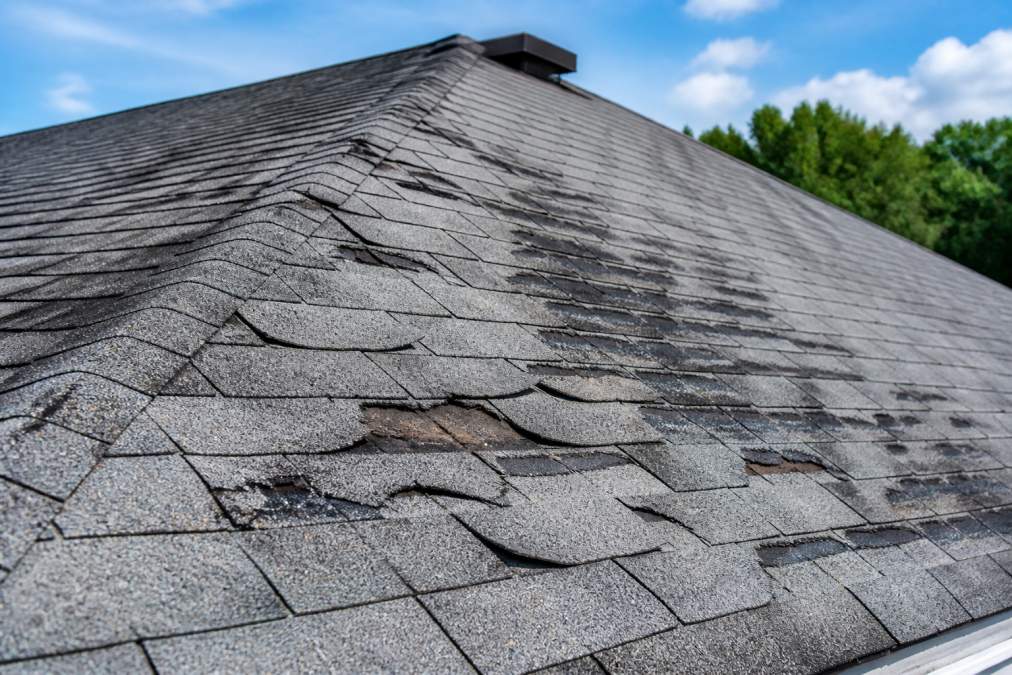
Missing or damaged shingles are the most obvious red flag. Bare patches, cracked, curled, or blistered shingles compromise your roof's protective barrier, allowing water to seep into your attic and interior walls (nrca.net).
Granule loss appears as dark streaks or gritty material in your gutters, indicating accelerated aging and deteriorating shingles.
Sagging or dips in your roofline suggest structural issues underneath, indicating water damage has weakened the decking or rafters. This requires immediate professional attention.
Flashing problems around chimneys, vents, and valleys are common leak sources. Rusted, bent, or separated flashing allows water to seep into your home.
Gutter damage or separation prevents proper water drainage, forcing water to pool on your roof or run down your walls, creating rot and foundation issues.
Interior signs matter too. Water stains on ceilings, dark spots in your attic, or mold growth indicate water has already penetrated your roof and damage has progressed beyond surface-level issues.
How to Get a Free Roof Damage Estimate
Getting a free roof damage estimate involves several straightforward steps that protect you by creating documentation and ensuring you work with licensed professionals.
Step 1: Document the Damage
Before contacting any contractor, document what you've observed. Take photos and videos of visible damage from ground level and, if safe, from your attic. Note the date you first noticed damage and any weather events that preceded it, this information matters for insurance claims.
Write down specific observations: which side of the roof shows damage, whether shingles are missing or curled, whether you've seen water stains inside, and whether gutters are clogged or damaged.
Step 2: Research Licensed Contractors
Start by verifying licensure through your state's licensing board. Every legitimate roofing contractor must hold a valid license to operate legally.
Check online reviews critically, looking for patterns rather than isolated comments. Ask for references from recent projects and call them to ask about the contractor's communication, timeliness, quality of work, and whether the final bill matched the estimate.
Verify that contractors carry proper insurance: general liability and workers' compensation. Ask to see certificates of insurance. This protects you from liability if someone is injured on your property during the estimate or repair work.
Step 3: Schedule Your Inspection
Contact multiple contractors and request free estimates, aim for at least three so you can compare findings and pricing. When scheduling, ask how long the inspection takes; most take 30 minutes to an hour depending on roof complexity.
Be specific about what you want assessed. If you suspect storm damage, say so. If you're concerned about a specific area, mention it. Ask whether the contractor will provide a written estimate on-site or follow up by email.
Roof Inspection Checklist for Homeowners
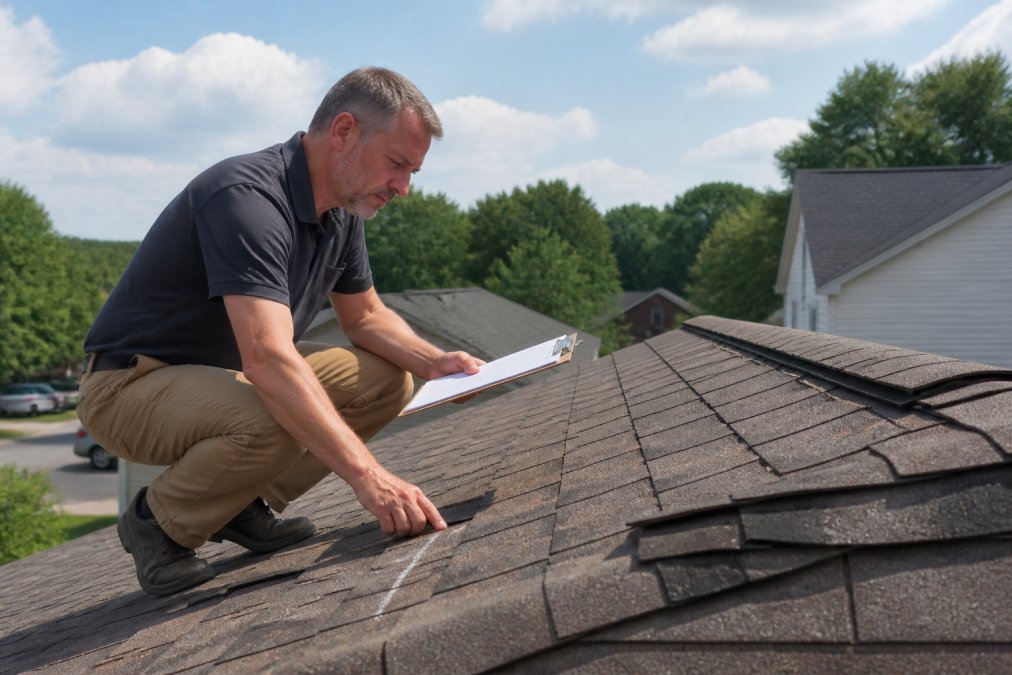
Use this checklist when contractors arrive or when conducting your own initial assessment.
| Assessment Area | What to Check | Red Flags |
|---|---|---|
| Shingles | Curling, missing pieces, cracks, blistering | More than a few damaged shingles in one area |
| Flashing | Rust, separation, gaps, bent metal | Visible gaps or rust around vents and chimneys |
| Gutters | Debris, sagging, separation, damage | Granules accumulating, water overflow points |
| Valleys | Debris accumulation, gaps, water flow | Standing water or obvious erosion patterns |
| Vents and Penetrations | Proper sealing, flashing condition, gaps | Visible gaps or deteriorated caulking |
| Attic | Water stains, mold, moisture, ventilation | Dark spots, musty odor, visible mold growth |
| Decking | Soft spots, rot, water damage (from attic view) | Sagging, discoloration, soft wood |
| Fascia and Soffits | Rot, damage, proper attachment | Peeling paint, soft wood, separation |
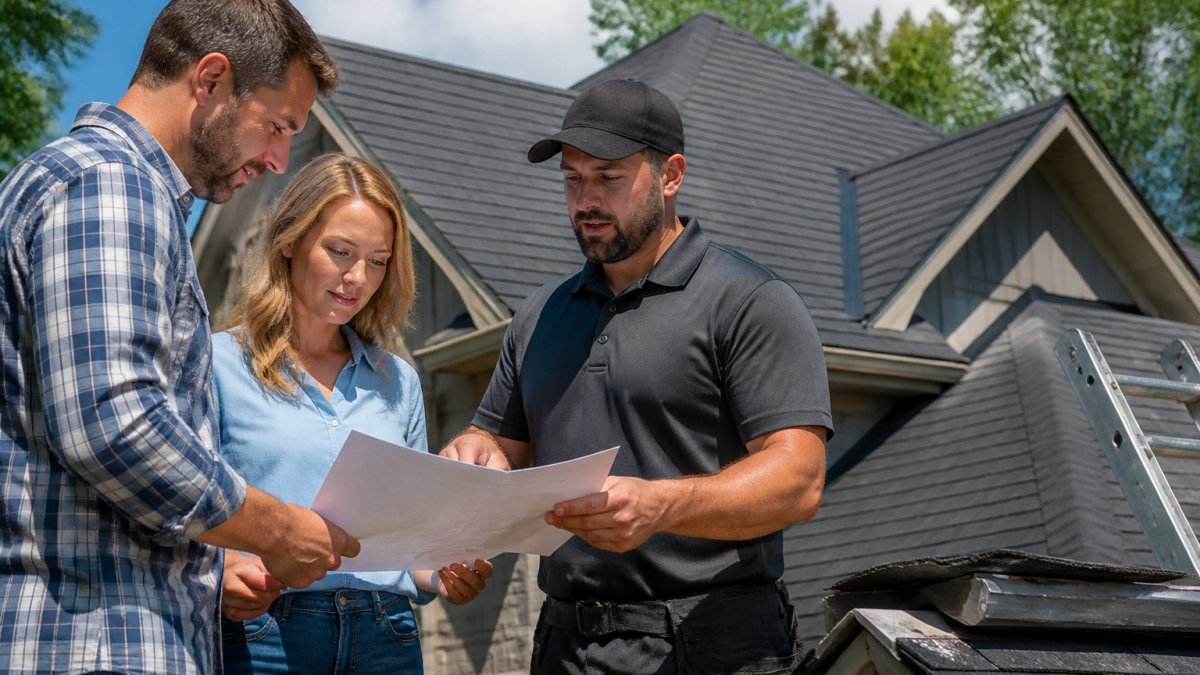
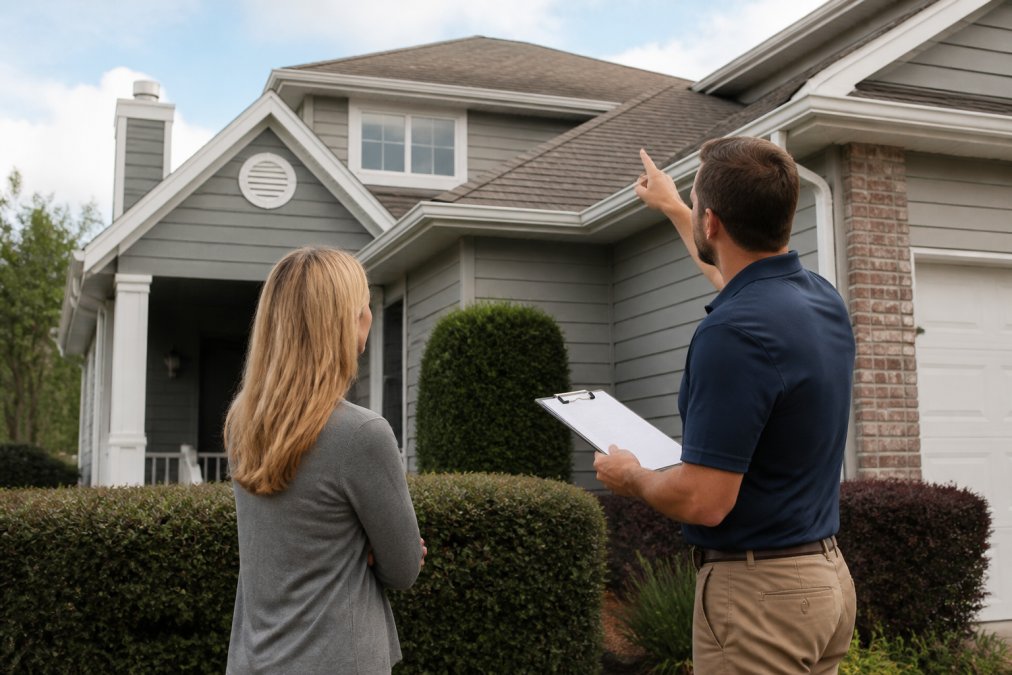
Professional contractors will evaluate all these areas during a comprehensive inspection. Ask the contractor to explain their findings as they work. A good contractor will point out specific damage, explain why it matters, and describe what repair or replacement entails.
Questions to Ask a Roofing Contractor
Asking the right questions separates professional contractors from those cutting corners.
About their credentials and experience:
- How long have you been in business?
- Are you licensed, bonded, and insured?
- Can you provide proof of current licenses and insurance?
- What certifications do you hold?
About the specific project:
- What exactly did you find during the inspection?
- Why do you recommend this specific solution?
- What materials do you recommend, and why?
- What warranty do you provide on materials and labor?
- How long will the project take?
About the estimate and process:
- Is this estimate binding, or can costs change?
- What happens if we discover hidden damage during the work?
- How will you handle disposal of old materials?
- Do you handle insurance claims, or do I manage that?
- What payment schedule do you use?
About communication and accountability:
- How will you communicate progress during the project?
- Who is my point of contact if issues arise?
- What happens if weather delays the project?
- Do you provide a written contract before work begins?
- What is your process if I'm unhappy with the work?
Listen carefully to how contractors answer. Professional contractors provide specific, detailed answers. Vague responses or pressure to decide immediately are red flags.
Insurance Claim Assistance for Roof Damage
Many homeowners don't realize that roofing contractors can help navigate the insurance claim process, which can mean the difference between a claim being approved or denied.
Your homeowner's insurance policy covers roof damage from covered perils like storms, hail, and wind (iii.org). It does not cover damage from wear and tear, lack of maintenance, or age-related deterioration (iii.org). This distinction matters because insurers often try to classify storm damage as wear and tear to avoid paying claims.
After you file a claim, your insurance company sends an adjuster to inspect the damage. An experienced roofing contractor can identify damage that untrained adjusters might miss and distinguish between new damage from a covered event and existing damage from age or poor maintenance.
If your adjuster denies or underpays your claim, a contractor's assessment can support an appeal. Detailed documentation of damage, photos, and a professional opinion carry weight when disputing an adjuster's decision.
A contractor experienced in insurance claims will:
- Document damage thoroughly with photos and detailed notes
- Provide a written assessment explaining what caused the damage
- Identify damage that might not be obvious to an untrained eye
- Provide written estimates that support your claim amount
- Communicate directly with your adjuster if needed
If your claim is denied:
Ask your insurance company for a detailed explanation. Common reasons include the adjuster classifying damage as wear and tear rather than storm damage, not identifying all damage during their inspection, or policy exclusions. A contractor's assessment can counter these denials by providing professional documentation of what caused the damage and why it qualifies for coverage.
How to Spot a Roofing Scam and Protect Yourself
Roofing scams target homeowners after storms when urgency and stress cloud judgment.
Door-to-door solicitation is the biggest red flag. Legitimate contractors build their business through reputation and referrals. If a contractor shows up unsolicited offering to inspect your roof or claiming they saw damage from the street, that's a scam indicator.
Scammers use high-pressure tactics because their offer won't withstand scrutiny. They claim they're in your neighborhood working on other roofs and can give you a special price today only. They say they can bill your insurance company directly so you pay nothing out of pocket. They push you to sign documents immediately.
Legitimate contractors never pressure you. They provide estimates in writing, answer questions patiently, and let you compare options. They don't demand upfront payment before work begins.
Unlicensed contractors are common in roofing. Before hiring anyone, verify their license directly with your state's licensing board.
Pricing that seems too good to be true usually is. If one contractor's estimate is significantly lower than others, ask why.
Cash-only payment demands are a major warning sign. Legitimate contractors accept checks, credit cards, and bank transfers. Cash payments leave no paper trail.
Inspect work in progress. Visit the site while work is happening. Look for proper safety practices, clean work areas, and attention to detail. A contractor who discourages site visits is hiding something.
Get everything in writing. Your contract should specify:
- Exact scope of work (what's being repaired or replaced)
- Materials being used (brand, type, color)
- Timeline for completion
- Total cost and payment schedule
- Warranty terms (labor and materials)
- Cleanup and debris removal
- What happens if weather delays the project
Verify insurance and bonding. Ask for certificates of insurance and verify they're current. Call the insurance company to confirm coverage.
Check references thoroughly. Actually call them and ask whether the contractor finished on time, whether the final bill matched the estimate, and whether they'd hire the contractor again.
Report suspicious activity. If you encounter a roofing scam, report it to your state's licensing board, the Better Business Bureau, and local law enforcement.
Estimate vs. Inspection: What's the Difference?
Homeowners often use these terms interchangeably, but they serve different purposes.
An estimate is a contractor's proposal for work. It includes what they found during an assessment, what they recommend doing about it, and what that work will cost. An estimate is not a binding contract; costs can change if additional damage is discovered during actual work.
An inspection is a comprehensive evaluation of your roof's condition. Inspections may include moisture testing, structural assessment, or detailed photography. Home inspectors perform inspections during real estate transactions. Insurance companies send adjusters to inspect damage for claims. Contractors perform inspections as part of their estimate process.
The key difference: an estimate is a proposal with a price; an inspection is an assessment that may or may not include a price proposal.
When you need each:
Get an estimate when you're considering roof repairs or replacement and want to know what work costs. Get an inspection when you're buying a home and need to know the roof's condition before closing. Most homeowners get a free estimate from a contractor, which includes a basic inspection and serves both purposes.
What's included in a typical estimate:
- Visual assessment of shingles, flashing, gutters, and vents
- Photos documenting damage or concerns
- Written description of findings
- Recommended repairs or replacement
- Specific materials proposed
- Labor and material costs
- Timeline for completion
- Warranty information
Getting a free roof damage estimate is the smart first step when you suspect roof problems. You'll understand what's wrong, what it costs to fix, and whether insurance might cover the damage. Start by documenting what you see, researching licensed contractors in your area, and scheduling multiple estimates so you can compare findings and approaches.
The contractors you choose should answer your questions thoroughly, provide detailed written estimates, and explain their recommendations clearly. Avoid pressure tactics, unlicensed contractors, and anyone demanding cash payment upfront. When you're ready to move forward, Leitch Roofing provides comprehensive free estimates backed by our commitment to quality materials, skilled crews, and transparent communication. Contact us today to get started, we'll assess your roof thoroughly and help you understand exactly what comes next.
Frequently Asked Questions
Are roof repair estimates free?
Yes. Reputable roofing contractors offer free roof damage estimates as a standard practice. A no-obligation inspection allows contractors to assess the damage and provide a written estimate for repairs or replacement. Never pay upfront for an estimate. If a contractor charges for an inspection, verify their credentials and ask why before committing.
What should be included in a professional roof damage estimate?
A complete estimate includes the scope of damage, recommended materials, labor costs, timeline, warranty details, and payment terms. It should specify whether work includes removal of old shingles, flashing repair, gutter inspection, and cleanup. The estimate should also clarify what your insurance may cover and what you're responsible for. Ask for a written estimate before any work begins.
How can I tell if a free roof inspection is a scam?
Red flags include high-pressure sales tactics, door-to-door solicitation after storms, promises to file insurance claims for you, pressure to sign immediately, and vague estimates without itemized details. Legitimate contractors provide written estimates, verify their licensing through your state, offer references, and never pressure you to decide on the spot. Always research the company and check BBB accreditation.
Should I get multiple estimates for roof damage?
Yes. Getting 2-3 estimates from licensed, insured contractors helps you compare pricing, scope of work, and contractor reliability. Multiple estimates protect you from overcharging and allow you to verify whether damage assessments are consistent. Document each estimate carefully and ask the same questions of each contractor to make fair comparisons.