 how-to
Commercial Roof Repair Services: A Guide
Table of Contents
- Signs Your Commercial Roof Needs Professional Repair
- Understanding Commercial Roof Leak Repair Costs
- How to Evaluate Roofing Contractors for Your Project
- Commercial Roofing Materials and System Types
- Emergency Roofing Services and Storm Damage Response
- Preventative Maintenance and Roof Inspection Schedules
- Navigating Insurance Claims for Commercial Roof Damage
- Roof Life Expectancy and Replacement Planning
- Frequently Asked Questions
Last Updated: August 30, 2026
Signs Your Commercial Roof Needs Professional Repair
Your commercial roof fails silently until water drips through your ceiling during a board meeting. The trick is catching problems before they become catastrophes.
Visible membrane damage is the most obvious red flag. Blistering, cracking, or peeling on flat roofs signals structural integrity problems. If you see these on a TPO or EPDM membrane, water infiltration is likely already starting beneath the surface.
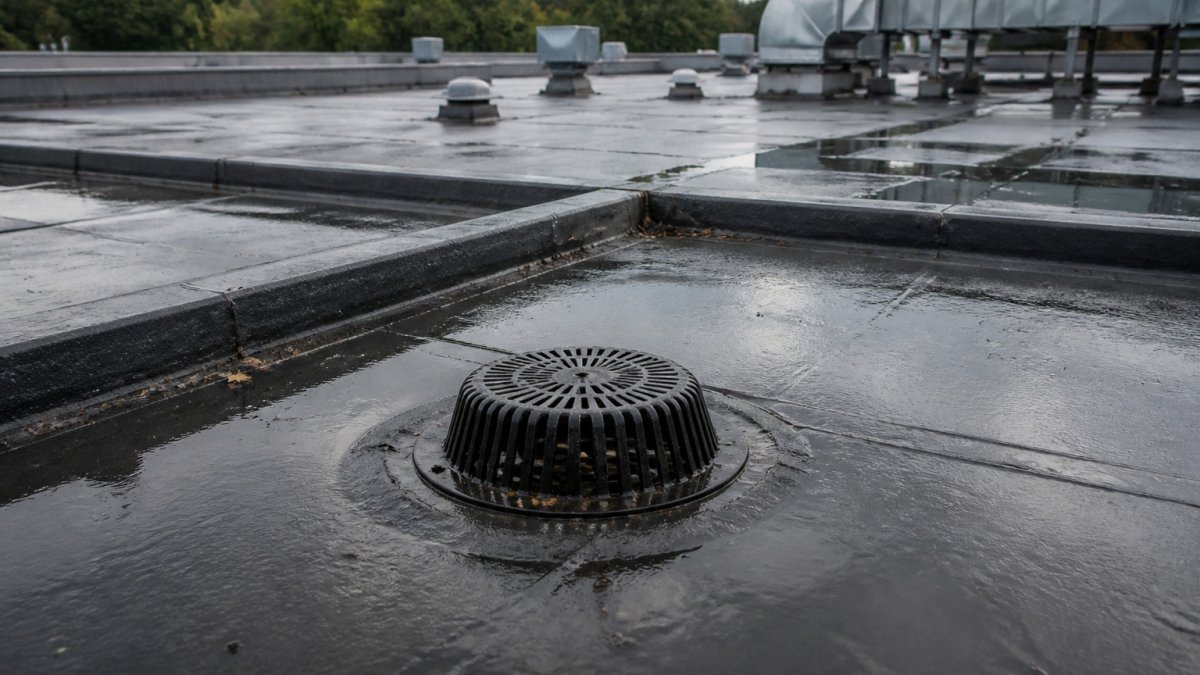
Pooling water on flat roofs accelerates deterioration and adds weight to your structure. Poor drainage systems allow water to collect, and stagnant water eats through membranes over time.
Seams and flashing failures deserve immediate attention. Where roofing materials meet, at edges, around penetrations, and where sections connect, water finds its way in. Leaking flashing is one of the most common entry points for water damage.
Interior signs matter as much as exterior ones. Stains on ceiling tiles, damp insulation, or mold growth means water has already breached the roof. By this point, damage has progressed beyond surface-level repair.
Age is a factor, but not the only one. A 15-year-old roof in harsh weather might need attention sooner than a 20-year-old roof in mild conditions. At Leitch Roofing, we assess condition, not just age, because a thorough roof inspection tells you what's actually happening.
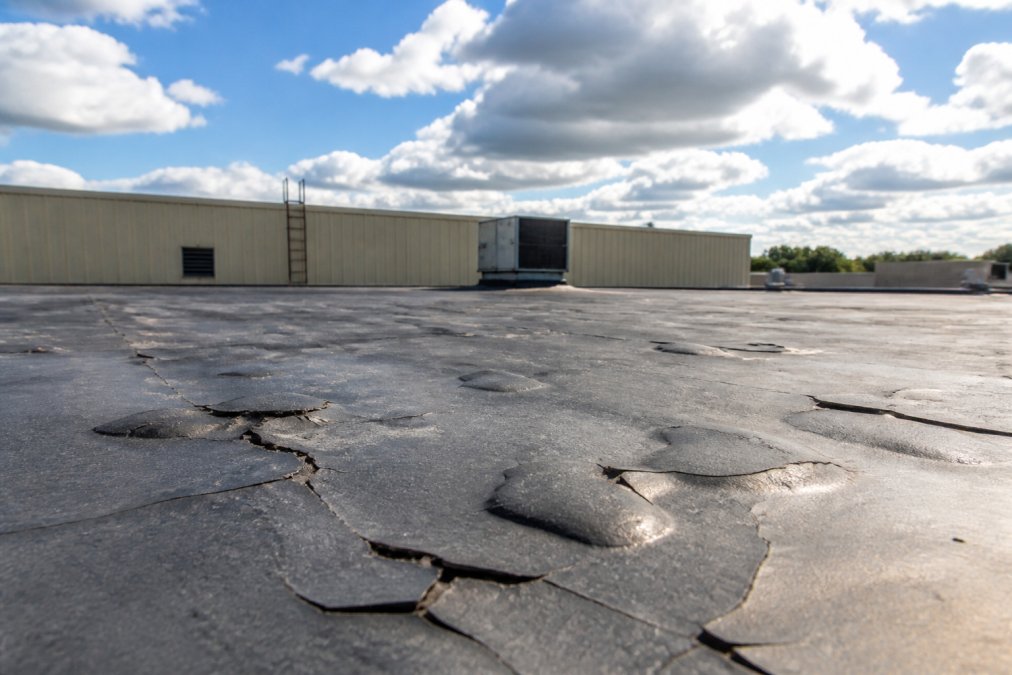
Regular inspections catch problems at the stage where repair costs far less than replacement. A professional identifies early-stage damage that untrained eyes miss, preventing emergency situations.
Understanding Commercial Roof Leak Repair Costs
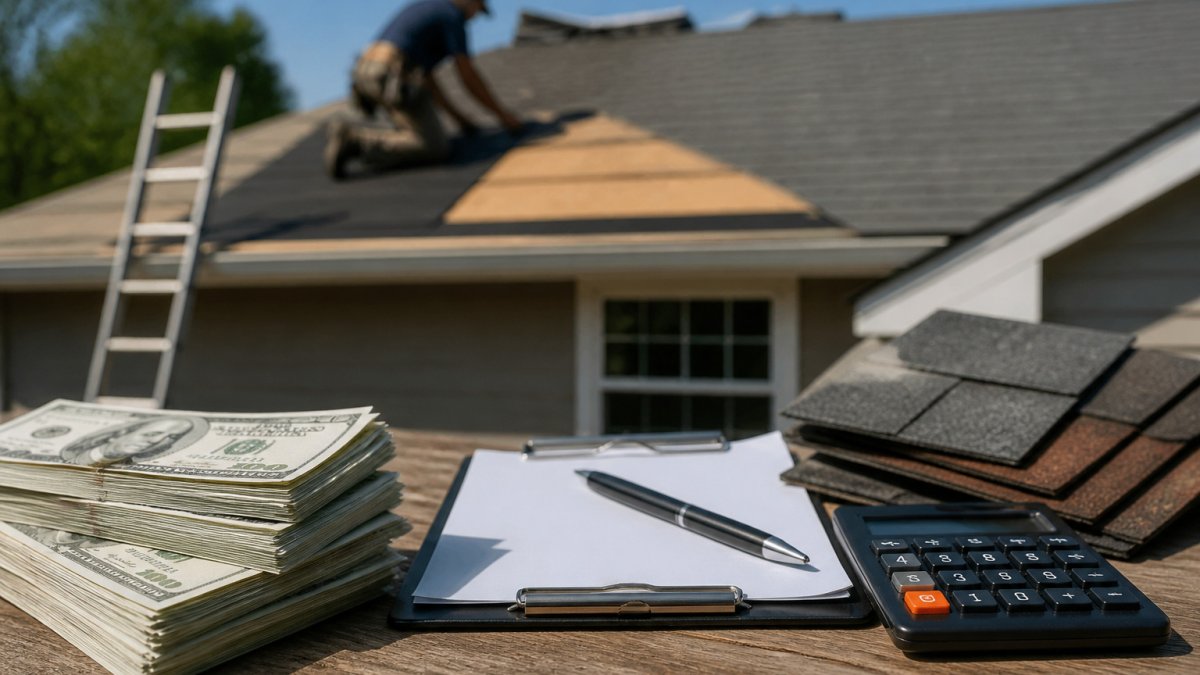
Pricing for commercial roof repair depends on several factors that vary dramatically from one project to another. Getting a quote from an experienced contractor is essential.
The scope of damage determines the repair approach. A small localized leak might require patching a section of membrane, while widespread failure demands more extensive work. Leak detection can involve moisture mapping and thermal imaging, which adds diagnostic cost but prevents guessing.
Material type influences both repair method and cost. TPO and EPDM membranes repair differently than modified bitumen or metal roofing. Some systems allow spot repairs; others require larger sections to be replaced to ensure the fix lasts.
Labor accessibility affects pricing significantly. A roof that's easy to access costs less to repair than one requiring special equipment or safety protocols.
Timing matters more than many property owners realize. Emergency repairs cost more than scheduled maintenance. Waiting until a small leak becomes a major water intrusion turns a manageable repair into a costly restoration project.
Insurance coverage sometimes applies to storm damage or sudden failures. Understanding your policy and filing claims correctly can offset repair costs significantly.
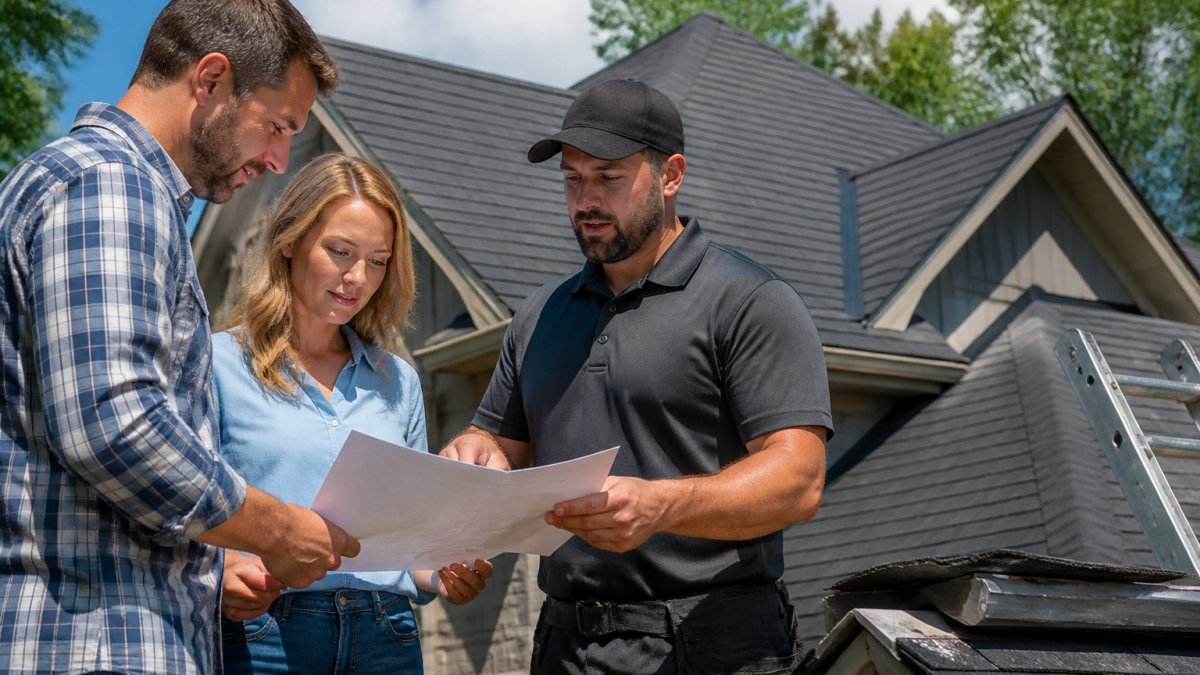
Getting multiple quotes is standard practice, but compare apples to apples. A low quote that skips proper diagnosis and uses inferior materials creates problems later. Leitch Roofing provides free estimates that include detailed assessment of what's actually needed, so you're comparing real solutions, not just prices.
How to Evaluate Roofing Contractors for Your Project
Choosing the wrong contractor costs far more than paying slightly more for the right one. A poor repair job creates recurring problems and eventual replacement when the work fails.
Start with credentials and licensing. A legitimate roofing contractor carries the proper licenses for your state and maintains current certifications. Ask for license numbers and verify them.
Credentials and Licensing Requirements
Your state requires roofing contractors to be licensed. Licensing demonstrates that a contractor has passed competency exams, carries proper insurance, and maintains bonding.
Manufacturer certifications matter for specific roofing systems. If your building has TPO roofing, a contractor certified by the TPO manufacturer understands that system's requirements and warranty conditions. Using non-certified installers can void manufacturer warranties.
Insurance and bonding protect you if something goes wrong. Request proof of current insurance and bonding before signing any agreement.
Insurance and Workmanship Warranties
Workmanship warranties back the quality of the installation. A reputable contractor stands behind their work with written warranties covering labor and materials for a defined period.
Read the warranty carefully. Some cover only materials; others include labor. A 5-year workmanship warranty is common, but 10-year warranties exist and are worth comparing.
A contractor experienced in working with insurance adjusters knows what documentation is needed and how to present damage accurately, helping you avoid claim denials.
Commercial Roofing Materials and System Types
Your building's roofing system determines repair approach, maintenance requirements, and longevity.
TPO and EPDM Membrane Systems
TPO (thermoplastic polyolefin) and EPDM (ethylene propylene diene monomer) are the dominant commercial roofing membranes for flat and low-slope roofs.
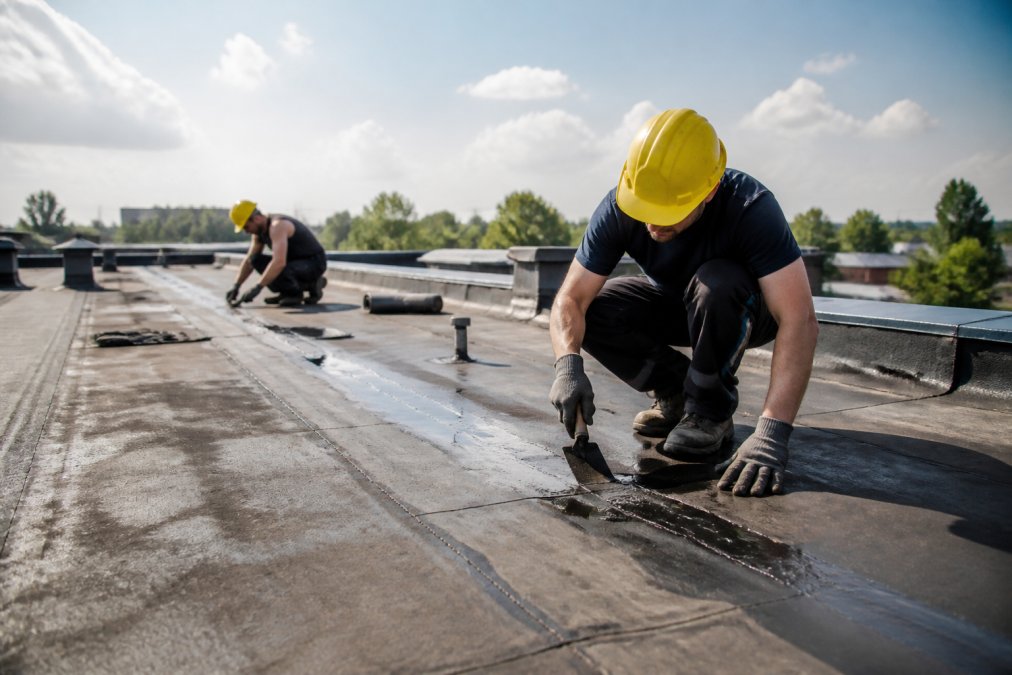
TPO membranes are heat-welded at seams, creating a unified waterproof layer. They reflect sunlight, reducing cooling costs, and resist UV damage and ozone. Repairs involve patching the membrane or re-welding seams.
EPDM membranes use adhesive or mechanical fastening at seams. They're extremely flexible, handling building movement and temperature swings without cracking. EPDM lasts decades with proper maintenance. Repairs typically involve patching with compatible EPDM material.
Both systems require regular roof inspections to catch seam separation or membrane damage early. A roof coating can add years to either system's lifespan by protecting the membrane from UV and weather exposure.
Modified Bitumen and Metal Roofing
Modified bitumen is asphalt-based with polymer modification for improved flexibility and durability. It's applied in layers, creating a strong waterproof barrier. The material handles temperature extremes well and resists puncture better than single-ply membranes.
Metal roofing on commercial buildings offers exceptional longevity and energy efficiency. Standing-seam metal systems use interlocking seams that shed water effectively. Metal reflects heat, reducing cooling costs. Metal roofing lasts 40+ years with minimal maintenance, making it cost-effective over the long term despite higher initial installation cost (energy.gov).
A professional roof inspection evaluates your current system and recommends the best path forward for repair or replacement.
Emergency Roofing Services and Storm Damage Response
Storms cause sudden roof failures that demand immediate response.
Emergency tarping is the first line of defense after storm damage. Temporary coverings prevent water from entering your building while you assess damage and plan repairs. A fast response prevents secondary damage, wet insulation, mold growth, and structural deterioration spread quickly once water gets inside.
Storm damage assessment requires professional evaluation. Wind damage might not be visible from the ground. Hail creates small punctures that leak slowly at first, then catastrophically. An experienced contractor documents everything with photos and detailed notes, which you'll need for insurance claims.
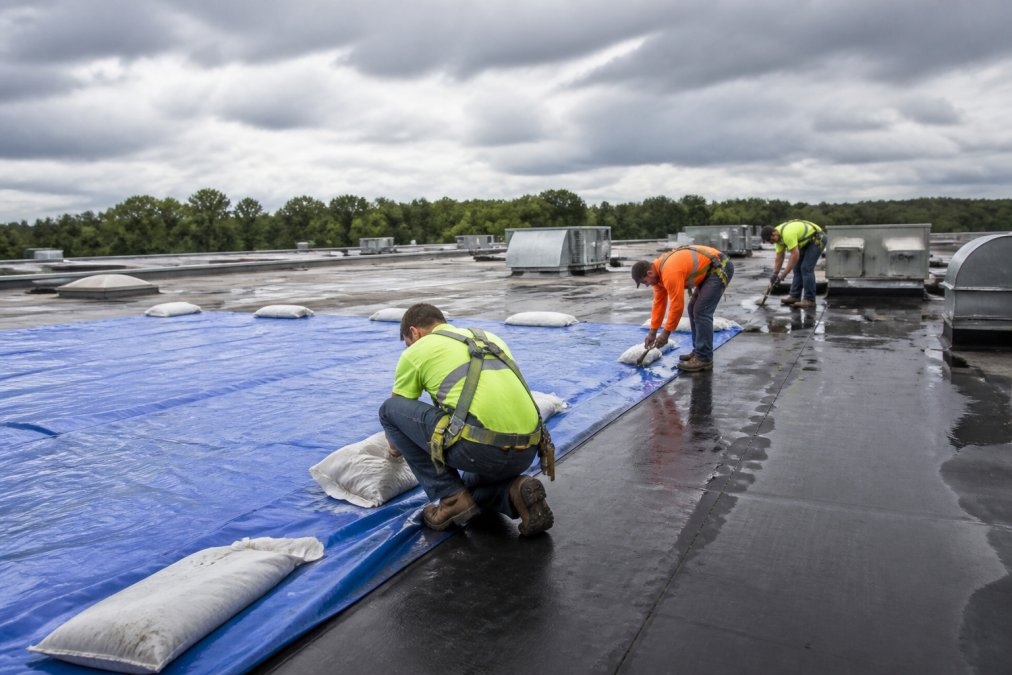
Insurance documentation is critical after storm damage. A contractor experienced in working with insurance understands what documentation gets claims approved and what creates delays or denials.
Preventative Maintenance and Roof Inspection Schedules
A roof inspection every year or two catches problems before they become emergencies. Professional inspections document the condition of every component, membrane integrity, seam condition, flashing, drainage systems, and structural elements.
Frequency depends on your roof's age and condition. A newer roof in good condition might need inspection every 2-3 years. An aging roof or one in a harsh climate benefits from annual inspections. After storms, an immediate inspection catches damage before it spreads.
Maintenance tasks extend roof life significantly. Clearing debris from low spots prevents pooling water. Inspecting and sealing flashing prevents leaks. These tasks prevent expensive problems.
Leitch Roofing provides detailed inspection reports with recommendations, so you know exactly what needs attention and can plan accordingly.
Navigating Insurance Claims for Commercial Roof Damage
Filing an insurance claim for roof damage seems straightforward until you're actually doing it. Adjusters deny or underpay claims regularly because documentation is incomplete or damage isn't presented clearly.
Start with your policy. Know what's covered and what isn't. Most policies cover storm damage but not wear and tear.
Documentation is everything. Photos showing damage, the date damage occurred, and the condition before damage all strengthen your claim. A contractor who documents damage professionally creates the evidence adjusters need to approve claims.
The adjuster's assessment isn't final. If you disagree with their evaluation, you can request a second opinion or hire an independent adjuster to represent you. A contractor experienced in claims can help you evaluate whether the assessment is reasonable.
File claims promptly after damage occurs. Delays give adjusters reasons to question whether damage is recent or pre-existing.
Roof Life Expectancy and Replacement Planning
Every roof eventually needs replacement. Knowing your roof's age and expected lifespan helps you plan financially and avoid unexpected emergencies.
TPO membranes typically last 15-20 years with proper maintenance (peer-reviewed research). EPDM lasts 20-25 years (peer-reviewed research). Modified bitumen lasts 15-20 years. Metal roofing lasts 40+ years. Actual lifespan depends on climate, maintenance, and installation quality.
A roof nearing the end of its life should be replaced proactively, not reactively. Planned replacement lets you choose timing, materials, and contractor carefully.
Material choice for replacement affects long-term costs. A more expensive system that lasts longer might cost less over 20 years than a cheaper system replaced twice.
Your roof protects everything beneath it. When problems emerge, addressing them quickly prevents cascading damage that turns a manageable repair into a catastrophic failure. Leitch Roofing specializes in commercial roof repair and assessment, offering free inspections that identify exactly what your building needs. Whether you're facing storm damage, aging roof systems, or insurance claim challenges, our experienced team handles the technical work and documentation that keeps your property protected. Contact us today for a free estimate and let us show you how professional roofing expertise prevents expensive surprises.
Frequently Asked Questions
What are the typical signs that a commercial roof needs repair?
Common indicators include visible leaks or water stains on ceilings, missing or damaged roof flashing, blistering or cracking in the membrane, pooling water on flat roofs, and increased energy bills suggesting compromised insulation. A professional roof inspection can identify issues before they become costly problems. Many roofing contractors offer free inspections to assess the condition of your commercial roofing system.
How much does commercial roof leak repair typically cost?
Commercial roof leak repair costs depend on the leak's location, the roofing material, the extent of underlying damage, and whether additional structural repairs are needed. A small localized leak may cost less than widespread damage affecting multiple areas. Getting quotes from multiple contractors helps you understand pricing for your specific situation. Request a detailed estimate that breaks down labor, materials, and any additional work required.
How do I verify the credentials of a roofing contractor?
Ask for proof of licensing, insurance (both liability and workers' compensation), and bonding. Request references from recent commercial projects and follow up with those clients about their experience. Check whether the contractor is familiar with your specific roof type, TPO, EPDM, modified bitumen, or metal roofing each require different expertise. Confirm they offer workmanship warranties and understand local building codes for commercial construction.
How often should I schedule commercial roof inspections?
Industry best practice recommends at least two roof inspections per year: one in spring and one in fall. Additional inspections are wise after severe weather events, high winds, or storms. Regular inspections catch minor issues early, extend your roof's lifespan, and help maintain structural integrity. A preventative maintenance plan with scheduled inspections can reduce emergency repair costs significantly over time.